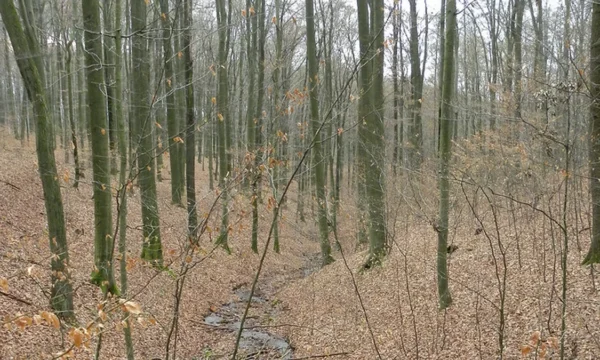
Federal State
Lower Saxony
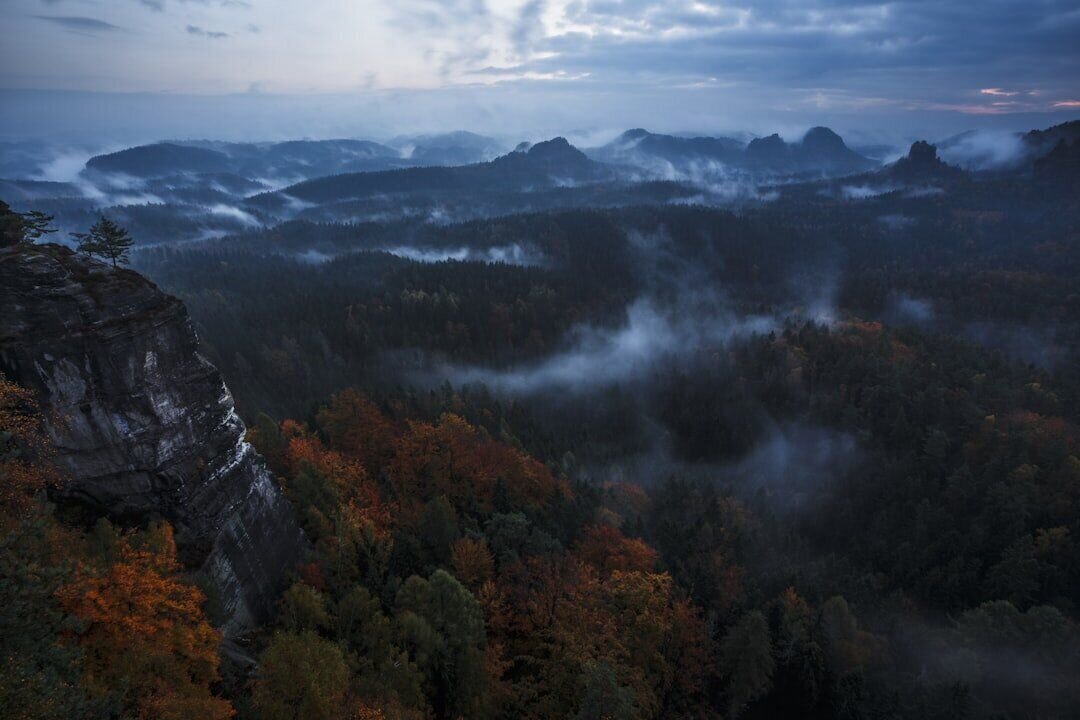
Lower Saxony is the second-largest German state by area, featuring diverse landscapes from the North Sea coast to…
Germany is a federal republic of 16 states, called Bundesländer — each with its own parliament, school calendar, dialect and cuisine. This guide covers all 16, from Bavaria in the Alps to Schleswig-Holstein on the Baltic, with capitals, populations and what each state is actually worth visiting for.
Germany is a federal republic made up of 16 states, called Bundesländer in German (singular: Bundesland). Each state has its own constitution, parliament, police force and — significantly for visitors — its own school calendar and public holidays, which is why Bavarian roads are gridlocked in weeks when Hamburg is at work.
The table below lists every federal state covered by Everything About Germany with its capital, population and land area.
| # | Federal state | Capital | Population | Area (km²) |
|---|---|---|---|---|
| 1 | North Rhine-Westphalia | Düsseldorf | 17,900,000 | 34,085.00 |
| 2 | Bavaria | Munich | 13,140,000 | 70,550.00 |
| 3 | Baden-Württemberg | Stuttgart | 11,100,000 | 35,751.00 |
| 4 | Lower Saxony | Dresden | 7,982,448 | 47,710.00 |
| 5 | Hesse | Wiesbaden | 6,265,809 | 21,116.00 |
| 6 | Rhineland-Palatinate | Mainz | 4,084,844 | 19,846.00 |
| 7 | Saxony | Dresden | 4,056,941 | 18,450.00 |
| 8 | Berlin | Berlin | 3,669,491 | 891.70 |
| 9 | Schleswig-Holstein | Kiel | 2,896,712 | 15,804.00 |
| 10 | Brandenburg | Potsdam | 2,521,893 | 29,654.00 |
| 11 | Saxony-Anhalt | Dresden | 2,194,782 | 20,452.00 |
| 12 | Thuringia | Erfurt | 2,120,237 | 16,202.00 |
| 13 | Hamburg | Hamburg | 1,900,000 | 755.09 |
| 14 | Mecklenburg-Vorpommern | Schwerin | 1,609,675 | 23,296.00 |
| 15 | Saarland | Saarbrücken | 990,509 | 2,570.00 |
| 16 | Bremen | Bremen | 681,202 | 419.00 |
Population and area figures follow the official statistics published by Destatis, the German Federal Statistical Office.
A Bundesland is not equivalent to a French région or an English county. Under Germany's Basic Law, each Bundesland holds sovereign authority in its own right and delegates specific powers upward to the federal government, rather than receiving powers from it.
In practice this means each state runs its own education system, cultural policy, policing and broadcasting. It is the reason school holidays are staggered across the country, why shop opening hours on a Sunday differ between Berlin and Bavaria, and why the Abitur school-leaving exam is not identical from one state to the next.
Each state is also represented in the Bundesrat, the federal council in Berlin, where state governments vote directly on national legislation that affects them.
Three of the sixteen federal states are cities holding full state powers in their own right rather than territories containing many municipalities: Berlin, Hamburg and Bremen. Each is simultaneously a city and a state, a survival of the medieval Free Imperial Cities and the Hanseatic League.
Berlin and Hamburg are each a single city. Bremen is the exception — the state of Bremen is made up of two separate, non-adjacent cities, Bremen itself and the North Sea port of Bremerhaven some 60 kilometres away. Hamburg and Bremen both retain "Free Hanseatic City" in their formal names, which is why their vehicle registration plates begin HH and HB.
Germans still routinely distinguish the alte Bundesländer (old states) from the neue Bundesländer (new states). The eleven old states made up West Germany before reunification. The five new states — Brandenburg, Mecklenburg-Vorpommern, Saxony, Saxony-Anhalt and Thuringia — were re-established in 1990 from the territory of the former East Germany, alongside the reunification of Berlin.
The distinction still shapes what a visitor sees. The new states hold some of Germany's most completely preserved historic centres, because East German scarcity meant far less post-war demolition and rebuilding. Dresden, Leipzig, Weimar, Erfurt, Quedlinburg and Görlitz all sit in this group.
Baden-Württemberg is a separate case again: the state was formed in 1952 when three post-war states voted to merge, making it the only German state created by referendum.

How German federalism works, and what it means in practice when you are planning a trip.
Germany has 16 federal states, known in German as Bundesländer. Eleven of the 16 states made up West Germany before 1990; five were re-established after reunification from the territory of the former East Germany. Three of the 16 — Berlin, Hamburg and Bremen — are city-states rather than territorial states.
A Bundesland is a German federal state, and each one is a sovereign entity in its own right rather than an administrative subdivision created by the national government. Every Bundesland runs its own parliament, police force, education system and broadcasting, and is represented in the Bundesrat, where state governments vote on federal legislation.
Bavaria is the largest German state by land area, covering roughly 70,500 square kilometres — about a fifth of the country. North Rhine-Westphalia is the largest by population, with close to 18 million residents, making it more populous than the Netherlands.
Bremen is the smallest German state by both area and population. The state of Bremen consists of just two separate cities, Bremen and Bremerhaven, and holds around 680,000 residents in total. Among the territorial (non-city) states, Saarland is the smallest.
Five German states were re-established in 1990 from the territory of the former East Germany: Brandenburg, Mecklenburg-Vorpommern, Saxony, Saxony-Anhalt and Thuringia. Berlin, which had been divided, was reunified as a single city-state at the same time. Germans still refer to these five as the neue Bundesländer, or new federal states.
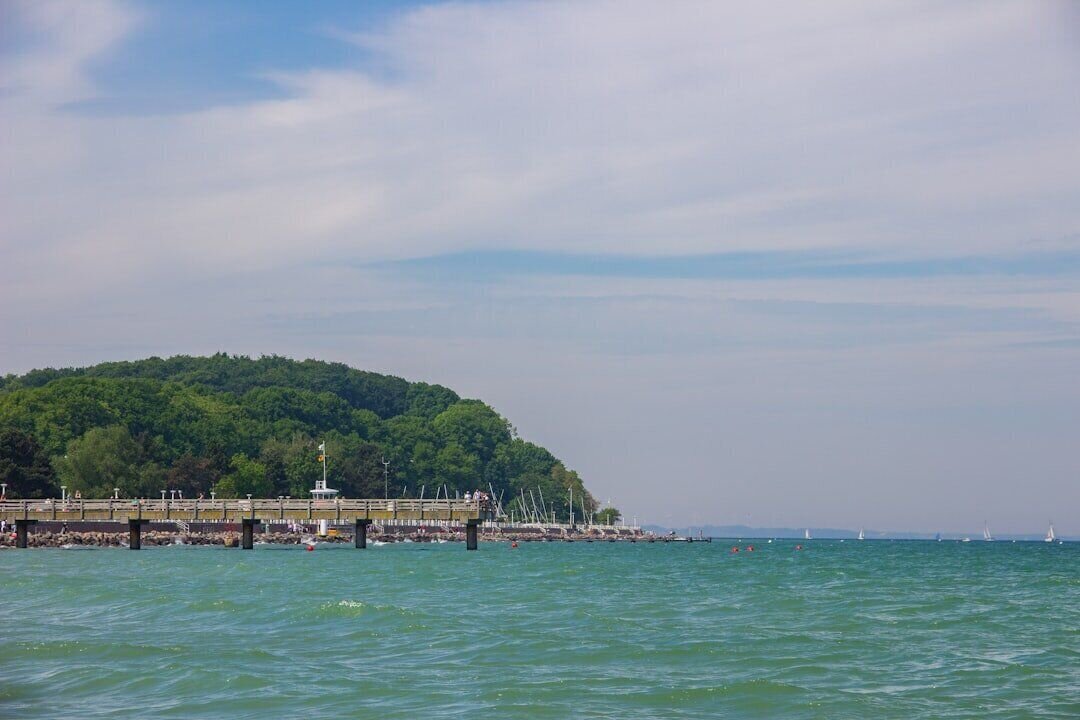
Bavaria is the most-visited German state, and the best single choice for a first trip because it combines Munich, the Alps, Neuschwanstein Castle and Oktoberfest. For coastline choose Mecklenburg-Vorpommern or Schleswig-Holstein; for wine and spa towns choose Rhineland-Palatinate or Baden-Württemberg; for Baroque cities and classical music choose Saxony or Thuringia.
Yes. Each German state sets its own public holidays, school calendar and shop opening rules, alongside its own education and policing policy. Bavaria observes the most public holidays of any state at 13, while Berlin, Hamburg, Bremen, Lower Saxony and Schleswig-Holstein observe the fewest at 10, so the same date can be a working day in one state and a closure in another.