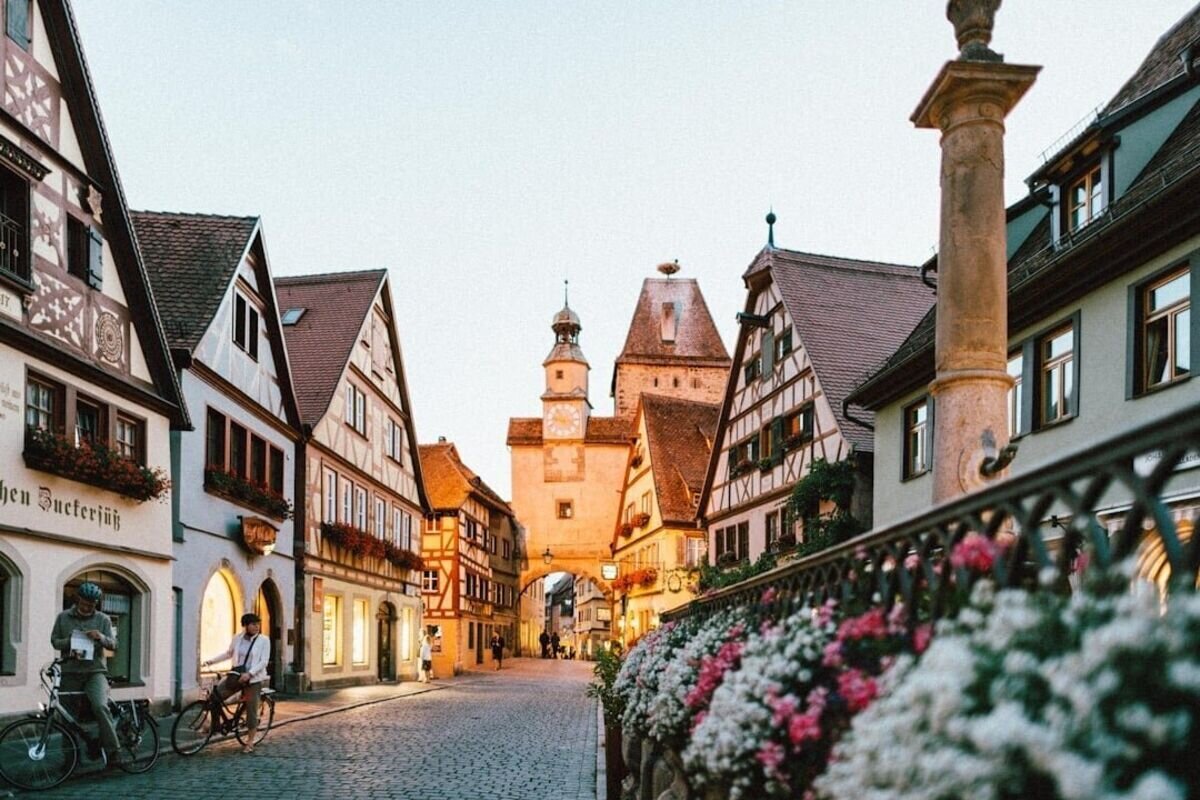
City Guide
Rust
Rust is a small town in Baden-Württemberg, Germany, famous for being home to Europa-Park, Germany's largest theme park.
Germany is home to 80 major cities (Großstädte), each offering a distinct blend of medieval heritage, cutting-edge culture, and world-class public transit. From Berlin's vibrant history and Munich's Bavarian charm to Hamburg's maritime canals, our in-depth guides cover top sights, neighborhoods, cuisine, and transit tips for over 36 German cities.
Germany's urban population is unusually evenly spread. Unlike France or the United Kingdom, Germany has no single dominant capital that outweighs every other city — a consequence of the country only unifying in 1871, by which point Hamburg, Cologne, Munich and Frankfurt had each spent centuries as independent commercial or royal centres.
Four German cities pass one million residents: Berlin, Hamburg, Munich and Cologne. Below them sit roughly 76 further Großstädte, the official German classification for a city of more than 100,000 people. The table below ranks the cities covered by Everything About Germany, largest first.
| # | City | Population |
|---|---|---|
| 1 | Berlin | 3,897,145 |
| 2 | Hamburg | 1,841,179 |
| 3 | Munich | 1,487,708 |
| 4 | Cologne | 1,073,096 |
| 5 | Frankfurt am Main | 753,056 |
| 6 | Stuttgart | 630,305 |
| 7 | Düsseldorf | 620,000 |
| 8 | Leipzig | 620,000 |
| 9 | Dortmund | 588,250 |
| 10 | Bremen | 577,000 |
| 11 | Dresden | 556,780 |
| 12 | Hanover | 535,932 |
| 13 | Nuremberg | 520,000 |
| 14 | Wiesbaden | 278,342 |
| 15 | Kiel | 250,000 |
| 16 | Magdeburg | 238,136 |
| 17 | Freiburg im Breisgau | 230,000 |
| 18 | Mainz | 217,118 |
| 19 | Lübeck | 217,000 |
| 20 | Kassel | 201,000 |
Population and area figures follow the official statistics published by Destatis, the German Federal Statistical Office.
There is no single best city in Germany, because the country's cities specialise. Choosing well is mostly a question of matching a city to what you actually want from the trip:
Trier is the oldest city in Germany, founded by the Romans in 16 BC as Augusta Treverorum. Trier still holds the largest concentration of Roman monuments north of the Alps, including the Porta Nigra city gate, the imperial baths and the basilica of Constantine.
Cologne, Mainz, Augsburg, Worms and Speyer are the other cities with continuous Roman foundations, all established along the Rhine and Danube frontiers between roughly 38 BC and 15 BC. Their age is legible in the street layout: a Roman grid at the centre, a medieval ring around it, and nineteenth-century boulevards beyond that.
Germany's smaller cities are frequently better preserved than its large ones, because Allied bombing concentrated on industrial and port centres. Towns such as Bamberg, Quedlinburg, Rothenburg ob der Tauber, Görlitz, Wismar and Lüneburg came through the Second World War with their historic cores largely intact, and several now hold UNESCO World Heritage status on that basis.
Most sit within ninety minutes of a major hub by regional train, which makes them practical day trips rather than separate stays: Bamberg from Nuremberg, Quedlinburg from Leipzig, Lüneburg from Hamburg, Görlitz from Dresden.
Germany's rail network is the practical default for city-to-city travel. Deutsche Bahn's Intercity-Express (ICE) services run at up to 300 km/h and connect every major hub, putting Berlin to Munich at roughly four hours and Cologne to Frankfurt at about one.
Two things decide what a German train journey costs. Booking early converts a walk-up Flexpreis fare into a Sparpreis one, often at a third of the price. And for regional travel, the Deutschlandticket — a monthly subscription covering every local and regional service nationwide — is usually cheaper than three or four separate regional tickets, though it is not valid on ICE, IC or EC trains.
Long-distance coaches remain a genuine alternative on some corridors, and domestic flights rarely make sense inside Germany once airport transfers are counted.
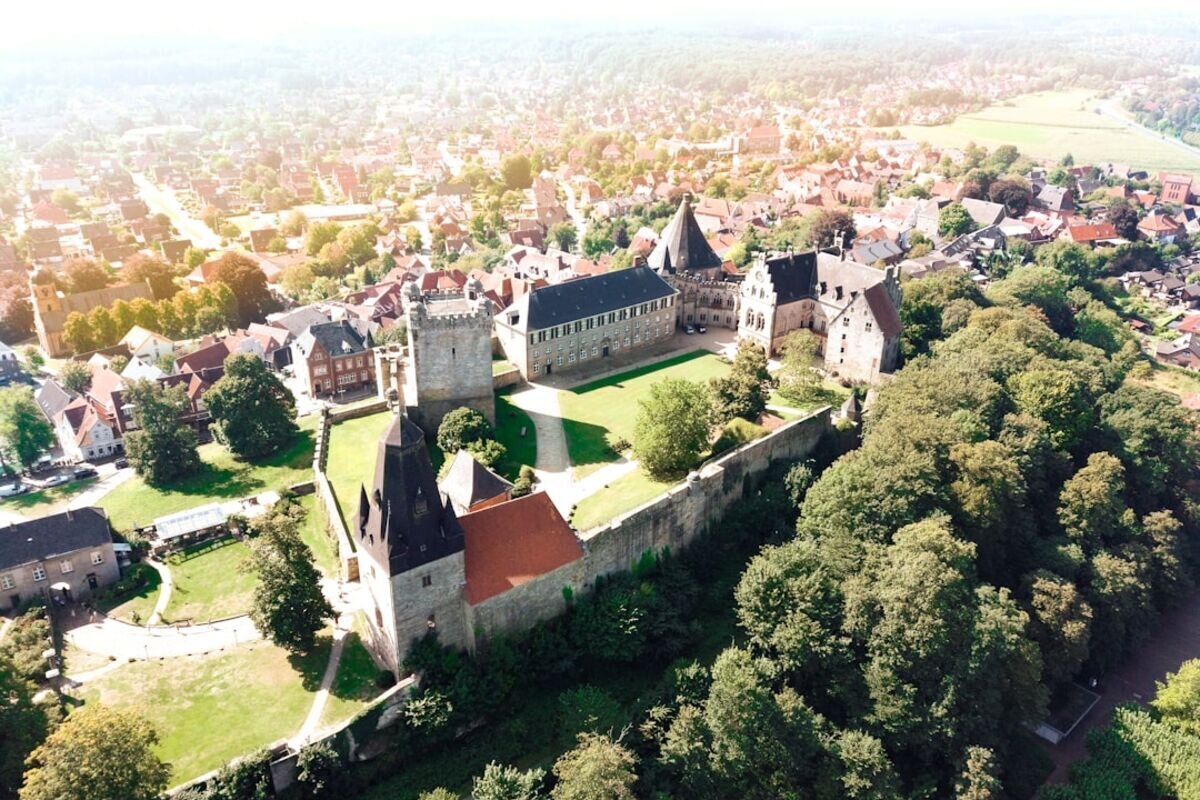
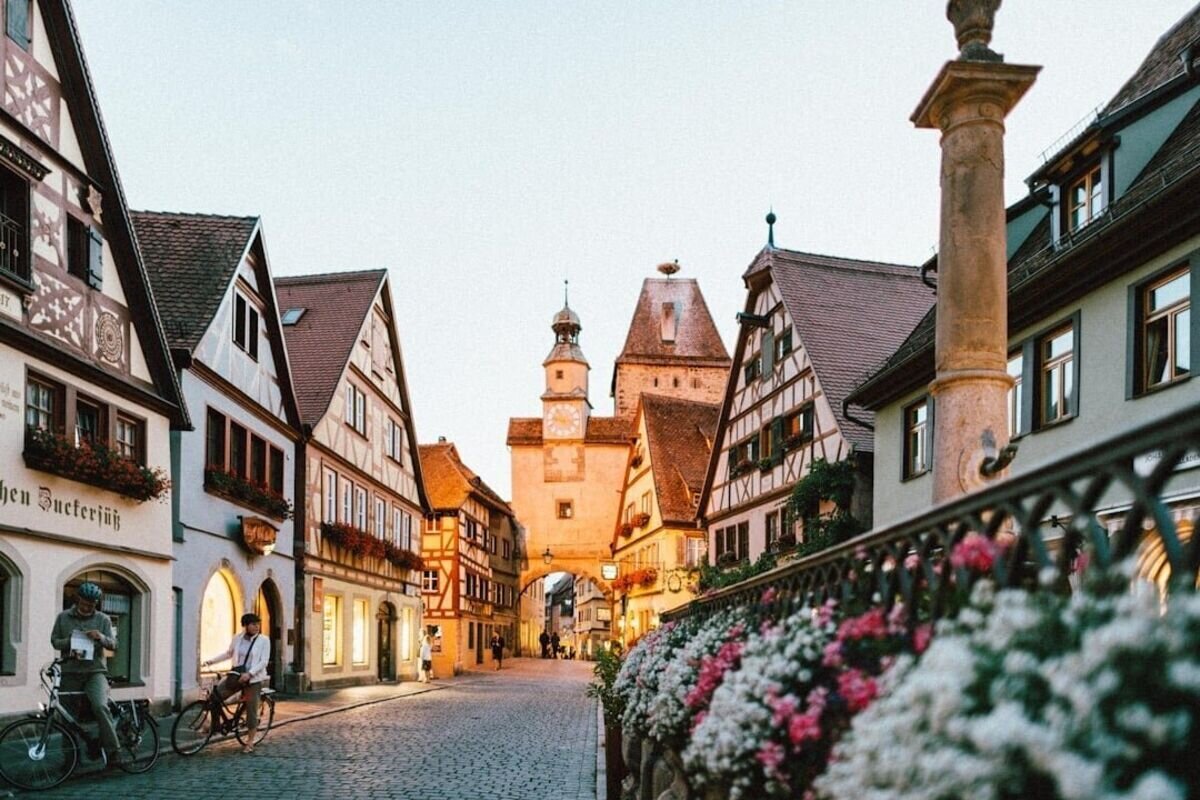

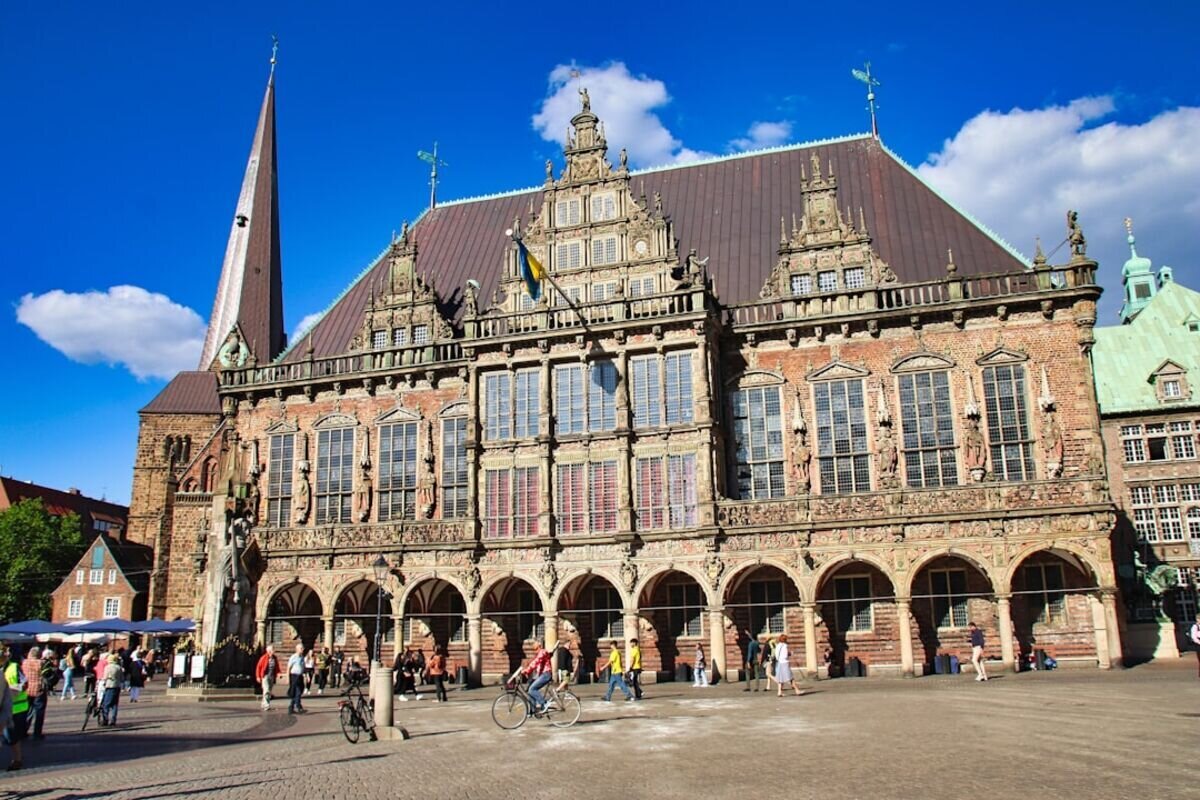
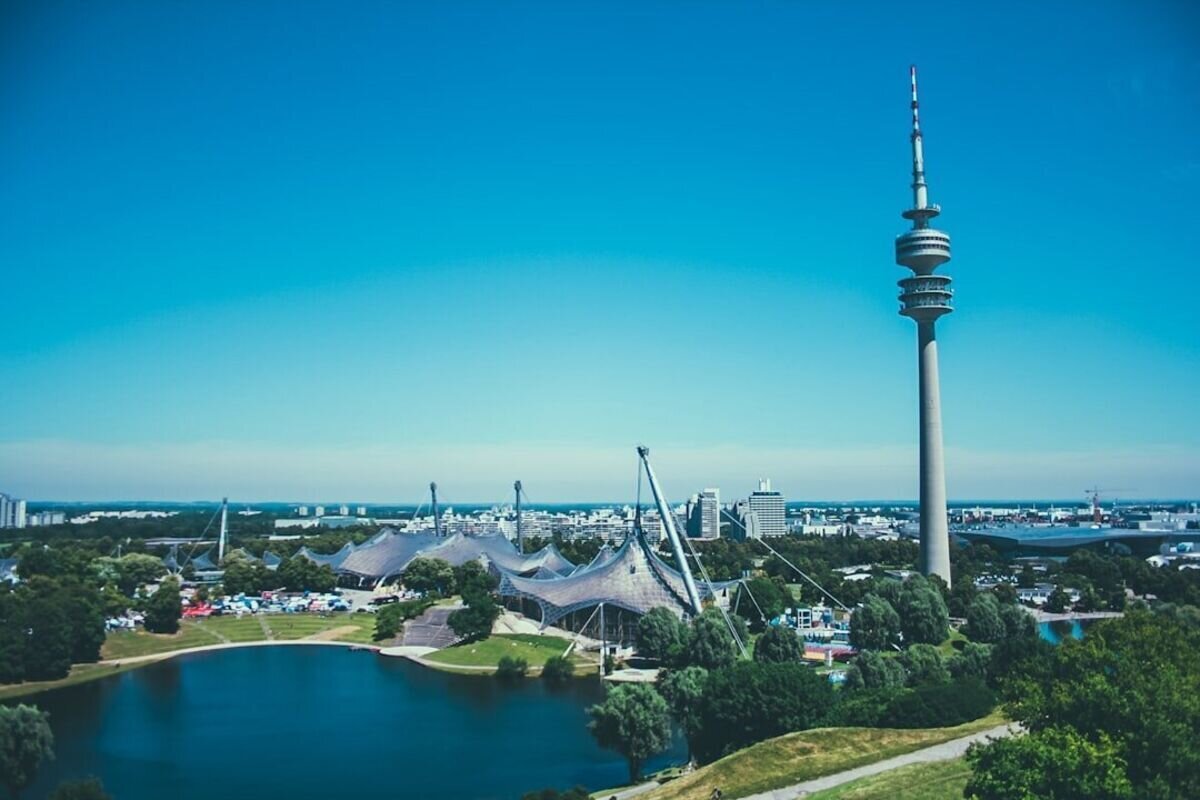
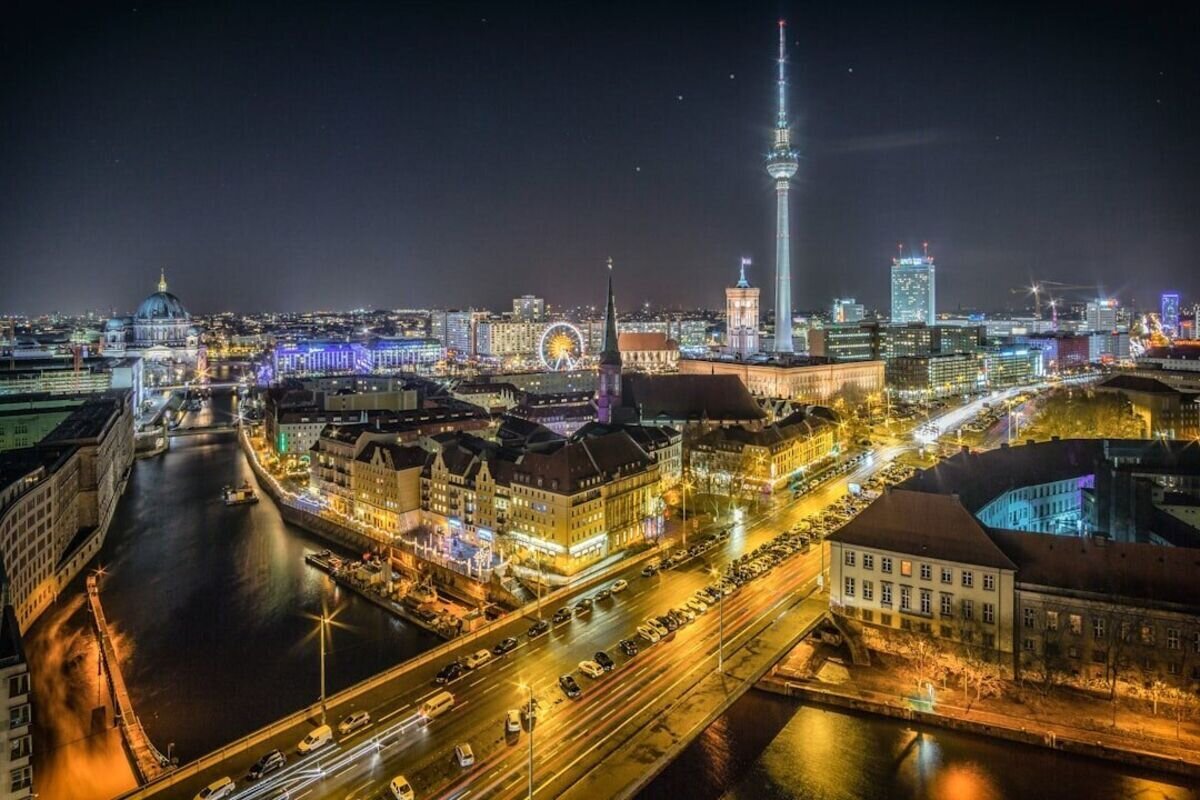
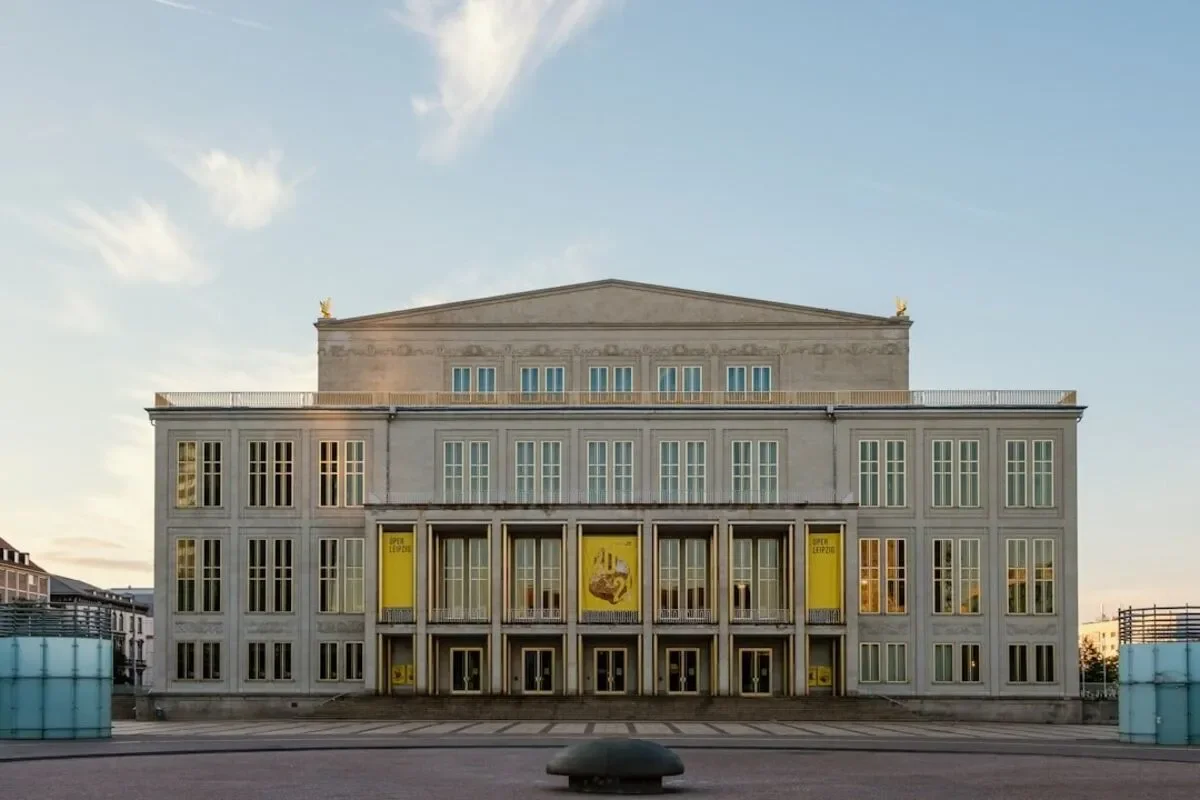
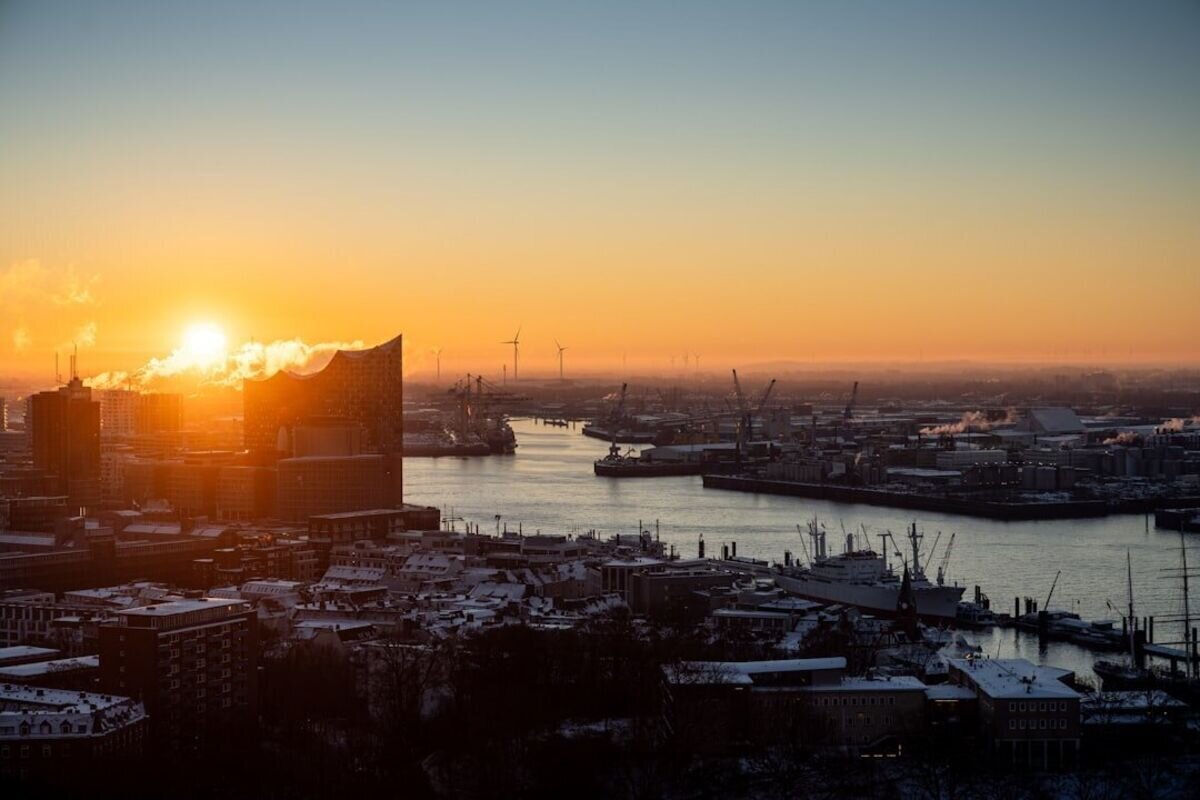
Key facts and practical information for exploring Germany's major urban centers and historic towns.
The best cities to visit in Germany depend on your interests, but top destinations include Berlin for modern history and nightlife, Munich for traditional Bavarian culture and Oktoberfest, and Hamburg for maritime heritage. For historic architecture, cities like Dresden, Leipzig, and Bremen offer beautifully preserved city centers and rich cultural scenes.
Germany has exactly 80 major cities (Großstädte) with a population of over 100,000 residents. The four largest cities in the country are Berlin, Hamburg, Munich, and Cologne, each boasting populations well over one million people.
Munich is widely considered the best German city for first-time visitors. It offers the classic German experience many tourists expect—including beer gardens, traditional Bavarian architecture, and proximity to the Alps—while being incredibly safe, walkable, and easy to navigate using public transit.
Trier is recognized as the oldest city in Germany. Founded by the Romans in 16 BC under the name Augusta Treverorum, the city still features massive Roman ruins today, including the famous Porta Nigra gate, which is a UNESCO World Heritage site.
Traveling between German cities is fast and efficient via Deutsche Bahn Intercity-Express (ICE) high-speed trains, which connect all major hubs at speeds up to 300 km/h. For budget-conscious travelers, regional trains and the €58 monthly Deutschlandticket provide unlimited access to local transit nationwide.
Berlin is the largest city in Germany by both population and area, with roughly 3.9 million residents — more than twice the size of Hamburg, the second-largest. Germany has four cities above one million people: Berlin, Hamburg, Munich and Cologne.
The German cities most consistently rated as the most beautiful are Dresden, Bamberg, Regensburg, Heidelberg, Rothenburg ob der Tauber and Quedlinburg. Bamberg, Regensburg and Quedlinburg escaped Second World War bombing almost entirely, so their medieval centres are original rather than reconstructed, and all three are UNESCO World Heritage sites.
Two full days is enough for most German cities, including Cologne, Dresden, Nuremberg and Hamburg. Berlin and Munich justify three to four days each — Berlin because its sights are spread across a very large area, and Munich because it is the natural base for day trips to Neuschwanstein, Salzburg and the Bavarian Alps.
The major cities of eastern Germany are Berlin, Leipzig, Dresden, Chemnitz, Halle, Magdeburg, Erfurt, Jena, Potsdam and Rostock. These cities sit in the five states re-established in 1990 from the former East Germany, plus Berlin, and several of them — Dresden, Leipzig, Weimar and Görlitz above all — hold some of the country's best-preserved historic architecture.