
Magdeburg Cathedral
The first Gothic cathedral in Germany, an architectural masterpiece on the Elbe River.
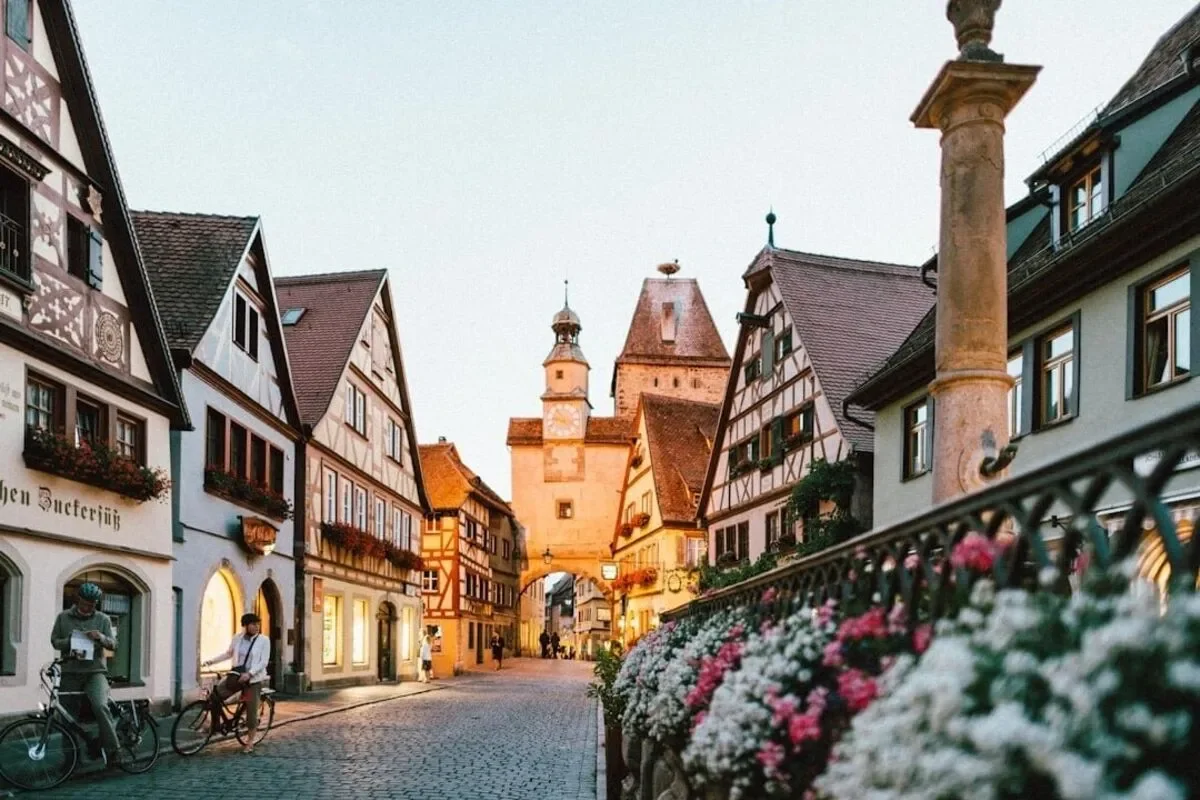
Magdeburg, capital of Saxony-Anhalt, sits on the banks of the Elbe River roughly 130 kilometers west of Berlin. Founded over 1,200 years ago and elevated to imperial significance by Otto the Great, who made it his favored residence and burial place, Magdeburg carries a weight of history disproportionate to its modest present-day profile. It became one of medieval Europe’s most important trading cities, a founding member of the Hanseatic League, and the birthplace of “Magdeburg Law” — a legal code that shaped urban governance across Central and Eastern Europe. The city was nearly obliterated in 1631 during the Thirty Years’ War and again in 1945 by Allied bombing, yet it rebuilt itself twice, leaving a striking architectural patchwork of Romanesque, Gothic, Baroque, and socialist-era design. Today Magdeburg is an underrated stop for travelers interested in German history without the crowds of Berlin or Dresden.
Magdeburg’s skyline and streets reveal layers of German history, from imperial cathedrals to Otto Dix expressionism and Bauhaus-adjacent design.
| Site | Opening Hours | Entry Fee |
|---|---|---|
| Magdeburg Cathedral | Mon–Sat 10:00–18:00, Sun 11:30–18:00 (shorter hours Nov–Mar) | Free entry; donations welcomed; crypt/tower tours ~€3–5 |
| Grüne Zitadelle | Courtyard accessible daily; guided tours ~11:00 & 14:00 | Guided tour approx. €8 |
| Kloster Unser Lieben Frauen (Art Museum) | Tue–Sun 10:00–17:00 | ~€5, reduced €3.50 |
| Jahrtausendturm (Elbauenpark) | Seasonal, generally Tue–Sun 10:00–18:00 (Apr–Oct) | ~€5 |
Most sites accept walk-ins without pre-booking, though the cathedral tower climb and Grüne Zitadelle guided tours can fill up on weekends, so arriving early or reserving via the tourist information office near the Alter Markt is worthwhile. Check magdeburg-tourist.de for current hours, as museum schedules shift seasonally.
Magdeburg Hauptbahnhof is well connected via Deutsche Bahn, with ICE and regional trains linking the city to Berlin (roughly 1h15m direct), Hannover (about 1h), and Leipzig (around 1h30m with a change). From the Hauptbahnhof, the old town and cathedral are a 15–20 minute walk, or a short ride on the extensive tram network (lines 1, 6, and 10 serve the center; single tickets around €2.50). Drivers can reach Magdeburg via the A2 (Berlin–Hannover) or A14 (Halle–Magdeburg) autobahns; parking garages cluster around the Allee-Center and Alter Markt, typically €1.50–2 per hour. The city also has a small airport (Magdeburg-Cochstedt), though most travelers fly into Berlin or Hannover and continue by train.
Late spring through early autumn (May–September) offers the best combination of mild weather and river activity along the Elbe, ideal for cycling the Elbe Cycle Route (Elberadweg), which passes directly through the city. The Magdeburger Christmarkt (Christmas market) from late November through December is one of the region’s most charming, set against the cathedral’s Gothic backdrop. The Kaiser-Otto-Fest in September celebrates the city’s imperial heritage with medieval markets and reenactments, while the Elbe in Flammen fireworks and river festival draws crowds each August.
Magdeburg rewards travelers willing to look past its unassuming reputation. Between the imperial cathedral, Hundertwasser’s final architectural statement, and the quiet drama of the Elbe, it offers a genuinely distinct slice of German history rarely crowded with tour buses.
Visit the cathedral on weekday mornings to avoid tour groups; explore the Elbufer promenade near Hubbrücke for quiet river views; dine in Sudenburg for authentic regional cuisine away from tourist prices.
Purchase a 24-hour transit day pass (Tageskarte) for unlimited city travel.
Discover curated walking tours, museum passes, and authentic experiences in Magdeburg with instant confirmation.