Düsseldorf
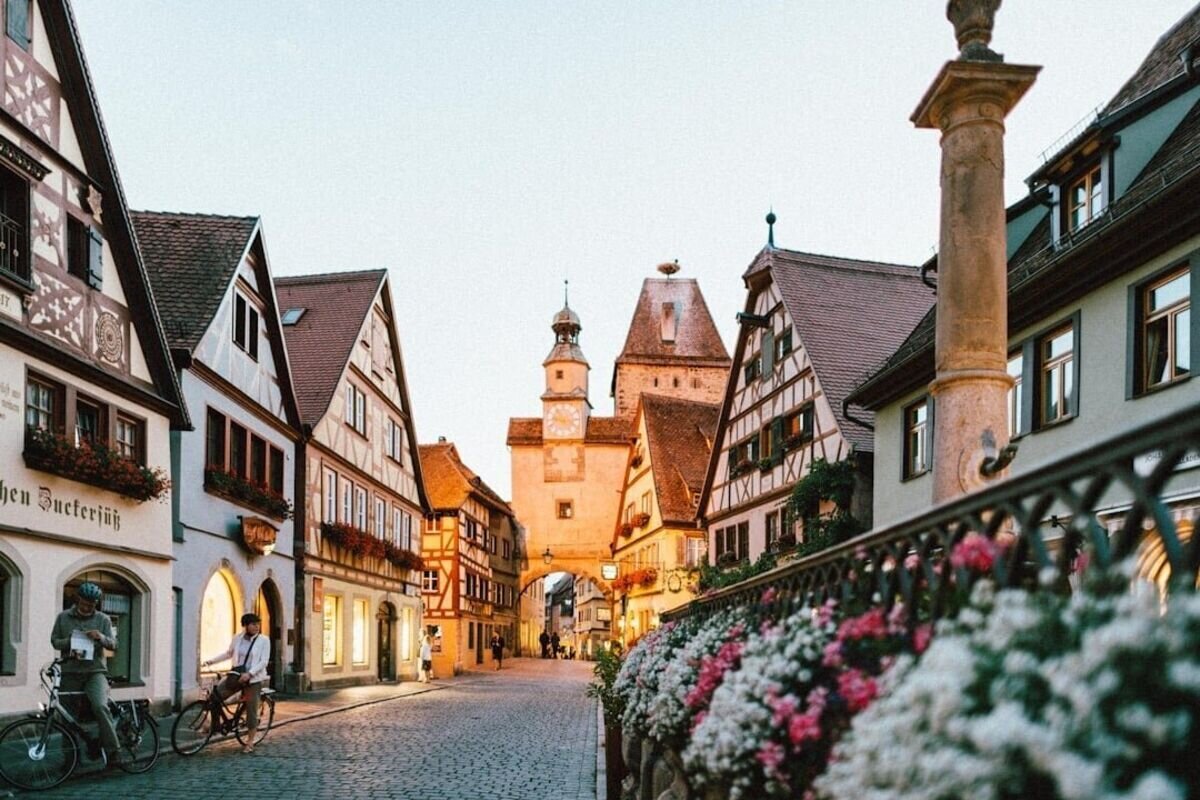
Düsseldorf, the capital of North Rhine-Westphalia, sits along the Rhine River as Germany’s undisputed capital of fashion, advertising, and contemporary art—yet it carries this status with a quiet, monied confidence rather than showy bravado. With roughly 620,000 residents, it’s a compact powerhouse: home to Japan’s largest community in continental Europe, a Michelin-starred dining scene per capita that rivals cities twice its size, and an Altstadt famously dubbed “the longest bar in the world.” First documented in 1135 and granted town rights in 1288, Düsseldorf grew from a modest Rhine crossing into the seat of the Dukes of Berg, then a 19th-century industrial and art hub, before its post-war reinvention as a global business and design capital.
Today the city balances old-world charm in its reconstructed Altstadt with the glass-and-steel ambition of the MedienHafen, making it an ideal stop for travelers who want culture, shopping, and Rhineland conviviality without the crowds of Berlin or Munich.
Top Highlights & Architectural Wonders
- Altstadt (Old Town) – A dense grid of cobbled lanes packed with over 260 bars serving Altbier, the city’s signature dark, copper-toned brew.
- Rheinturm – The 240.5-metre telecommunications tower offers panoramic Rhine views from its observation deck (~168m) and revolving restaurant.
- MedienHafen (Media Harbour) – A former industrial dock transformed into a striking architectural showcase, anchored by Frank Gehry’s undulating Neuer Zollhof buildings.
- Kunstsammlung Nordrhein-Westfalen (K20/K21) – World-class collections spanning Paul Klee, Picasso, and contemporary installations across two sites.
- Königsallee (“Kö”) – The tree-lined boulevard with a central canal, flanked by luxury boutiques and Belle Époque architecture.
- Schloss Benrath – An 18th-century pink pleasure palace with landscaped gardens, a short tram ride from the center.
- Japanese Quarter (EKO-Haus) – Reflecting Europe’s largest Japanese community, with authentic ramen shops, a Buddhist temple, and cherry blossoms each spring.
Practical Visitor Information
| Attraction | Opening Hours | Entry Fee |
|---|---|---|
| K20 Grabbeplatz | Tue–Fri 10:00–18:00, Sat–Sun 11:00–18:00 (closed Mon) | €12–14 (combined K20/K21 ticket ~€18) |
| Rheinturm | Daily 10:00–23:30 | €8.50 adults |
| Schloss Benrath | Tue–Sun 11:00–18:00 (seasonal changes) | €8 (park free) |
| Altstadt bars | Most open from midday, peak activity 18:00–late | Free entry; Altbier ~€2–2.50 |
Book K20/K21 tickets online in advance during exhibition openings to skip queues. A Düsseldorf Card (from €14.90/24h) bundles public transport with discounted museum entry and is worthwhile if visiting three or more sites in a day.
How to Get There
Düsseldorf Airport (DUS) is Germany’s third-busiest, with a SkyTrain shuttle connecting directly to Düsseldorf Hauptbahnhof in about 13 minutes. The Hauptbahnhof itself is a major ICE hub with frequent high-speed connections: Cologne (25 min), Frankfurt (1h15), Berlin (~4h), and Amsterdam (~2h30). Regional RE and S-Bahn trains (S1, S6, S11) link the city tightly with the Ruhr area and Cologne region. Within the city, the Rheinbahn network of U-Bahn, trams, and buses runs efficiently; single tickets cost around €3.20, with day tickets from €7.60. Drivers should note the Altstadt and much of the center is largely pedestrianized, with paid parking garages (€2–3/hour) near Kö-Bogen and the Hauptbahnhof.
Best Time to Visit & Seasonal Events
Late spring (May–June) and early autumn (September) bring pleasant Rhine-side weather without peak summer crowds. Carnival (Karneval), running from November 11th through Ash Wednesday and climaxing on Rosenmontag in February/March, transforms the Altstadt into a costumed street party rivaling Cologne’s. December’s Christmas markets—spread across seven themed locations from Marktplatz to Kö-Bogen—run late November through December 23rd. Japan Day in late May, one of Europe’s largest Japanese cultural festivals, draws over a million visitors for a Rhine-side fireworks finale.
Local Insider Tips
- Skip the touristy Kurze Straße bars and head to Bolkerstraße’s quieter side alleys, or cross to Oberkassel via the Rheinkniebrücke for local-favorite riverside cafés with skyline views.
- Order Altbier the correct way: don’t ask for a refill—your empty glass will be replaced automatically until you place a coaster on top to signal “stop.”
- For authentic, budget-friendly Japanese food, explore Immermannstraße near the Hauptbahnhof rather than pricier options near the Kö.
- Visit the Kunstpalast and NRW-Forum for free or reduced admission on the first Wednesday evening of the month at several city museums.
- Sunday mornings are ideal for a quiet Altstadt stroll before the bars fill up.
Nearby Excursions & Day Trips
- Cologne (25 min by train) – The Gothic Cologne Cathedral and Old Town.
- Zons (30 min by regional bus/train) – A remarkably preserved medieval walled town on the Rhine.
- Neanderthal Museum, Mettmann (30 min) – The site where Neanderthal remains were first discovered.
- Zeche Zollverein, Essen (45 min) – A UNESCO World Heritage former coal mine turned cultural complex.
- Aachen (1h15) – Charlemagne’s imperial city and cathedral, near the Dutch and Belgian borders.
💡 Essential Travel Tips
Place a coaster on your Altbier glass to stop refills; explore Immermannstraße for authentic Japanese food; visit Oberkassel for quieter riverside cafés
🥨 Local Insights & Food Culture
Purchase a 24-hour transit day pass (Tageskarte) for unlimited city travel.
🎟️ Top Activities & Experiences in Düsseldorf
Discover curated walking tours, museum passes, and authentic experiences in Düsseldorf with instant confirmation.