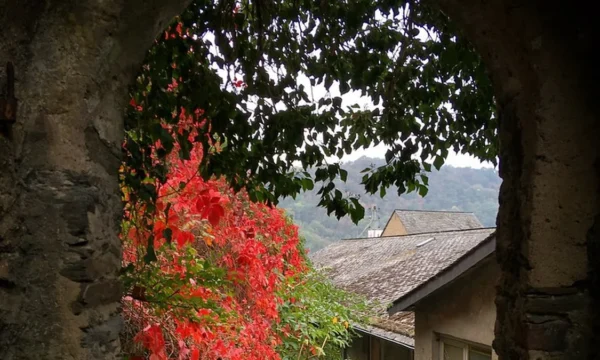
Middle Rhine Valley
The Middle Rhine Valley is a UNESCO World Heritage Site renowned for its spectacular…
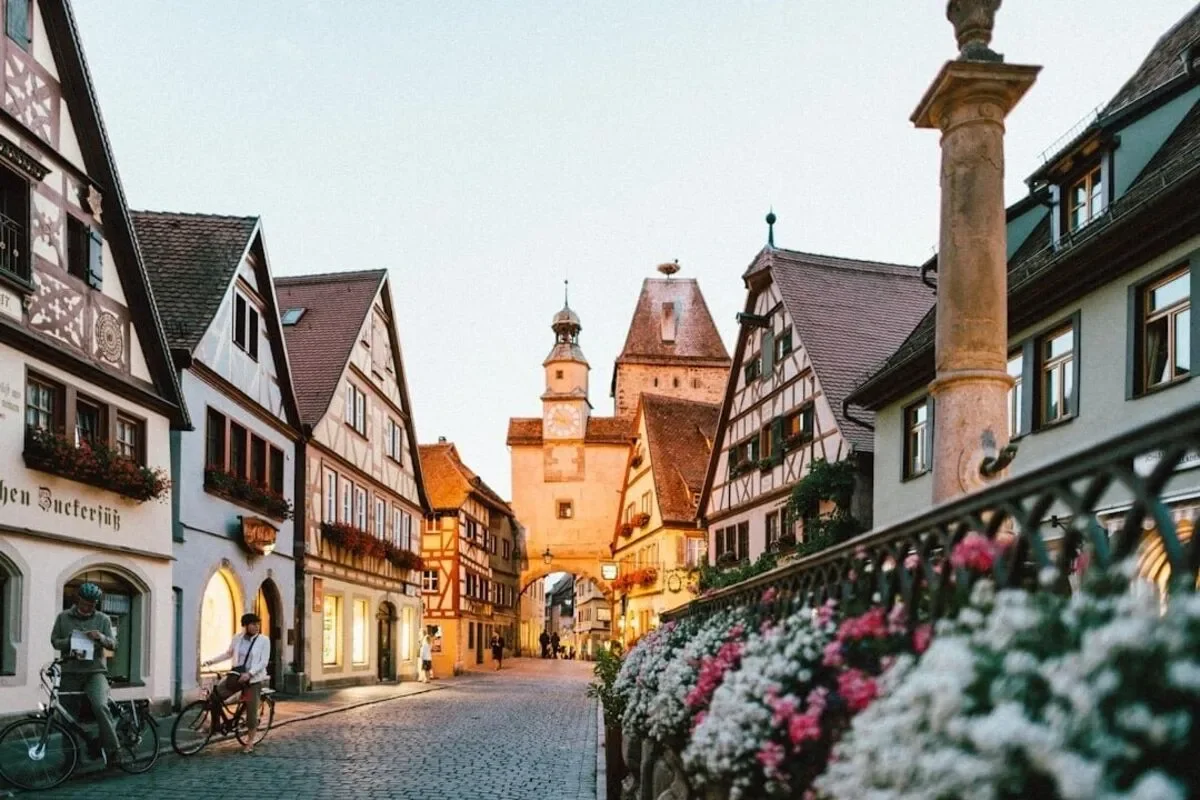
Mainz has watched over the confluence of the Rhine and Main rivers for more than two thousand years, and it wears that history with quiet confidence rather than theme-park polish. Founded as the Roman military camp Mogontiacum around 13 BC, the city grew into the seat of powerful archbishop-electors who ranked among the most influential figures in the Holy Roman Empire. It was here, around 1450, that Johannes Gutenberg perfected movable-type printing, an invention that changed the course of world history and still defines the city’s identity today. As the capital of Rhineland-Palatinate and home to around 217,000 residents, Mainz mixes a working state-government seat, a major university, and a historic old town into a compact, walkable riverside package that rewards visitors who look past its low-key reputation compared to nearby Frankfurt.
The unmissable landmark is the Mainz Cathedral (Mainzer Dom), a red sandstone giant that has dominated the skyline for over a thousand years and served as the coronation and burial church of the powerful Mainz archbishops. Its combination of Romanesque, Gothic, and Baroque elements, along with the attached cathedral museum, makes it one of the most architecturally layered churches in Germany.
| Site | Opening Hours | Entry Fee |
|---|---|---|
| Mainz Cathedral | Mon–Fri 9:00–18:30, Sat 9:00–16:00, Sun 12:45–15:00 & 16:00–18:30 (varies with services) | Free; museum €4 |
| Gutenberg Museum | Tue–Sat 9:00–17:00, Sun 11:00–17:00 | €5, reduced €2 |
| St. Stephan’s Church | Daily 10:00–17:00 (Nov–Mar), 10:00–18:00 (Apr–Oct) | Free, donations welcome |
| Citadel of Mainz | Grounds accessible daily, no fixed hours | Free |
| State Museum Mainz | Tue–Sun 10:00–17:00 (Wed until 20:00) | €6, reduced €4.50 |
Booking ahead is rarely necessary outside major festivals, though the Gutenberg Museum can get busy with school groups on weekday mornings—aim for early afternoon. Always check official websites before visiting, as hours shift seasonally and around religious holidays.
Mainz Hauptbahnhof sits on major DB InterCity and ICE lines, with direct connections to Frankfurt (20–30 minutes), Cologne, Stuttgart, and beyond. From Frankfurt Airport, regional trains (RB/RE) reach Mainz in around 25–35 minutes, making it an easy day trip or stopover. The city’s excellent tram and bus network (MVG) covers the old town and outer districts; single tickets cost around €3, with day passes available for around €7.50. Drivers can reach Mainz via the A60 and A63 autobahns, though the old town is largely pedestrianized—use the Parkhaus am Rathaus or Parkhaus Römisches Theater for central parking (approx. €2/hour).
Late spring through early autumn (May–September) brings the best weather for riverside walks and outdoor café culture along the Rhine promenade. Mainz is also famous for its exuberant Fastnacht (Carnival) celebrations in February, rivaling Cologne‘s festivities with parades and costumed processions. The Mainzer Weinmarkt (wine market) in late summer and the Christmas market from late November celebrate the city’s deep ties to Rheinhessen, Germany’s largest wine-growing region, right on its doorstep.
Mainz makes an ideal base for exploring the Rhine-Main region. Wiesbaden, the elegant spa capital of Hesse, is a 15-minute train ride away. Rüdesheim and the UNESCO-listed Rhine Gorge, with its castles and vineyards, are accessible by regional train or river cruise in under an hour. Wine lovers should venture into the surrounding Rheinhessen countryside, dotted with family-run wineries and historic villages like Nierstein and Oppenheim. Frankfurt, with its skyline and international airport, remains just a short train ride away for those extending their journey.
Visit St. Stephan's in late afternoon for best light on Chagall windows; explore Neustadt for authentic wine taverns; combine cathedral and Gutenberg Museum visits.
Purchase a 24-hour transit day pass (Tageskarte) for unlimited city travel.
Discover curated walking tours, museum passes, and authentic experiences in Mainz with instant confirmation.