
The Deutschlandticket is a monthly subscription that costs €63 per calendar month as of August 2026. It covers unlimited travel on local and regional public transport across Germany, but excludes long-distance ICE, IC, and EC trains.
Also written as the D-Ticket or Deutschland-Ticket, the pass replaced a patchwork of regional fare zones. Those zones once forced travelers to buy a new ticket whenever they crossed an invisible tariff border.
One subscription now works on a Berlin U-Bahn train, a Hamburg harbor ferry route, a Munich tram, and a regional train through the Rhine gorge.
For tourists and international visitors, the arithmetic is straightforward. A single €63 subscription covers every bus, tram, U-Bahn, S-Bahn, and regional train journey you take in Germany for one calendar month, which frequently costs less than three days of individual city tickets plus one regional trip.
The rules that catch people out concern long-distance rail, cancellation deadlines, and payment methods without a German bank account. The sections below explain which trains to board, when to cancel, and how to buy the pass from abroad.
Key Takeaways
- The pass costs €63 per calendar month and covers all local and regional transport nationwide, but never ICE, IC, or EC trains.
- It is sold only as an auto-renewing subscription; cancel by the 10th of a month to end it at that month’s close.
- International visitors can buy it through app-based providers using PayPal, Apple Pay, or a credit card without a German bank account.
What Transport Is Included Across Germany?
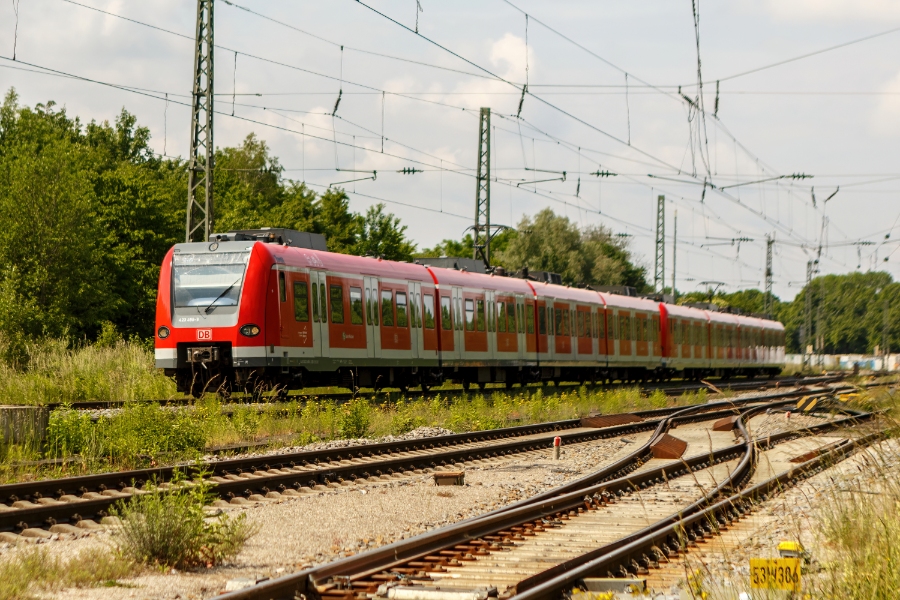
The pass is valid deutschlandweit (nationwide) on every participating local and regional service, regardless of which transport company or association issued the ticket. A pass bought in Munich works identically in Hamburg, and one bought through a Berlin provider works on a bus in rural Bavaria.
The two categories that matter are ÖPNV (öffentlicher Personennahverkehr, or local public transport) and SPNV (regional rail). Both are covered in second class, with no limit on the number of journeys.
Which Regional Trains Can You Use?

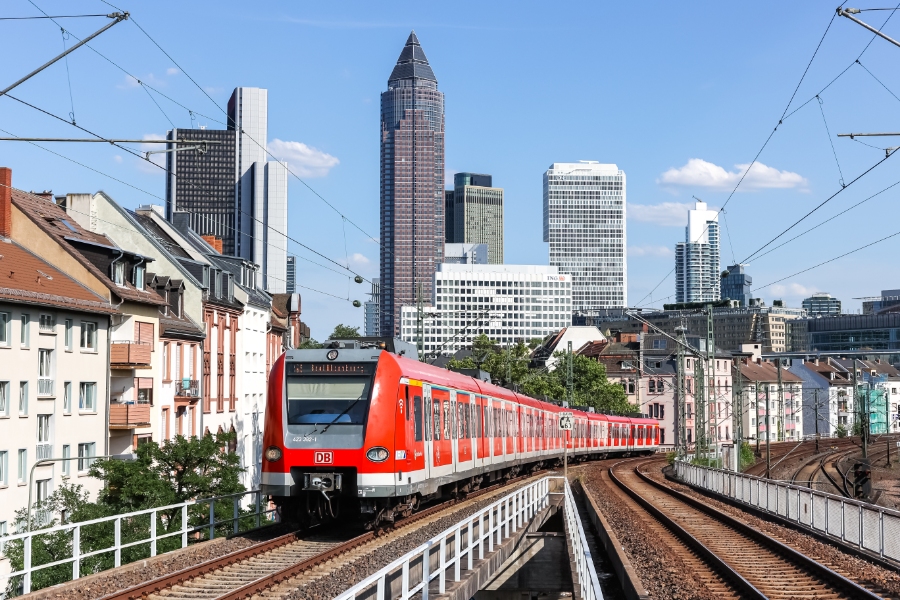
All Nahverkehrszüge (local and regional trains) are included: RB (Regionalbahn), RE (Regional-Express), and IRE (Interregio-Express), plus S-Bahn commuter rail in every metropolitan region.
These Regionalzüge stop more often than express services and run on almost every line in the country. A journey from Frankfurt am Main to Koblenz along the Middle Rhine Valley, for example, uses regional services from start to finish.
One narrow exception applies: RE services operated by DB Fernverkehr AG are excluded because the operating company belongs to the long-distance division. These trains are rare and journey planners flag them.
Are Buses, Trams, U-Bahn, and S-Bahn Included?

Yes. The pass covers all urban Verkehrsmittel (means of transport) run by participating operators, including city buses, Straßenbahnen (trams), U-Bahn subway lines, and S-Bahn trains.
Coverage extends to regional and night buses in most associations. Certain express airport buses and some ferry services charge surcharges set by the local association, so check the operator’s fare notice before boarding.
Does It Work in Berlin, Hamburg, Munich, and Frankfurt?
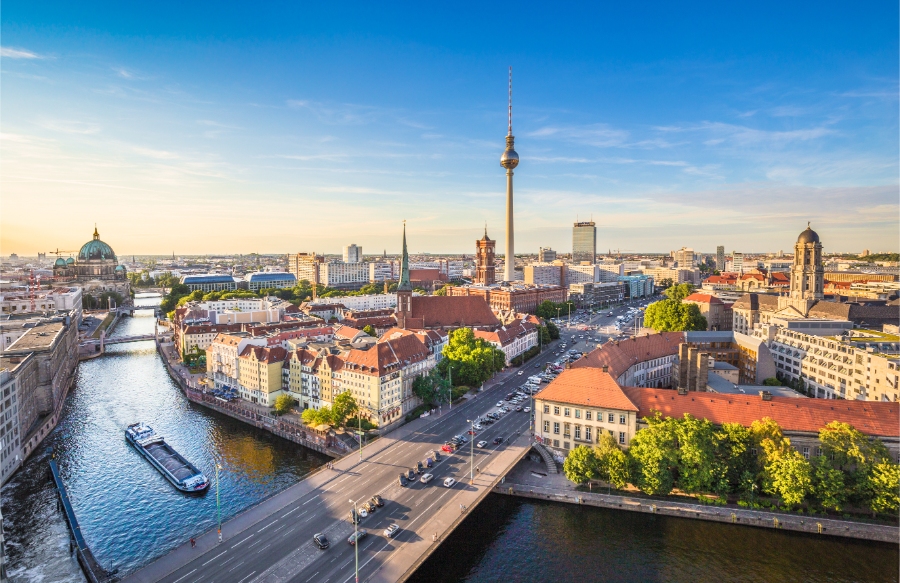
The pass covers the full network of every major city association, including BVG in Berlin, HVV in Hamburg, and MVG in Munich, along with the RMV network around Frankfurt am Main.
In Berlin, that means all zones A, B, and C, including the S-Bahn to Potsdam and Brandenburg Airport. Munich coverage reaches the outer MVV ring, so the S-Bahn to Herrsching or Freising costs nothing extra.
Which Cross-Border Routes Are Included?

A handful of regional lines cross into neighboring countries and remain valid to the first station abroad. Regional services from Munich toward Kufstein in Austria and from Bavaria’s Berchtesgadener Land toward Salzburg are the best-known examples.
Validity on these stretches depends on the operating association’s rules. Onward travel inside Austria requires a separate ticket.
What Is Excluded and When Do You Need Another Ticket?

Long-distance rail is the biggest exclusion. Any train operated by DB Fernverkehr AG or a private long-distance operator requires a separate ticket, and boarding one with only a D-Ticket counts as traveling without a valid fare.
Why Are ICE, IC, and EC Services Usually Excluded?

The pass is funded as a reduced-fare local transport offer, so it does not extend to the commercial Fernverkehr (long-distance) network.
That excludes ICE, IC, EC, and ECE trains, as well as FlixTrain services. The single published exception is the stretch between Rostock Hbf and Stralsund Hbf, where IC, EC, and ICE trains accept the ticket.
How Do You Combine Local Travel With Long-Distance Rail?
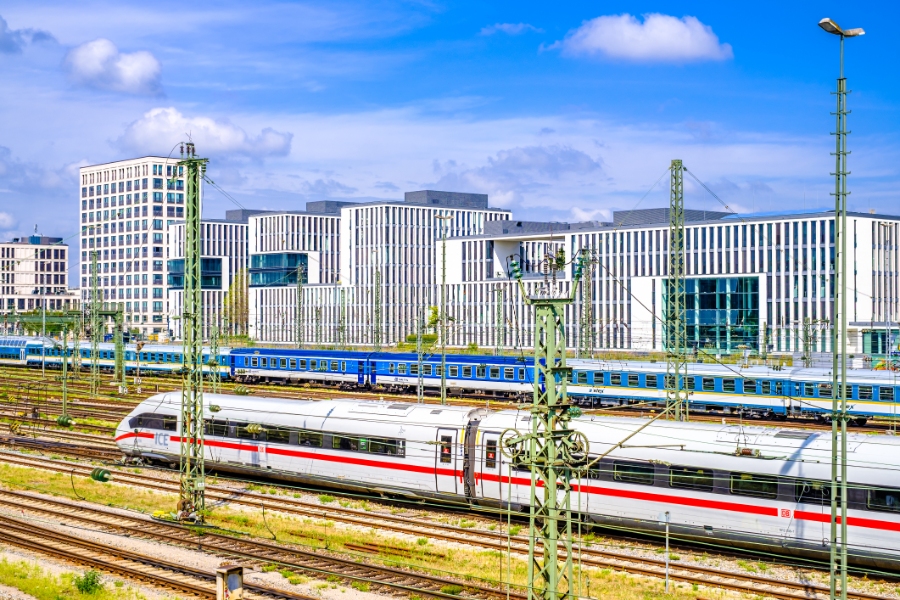
Use the D-Ticket for the local legs at each end and buy a separate long-distance ticket for the fast middle section. This is a common pattern for anyone traveling between Germany’s major cities on a tight schedule.
The consequence is legal, not just financial. Because the two tickets form separate contracts, a delayed regional train that makes you miss your ICE does not count as a broken connection, so no refund or rebooking claim arises.
Are Night Trains, Tourist Services, and Bikes Covered?
Nightjet and other night trains are long-distance services and require their own tickets. Vehicles operated mainly for tourist or historical purposes, such as heritage steam railways and some mountain lines, are excluded outright.
Bicycles follow local rules. Where a Fahrradticket (bike ticket) is required in a tariff area, D-Ticket holders must buy one; where bikes travel free, they travel free.
What Do Local Fare Rules Mean for Add-Ons?

Add-ons follow the Tarifbestimmungen (fare conditions) of the association whose area you are in, rather than one national rule.
Dogs subject to a fare need their own ticket. First-class upgrades are sold per journey or per month. Children under 6 travel free; from age 6 they need their own ticket, and no companion travel is included. Details for a given region are published on bahn.de.
How Much Does It Cost and How Does the Subscription Work?

The price is €63 per month, and the pass exists only as a monthly subscription (Abo) that renews automatically until you cancel it. Single-month paper tickets are not sold.
Why Is It Valid for Calendar Months?

Validity runs from the first day of a calendar month until 3:00 a.m. on the first day of the next month, regardless of when you subscribe.
Buying on the 20th of a month gives you eleven days of use for the full €63 in most cases. Some providers let a mid-month purchase start immediately for that month, though.
For trips of a week or less, regional day tickets often work out cheaper.
When Must You Cancel to Avoid Renewal?

Cancel by the 10th calendar day of a month to end the subscription on the last day of that same month. Miss the deadline, and the subscription renews for another full month at €63.
Deutsche Bahn customers cancel through the Aboportal or the “Cancel subscription” function beneath the mobile ticket in DB Navigator. App-based providers use their own in-app cancellation screen.
Set a phone reminder for the 8th or 9th, since the deadline is monatlich kündbar (cancelable monthly) only within that window.
Can Students and Employees Get a Different Rate?

Yes. Many employers offer a Jobticket. The company subsidizes at least 25 percent of the price, and the federal scheme adds a further 5 percent discount, bringing the monthly cost below €50.
Students at participating universities receive a semester-based version, sometimes bundled into their enrollment fee. Both variants come through the employer or university, not directly as a standard subscription.
Where Can Visitors Buy and Manage the Pass?

The ticket is digital only. It comes as an eTicket on a chip card or, more commonly, as a Handyticket (mobile phone ticket) with a scannable QR code.
You can purchase it through Deutsche Bahn, regional transport companies, or independent app providers.
Which Apps and Sales Channels Are Available?

Deutsche Bahn sells it through the DB Navigator app and DB Travel Centres. Regional operators such as BVG, HVV, and MVG sell their own branded versions.
Independent providers reach buyers who lack a German address. TicketPlus+, operated by Allride GmbH, sells through deutschlandticket.de and the TicketPlus+ app on the App Store and Google Play. Its express checkout takes a few minutes.
Can International Visitors Pay Without a German Bank Account?

Yes. App-based providers accept PayPal, Apple Pay, Google Pay, and Kreditkarte (credit card), so you don’t need a German SEPA mandate or local bank account.
Deutsche Bahn’s own subscription has historically leaned on SEPA direct debit, which makes third-party apps the practical route for most visitors. Registration needs an email address and a name, not a German residence permit.
How Do Apple Wallet and Google Wallet Ticket Displays Work?

Several providers let you add the ticket to Apple Wallet or Google Wallet, so the QR code opens without launching the full app.
The ticket activates at 3:00 a.m. on the 1st of the month it covers, even if you bought it weeks earlier. In DB Navigator, only the currently valid month appears, and the validity period updates automatically when the month changes.
Open the ticket so the QR code is visible, since inspectors scan that code.
How Do Provider Features Such as Pausing and Vouchers Differ?
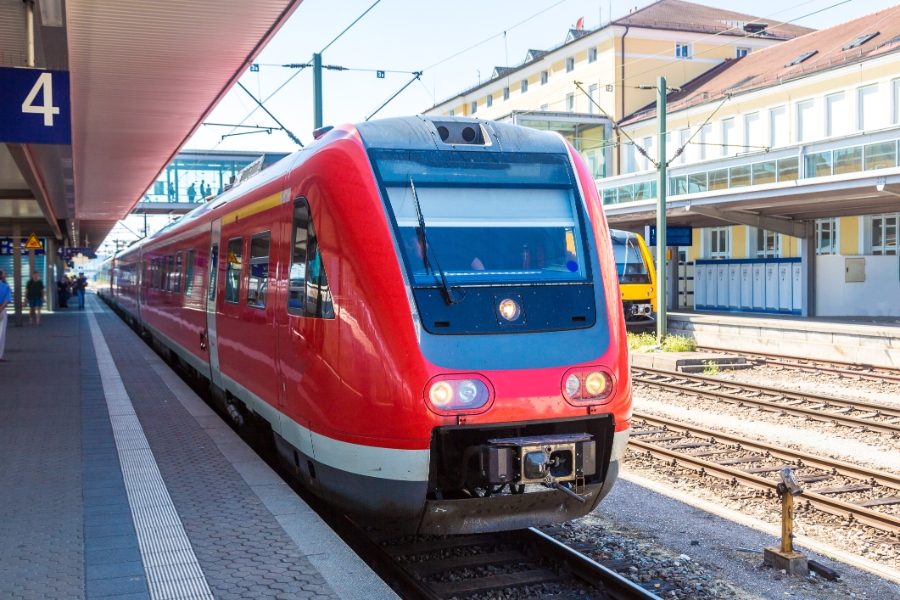
Extras come from each provider and aren’t part of the national ticket rules. Some offer a Neukunden-Bonus (new customer bonus) or a voucher, while others let you pause the subscription for a month.
TicketPlus+ advertises free monthly minutes with carsharing and scooter services such as TIER. That can help with the last stretch from a station like Hackescher Markt, but these commercial add-ons can change without notice.
How Do You Plan Efficient Journeys With the Pass?

Effective planning means filtering journey searches to regional-only connections and accepting longer travel times in exchange for zero marginal cost. On many corridors, the regional route adds less than an hour.
How Can DB Navigator Filter Eligible Connections?

Both DB Navigator and bahn.de include a filter that shows only connections valid with the pass. On the desktop site, it appears as a “Deutschland-Ticket connections only” toggle in the search options.
Switching it on removes every ICE and IC/EC result, so the remaining options cost nothing extra. Save frequent routes as favorites to avoid entering the filter again.
What Happens If a Regional Delay Causes You to Miss an ICE?

No connection guarantee applies because the D-Ticket and the long-distance ticket are separate contracts. You must rebook the long-distance leg yourself and pay any difference.
Delays within the regional network carry their own compensation. Arriving 60 minutes late entitles you to €1.50 per case, though amounts under €4 aren’t paid under the statutory minimum threshold.
Build in a 30-minute buffer before any long-distance departure.
When Is Regional Travel Better Than a Faster Long-Distance Route?

Regional routing wins on short and mid-length corridors where the time penalty is small. Berlin to Potsdam takes about 25 minutes on the S-Bahn or RE, with no long-distance alternative worth buying.
The Middle Rhine Valley between Koblenz and Bingen is served only by regional trains. They follow the riverbank past the castles that ICE routes bypass in a tunnel.
How Can You Use It for Day Trips From Major Cities?
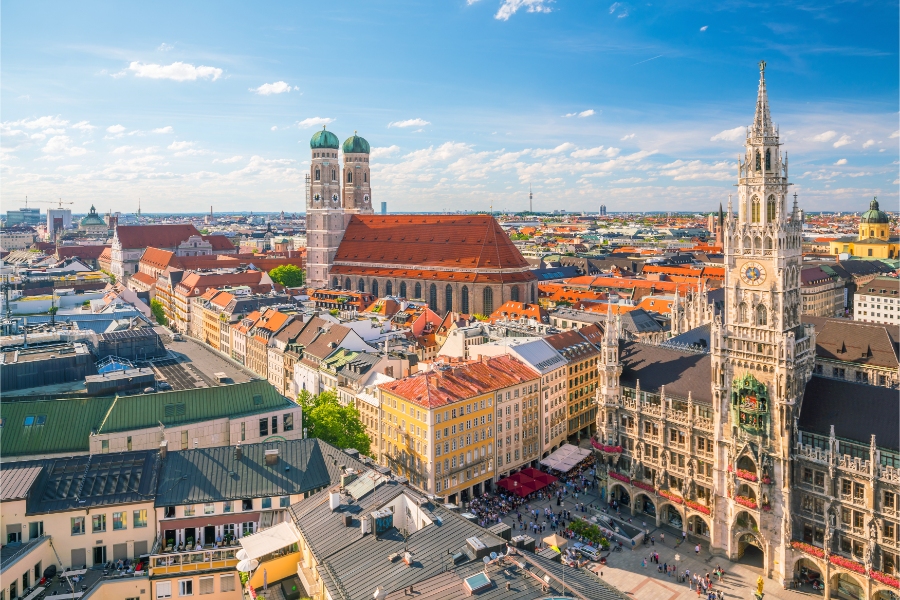
Every large city has regional destinations within 90 minutes. From Munich, RB and RE lines reach Garmisch-Partenkirchen for the Zugspitze cog railway. From Frankfurt am Main, Rüdesheim and Mainz sit on direct regional lines.
Hamburg connects to Lübeck in 45 minutes. Pairing these routes with destination research from Everything About Germany helps you match a train line with sites worth visiting, including Rothenburg ob der Tauber via a change at Steinach.
Frequently Asked Questions
Can tourists buy the Deutschlandticket?
Yes. Tourists and international visitors can subscribe without a German residence requirement, using app-based providers that accept international payment methods.
Because the ticket is sold only as an auto-renewing subscription, cancel it before the 10th of the month if you want just one month of travel.
Is the Deutschlandticket valid on ICE trains?
No. ICE, IC, EC, and ECE trains require a separate long-distance ticket. Boarding one with only a D-Ticket counts as traveling without a valid fare.
The one published exception is the section between Rostock Hbf and Stralsund Hbf.
Can I use the Deutschlandticket in Berlin, Munich, and Hamburg?
Yes, in all three cities, across the complete BVG, MVG, and HVV networks. That includes Berlin zones A, B, and C, the full MVV ring around Munich, and Hamburg’s buses, U-Bahn, S-Bahn, and included harbor ferry lines.
How do I cancel the Deutschlandticket subscription?
Cancel by the 10th calendar day of a month, and the subscription ends on the last day of that same month.
Deutsche Bahn subscribers can use the Aboportal or the cancellation function under the mobile ticket in DB Navigator. Other providers offer an equivalent in-app option.
Can I buy the Deutschlandticket without a German bank account?
Yes. Independent providers accept PayPal, Apple Pay, Google Pay, and credit cards, so you won’t need a SEPA direct debit mandate. You only need an email address and a payment method to register. The ticket activates at 3:00 a.m. on the 1st of the covered month.