
Last Verified: January 2025 | Next Update: July 2025
The German Half-Timbered Route (Deutsche Fachwerkstraße) connects over 100 medieval towns across 2,800 kilometers, showcasing 1,000 years of timber-frame architecture. This detailed itinerary covers the highlights in 7 days, with flexible options for shorter or longer trips.
Route Overview

Total distance: 2,800 km (full route) / 800 km (this itinerary)
Duration: 7 days (can be extended to 14 days)
States covered: Lower Saxony, Hesse, Thuringia, Bavaria, Baden-Württemberg
Best time: May-September (full opening hours)
Transportation: Car essential – public transport connections poor between smaller towns
What Most Guides Miss
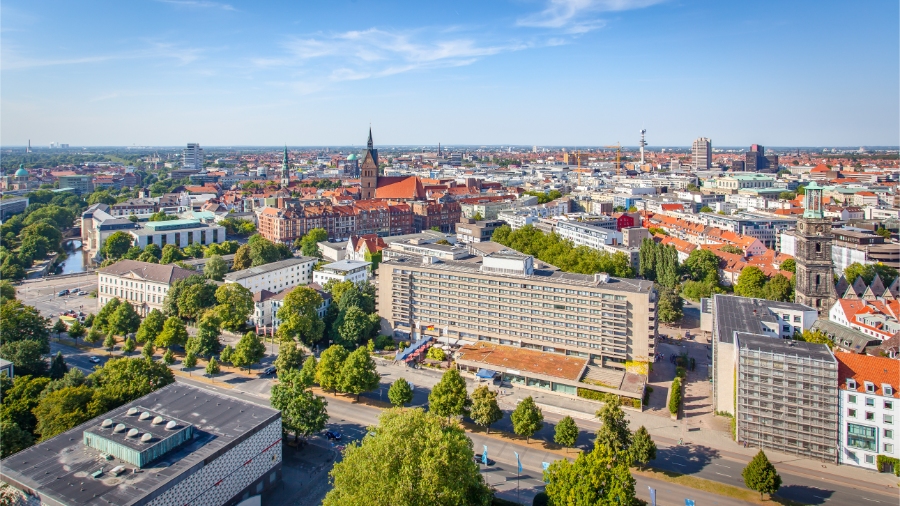
- Regional architectural variations: Different timber-frame styles by region and century
- Seasonal timing crucial: Many small museums close November-March
- Photography golden hours: Half-timbered houses look best in angled morning/evening light
- Accommodation strategy: Book medieval hotels early – limited authentic options
- Market day planning: Towns come alive on market days, dead on Sundays
Day 1: Hannover to Celle (Lower Saxony)

Driving distance: 40 km
Driving time: 45 minutes
Overnight: Celle
Morning: Hannover Departure

9:00 AM – Hannover Old Town
- Start at Kramerstraße: Germany’s last completely half-timbered street
- Market Hall (Markthalle): 1892 timber-frame market building
- Leibniz House: Baroque half-timbered reconstruction
- Duration: 2 hours
- Parking: Parkhaus am Maschsee (€2.50/hour)
Afternoon: Celle – Crown Jewel
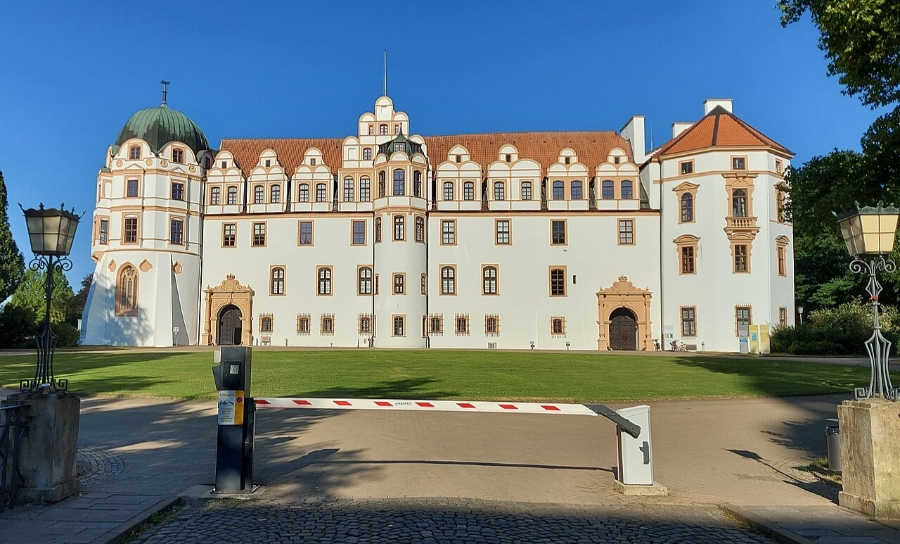
12:00 PM – Arrival in Celle
Must-see highlights:
- Celle Castle: Renaissance-Baroque palace with guided tours
- Old Town: 400+ half-timbered houses, largest ensemble in Lower Saxony
- Hoppener Haus (1532): Most photographed house in Celle
- Town Church: Gothic church with Baroque interior
- Bomann Museum: Regional history and half-timbered construction
Walking route (3 hours):
- Castle → Großer Plan (main square)
- Zöllnerstraße → Mauernstraße (densest historic area)
- Bergstraße → Runde Straße (artisan quarter)
- Speicherstraße → Poststraße (merchant houses)
Photography tips:
- Best light: 4-6 PM for warm timber tones
- Classic shots: Hoppener Haus reflection in shop windows
- Details: Carved beam decorations, window flower boxes
Evening in Celle

Accommodation: Hotel Celler Tor (historic half-timbered inn)
Dinner: Ratskeller Celle (medieval atmosphere, local cuisine)
Evening walk: Illuminated old town (lights on until 11 PM)
Day 2: Celle to Goslar (UNESCO Heritage)

Driving distance: 120 km
Driving time: 1.5 hours
Overnight: Goslar
Morning: Lüneburg Detour

9:00 AM – Lüneburg
- Am Sande: Historic market square with guild houses
- Water Quarter: Venice-like canals with half-timbered mills
- Salt Museum: Understanding wealth behind architecture
- Duration: 2.5 hours
Architectural highlights:
- Heinrich Heine House: Baroque half-timbered mansion
- Old Crane: Medieval harbor crane, timber-frame construction
- Brewery quarter: Working historic brewery district
Afternoon: Goslar UNESCO Site

1:00 PM – Arrival in Goslar
UNESCO significance: 1,000 years of mining history preserved in architecture
Must-see highlights:
- Market Square: Imperial Palace, Kaiserworth guild house
- Kaiserpfalz: 11th-century imperial palace
- Rammelsberg Mine: UNESCO World Heritage mining museum
- Timber-frame houses: Over 1,500 preserved buildings
Specialized walking tour (4 hours):
- Market Square → Kaiserpfalz (imperial history)
- Frankenberg Church → Petersberg (religious architecture)
- Bergstraße → Hoher Weg (merchant quarter)
- Rammelsberg (mining heritage, drive/bus required)
Technical details to notice:
- Post-and-beam construction: Different from other regions
- Decorative elements: Carved rosettes, diamond patterns
- Stone foundations: Local Harz stone mixed with timber
Evening in Goslar

Accommodation: Der Achtermann (historic hotel, 1490)
Dinner: Brauhaus Goslar (local beer, hearty meals)
Evening activity: Night watchman tour (German/English, 8 PM)
Day 3: Goslar to Quedlinburg (Sachsen-Anhalt)

Driving distance: 60 km
Driving time: 1 hour
Overnight: Quedlinburg
Morning: Wernigerode Steam Train

9:00 AM – Wernigerode
- Colorful Market Square: Rainbow of half-timbered houses
- Leaning House: Most crooked house in Germany
- Castle: Panoramic views over Harz Mountains
- Steam train option: Harzer Schmalspurbahnen to Brocken (day trip add-on)
- Duration: 3 hours
Afternoon: Quedlinburg – UNESCO Perfection

1:00 PM – Arrival in Quedlinburg
UNESCO status: Outstanding example of medieval European town
Statistics: 1,300 half-timbered houses, 6 centuries of architecture
Systematic exploration (4 hours):
Phase 1 – Castle Hill:
- Quedlinburg Castle: Romanesque collegiate church
- Castle Museum: Treasury, medieval artifacts
- Views: Panoramic over old town timber roofs
Phase 2 – Market Area:
- Market Square: Renaissance town hall
- Roland Statue: Symbol of medieval trading rights
- St. Benedikti Church: Gothic with Romanesque elements
Phase 3 – Residential Quarters:
- Wordgasse: Narrow medieval street
- Pölle: Historic stream with mill buildings
- New Town: 14th-century expansion area
Architectural timeline visible:
- 14th century: Simple post-and-beam
- 15th century: Decorative carved elements
- 16th century: Elaborate Renaissance details
- 17th century: Baroque influence
Evening in Quedlinburg
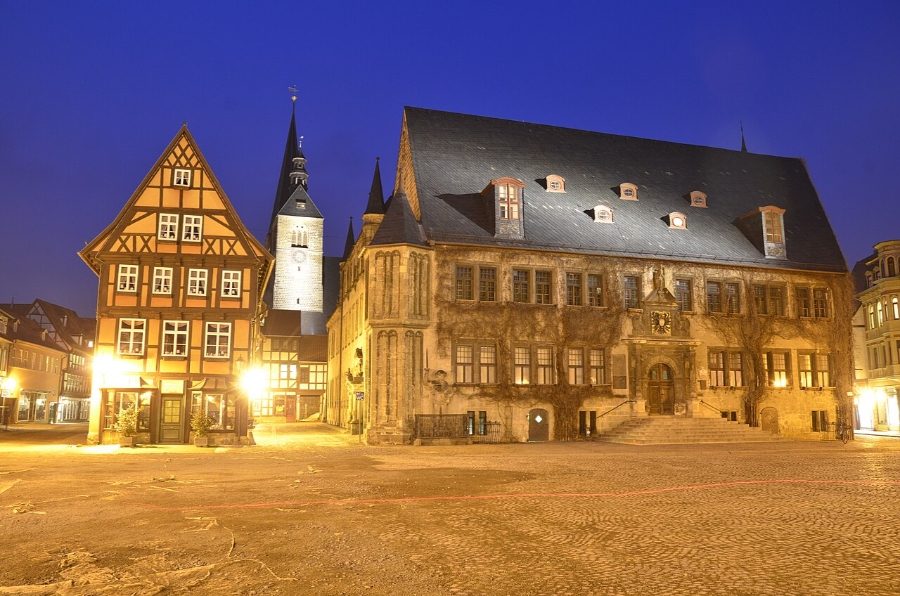
Accommodation: Hotel Domschatz (former monastery)
Dinner: Zum Bär (1350, oldest inn in Quedlinburg)
Evening walk: Illuminated UNESCO core (floodlit until midnight)
Day 4: Quedlinburg to Fulda (Hesse)

Driving time: 2 hours
Overnight: Fulda
Morning: Mühlhausen Detour

9:00 AM – Mühlhausen (Thuringia)
- Complete medieval wall: 2.5 km city fortification
- Thomas Münzer connection: Reformation history
- Half-timbered churches: Unique combination
- Duration: 2 hours
Afternoon: Bad Hersfeld to Fulda
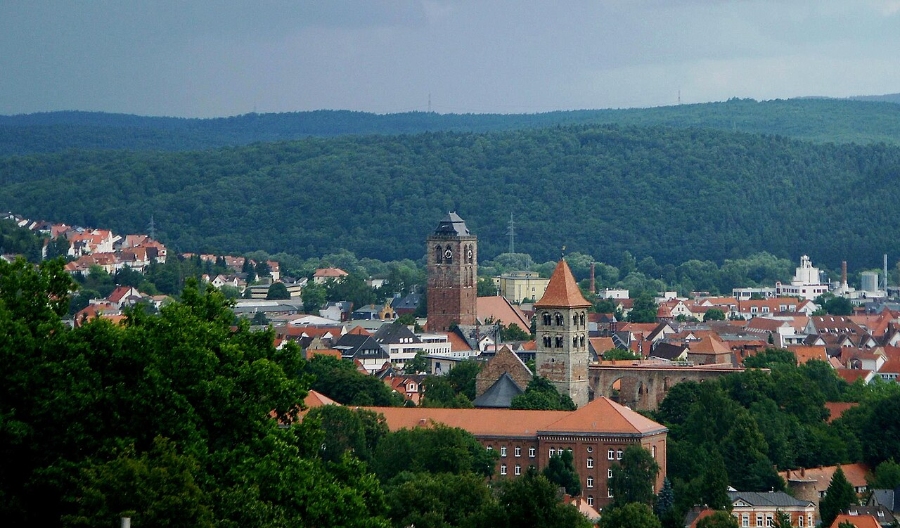
12:00 PM – Bad Hersfeld
- Abbey ruins: Largest Romanesque church ruin
- Festival theater: Summer classical music venue
- Old town: Compact half-timbered center
- Duration: 1.5 hours
2:00 PM – Fulda Arrival
Fulda highlights:
- Cathedral: Baroque masterpiece
- Palace: Prince-bishops’ residence
- Old town: Mix of half-timber and baroque
- Benedictine heritage: 1,300 years of religious architecture
Fulda walking route (3 hours):
- Cathedral Square → Palace Gardens
- Universitätsplatz → Kanalstraße (canal district)
- Heinrichstraße → Löherstraße (artisan quarter)
- Municipal Museum: Half-timbered construction techniques
Evening in Fulda

Accommodation: Hotel Esperanto (Art Nouveau, central)
Dinner: Ratskeller Fulda (vaulted cellar restaurant)
Cultural option: Fulda Symphony (seasonal concerts)
Day 5: Fulda to Marburg (Hesse Heartland)
Driving distance: 100 km
Driving time: 1.5 hours
Overnight: Marburg
Morning: Alsfeld – Fairytale Town

9:00 AM – Alsfeld
Fairytale connection: Brothers Grimm collected stories here
Little Red Riding Hood: Town mascot and themed trail
Alsfeld highlights:
- Market Square: Perfect Renaissance ensemble
- Town Hall (1512-1516): Iconic stepped gable
- Wine House: Decorative half-timbered guildhall
- Walpurgis Church: Gothic with half-timbered elements
Photographic opportunities:
- Classic view: Town Hall with market fountain
- Residential streets: Authentic lived-in half-timber
- Detail shots: Carved beam decorations, window shutters
- Duration: 2.5 hours
Afternoon: Marburg University Town

1:00 PM – Arrival in Marburg
University heritage: Germany’s oldest Protestant university (1527)
Architecture mix: Medieval, half-timbered, modern academic
Marburg exploration (4 hours):
Lower Town (Unterstadt):
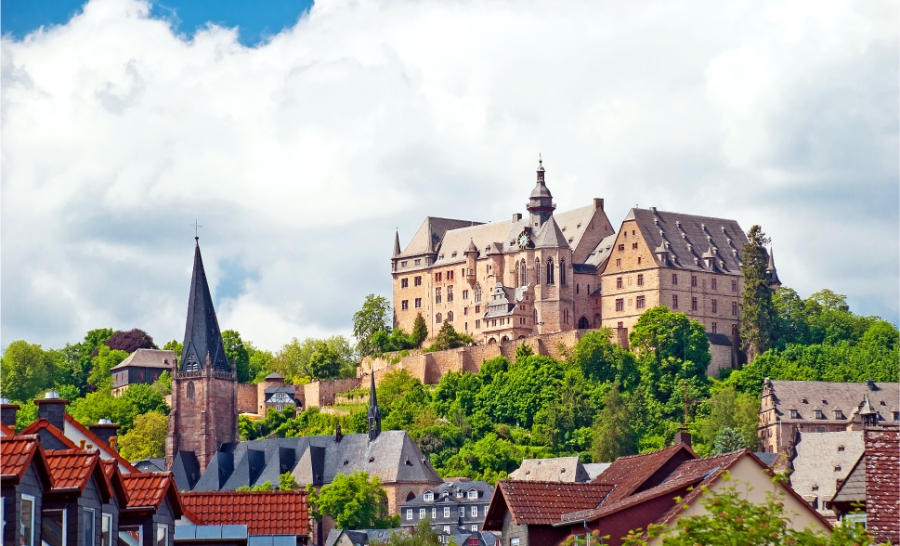
- Market Square: Gothic town hall, half-timbered guilds
- University buildings: Historic lecture halls
- Ketzerbach: Stream with mill buildings
Upper Town (Oberstadt):
- Landgrave Castle: Panoramic fortress
- St. Elizabeth Church: Pure Gothic, pilgrimage site
- Steep medieval streets: Authentic urban climb
Student quarter:
- Barfüßerstraße: Half-timbered pubs and cafes
- University library: Modern architecture contrast
- Botanical garden: University research facility
Evening in Marburg

Accommodation: Villa Vita Rosenpark (spa hotel, gardens)
Dinner: Roter Stern (traditional student pub, 1548)
Nightlife: Student bars in half-timbered buildings
Day 6: Marburg to Rothenburg ob der Tauber (Bavaria)
Driving distance: 200 km
Driving time: 2.5 hours
Overnight: Rothenburg
Morning: Fritzlar Detour
9:00 AM – Fritzlar
- St. Peter’s Cathedral: Romanesque-Gothic masterpiece
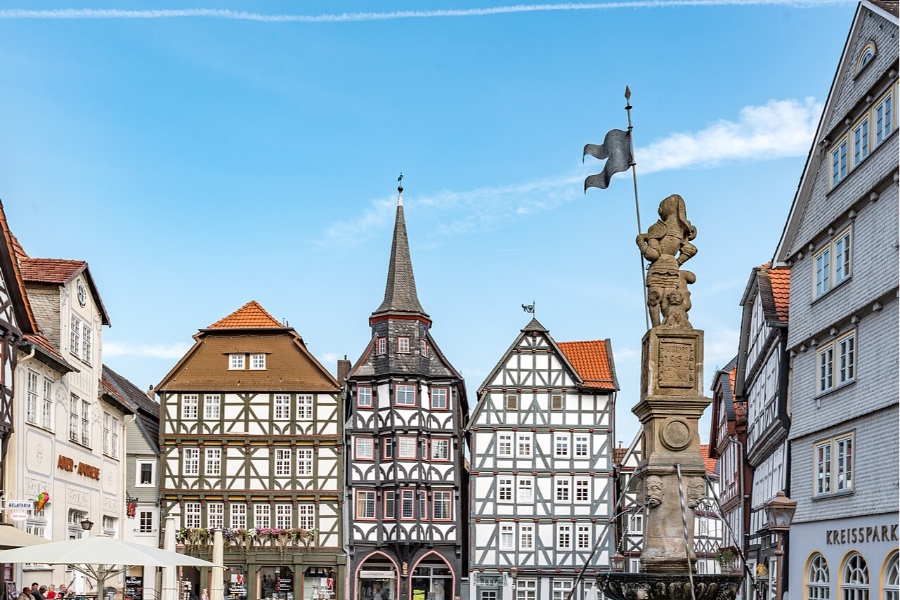
- Market Square: Perfectly preserved medieval ensemble
- City fortification: Complete medieval walls with towers
- Duration: 2 hours
Afternoon: Rothenburg – Tourism Icon
1:30 PM – Arrival in Rothenburg ob der Tauber
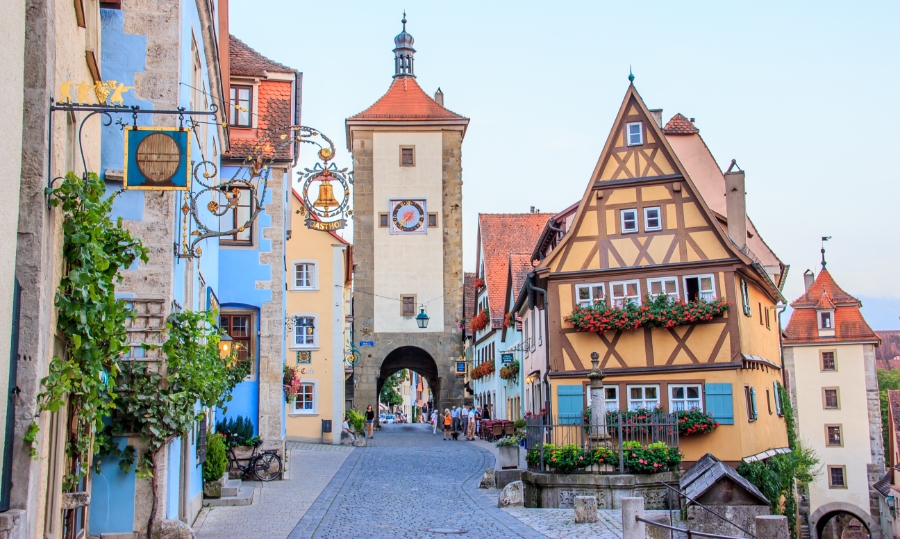
Warning: Extremely touristy but architecturally essential
Strategy: Visit early morning or late afternoon for photos
Rothenburg systematic tour (4 hours):
Phase 1 – Iconic Views:
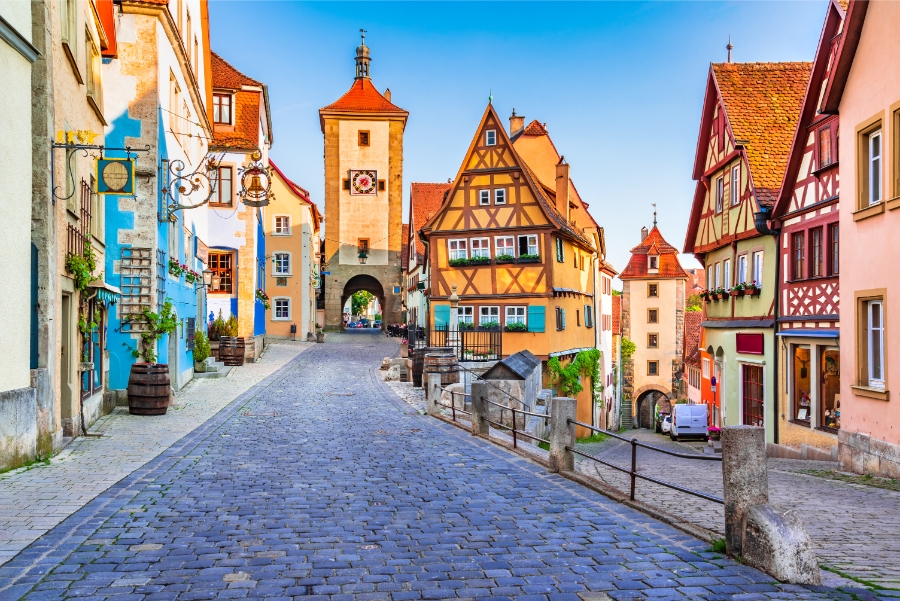
- Plönlein: Most photographed corner in Germany
- Town walls: Complete 2.5 km medieval fortification
- Castle Garden: Panoramic valley views
Phase 2 – Market Area:
- Market Square: Gothic and Renaissance town hall
- St. James Church: Riemenschneider altar masterpiece
- Historic shops: Overpriced but atmospheric
Phase 3 – Residential Exploration:
- Herrngasse: Patrician houses
- Obere Schmiedgasse: Artisan quarter
- Burggasse: Approaching castle area
Rothenburg specialties:
- Schneeballen: Local pastry (tourist trap but try once)
- Medieval Museum: Torture devices, authentic interiors
- Night watchman tour: English-language, entertaining
Evening in Rothenburg

Accommodation: Hotel Reichs-Küchenmeister (1608)
Dinner: Gasthof Goldener Hirsch (avoid tourist menus)
Evening activity: Wall walk by sunset (golden hour photography)
Day 7: Rothenburg to Esslingen (Baden-Württemberg)

Driving distance: 150 km
Driving time: 2 hours
Overnight: Esslingen or return
Morning: Dinkelsbühl – Authentic Alternative

9:00 AM – Dinkelsbühl
Advantage over Rothenburg: Less touristy, more authentic
Complete medieval town: Walls, gates, half-timber intact
Dinkelsbühl highlights:
- St. George’s Minster: Late Gothic hall church
- Wine Market: Colorful half-timbered ensemble
- Museum of the 3rd Dimension: Unique optical illusions
- City walls walk: Less crowded than Rothenburg
- Duration: 2.5 hours
Afternoon: Esslingen – Wine Country Half-Timber

1:00 PM – Arrival in Esslingen am Neckar
Specialization: Wine-growing half-timbered town
Architecture style: Swabian timber-frame variations
Esslingen exploration (4 hours):
Old Town Core:
- Market Square: Gothic church, Renaissance fountain
- Old Town Hall: 15th-century half-timbered masterpiece
- Hafenmarkt: Medieval harbor area
Wine Quarter:
- Vineyard terraces: Terraced vineyards above town
- Wine cellars: Historic wine storage in timber buildings
- Weinbergweg: Scenic walk through vineyards
Industrial heritage:
- Textiles quarter: 19th-century industrial half-timber
- Canal system: Historic mills and workshops
- Modern contrast: Contemporary architecture integration
Return Journey Options
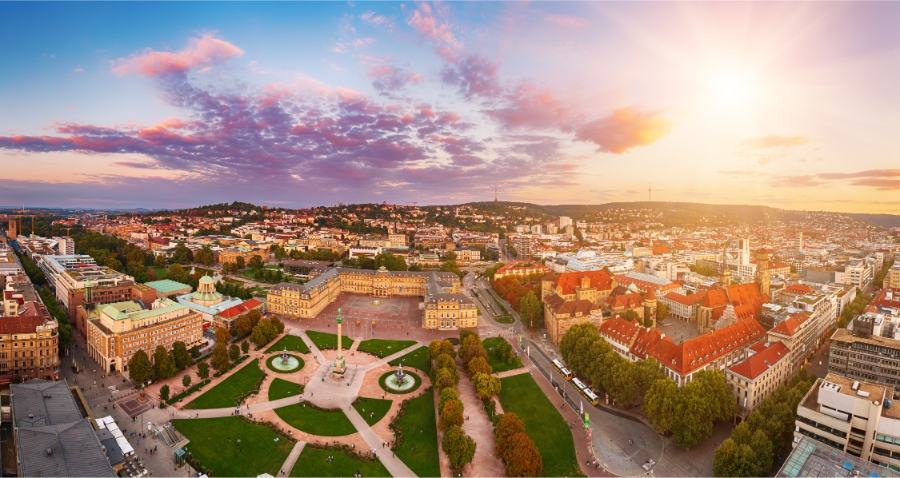
Option 1: Stuttgart Airport (20 km)
- International flight connections
- Car rental return
Option 2: Continue South
- Tübingen: University town extension
- Constance: Lake Constance medieval towns
- Black Forest: Different architectural style
Option 3: Return North
- Frankfurt: Major airport hub
- Cologne: Rhine Valley route
- Hamburg: Northern completion
Accommodation Strategy
Historic Hotels (Recommended)

Advantages: Authentic experience, period furnishings
Book ahead: Limited rooms, popular with enthusiasts
Price range: €80-200 per night
Best historic properties:
- Celle: Hotel Celler Tor (1550)
- Goslar: Der Achtermann (1490)
- Quedlinburg: Hotel Domschatz (monastery conversion)
- Rothenburg: Reichs-Küchenmeister (1608)
Modern Alternatives
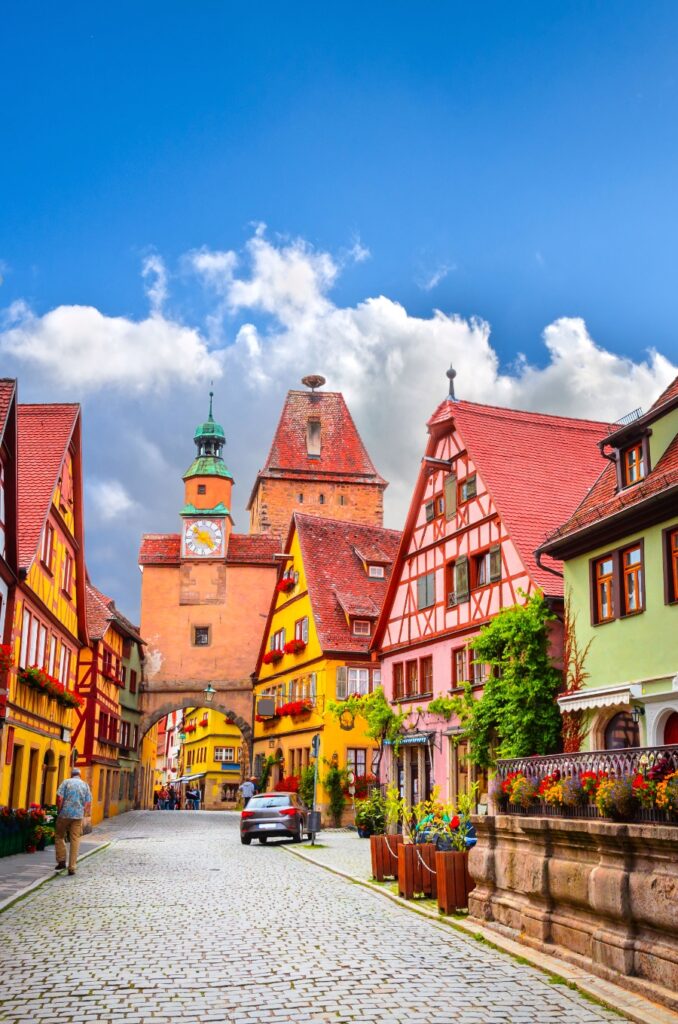
Advantages: Reliable comfort, parking, modern amenities
Chain hotels: Available in larger towns
Price range: €60-120 per night
Unique Stays

Castle hotels: Schlosshotel options in some locations
Monastery conversions: Former religious buildings
Working farms: Rural half-timbered farmhouse stays
Transportation Details
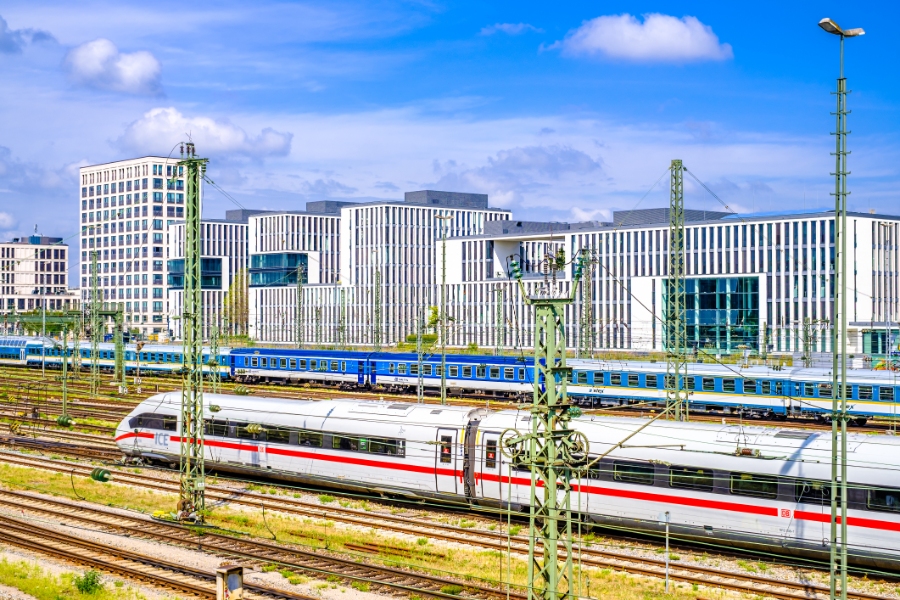
Driving Requirements
International license: Required for non-EU drivers
GPS navigation: Essential – many towns poorly signposted
Parking strategy: Historic centers often pedestrian-only
Fuel planning: Smaller towns have limited gas stations
Parking Solutions
Park-and-ride: Larger towns offer peripheral parking
Hotel parking: Book ahead, often limited spaces
Public lots: Usually well-marked, €2-5 per day
Street parking: Time-limited, meter feeding required
Alternative: Organized Tours

Bus tours: Multi-day packages available
Advantages: No driving stress, expert guides
Disadvantages: Limited time, group schedules
Operators: Scenic Tours, Globus, Trafalgar
Photography Guide
Technical Settings

Golden hour: 1-2 hours after sunrise, before sunset
Equipment: Wide-angle for squares, telephoto for details
Tripod: Essential for sharp architectural details
Filters: Polarizing filter reduces reflections, enhances timber
Composition Tips

Leading lines: Use cobblestone streets to lead to buildings
Framing: Use archways, windows to frame distant half-timber
Scale: Include people for size reference
Details: Close-ups of carved beam decorations, hardware
Weather Considerations

Overcast days: Even lighting, good for detail photography
Sunny weather: Strong shadows, dramatic but challenging
Rain: Wet cobblestones create reflections
Snow: Transforms appearance, but many sites closed
Cultural Context
Half-Timbered Construction Evolution
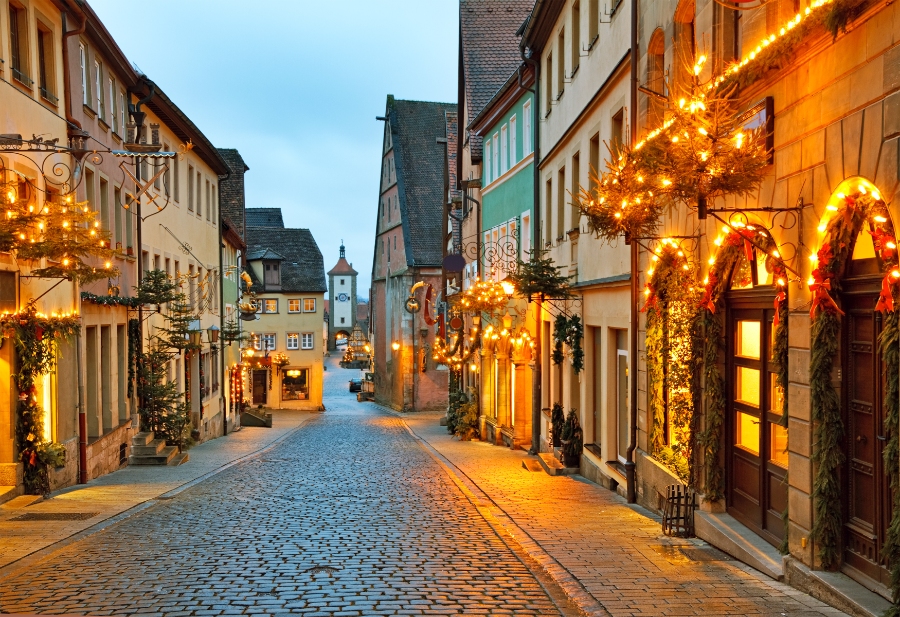
14th century: Simple post-and-beam, functional
15th century: Decorative elements appear
16th century: Renaissance influences, elaborate carving
17th century: Baroque integration
19th century: Romantic revival, restoration movement
20th century: UNESCO recognition, preservation focus
Regional Variations

Lower Saxony: Larger timber pieces, simple decoration
Hesse: Mixed materials, elaborate carving
Thuringia: Post-medieval reconstruction, uniform styles
Bavaria: Integration with stone, castle influences
Baden-Württemberg: Wine country adaptations, terraced construction
Social History

Guild system: Different crafts, different house styles
Wealth display: Elaborate carving showed prosperity
Fire prevention: Building codes evolved after major fires
Wars impact: Many towns rebuilt after destruction
Preservation: 20th-century heritage movement
Budget Planning
Transportation
Car rental: €35-60 per day
Fuel: €150-200 for full itinerary
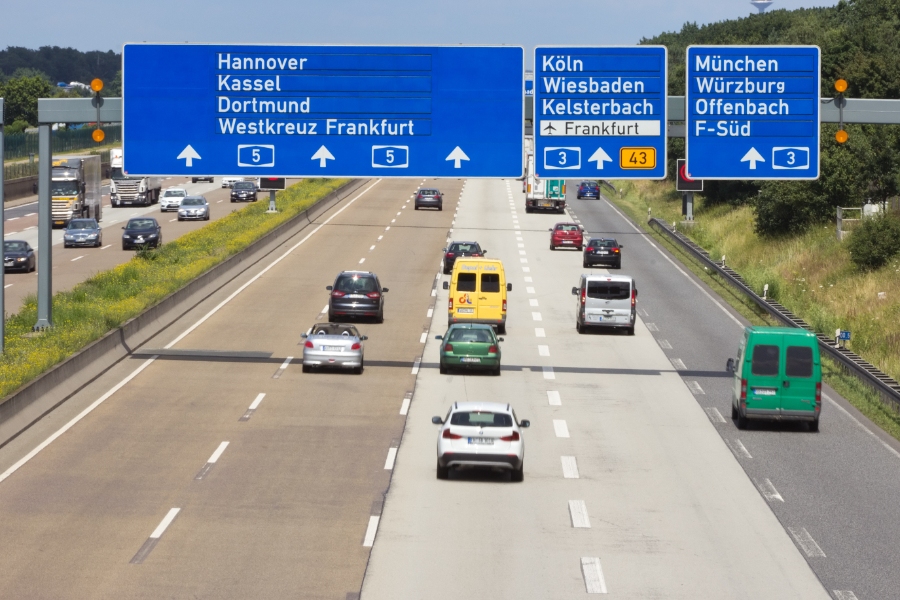
Tolls: None in Germany
Parking: €5-10 per day
Accommodation

Historic hotels: €100-180 per night
Standard hotels: €70-120 per night
Total for 7 nights: €490-1,260
Meals

Breakfast: Often included in hotels
Lunch: €12-18 per person
Dinner: €20-35 per person
Daily food budget: €35-55 per person
Activities

Museum entries: €3-8 per site
Castle tours: €5-12 per person
Walking tours: €10-15 per person
Total activities: €50-100 per person
Total Budget (2 people, 7 days)

Economy version: €1,200-1,500
Comfortable version: €1,800-2,500
Luxury version: €2,800-4,000
Seasonal Planning
Peak Season (June-August)

Advantages: All attractions open, longest days, warmest weather
Disadvantages: Crowds, higher prices, parking difficulties
Booking: Reserve 2-3 months ahead
Photography: Early morning essential for crowd-free shots
Shoulder Season (May, September)

Advantages: Good weather, fewer crowds, moderate prices
Disadvantages: Some seasonal closures
Booking: 4-6 weeks ahead sufficient
Photography: Excellent light, comfortable temperatures
Off-Season (October-April)

Advantages: Authentic atmosphere, lowest prices, no crowds
Disadvantages: Weather unpredictable, many closures
Booking: Last-minute possible
Photography: Winter shots possible, but limited hours
Expert Recommendations
Must-Do Experiences

- Sunrise in Celle: Empty streets, golden timber light
- Quedlinburg UNESCO walk: Most complete medieval ensemble
- Rothenburg walls: Complete circuit for perspective
- Alsfeld market day: Towns come alive on market days
- Evening illuminations: Many towns light historic centers
Hidden Gems
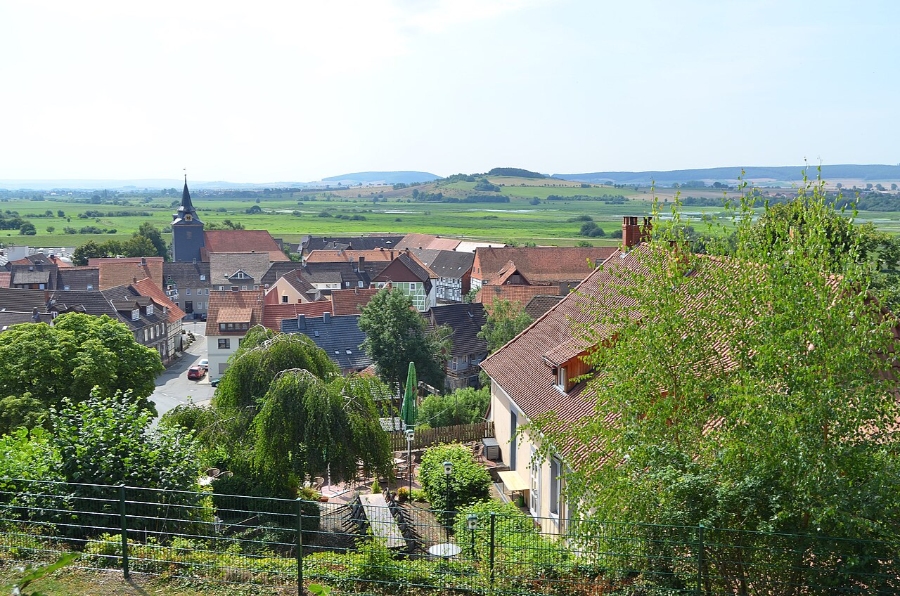
Einbeck: Brewery town with 600+ half-timbered houses
Hameln: Pied Piper connection, excellent preservation
Limburg: Cathedral town, architectural diversity
Bad Wimpfen: Hilltop location, panoramic views
Common Mistakes

Over-scheduling: Half-timbered towns deserve slow exploration
Sunday visits: Many shops/attractions closed
Tourist trap restaurants: Seek local recommendations
Rush photography: Golden hour timing is crucial
Ignoring regional differences: Each area has unique characteristics
Professional Tips

- “Visit market squares during market days – towns transform”
- “Early morning photography beats any other time – no crowds, soft light”
- “Stay in historic hotels – modern chains miss the authentic experience”
- “Learn basic architectural terms – enhances appreciation dramatically”
Last verified: January 2025
Sources: German Timber-Frame Road Association, UNESCO Germany, German Tourism Board
More German scenic routes: Explore our Romantic Road Complete Guide for fairy-tale castles, or our Rhine Valley Wine Route for vineyard landscapes and historic towns.