German bread culture, or Brotkultur, covers the daily habits, regional loaves, and baking craft surrounding bread across Germany. Germany added it to its nationwide inventory of intangible cultural heritage in 2014.
That listing is national, maintained by German cultural authorities. It remains separate from the UNESCO international lists that people often confuse it with.
The numbers behind the listing are unusual. According to the German Bread Institute (Deutsches Brotinstitut, sometimes called the German Institute for Bread), more than 3,000 types of bread and baked goods are sold in Germany every day. The guild-maintained bread register documented 3,023 specialties as of 2024.
Learning a handful of grain categories, a few regional roll names, and the rhythm of the German meal day gives a traveler almost everything needed to walk into any Bäckerei and order well.
That knowledge also says something about the country itself. Rye grew where wheat struggled, so the cold, damp north built its diet around dark sour loaves. The warmer south leaned into wheat, pretzels, and pale rolls.
Key Takeaways
- German bread culture joined Germany’s national inventory of intangible cultural heritage in 2014, with over 3,000 varieties sold daily.
- Rye, sourdough, and long fermentation give German loaves their dark crumb, tangy flavor, and long shelf life.
- Regional vocabulary changes the name of the same bread roll across Berlin, Bavaria, and the southwest.
Why Does Bread Hold Such a Central Place in German Life?
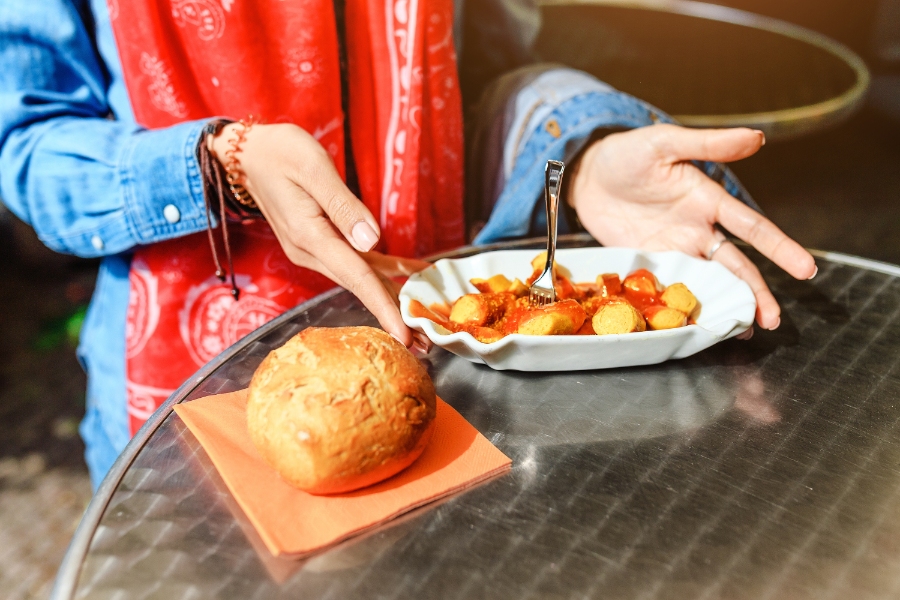
Bread anchors two of the three German meals of the day, so most households buy or eat it daily. Breakfast and the evening meal both center on sliced loaves and rolls, while school lunches often travel as wrapped sandwiches.
From Frühstück to Abendbrot
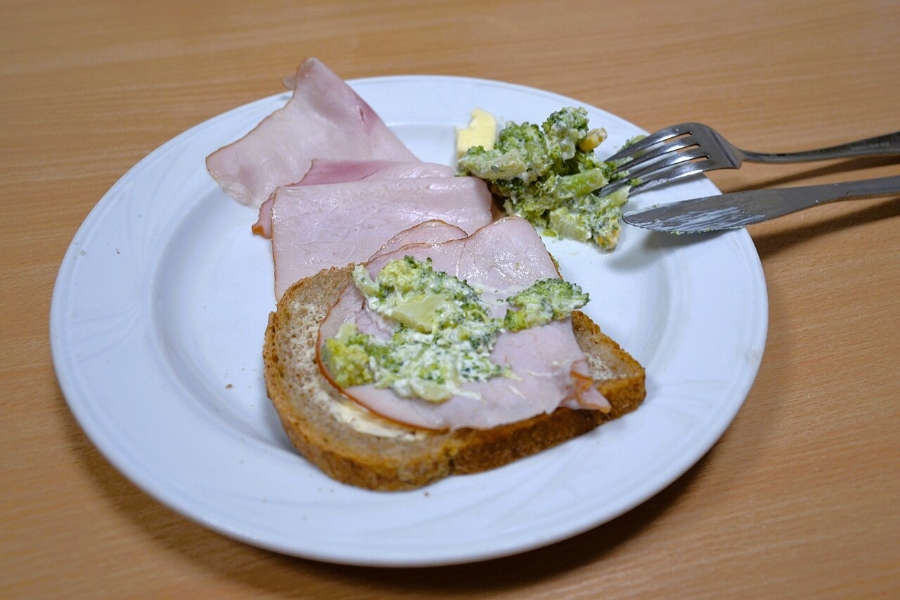
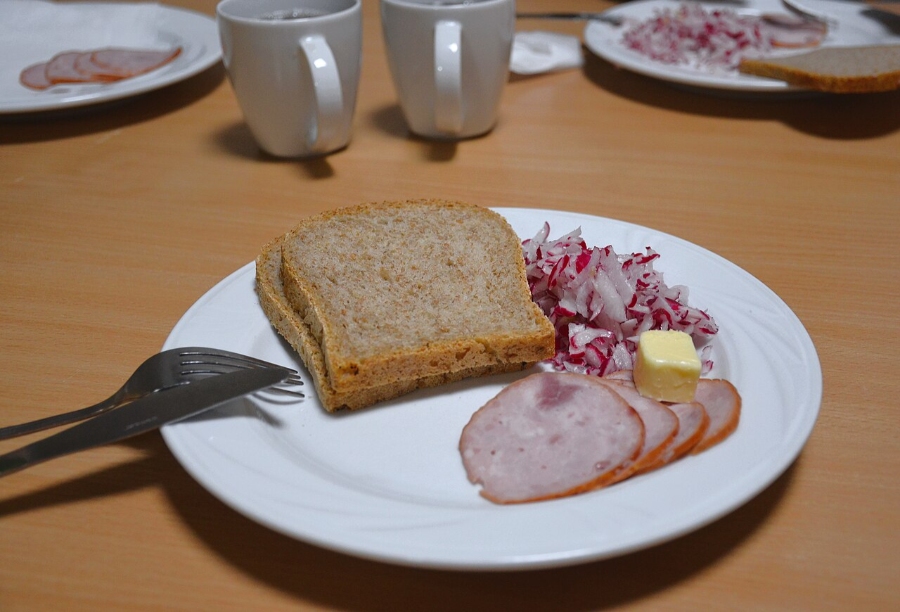
Frühstück, the German breakfast, sets out rolls or sliced bread with butter, jam, cold cuts, cheese, and boiled eggs. Weekend versions can stretch for an hour or more.
Abendbrot means “evening bread,” and the name is literal. Instead of a cooked dinner, many households serve a cold spread of dark bread, sausage, cheese, and pickles in the early evening. The hot meal often comes at midday.
Pausenbrot and Everyday Bread Rituals
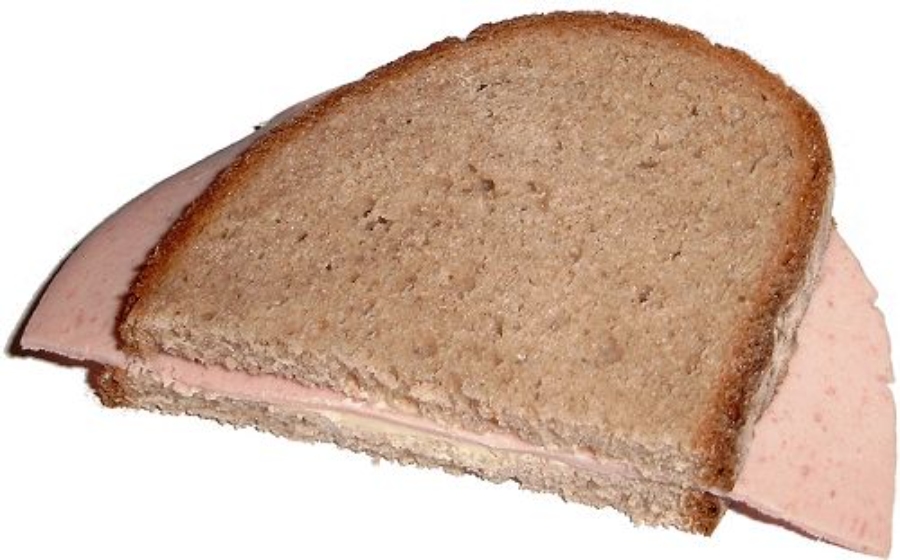
Pausenbrot, the “break bread,” is the sandwich German children carry to school. It is usually a buttered slice or roll with cheese or ham, packed in a reusable box.
Adults keep the same habit at work. That pattern helps explain why bakeries fill up before 7 a.m. and why so many sell individual rolls instead of only whole loaves.
Bread, Salt, and Seasonal Customs
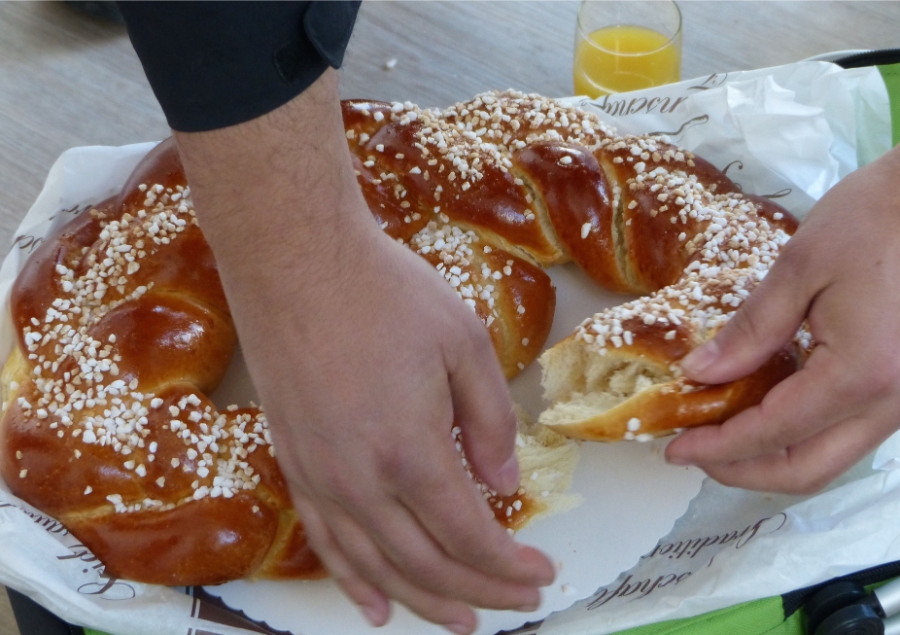
Bread and salt (Brot und Salz) is a traditional housewarming gift in Germany. People give it so a new home never lacks food or flavor. The custom also appears at weddings and on moving days.
Bread marks the harvest year, too. At Erntedank, the German harvest thanksgiving held in late September or early October, churches display grain sheaves and decorated bread loaves shaped like crowns, wreaths, or sheaves.
How Do Grains and Baking Methods Shape the Loaves?
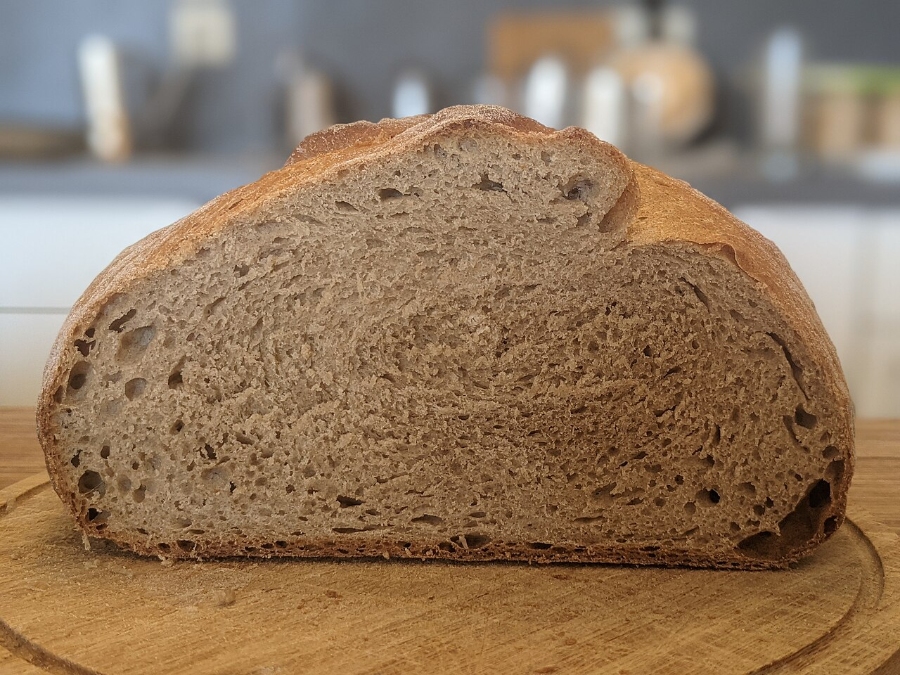
Three choices create the dark color, sour tang, and dense crumb of German bread: heavy use of rye flour, natural sourdough fermentation, and slow dough development. Wheat, spelt, and whole grains fill out the rest of the range.
Rye, Wheat, Spelt, and Whole Grains
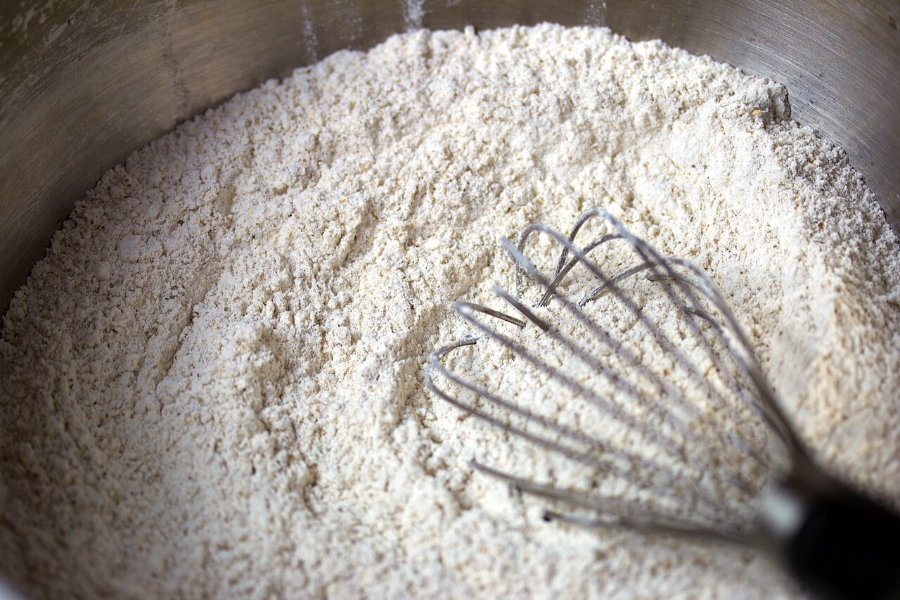
Rye flour tolerates cold, wet soil, so it became the workhorse grain of northern and eastern Germany. It produces a moist, close-grained crumb with an earthy flavor.
Wheat flour makes lighter rolls and white loaves, and it dominates in the south. Spelt flour (Dinkel), an ancient wheat relative, has a mild, nutty taste and a delicate gluten structure that needs gentle handling.
German flour carries a Type number on the bag, such as 550 or 1150. Higher numbers mean more of the whole grain remains, so Type 1150 rye is darker and more mineral-rich than Type 815.
| Flour | German name | Character |
|---|---|---|
| Rye | Roggen | Dark, moist, earthy |
| Wheat | Weizen | Light, airy, mild |
| Spelt | Dinkel | Nutty, soft gluten |
| Whole grain | Vollkorn | Dense, high fiber |
Why Sauerteig Creates Flavor and Structure
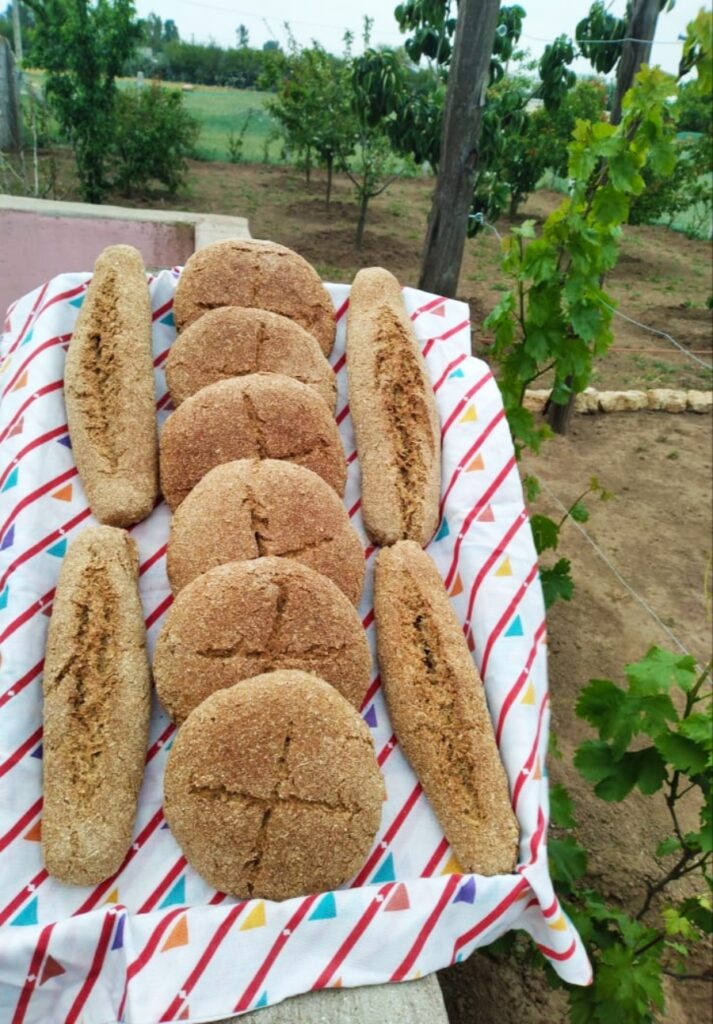
Sauerteig, or sourdough, is a live culture of flour and water fermented by wild yeast and lactic acid bacteria. Rye baking depends on it.
Rye lacks wheat’s gluten network, and its enzymes break down starch during baking. Sourdough fermentation creates acid that slows those enzymes. This lets a rye loaf hold its shape and slice cleanly.
The same acidity gives sourdough bread its mild sourness and keeps loaves fresh for days.
The Role of Long Fermentation and Skilled Bakers
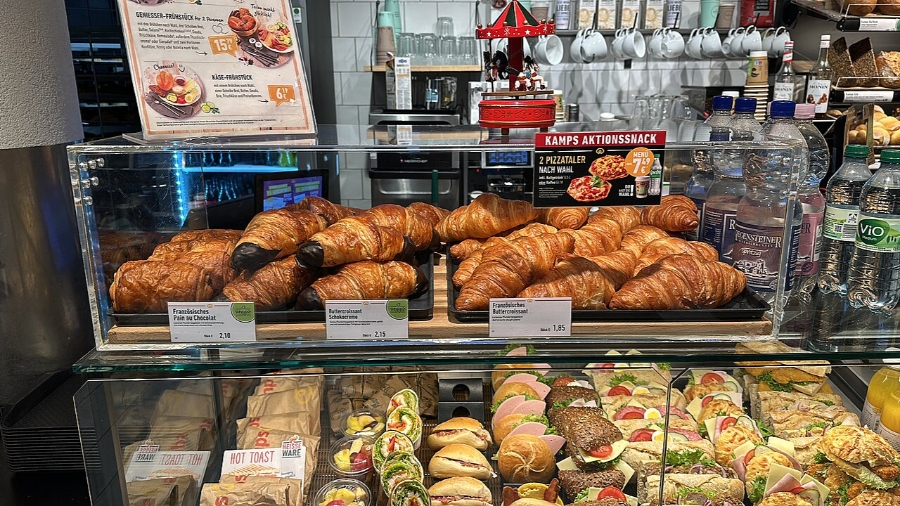
German bakers use small amounts of yeast and long fermentation times, often overnight, instead of fast-rising commercial doughs. A pre-ferment called a Vorteig builds flavor before they mix the final dough.
Artisan bakers add other preparations, too. A Quellstück soaks seeds in hot water so they don’t pull moisture from the crumb. Altbrot mixes dried, toasted old bread into a new loaf for extra depth and moisture. That patient, layered approach belongs to Germany’s wider Handwerk tradition of certified craft training.
Which German Bread Types Should You Know?
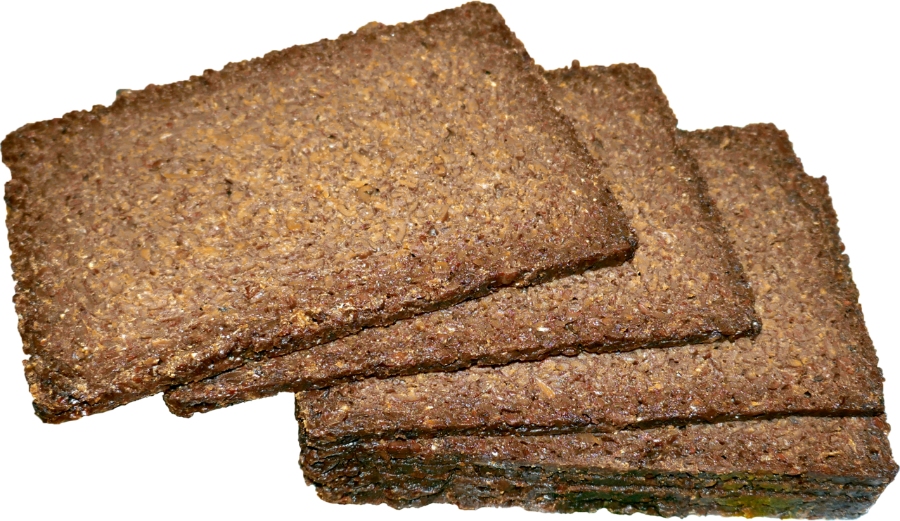
A traveler needs roughly ten names to navigate any bakery counter. The 3,000-plus registered varieties are mostly regional variations on a few core families, divided by grain ratio: pure rye, mixed rye-wheat, pure wheat, and whole grain.
Roggenbrot, Pumpernickel, and Other Dark Rye Breads
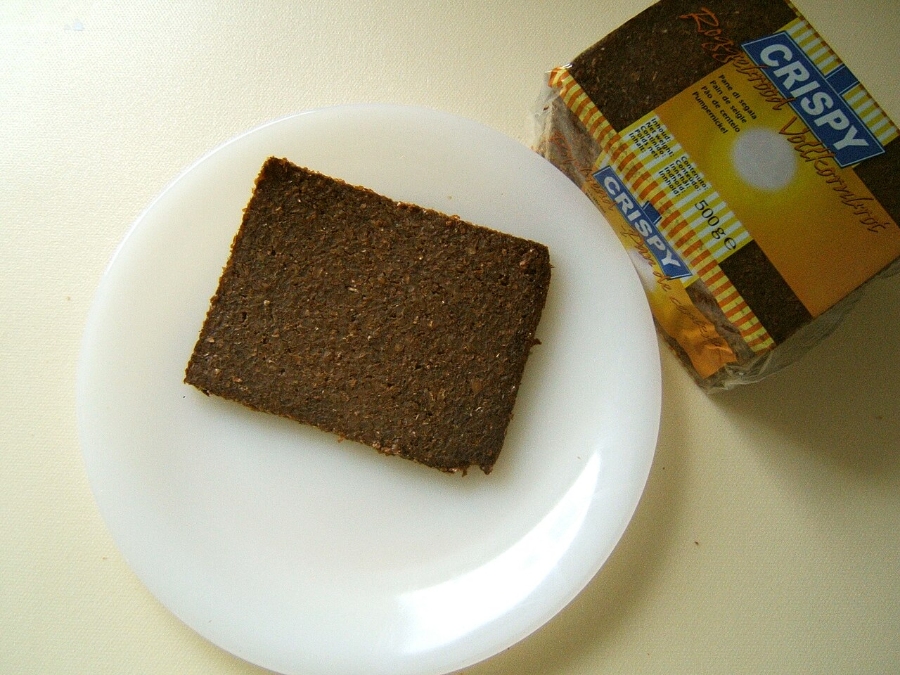
Roggenbrot (rye bread) contains at least 90 percent rye flour. It is dark, moist, faintly sour, and stays good for the better part of a week.
Pumpernickel is the extreme case. Originating in Westphalia, it uses coarse rye meal and steam-bakes for up to 24 hours at low temperature. This caramelizes its sugars into an almost black, sweet, dense square with no crust.
Schwarzbrot, or black bread, is a broader term for very dark rye loaves. Both are sold pre-sliced in small squares and pair well with butter, smoked fish, or strong cheese.
Mischbrot and the Everyday Rye-Wheat Loaf
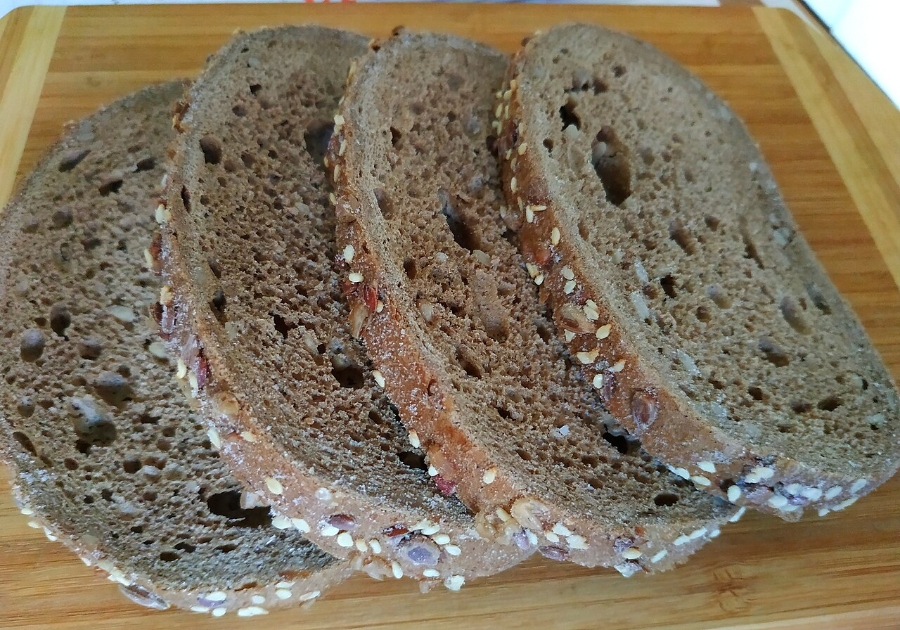
Mischbrot (mixed bread) blends rye and wheat flour, and it is the loaf most German households buy without thinking much about it. The grain ratio decides the name.
Roggenmischbrot contains more rye than wheat, giving it a darker, tangier slice. Weizenmischbrot reverses the ratio for a lighter crumb. Bauernbrot, or farmer’s bread, is a rustic mixed loaf with a thick, floured crust.
Vollkornbrot, Seeded Breads, and Specialty Loaves
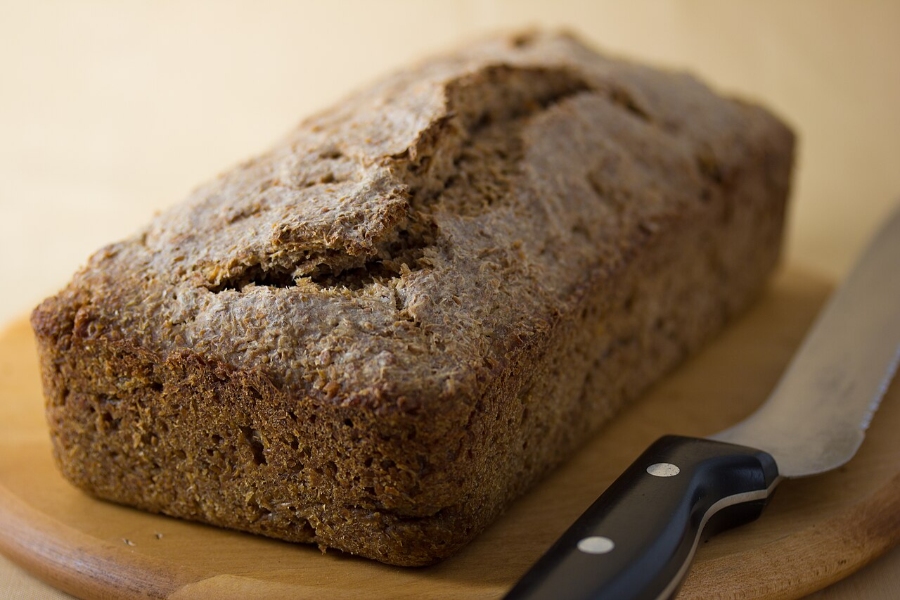
Vollkornbrot is whole grain bread made with at least 90 percent whole rye or wheat, often including visible cracked grains. It is dense, chewy, and high in fiber.
Seeded loaves are a category of their own. Sonnenblumenbrot carries sunflower seeds through the crumb and across the crust, while Nussbrot adds hazelnuts or walnuts. Pure Weizenbrot (wheat bread) and soft white Weißbrot round out the lighter end.
Brötchen, Pretzels, and Sweet Baked Goods
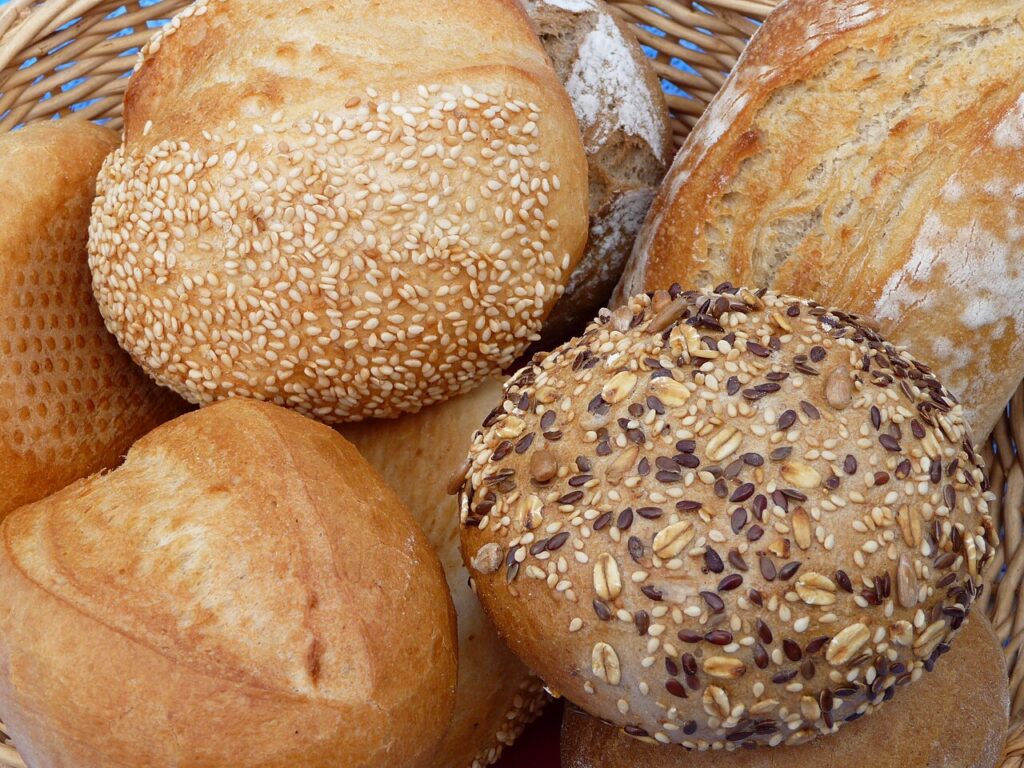
Brötchen are the small, crusty wheat rolls found in breakfast baskets nationwide. People split and spread them while they’re still warm. A single bakery may stock a dozen versions: plain, poppy seed, sesame, multigrain, and spelt.
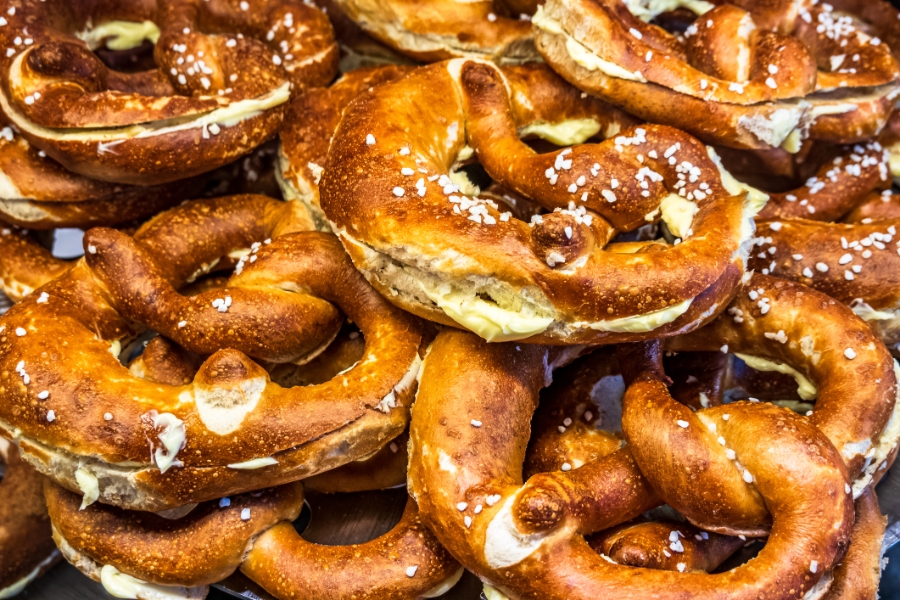
The pretzel, or Brezel, gets dipped in a lye solution before baking. That creates its mahogany skin and salty bite; Bavarians call it Brezn.
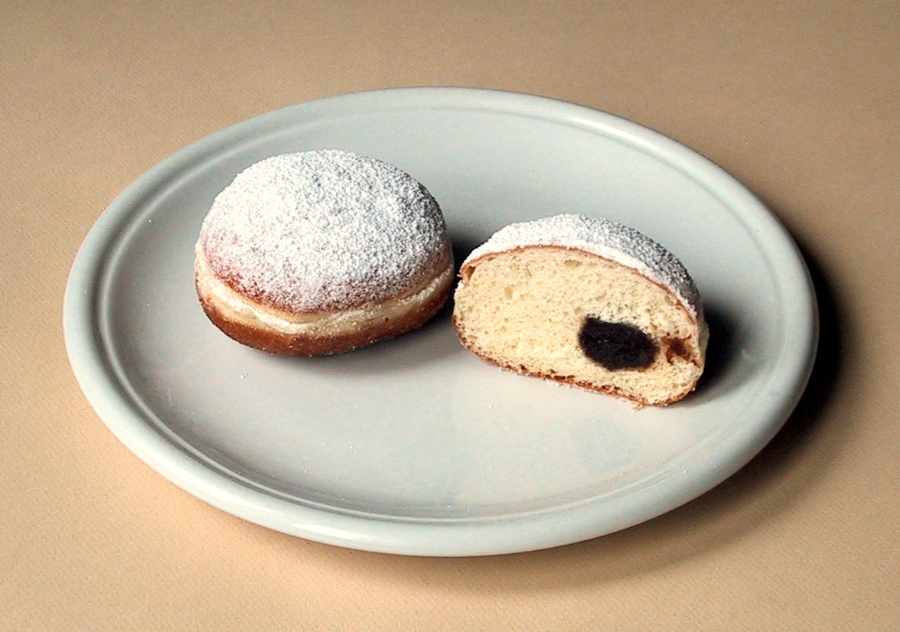
Sweet counters carry Stollen, the dense Christmas fruit bread dusted with powdered sugar, along with the jam-filled Berliner doughnut.
How Do Bread Traditions Vary Across Germany?
Grain geography drew the map: rye dominates the cool northern plains, while wheat and pretzels belong to the warmer south. The same bread roll can change its name four or five times between Hamburg and Munich.
Regional coverage across Everything About Germany’s culture section follows those same divisions.
Northern and Western Rye Traditions
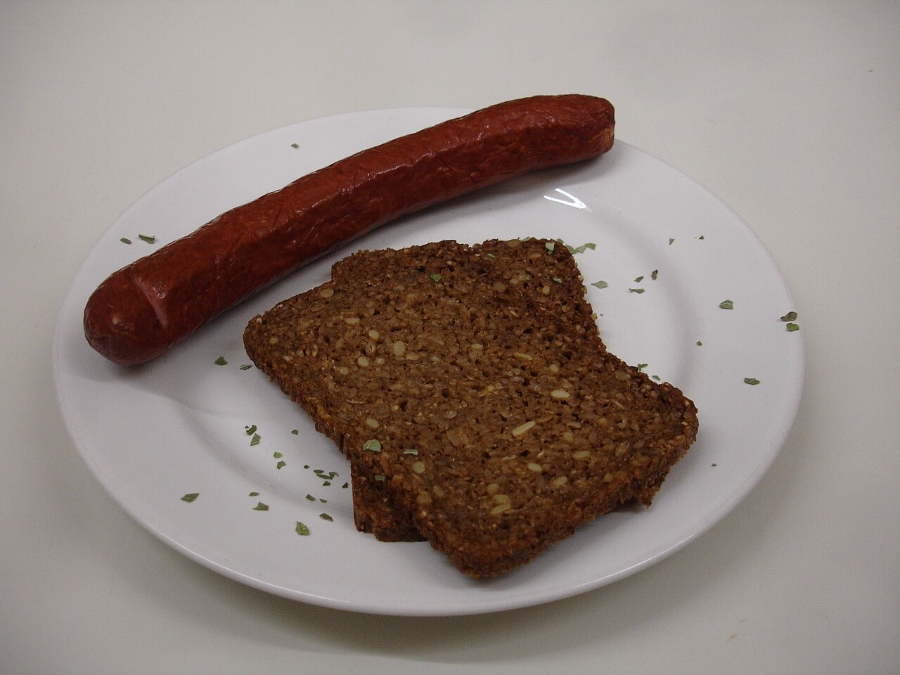
Northern Germany builds its bakery counters around rye. In Hamburg and the surrounding coastal region, dark Schwarzbrot accompanies smoked fish and the city’s harbor food traditions.
Westphalia in the northwest gave the world Pumpernickel, which local bakers still produce under a protected regional method. Cologne and the Rhineland favor mixed rye loaves served with cheese and cured meats.
Bavarian and Swabian Pretzel Culture
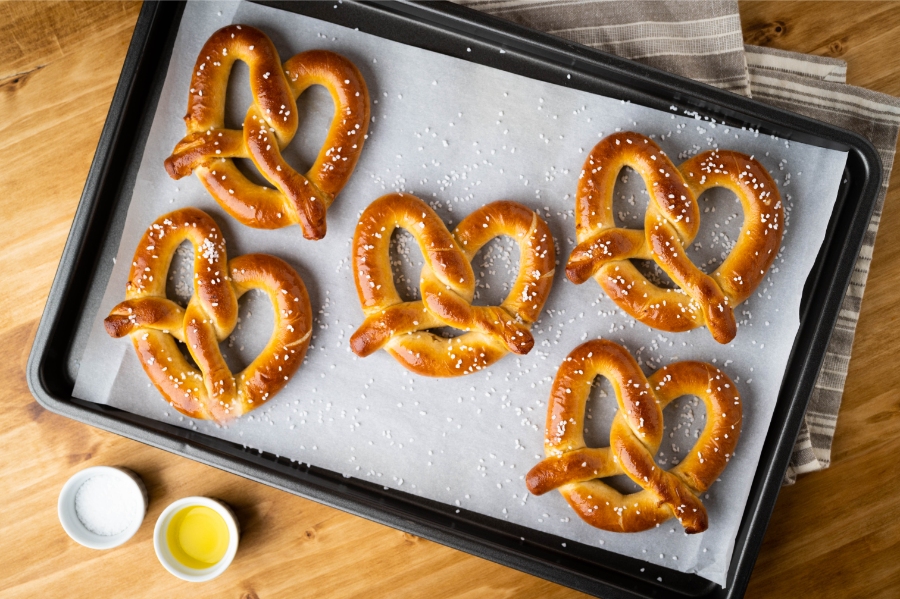
Bavaria treats the Brezn as a daily staple, sold plain from bakery baskets and served with Weisswurst and sweet mustard before noon. It also appears alongside beer in Munich’s beer garden culture, where large soft pretzels are sold by the piece.
Swabia, around Stuttgart, bakes a leaner Brezel with thin, crisp arms and a split, buttered belly. The two shapes are easy to tell apart once you’ve seen both.
Berlin, Brandenburg, and Eastern German Specialties
Berliner Landbrot is the capital’s country loaf, a rye-heavy mixed bread with a firm crust and a sour, sturdy crumb. You’ll find it on nearly every bakery shelf in the city.
Brandenburg and Saxony continue the rye tradition of the eastern plains. The Berliner doughnut, confusingly enough, is called Pfannkuchen in Berlin itself.
Regional Names for the Everyday Roll
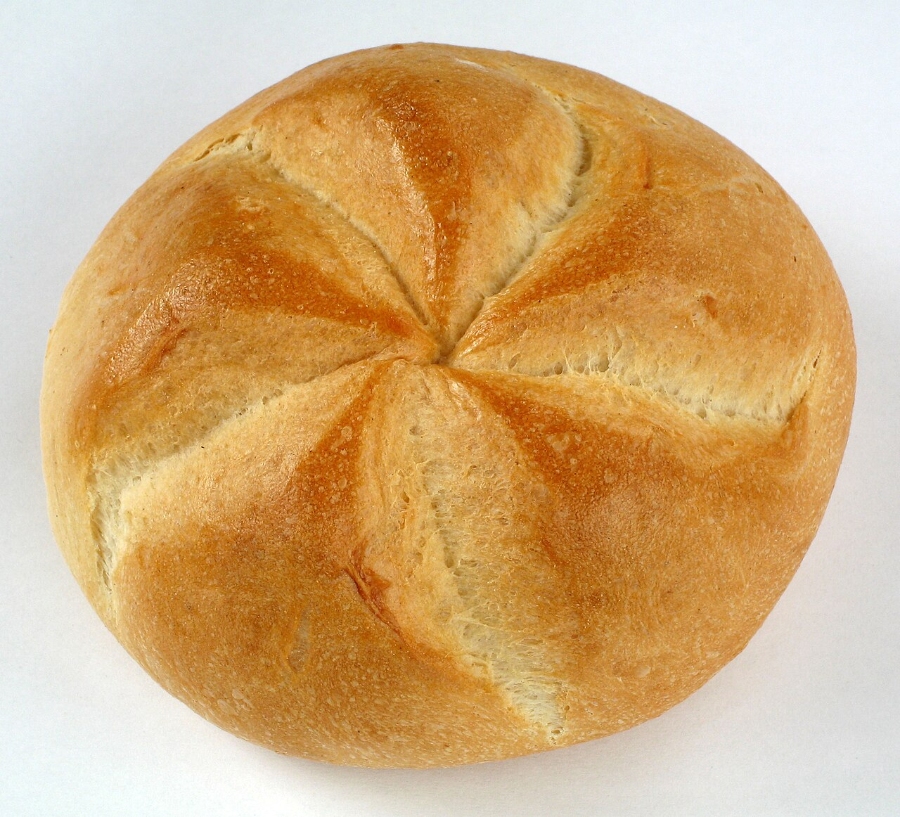
The wheat roll changes name by region, which causes the most confusion for visitors. It’s the same basic item, but the local word matters when you’re ordering.
| Region | Local name |
|---|---|
| Berlin | Schrippe / Schrippen |
| Bavaria and Austria | Semmel / Semmeln |
| Baden and Swabia | Weck / Wecken |
| Most of Germany | Brötchen |
| Hamburg and the north | Rundstück |
What Should You Know Before Visiting a Bäckerei?
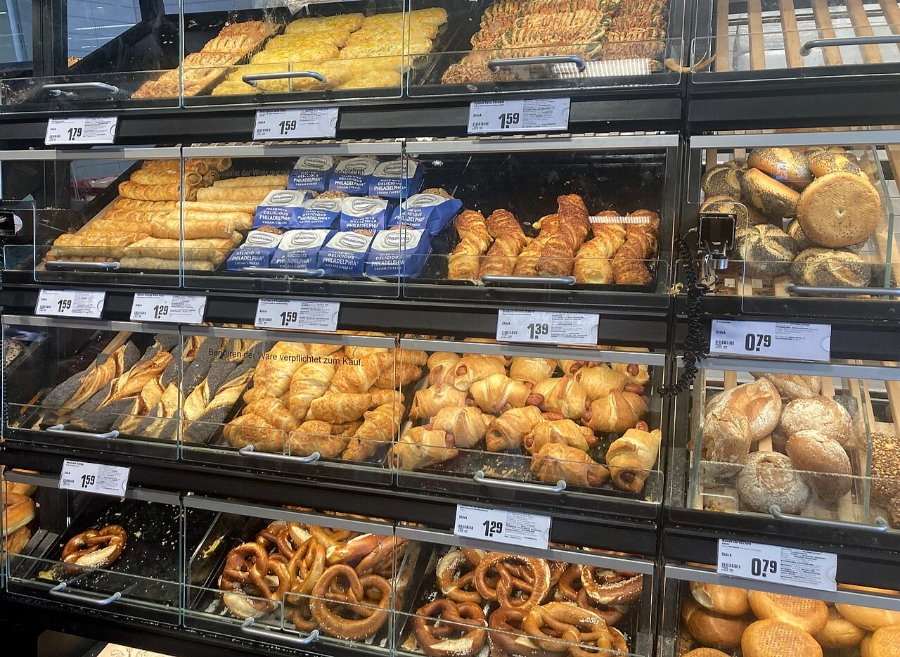
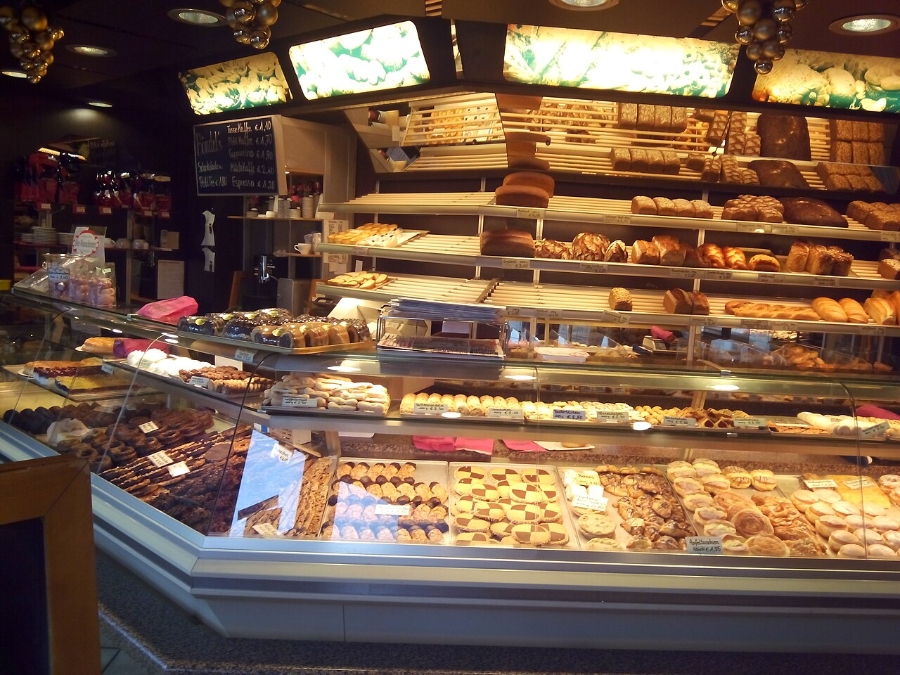
A traditional Bäckerei (bakery) bakes on site, sells out by early afternoon, and keeps limited hours. A train station “Backshop,” by contrast, usually reheats frozen dough.
Learning to tell them apart, along with a few counter phrases, can change the quality of what you eat all week.
How to Identify Traditional and Artisan Bakeries
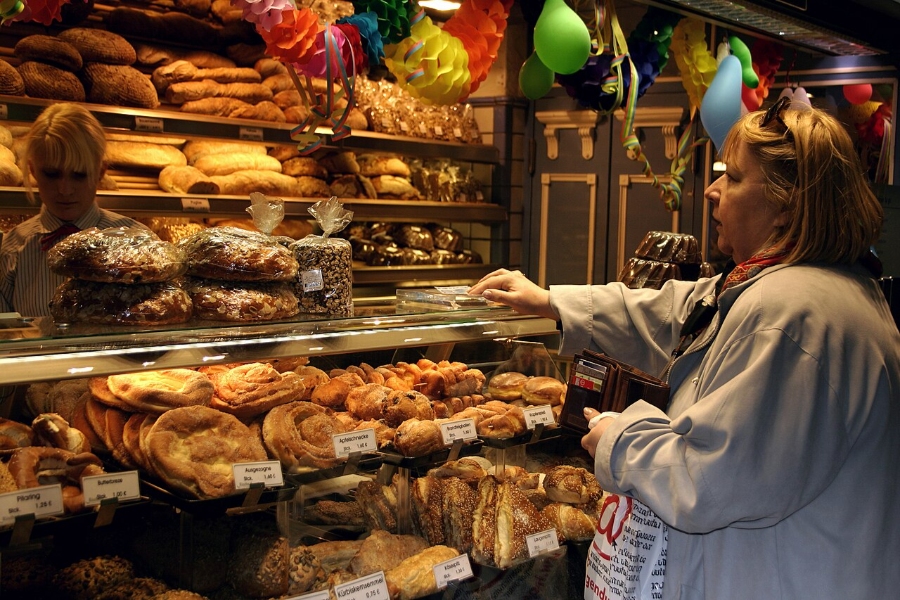
Look for a visible bake room or the smell of active baking rather than warming ovens. Real Bäckereien open around 6 a.m. and often close by 6 p.m.
They usually keep shorter Saturday hours and trade only on Sunday mornings. Empty shelves late in the day are a good sign, while chains that stay fully stocked until closing often bake from frozen.
Craft-focused bakeries such as Berlin’s Zeit für Brot draw lines for long-fermented loaves and cinnamon rolls.
How to Order Bread and Rolls Like a Local
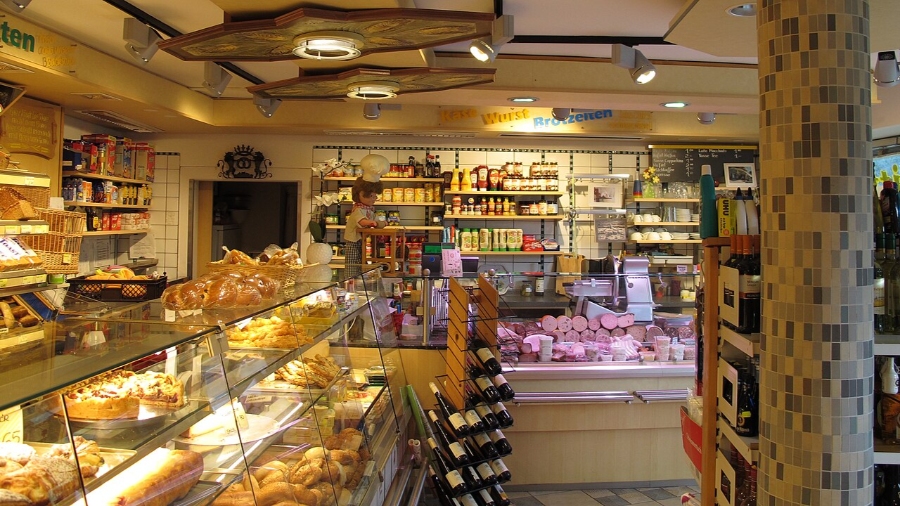
Order by number and name: “Drei Brötchen, bitte” (three rolls, please). In Berlin, ask for Schrippen; in Munich, ask for Semmeln.
For a loaf, say “Ein halbes Bauernbrot, bitte” to get a half. Then add “geschnitten, bitte” if you want it sliced by machine.
Cash still moves faster than a card at small counters.
What to Look for in a Fresh Loaf
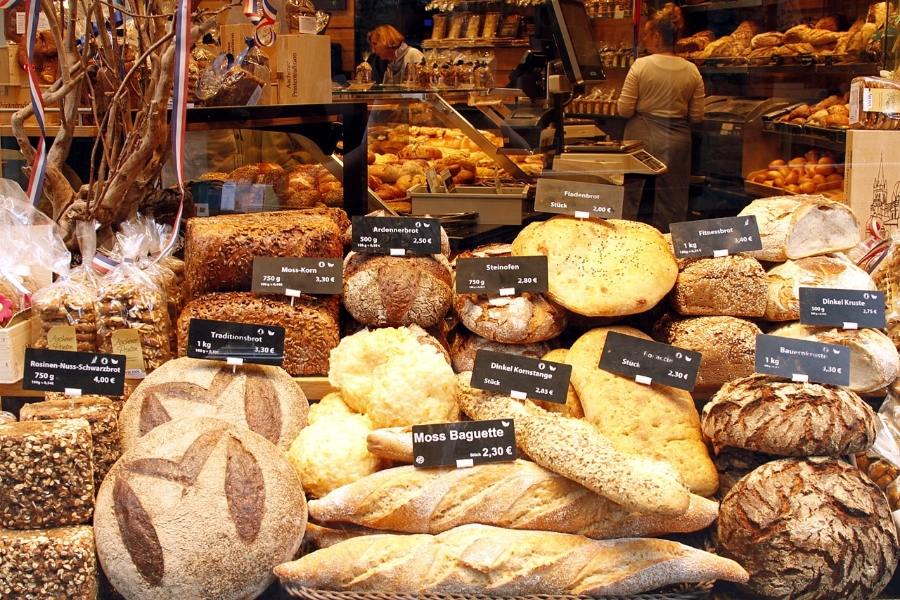
Press the crust: it should crackle and resist slightly. A good rye loaf feels heavy for its size, and the cut face should show an even, slightly moist crumb without large tunnels.
Dark bread should smell sour and grainy, not sweet or flat. Whole rye and mixed loaves keep for four to seven days in a paper bag or ceramic bread pot.
Can You Recreate German Bread at Home?
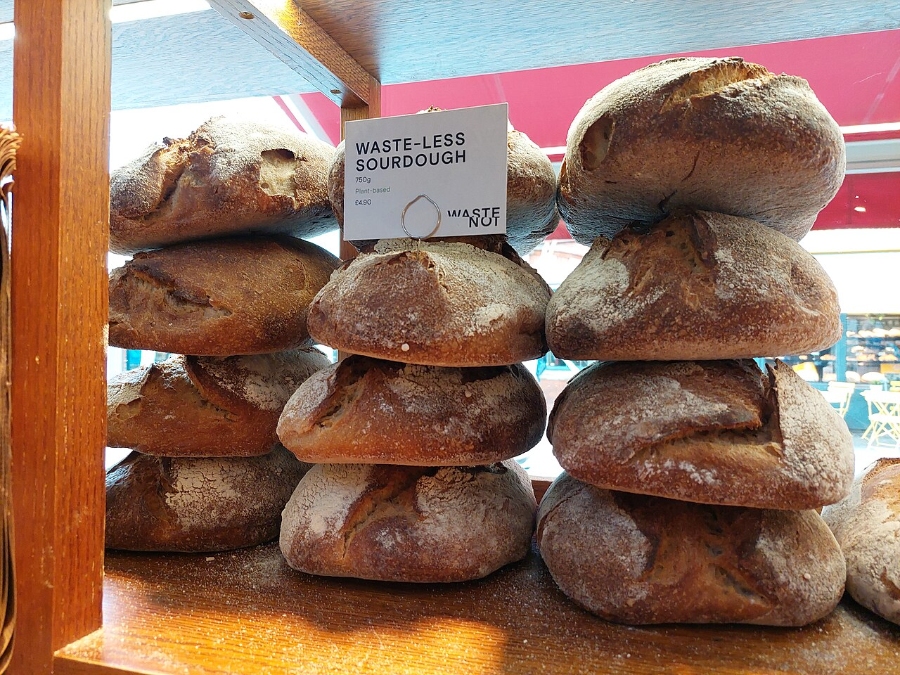
Home baking German bread starts with a rye Sauerteig starter, which takes about five to seven days to build from rye flour and water. Rye doughs are sticky and don’t need kneading in the wheat-bread sense.
Bake in a preheated Dutch oven at 250°C (480°F) for 15 minutes with the lid on. Then bake at 200°C (390°F) for 40 to 45 minutes uncovered.
Let sourdough bread rest for at least 12 hours before slicing so the crumb can set.
Frequently Asked Questions
Why do Germans love bread so much?
Bread appears at breakfast, in school lunch boxes, and at the evening meal, so most people eat it two or three times a day. German bread culture also carries real craft status. It entered the country’s national inventory of intangible cultural heritage in 2014.
How many types of bread are there in Germany?
The German Bread Institute reports that more than 3,000 different types of bread and baked goods are sold in Germany daily. The guild-run bread register documented 3,023 officially recorded specialties as of 2024.
Is German bread healthier than American bread?
German loaves are often higher in fiber and made with whole rye or whole wheat. Sourdough fermentation also lowers the glycemic response of rye bread compared with fast-risen white bread. Nutrition still depends on the specific loaf, since German bakeries sell white rolls and sweet pastries, too.
What is Germany’s most famous bread?
Pumpernickel is the best-known German bread internationally, a nearly black Westphalian rye baked slowly for up to 24 hours. Within Germany, u003cemu003eMischbrotu003c/emu003e and u003cemu003eRoggenmischbrotu003c/emu003e sell in far greater volume as everyday loaves.
What does Abendbrot mean in Germany?
u003cemu003eAbendbrotu003c/emu003e translates as u0022evening bread.u0022 It describes a cold supper of sliced bread, cheese, cold cuts, and pickles, usually eaten in the early evening. Germans typically serve the hot meal of the day at midday, so dinner stays light and unhurried.
Recommended Related Travel & Cultural Insights
- Bernd das Brot — Practical guide, background, and visitor tips.