Last Verified: January 2025 | Next Update: July 2025
German Christmas markets (Weihnachtsmärkte) transform city squares into enchanted winter wonderlands from late November through Christmas. These magical markets date back to the Middle Ages and have become one of Germany’s most beloved traditions, attracting millions of visitors from around the world.
History and Tradition
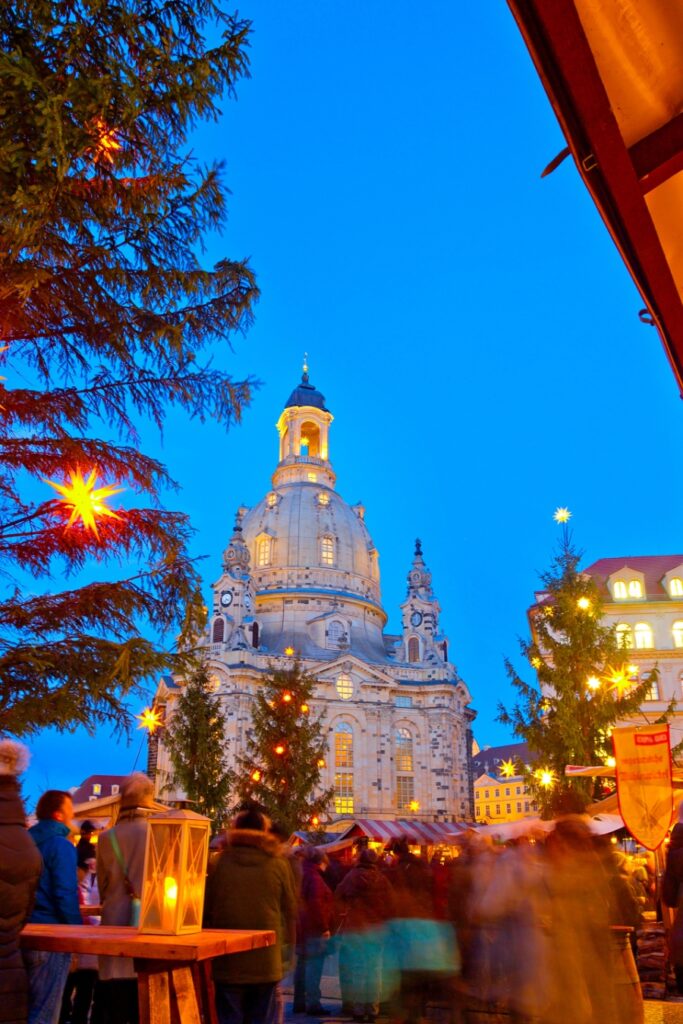
The tradition of Christmas markets began in the German-speaking regions of Europe during the Middle Ages. The oldest documented market was Dresden’s Striezelmarkt in 1434, originally a one-day market where bakers sold Christmas Stollen. Over centuries, these markets evolved from practical pre-Christmas shopping venues into elaborate celebrations of the season.
Top 5 Must-Visit Christmas Markets
1. Nuremberg Christkindlesmarkt
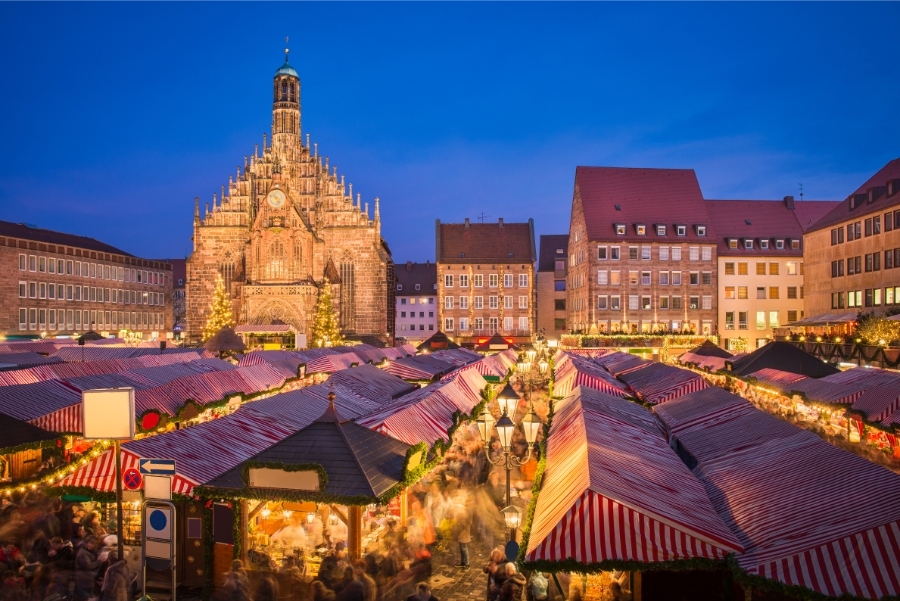
The most famous of all German Christmas markets, Nuremberg’s market features 180 wooden stalls decorated with red and white cloth. The opening ceremony with the Christkind (Christmas Angel) is broadcast nationally, and the market’s traditional Lebkuchen (gingerbread) and Glühwein are legendary.
2. Dresden Striezelmarkt
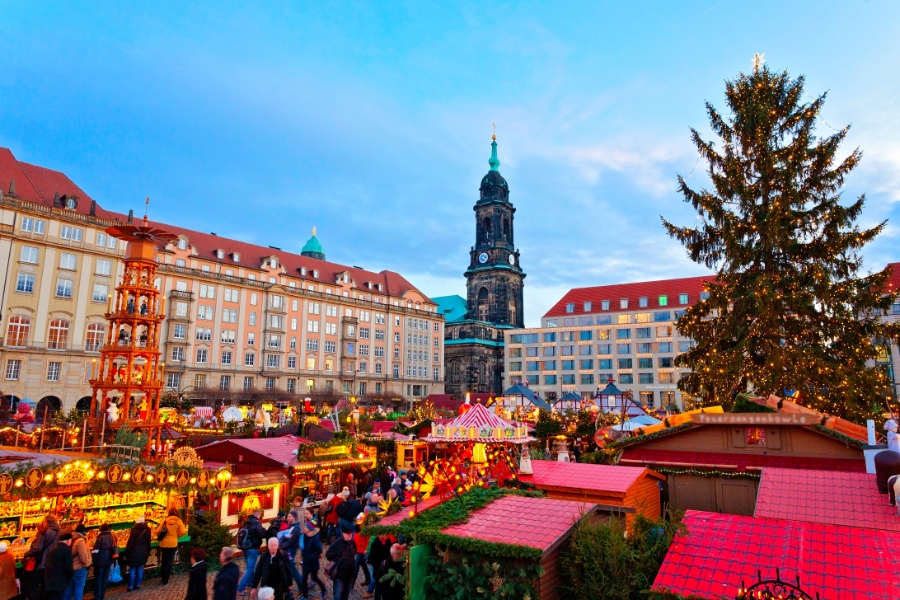
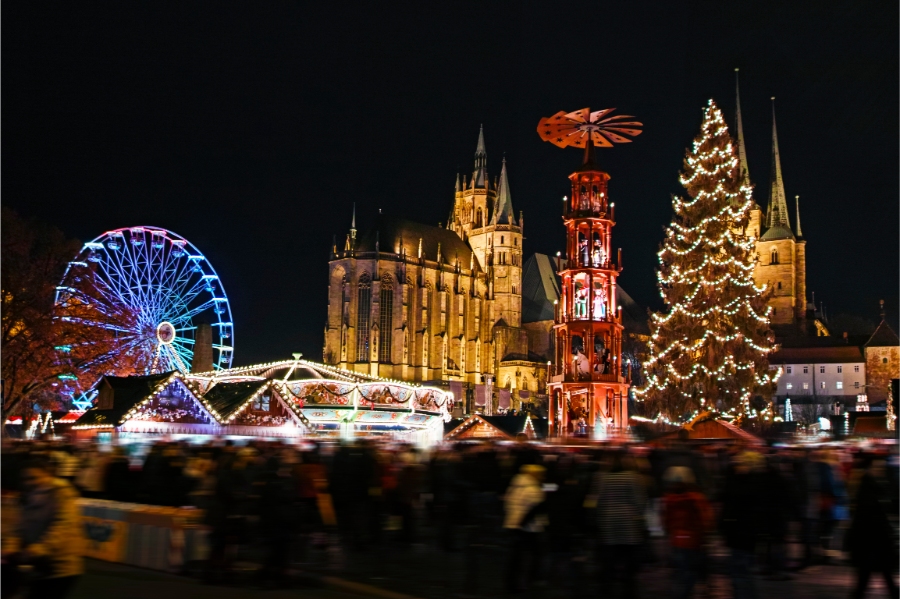
As Germany’s oldest Christmas market, Dresden offers authentic traditions including the giant Stollen festival. The 14.5-meter Christmas pyramid and medieval atmosphere make it uniquely atmospheric.
3. Cologne Cathedral Christmas Market

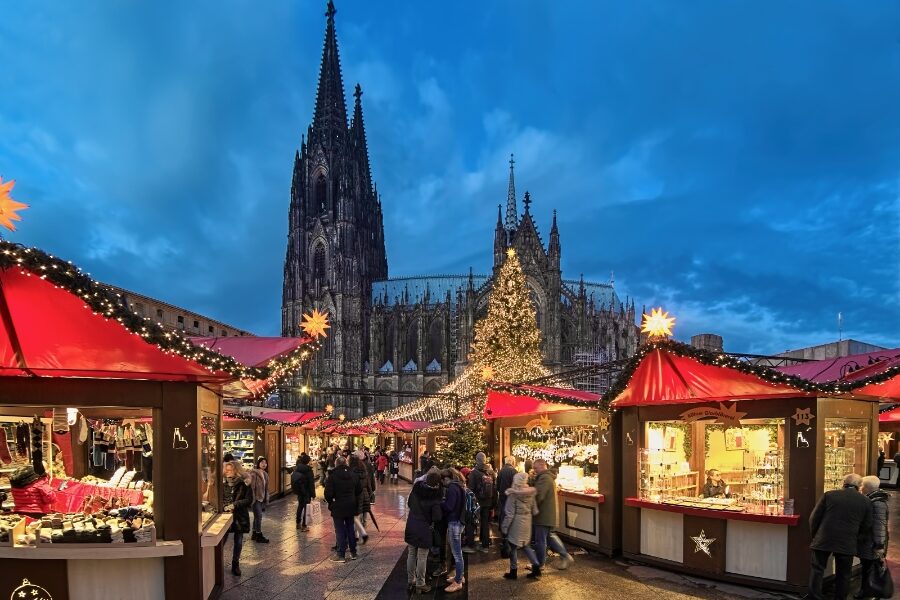
Set against the backdrop of the magnificent Gothic cathedral, this market offers over 150 stalls. The twinkling lights reflected in the cathedral’s windows create an unforgettable scene.
🎄Guided Christmas Market Walking Tours & Tastings Festive Experience Experience Germany’s most enchanting holiday traditions with an expert local guide. Sample authentic Nürnberger Lebkuchen, artisanal Glühwein, and Stollen while exploring festive stalls on top-rated Christmas market walking tours.
Nuremberg Christmas Market Tour → Cologne Market & Cathedral Walk → *Affiliate notice: We may earn a commission from tours booked through these partner links at no additional cost to you.
4. Stuttgart Christmas Market
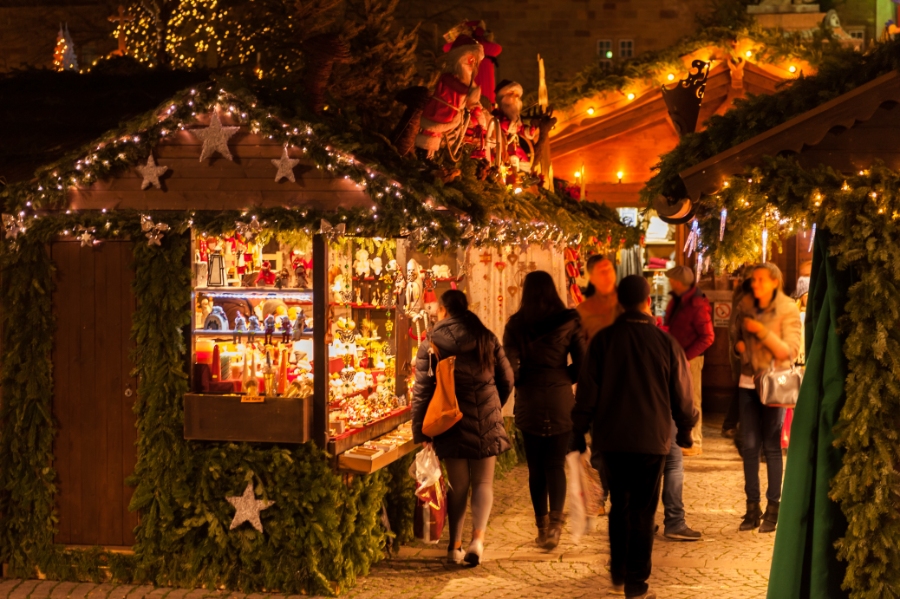
One of the largest and most beautiful markets, Stuttgart features over 280 stalls and elaborate decorations. The market’s roof decorations and antique carousel are particularly special.
5. Hamburg Christmas Markets
Hamburg hosts multiple themed markets throughout the city, including the historic market at the Rathaus and the naughty Santa Pauli market for adults.
Essential Foods and Drinks
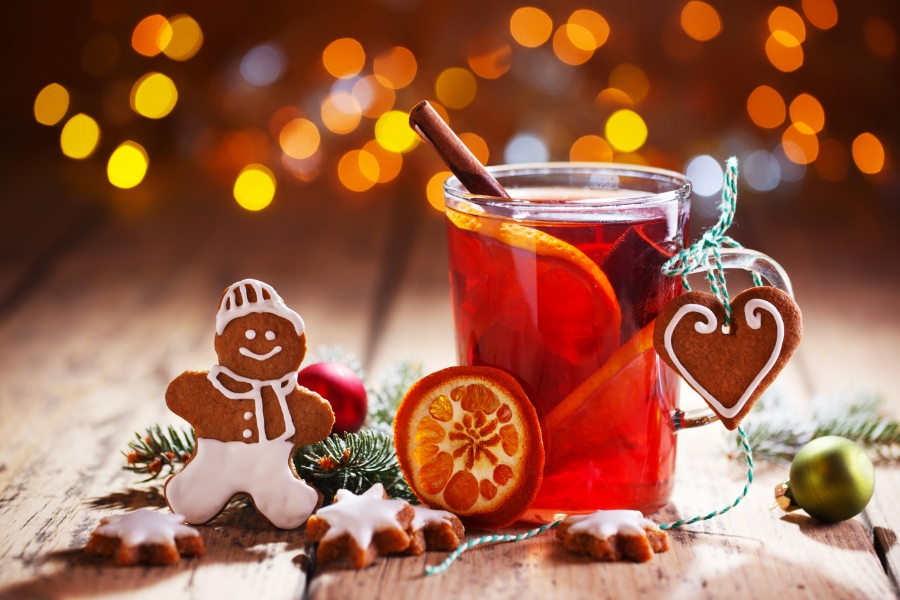
Glühwein – Mulled wine with spices, the quintessential Christmas market drink Feuerzangenbowle – Flaming rum-soaked sugar loaf punch Lebkuchen – Traditional gingerbread cookies, especially from Nuremberg Gebrannte Mandeln – Roasted almonds with cinnamon sugar Bratwurst – Grilled sausages, varying by region Raclette – Melted cheese over bread or potatoes Stollen – Traditional Christmas fruit bread from Dresden
Insider Tips for Visiting
- Visit on weekdays – Weekends are extremely crowded, especially in December
- Bring cash – Many stalls don’t accept cards
- Keep your mug – Glühwein mugs make perfect souvenirs
- Dress warmly – Markets are outdoors; layers are essential
- Try regional specialties – Each market has unique local treats
- Book early – Hotels fill up quickly during market season
Beyond the Big Cities
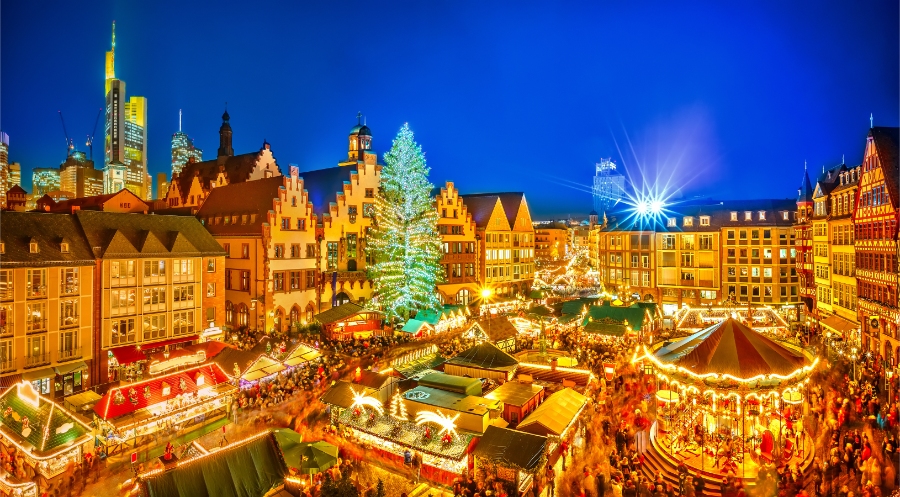
Some of Germany’s most charming markets are in smaller towns: – Rothenburg ob der Tauber – Medieval setting with authentic atmosphere – Quedlinburg – UNESCO World Heritage town with fairy-tale market – Monschau – Half-timbered houses create perfect backdrop – Bamberg – Unique nativity trail through the old town
Planning Your Christmas Market Trip

🚆Intercity Rail & Hotels for German Christmas Markets Holiday Logistics Hopping between Germany’s iconic Christmas markets (such as Nuremberg, Munich, Rothenburg, and Cologne) is fastest by ICE high-speed rail. Book rail passes and train seats in advance with Omio, and reserve market-adjacent hotels early on IHG Hotels & Resorts.
Book Christmas Market Trains on Omio → Search German Hotels on IHG → *Affiliate notice: We may earn a commission when you book through these links at no additional cost to you. Most markets run from late November until December 23rd, with some extending past Christmas. Plan 2-3 days per major city to fully experience the markets and local attractions. Consider a river cruise for visiting multiple markets, or plan a driving route along the Romantic Road.
The magic of German Christmas markets lies not just in shopping but in the atmosphere – the scent of mulled wine and roasted almonds, twinkling lights against medieval architecture, and the warmth of community during the cold winter season.
Frequently Asked Questions

When is the best time to visit German Christmas markets?
German Christmas markets typically open in late November and run until December 23rd. The best time to visit is during weekdays to avoid crowds, with the first two weeks of December offering the perfect balance of festive atmosphere and manageable crowds. Opening weekend features special ceremonies but expect large crowds.
How much money should I budget for Christmas markets?
Budget €30-50 per person for a full Christmas market experience, including 2-3 Glühwein (€3-5 each), traditional food like bratwurst or roasted almonds (€4-8), and small souvenir purchases. Markets only accept cash, so bring plenty of euros.
Can I keep the Glühwein mugs from Christmas markets?
Yes! Each Christmas market has unique commemorative mugs that make excellent souvenirs. You pay a deposit (Pfand) of €2-4 with your Glühwein and can keep the mug or return it for a refund. Many visitors collect mugs from different markets as keepsakes.
What should I wear to German Christmas markets?
Dress warmly in layers as markets are outdoors. Wear waterproof boots with good grip for potentially wet cobblestones, warm coat, hat, gloves, and scarf. Avoid high heels and bring a small bag that’s easy to carry while holding Glühwein and food.
Are German Christmas markets suitable for children?
Absolutely! Many markets feature special children’s areas with carousels, puppet shows, and child-friendly activities. Look for markets with “Kinderland” sections. Children love the fairy-tale atmosphere, gingerbread cookies, and watching craftspeople at work.
Which German Christmas market is the most authentic?
Dresden’s Striezelmarkt is considered the most authentic as it’s Germany’s oldest Christmas market (established 1434). Rothenburg ob der Tauber offers the most medieval atmosphere, while smaller markets in towns like Quedlinburg provide intimate, local experiences away from tourist crowds.
How do I get to Christmas markets by public transport?
Most German Christmas markets are located in city centers, easily accessible by public transport. Major markets are within walking distance of main train stations. Purchase day tickets for unlimited local transport and check for special Christmas market shuttle services in larger cities.
What are the must-try foods at German Christmas markets?
Essential Christmas market foods include Glühwein (mulled wine), Lebkuchen (gingerbread), Gebrannte Mandeln (roasted cinnamon almonds), Bratwurst, Raclette (melted cheese), and Stollen (Christmas fruit bread). Each region has specialties – try Nuremberg’s famous Lebkuchen and Dresden’s original Stollen.
Do I need to make reservations for Christmas markets?
Christmas markets don’t require reservations for general admission, but some special events, guided tours, or seated areas in certain markets may require advance booking. Hotels fill up quickly during market season, so book accommodation well in advance.
Are Christmas markets open in bad weather?
Yes, German Christmas markets operate rain or shine, though extreme weather may cause temporary closures. Many stalls have coverings, and the warm Glühwein helps combat cold temperatures. Bad weather often means fewer crowds and a more cozy atmosphere.
Recommended Related Travel & Cultural Insights
- German Christmas Traditions: A Complete Guide — Practical guide, background, and visitor tips.
- German Christmas Markets — Practical guide, background, and visitor tips.
Recommended Local Attractions, Events & Cultural Guides
- Stollen — Comprehensive visitor guide, logistics, and insider recommendations.