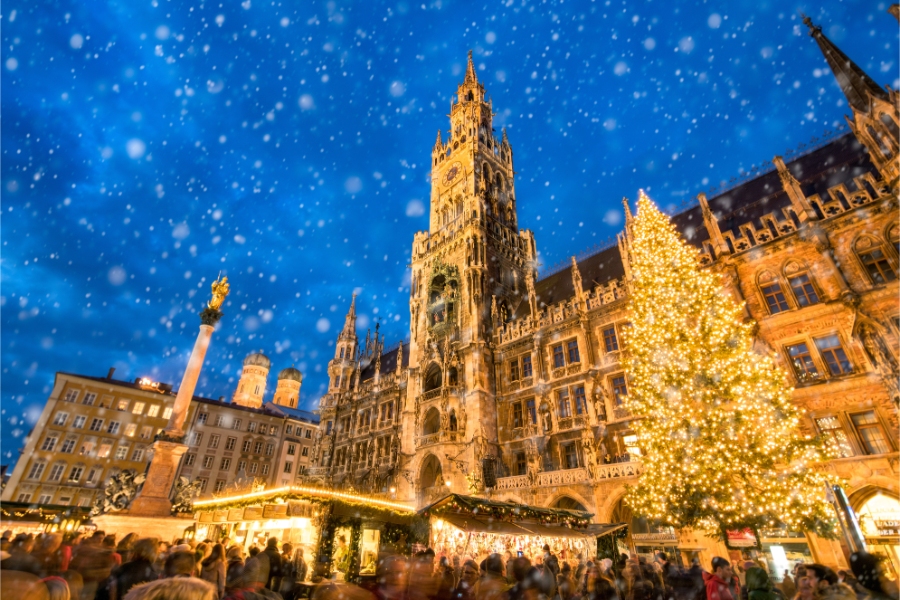
Germany is the birthplace of many beloved Christmas traditions that have spread worldwide, from Christmas trees and advent calendars to Christmas markets and holiday decorations. The country’s rich Christmas heritage spans centuries, blending ancient pagan customs with Christian celebrations to create the magical holiday atmosphere that defines German winters. This comprehensive guide explores the fascinating history, regional variations, and modern celebrations of German Christmas traditions that continue to enchant millions of visitors each year.
The Historical Roots of German Christmas
Ancient Winter Solstice Celebrations
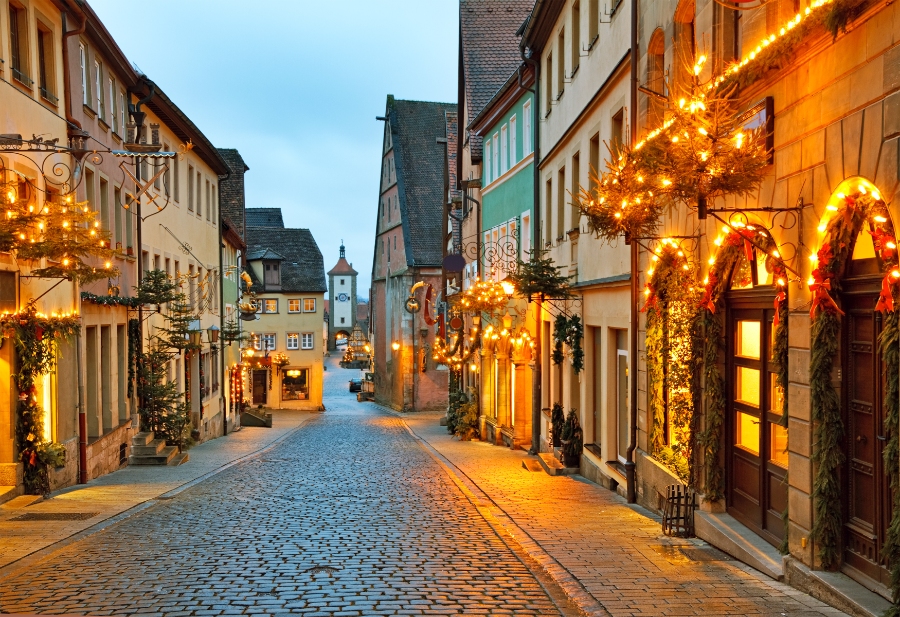
German Christmas traditions have deep roots in pre-Christian winter solstice celebrations. Germanic tribes celebrated the winter solstice as a time of renewal and hope, lighting fires and bringing evergreen branches indoors to symbolize life persisting through the dark winter months. These ancient customs laid the foundation for many modern Christmas traditions.
Christianization and Medieval Developments
As Christianity spread through Germanic lands, pagan winter customs were gradually incorporated into Christian celebrations. By the Middle Ages, Christmas had become a major religious and cultural celebration, with many distinctly German traditions beginning to emerge. Monasteries and churches played crucial roles in developing Christmas customs that would eventually spread throughout Europe and beyond.
The Christmas Tree (Tannenbaum)
Origins and Early History
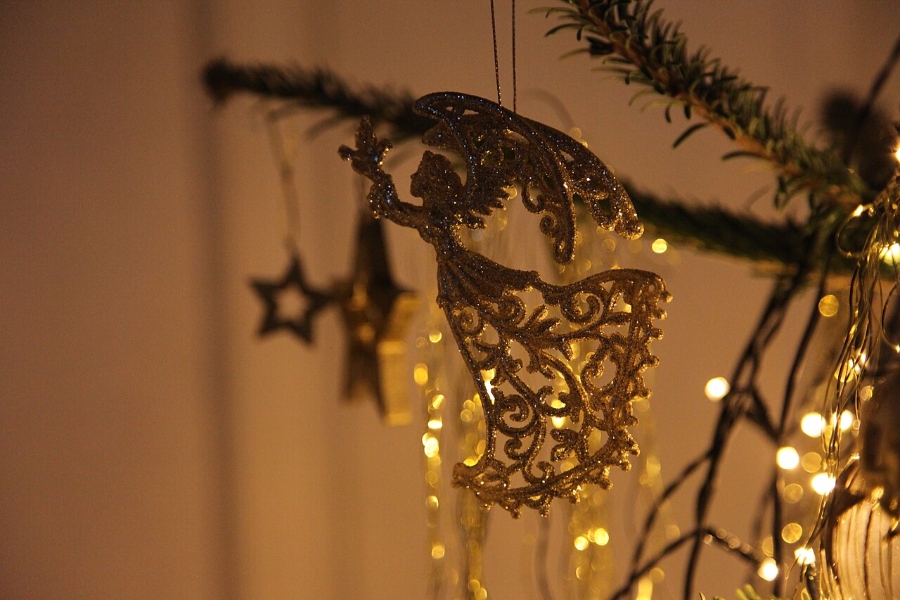
The Christmas tree tradition originated in Germany during the 16th century, though its exact origins are debated. Some historians trace it to Strasbourg (then part of the Holy Roman Empire), while others point to various German regions. Early Christmas trees were decorated with apples, nuts, gingerbread, and small candles, creating a “paradise tree” that represented the Garden of Eden.
The Spread of the Christmas Tree Tradition
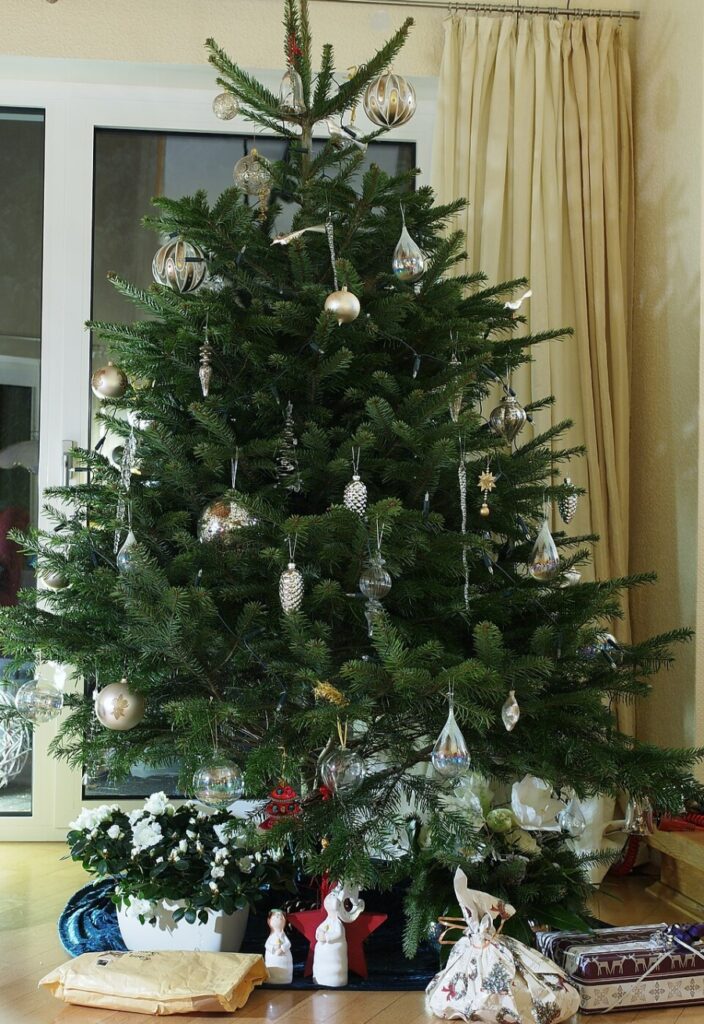
German immigrants and nobility helped spread the Christmas tree tradition worldwide:
- England: Queen Victoria’s German husband, Prince Albert, popularized Christmas trees in Britain in the 1840s
- America: German immigrants brought the tradition to Pennsylvania and other states
- France: German influences in Alsace-Lorraine helped establish the tradition
- Scandinavia: Trade connections with German merchants spread the custom northward
Modern Christmas Tree Traditions

Today’s German Christmas tree traditions include:
- Tree Selection: Nordmann fir is the most popular choice, followed by noble fir
- Decorations: Traditional glass ornaments, often handmade in regions like Lauscha
- Lighting: Electric lights have largely replaced candles, though some families maintain the candle tradition
- Tree Markets: Special Christmas tree markets operate throughout December
Advent Traditions
The Advent Calendar
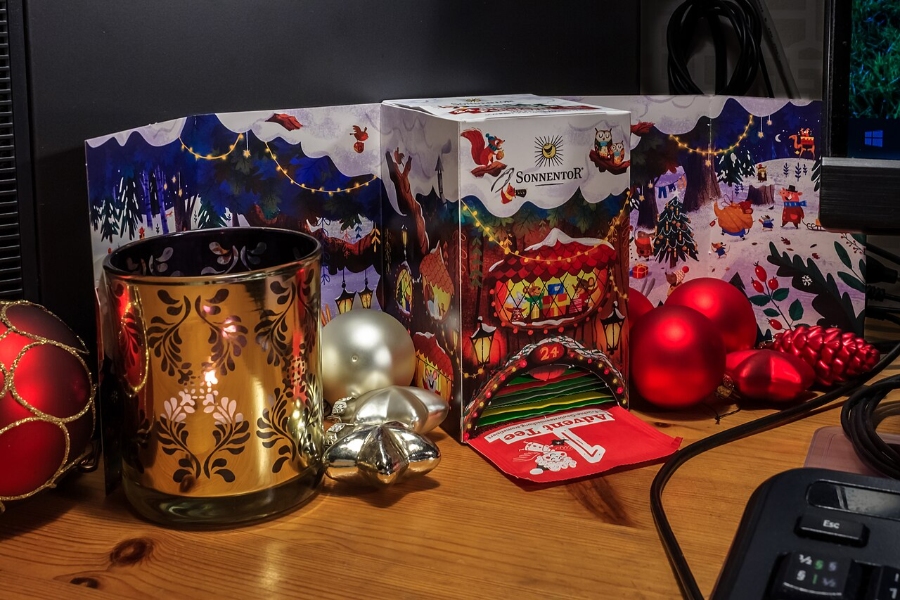
The advent calendar was invented in Germany in the 19th century. Early versions were simple chalk marks on doors or walls, but by the early 1900s, printed calendars with small doors hiding pictures or treats became popular. Today, German advent calendars range from simple paper versions to elaborate wooden calendars that become family heirlooms.
Advent Wreaths
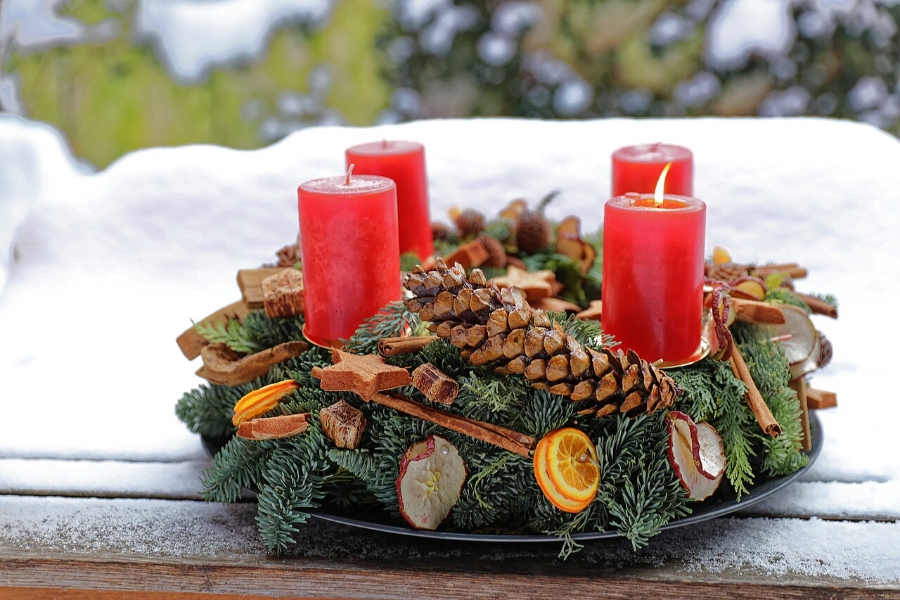
The advent wreath tradition began in Germany in the 16th century. Originally, Protestant pastor Johann Hinrich Wichern created a large wreath with 24 small candles and four large ones to help children count down to Christmas. Modern advent wreaths typically feature four candles, one lit each Sunday of Advent.
St. Nicholas Day (Nikolaustag)
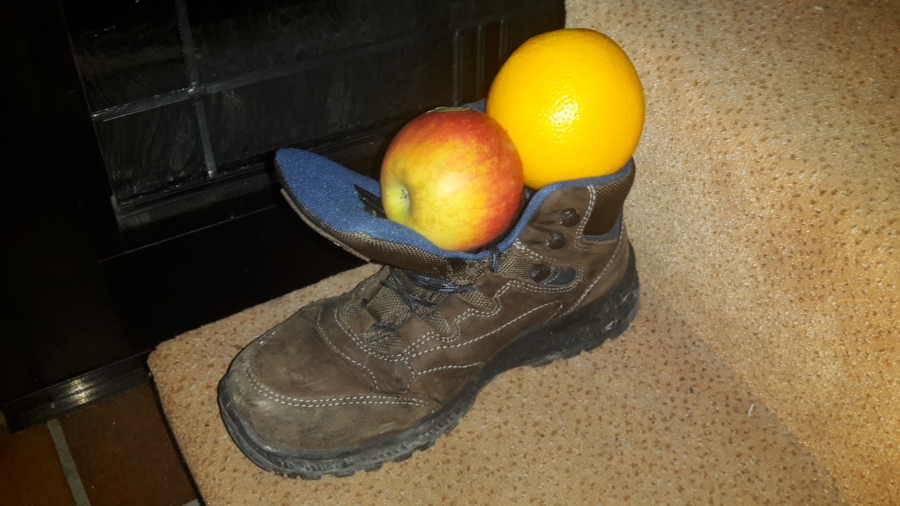
December 6th marks St.
Nicholas Day, when German children place shoes or boots outside their doors on the evening of December 5th. According to tradition, St. Nicholas (Sankt Nikolaus) fills well-behaved children’s shoes with nuts, chocolates, and small gifts, while naughty children might find coal or switches.
German Christmas Markets (Weihnachtsmärkte)
History and Development
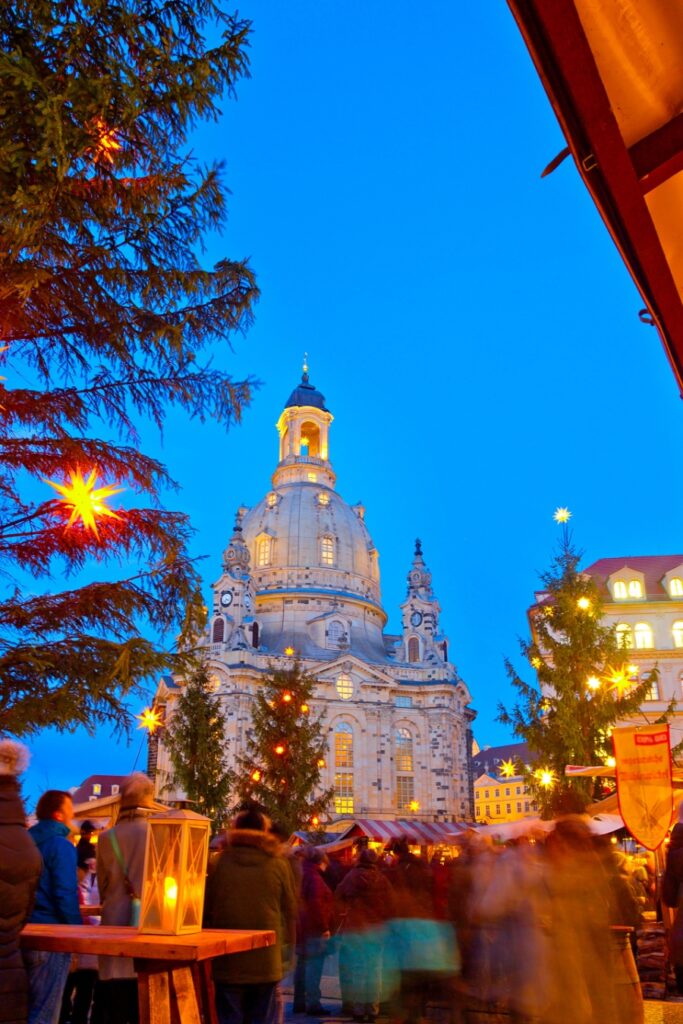
German Christmas markets date back to the Middle Ages, with Dresden’s Striezelmarkt claiming to be the oldest, established in 1434. These markets originally served practical purposes, allowing people to purchase meat and winter supplies before the long winter months, but gradually evolved into the magical holiday experiences we know today.
Famous German Christmas Markets
Nuremberg Christkindlmärkte
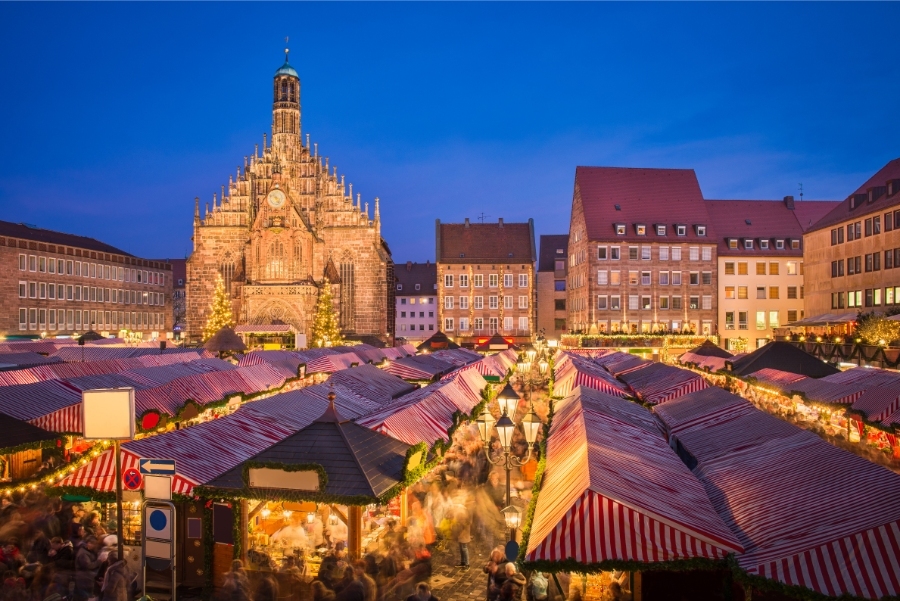
Perhaps the most famous Christmas market in the world, Nuremberg’s market dates to 1628. Key features include:
- The Christkind’s opening ceremony
- Traditional wooden stalls selling handcrafted ornaments
- Nuremberg bratwurst and lebkuchen (gingerbread)
- The children’s Christmas market with special activities
Dresden Striezelmarkt

Germany’s oldest Christmas market offers:
- Traditional Stollen (Christmas bread) baking demonstrations
- Handcrafted Erzgebirge wooden toys and nutcrackers
- The world’s largest Christmas pyramid
- Traditional carol performances
Cologne Christmas Markets

Cologne hosts multiple Christmas markets, including:
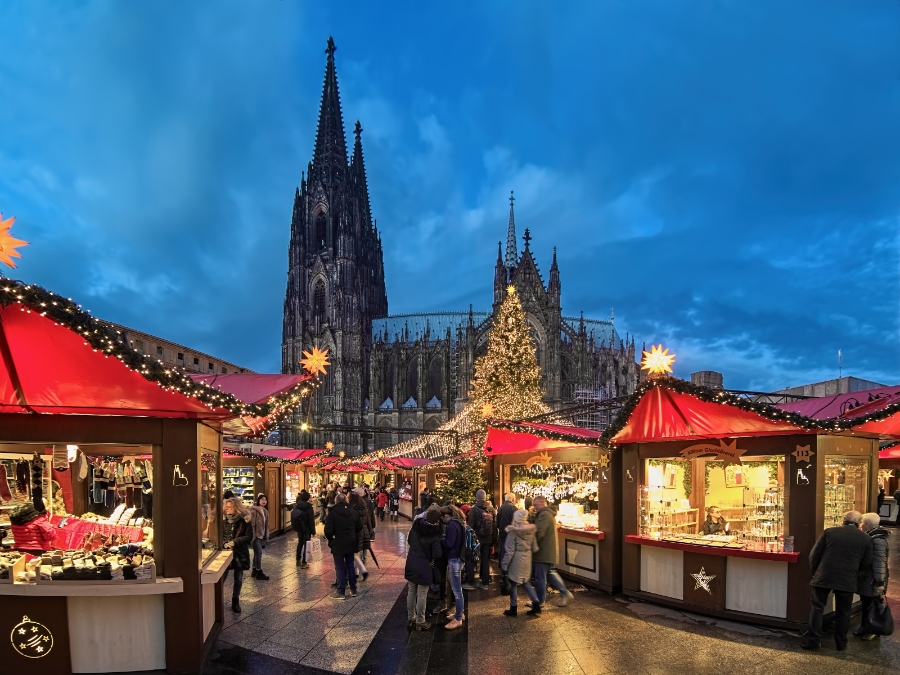
- The Cathedral Market with its Gothic backdrop
- The medieval market in the old town
- The romantic market on Rudolfplatz
- The harbor market with maritime themes
Christmas Market Traditions and Foods
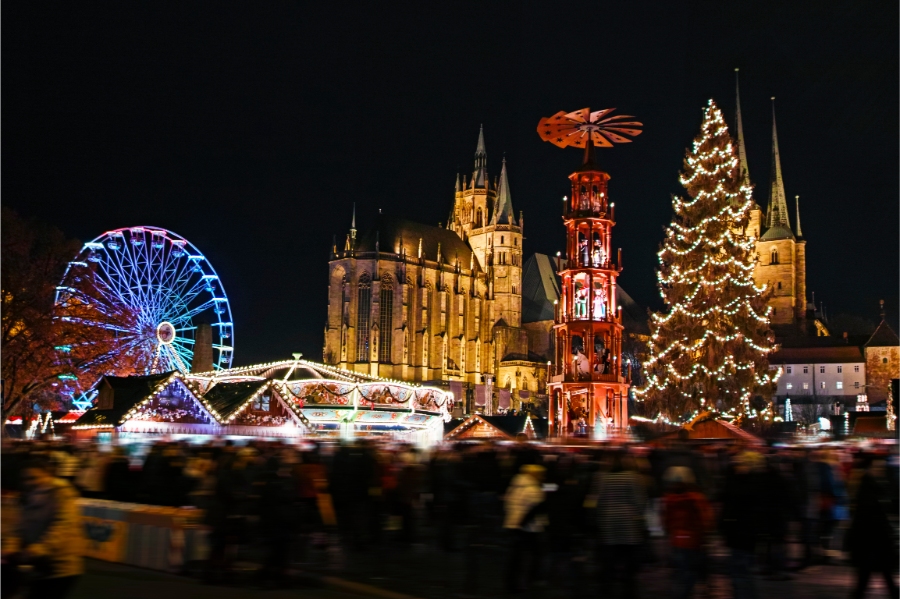
German Christmas markets feature distinctive traditions:
Glühwein
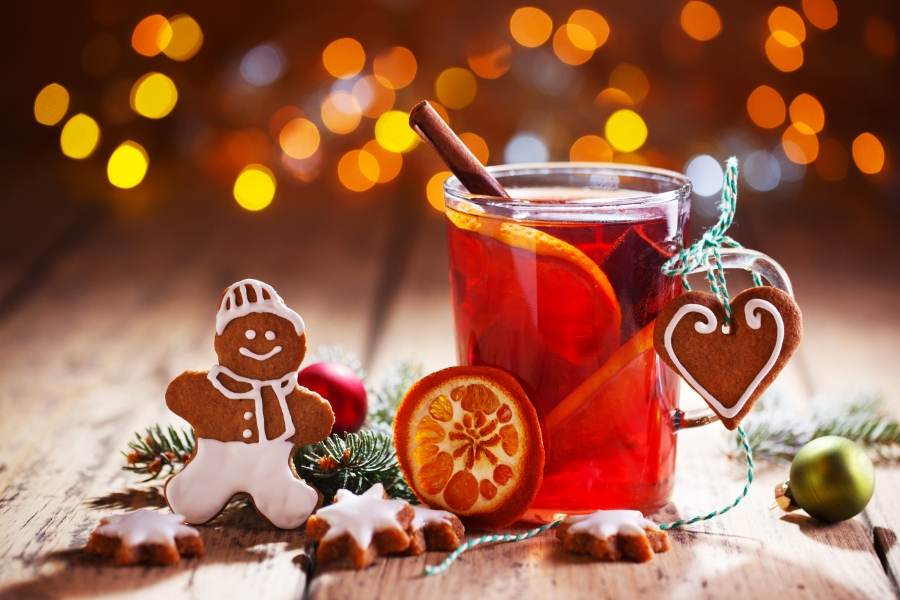
Mulled wine served in commemorative mugs is the signature drink of German Christmas markets. Each market often has its own special blend and unique mug design that visitors can keep as souvenirs.
Traditional Foods

- Lebkuchen: Spiced gingerbread cookies, often heart-shaped with messages
- Stollen: Traditional Christmas bread with dried fruits and marzipan
- Geröstete Mandeln: Roasted almonds with cinnamon and sugar
- Bratwurst: Grilled sausages served with mustard and bread
- Reibekuchen: Potato pancakes served hot from vendor stalls
Handcrafted Goods

- Wooden toys: Traditional carved toys from the Erzgebirge region
- Christmas ornaments: Hand-blown glass ornaments from Lauscha
- Nutcrackers: Carved wooden nutcrackers in various designs
- Candles and wreaths: Handmade Christmas decorations
Regional Christmas Traditions
Bavaria

Bavarian Christmas traditions include:
- Christkindlmärkte: Traditional Christmas markets with Alpine influences
- Christmas cookies: Elaborate cookie baking traditions passed down through generations
- Krampus celebrations: In some areas, particularly near the Austrian border
- Midnight Mass: Traditional Christmas Eve church services
Rhineland

Rhineland Christmas customs feature:
- Heinzelmännchen: Christmas elves who help with holiday preparations
- Christmas bread: Special regional bread varieties for the holidays
- River Christmas markets: Markets along the Rhine with unique river themes
- Cathedral celebrations: Christmas services in magnificent Gothic cathedrals
Northern Germany
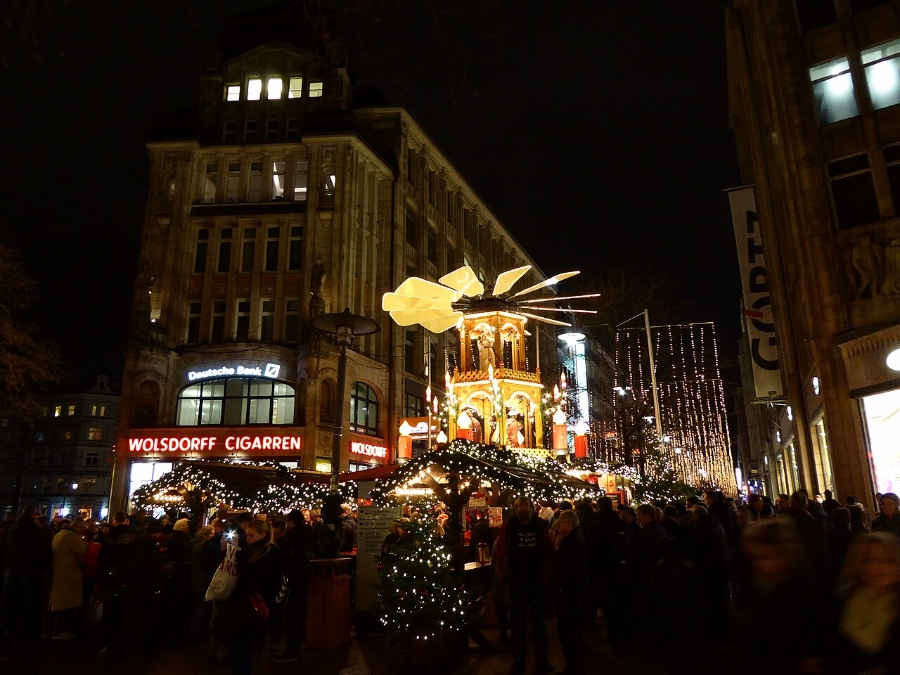
Northern German traditions include:
- Maritime Christmas: Coastal themes in decorations and celebrations
- Hanseatic traditions: Christmas customs influenced by trading history
- Christmas ships: Decorated boats in harbors and waterways
- Fish-based Christmas meals: Traditional seafood dishes for Christmas dinner
Eastern Germany

Eastern German Christmas traditions feature:
- Erzgebirge crafts: Traditional wooden Christmas decorations and toys
- Christmas pyramids: Wooden carousel-like decorations
- Sorbian customs: Unique Slavic-influenced Christmas traditions
- Christmas mining parades: Traditional parades featuring mining heritage
German Christmas Foods and Recipes
Stollen
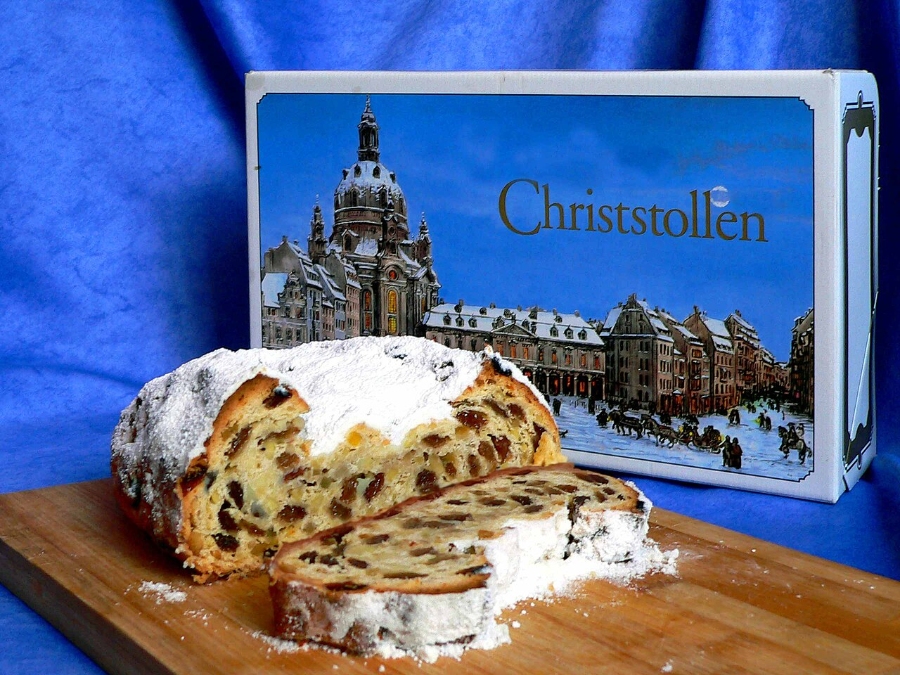
Dresden Stollen is perhaps Germany’s most famous Christmas bread. This rich, dense bread contains:
- Dried fruits (raisins, currants, candied citrus peel)
- Nuts (typically almonds)
- Marzipan center in traditional versions
- Powdered sugar coating
- Rum or brandy for flavor and preservation
Lebkuchen

German gingerbread comes in many varieties:
- Nürnberger Lebkuchen: Made without flour, using only nuts and spices
- Aachener Printen: Hard gingerbread cookies from Aachen
- Lebkuchenherzen: Heart-shaped gingerbread with icing messages
- Lebkuchenhaus: Gingerbread houses for decoration and eating
Christmas Cookies (Plätzchen)
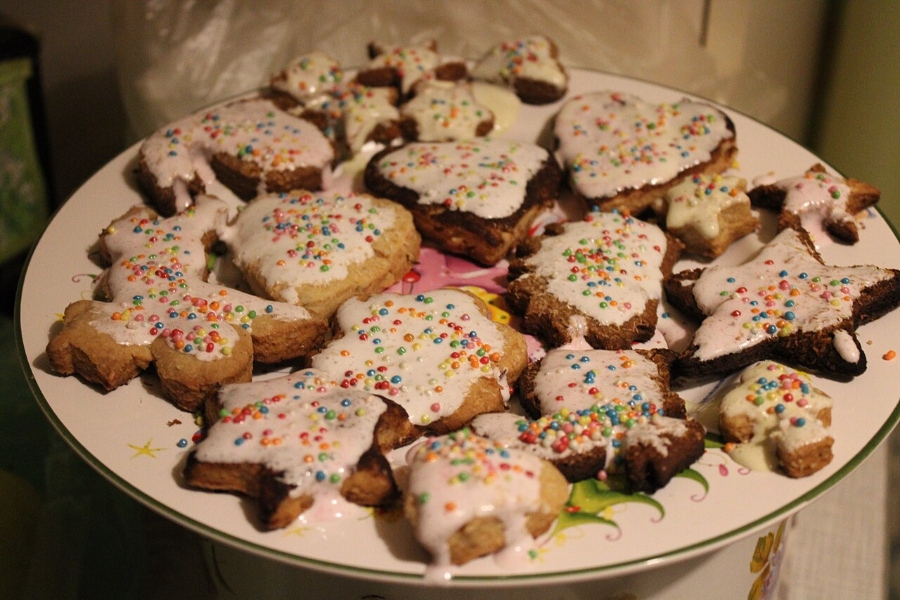
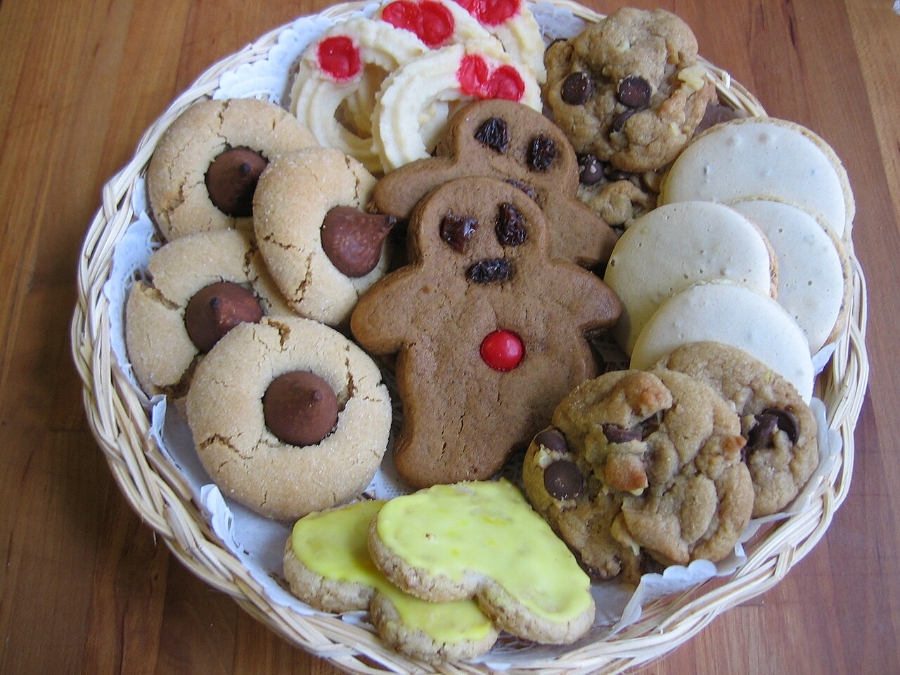
German families traditionally bake dozens of varieties of Christmas cookies:
- Zimtsterne: Cinnamon stars made with ground almonds
- Vanillekipferl: Crescent-shaped vanilla cookies
- Spritzgebäck: Piped butter cookies in various shapes
- Bethmännchen: Marzipan cookies with almonds
- Kokosmakronen: Coconut macaroons
Christmas Dinner Traditions
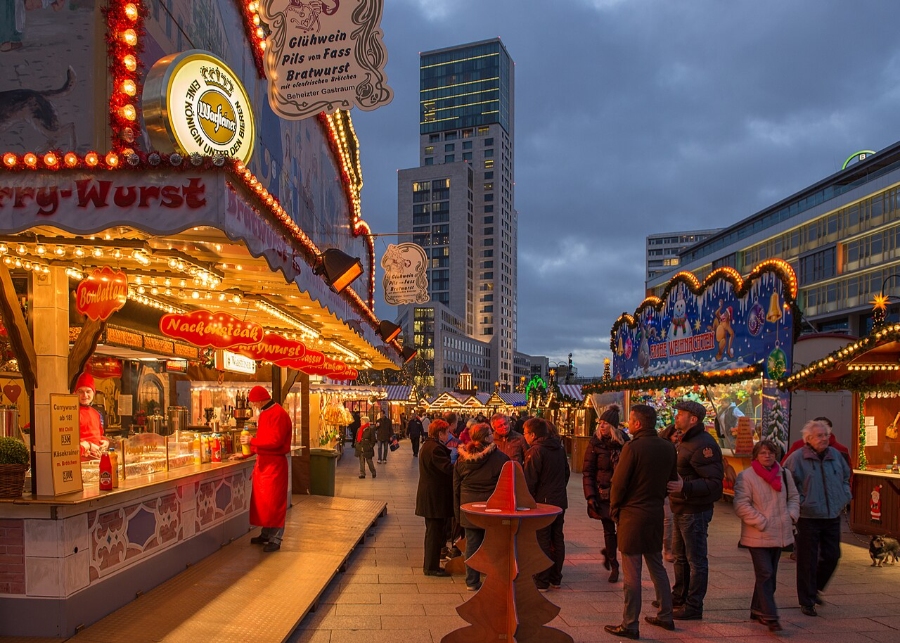
German Christmas meals vary by region but commonly include:
- Christmas Eve: Often simple meals like würst (sausages) or fish
- Christmas Day: Elaborate meals featuring roast goose, duck, or pork
- Side dishes: Red cabbage, potato dumplings, and seasonal vegetables
- Desserts: Stollen, Christmas cookies, and seasonal fruit
German Christmas Music and Carols
Silent Night (Stille Nacht)
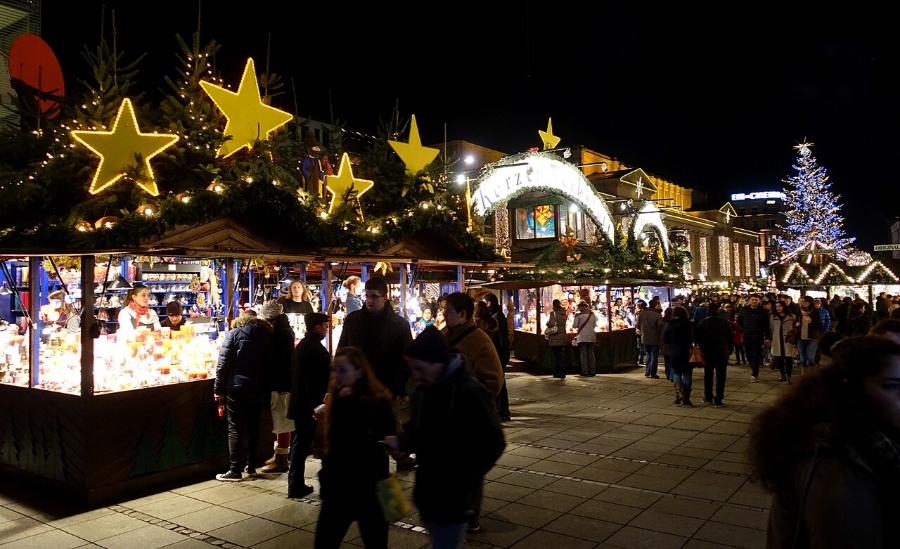
Though technically Austrian, “Silent Night” was written near the German border and quickly became popular throughout German-speaking regions. It remains the world’s most translated Christmas carol.
Traditional German Christmas Carols
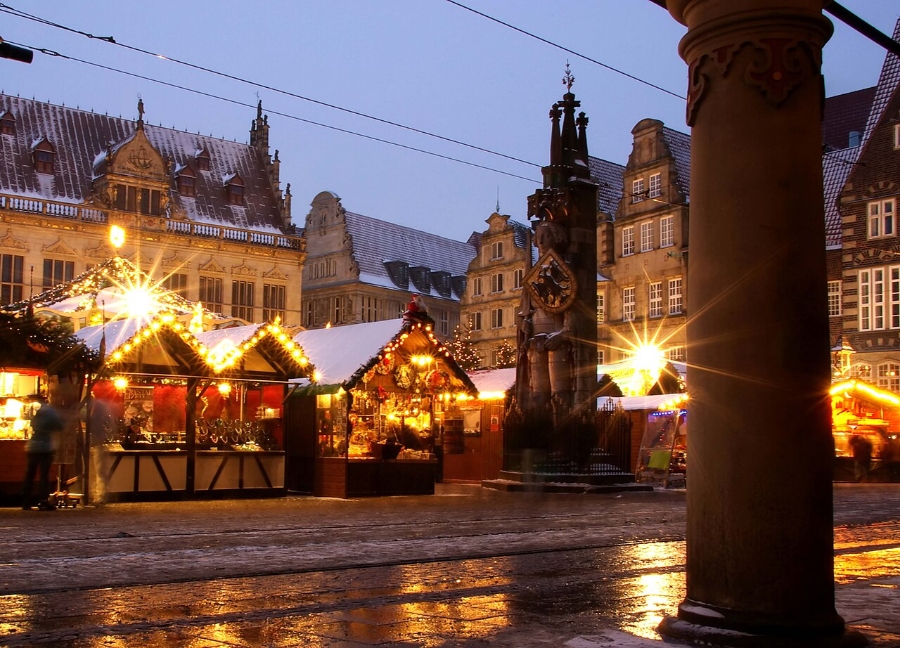
- “O Tannenbaum”: The Christmas tree song known worldwide
- “Es ist ein Ros entsprungen”: “Lo, How a Rose E’er Blooming”
- “Vom Himmel hoch”: “From Heaven Above to Earth I Come”
- “Ihr Kinderlein kommet”: “O Come, Little Children”
Christmas Concert Traditions
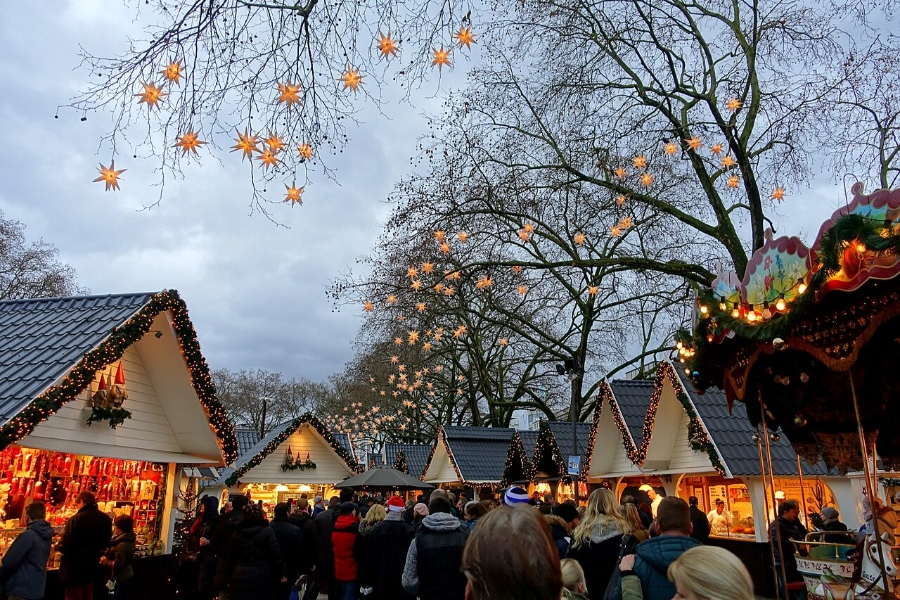
German Christmas music traditions include:
- Church concerts: Special Christmas performances in historic churches
- Christmas markets concerts: Outdoor carol singing and instrumental performances
- School pageants: Children’s Christmas plays and musical performances
- Community choirs: Local choral groups performing traditional carols
Christmas Decorations and Crafts
Glass Ornaments
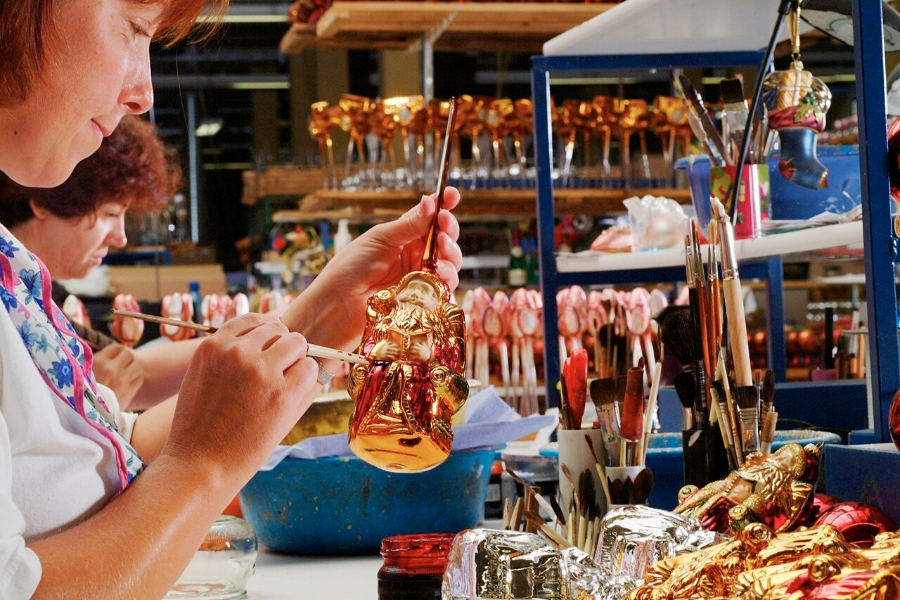
Germany pioneered glass Christmas ornament production in the town of Lauscha in the 1840s. German glass ornaments are characterized by:
- Delicate hand-blown construction
- Intricate painted designs
- Traditional shapes (balls, icicles, figurines)
- Silvering process for reflective finish
Nutcrackers

Erzgebirge nutcrackers are iconic German Christmas decorations:
- Traditional designs: Kings, soldiers, and fairy tale characters
- Functional vs. decorative: Many are purely ornamental
- Handcrafted quality: Carved and painted by skilled artisans
- Collectible appeal: Many families collect nutcrackers annually
Christmas Pyramids
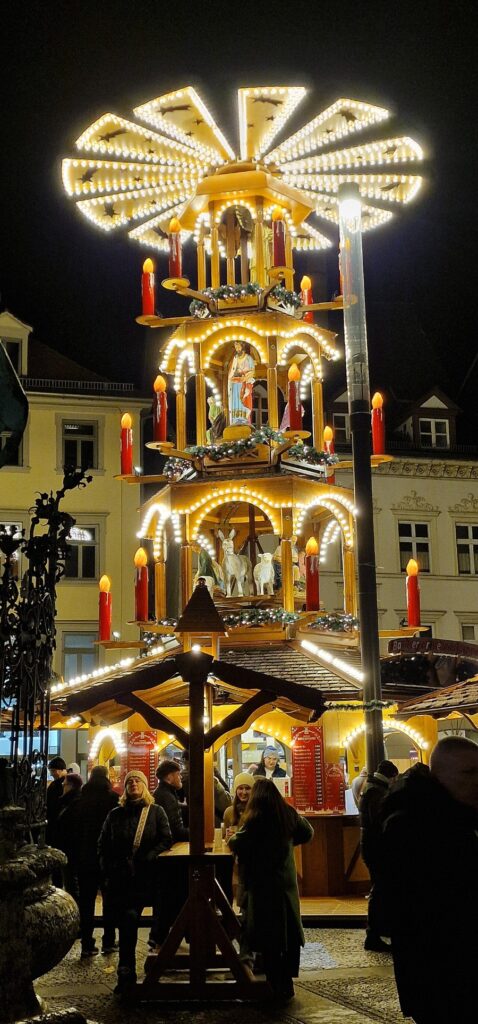
Wooden Christmas pyramids (Weihnachtspyramiden) are rotating decorations featuring:
- Multiple tiers with Christmas scenes
- Candle-powered rotation mechanism
- Intricate carved figures and landscapes
- Erzgebirge regional specialty
Modern German Christmas Celebrations
Family Traditions
Contemporary German families typically celebrate Christmas with:
- Advent activities: Calendar countdowns and Sunday candle lighting
- Cookie baking: Multi-generational baking sessions
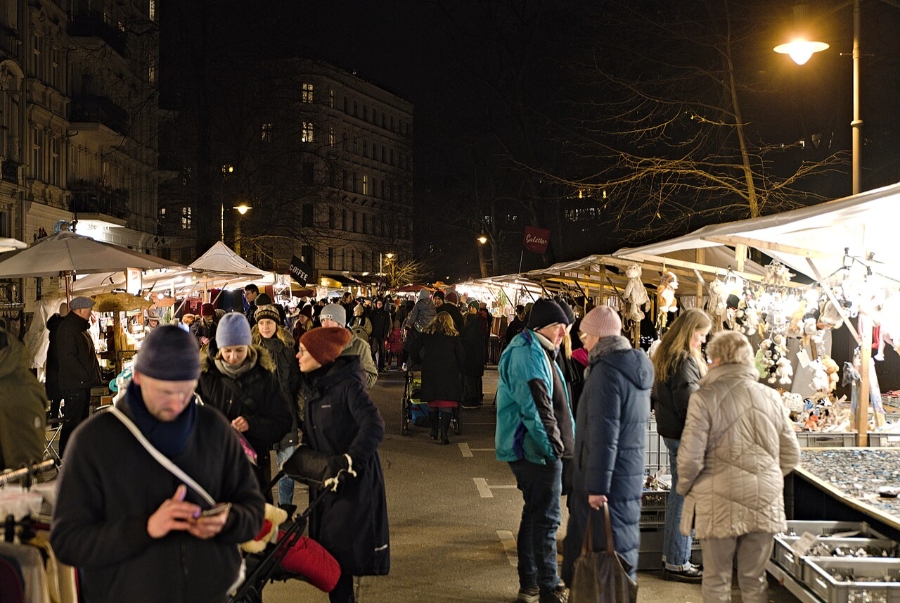
- Market visits: Family trips to local Christmas markets
- Gift giving: Presents exchanged on Christmas Eve
Christmas Eve (Heiligabend)
Christmas Eve is the main celebration day in Germany:
- Morning: Final preparations and church services
- Afternoon: Family gatherings and traditional meals
- Evening: Gift exchange and Christmas tree lighting
- Night: Midnight church services for many families
Christmas Day and Boxing Day
December 25th and 26th are national holidays:
- Christmas Day: Family visits and elaborate dinners
- Boxing Day (Zweiter Weihnachtsfeiertag): Extended family gatherings
- Activities: Winter walks, sledding, and continued celebrations
- Rest and reflection: Quiet family time
Visiting Germany During Christmas
Best Times to Visit
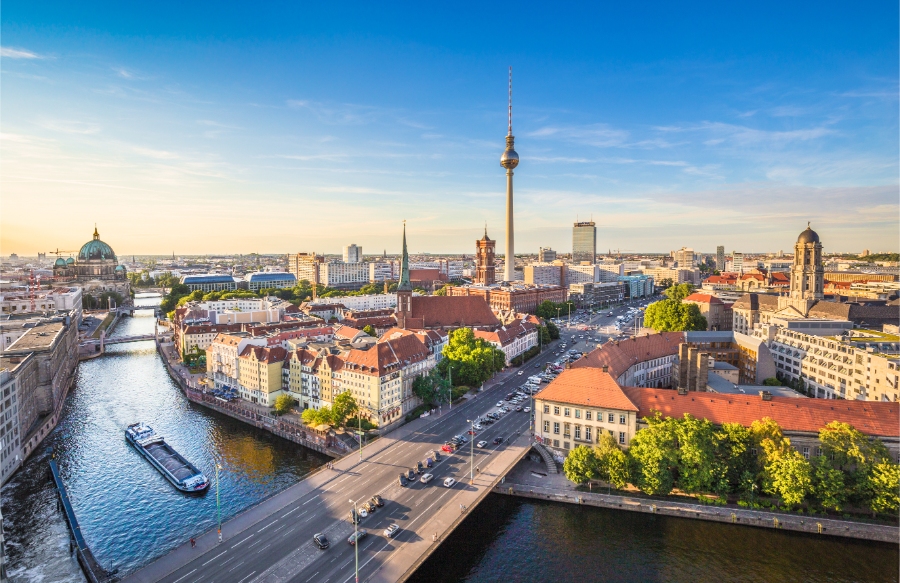
- Late November – December 23: Christmas markets are open
- December 24-26: Traditional family celebration period
- December 27-31: Between Christmas and New Year activities
- Weather considerations: Cold temperatures, possible snow
What to Expect
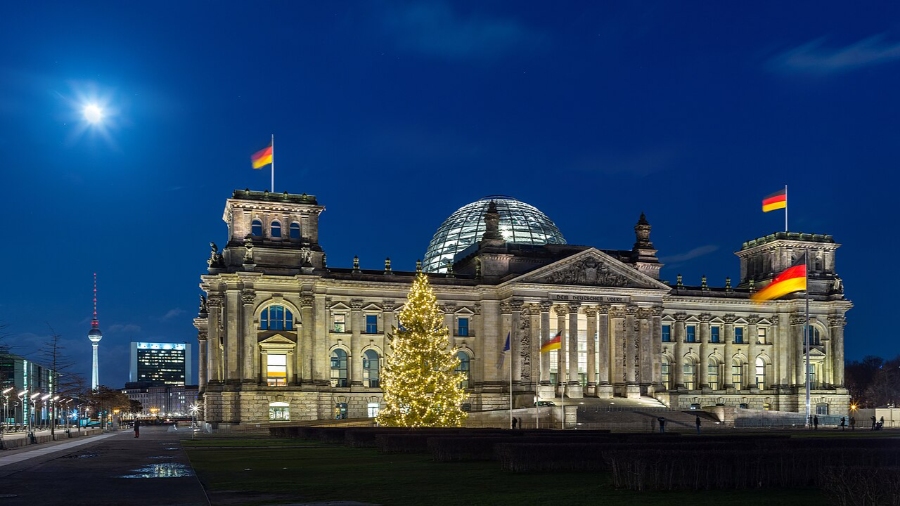
- Shop closures: Most stores close December 24-26
- Restaurant availability: Limited dining options on Christmas Eve and Day
- Transportation: Reduced schedules during holidays
- Accommodation: Book early, especially near Christmas markets
Christmas Market Etiquette

- Glühwein mugs: Keep as souvenirs or return for deposit refund
- Cash preferred: Bring euros for market purchases
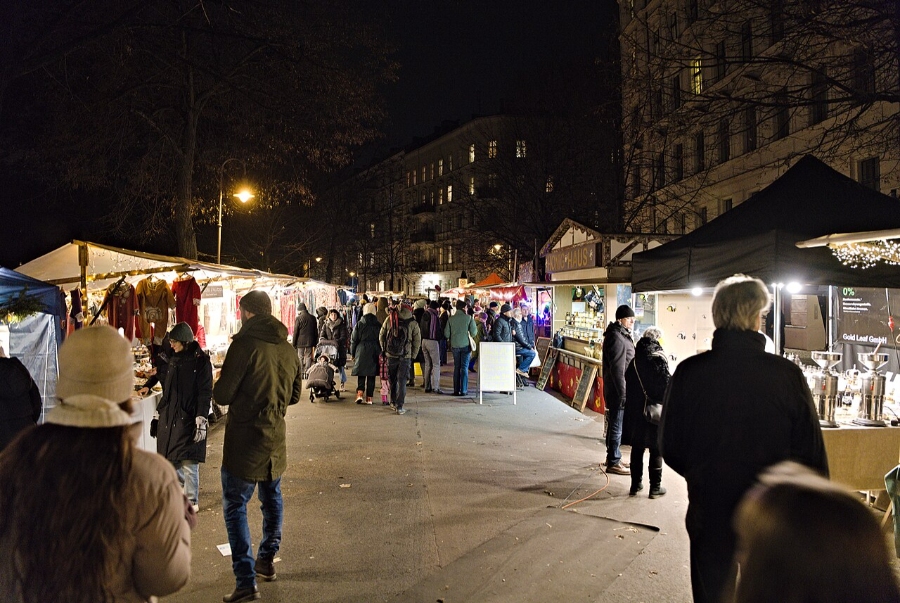
- Crowds: Expect busy markets, especially weekends
- Opening hours: Most markets open daily until Christmas Eve
The Global Impact of German Christmas Traditions
International Influence
German Christmas traditions have profoundly influenced holiday celebrations worldwide:
- Christmas trees: Now universal Christmas symbols
- Advent calendars: Popular countdown tradition globally
- Christmas markets: Replicated in cities worldwide
- Christmas carols: German songs translated into dozens of languages
Cultural Exchange
Modern German Christmas celebrations also incorporate international influences:
- Santa Claus: American Santa figure alongside traditional Nikolaus
- Christmas cards: Victorian-era British tradition adopted
- International foods: Global Christmas treats in markets
- Modern decorations: Contemporary styles mixed with traditional crafts
Preserving German Christmas Heritage
Craft Preservation
Efforts to maintain traditional Christmas crafts include:
- Artisan training: Master craftsmen passing skills to new generations
- Quality standards: Protected designations for traditional products
- Museum preservation: Christmas museums documenting traditions
- Cultural events: Demonstrations and workshops at markets
Community Traditions
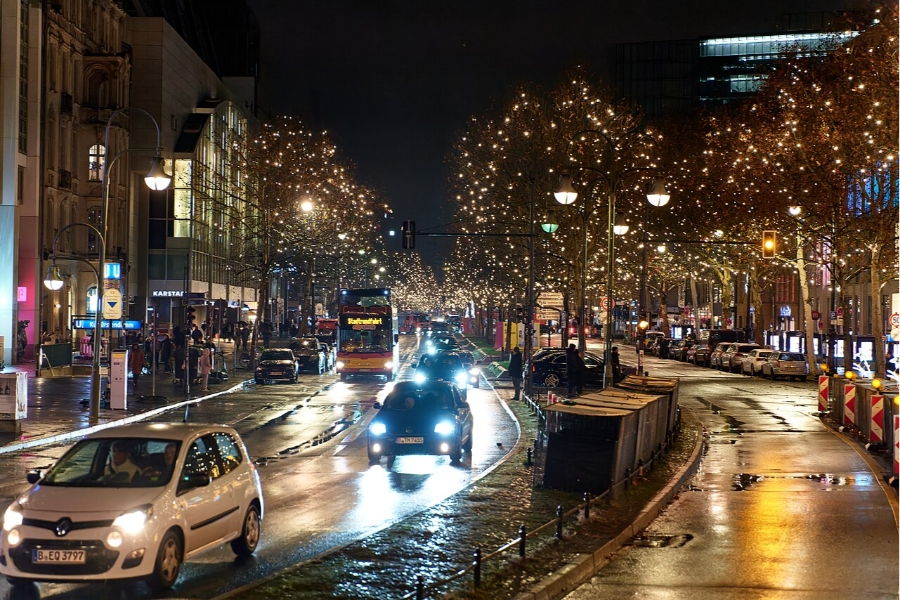
Local communities work to preserve Christmas traditions through:
- Market organization: Local committees maintaining authentic markets
- School programs: Teaching children traditional crafts and songs
- Cultural associations: Groups dedicated to preserving regional customs
- Tourism initiatives: Promoting authentic Christmas experiences
Experience the Magic of German Christmas

German Christmas traditions offer a perfect blend of historical significance, cultural richness, and magical atmosphere that continues to enchant visitors from around the world. Whether you’re exploring the bustling Christmas markets of Nuremberg, marveling at handcrafted ornaments in Lauscha, or enjoying traditional stollen in Dresden, Germany provides authentic Christmas experiences that connect you to centuries of holiday tradition. The country’s commitment to preserving these customs while adapting to modern times ensures that the magic of German Christmas will continue to inspire and delight future generations. Plan your visit to experience these timeless traditions firsthand and discover why Germany remains the heart of global Christmas celebrations.
Frequently Asked Questions
What makes German Christmas traditions different from other countries?
German Christmas traditions are unique because many originated here and spread worldwide. Germany is the birthplace of the Christmas tree, advent calendar, Christmas markets, and many beloved carols. German celebrations emphasize family gatherings on Christmas Eve, handcrafted decorations, and extensive cookie baking traditions that span weeks.
Why do Germans celebrate Christmas on December 24th instead of December 25th?
Germans celebrate Heiligabend (Christmas Eve) as the main gift-giving day, following the tradition that Jesus was born on the evening of December 24th. Christmas Day and Boxing Day (December 26th) are spent with extended family, attending church services, and enjoying elaborate meals together.
What is the significance of the German Christmas pyramid?
Christmas pyramids (Weihnachtspyramiden) originated in the Erzgebirge region as wooden carousels powered by candle heat. They depict nativity scenes, local life, and Christmas stories across multiple rotating tiers. These handcrafted decorations represent German woodworking excellence and regional Christmas traditions.
How do Germans make traditional Christmas cookies?
German families typically bake dozens of cookie varieties (Plätzchen) starting in November. Popular types include Zimtsterne (cinnamon stars), Vanillekipferl (vanilla crescents), and Lebkuchen (gingerbread). Baking is often a multi-generational family activity with recipes passed down through families for centuries.
What is Stollen and why is it important?
Stollen is Dresden’s traditional Christmas bread, dense with dried fruits, nuts, and often marzipan, dusted with powdered sugar. It symbolizes the Christ child wrapped in swaddling clothes. Authentic Dresden Stollen has protected designation status and must be made following traditional recipes and methods.
Are German Christmas markets only about shopping?
No! Christmas markets are cultural experiences featuring live music, traditional crafts demonstrations, children’s activities, and community gathering spaces. They preserve medieval trading traditions while providing social venues for friends and families to celebrate together with seasonal food and drinks.
What does “O Tannenbaum” mean and why is it important?
“O Tannenbaum” means “O Christmas Tree” and is one of Germany’s most famous Christmas carols, celebrating the evergreen tree as a symbol of faithfulness and hope. The song has been translated worldwide and represents Germany’s gift of the Christmas tree tradition to global Christmas celebrations.
How do German Advent calendars work?
Traditional German Advent calendars count down the 24 days of December until Christmas Eve. Each day, children open a small door revealing a picture, Bible verse, or tiny gift. Modern versions include chocolate or small toys, but the original concept helped children understand the waiting period before Christ’s birth.
What are German Christmas ornaments made from?
Traditional German Christmas ornaments are hand-blown glass from Lauscha, wooden figures from the Erzgebirge region, and gingerbread cookies. Glass ornaments feature intricate painted designs and silvering for reflective shine. These craftsman-made decorations are collected worldwide as authentic German Christmas treasures.
Can visitors participate in German Christmas traditions?
Absolutely! Visitors can attend Christmas markets, participate in cookie baking workshops, join Christmas tree decorating events, attend Christmas concerts in churches, and even stay with German families during the holidays. Many cities offer special Christmas tradition tours and cultural experiences for international guests.