The Romantic Road
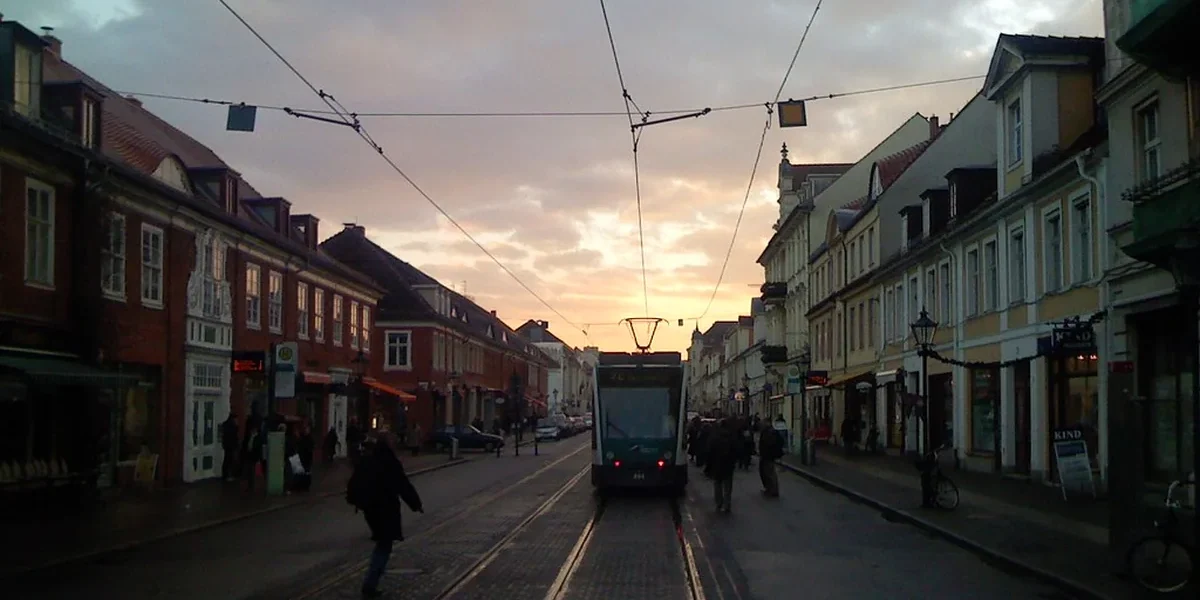
The Romantic Road (Romantische Straße) is Germany’s oldest and most famous themed touring route, a 400-kilometer ribbon of asphalt threading from the wine country of Würzburg in Franconia south to the alpine foothills of Füssen in Bavaria. Conceived in 1950 by regional tourism officials seeking to revive postwar travel and showcase towns that had miraculously escaped Allied bombing, the route strings together walled medieval settlements, baroque palaces, half-timbered market squares, and the fairytale silhouette of Neuschwanstein Castle. It is not a single highway but a signposted corridor of country roads passing through roughly 30 towns and villages across Franconia, Swabia, and Bavaria—a cross-section of German history spanning Roman settlements, the Holy Roman Empire, the Thirty Years’ War, and Ludwig II’s 19th-century romantic fantasies.
Despite the name, “romantic” here refers to 19th-century Romanticism’s fascination with medieval Germany rather than couples’ getaways—though the route delivers plenty of that atmosphere too. What makes it endure as Germany’s top touring itinerary is variety within a manageable distance: you move from Franconian vineyards to Swabian farmland to Bavarian mountains in a single day’s drive, with UNESCO-caliber architecture at nearly every stop.
Top Highlights & Architectural Wonders
- Würzburg — The starting point, home to the UNESCO-listed Würzburg Residence, a baroque palace with Tiepolo’s largest ceiling fresco in the world, surrounded by Franconian vineyards along the Main River.
- Rothenburg ob der Tauber — The route’s postcard town: intact medieval walls, the Plönlein junction, and the Christmas Museum. Walk the town walls at dawn before tour buses arrive.
- Dinkelsbühl — A walled town rivaling Rothenburg but with far fewer crowds; its Kinderzeche festival (mid-July) reenacts a 1632 legend that saved the town from Swedish troops.
- Nördlingen — Built inside a 15-million-year-old meteorite crater (the Ries), with a completely intact circular town wall walkable in about an hour.
- Augsburg — One of Germany’s oldest cities (founded 15 BC by the Romans), featuring the Fuggerei, the world’s oldest social housing complex still in use, with rents still fixed at roughly €1 per year.
- Neuschwanstein Castle — Ludwig II’s 19th-century fantasy castle near Füssen, the architectural inspiration for Disney’s Cinderella Castle and the route’s dramatic finale.
Practical Visitor Information
The route itself is free and open around the clock, since it’s simply a designated series of public roads rather than a ticketed attraction. Costs come from individual sights along the way.
| Sight | Entry Fee | Hours |
|---|---|---|
| Würzburg Residence | €9 | 9:00–18:00 (Apr–Oct), 10:00–16:30 (Nov–Mar) |
| Rothenburg Town Walls | Free | 24/7 |
| Nördlingen Town Wall Walk | Free (donations welcome) | Daylight hours |
| Fuggerei, Augsburg | €8 (incl. museum) | 9:00–20:00 |
| Neuschwanstein Castle | €21 (adults), €1 online booking fee | 9:00–18:00 (summer), 10:00–16:00 (winter) |
Book Neuschwanstein tickets online in advance via the official ticket center in Hohenschwangau—same-day tickets frequently sell out, especially May through September.
How to Get There
Driving is the most flexible option, and the full route takes 5-7 driving days if done leisurely, though many visitors complete a highlights version in 3-4 days. Rent a car in Frankfurt or Munich; the road is well-signposted with brown “Romantische Straße” markers.
Without a car, Deutsche Bahn regional trains (RE and RB lines) connect most major stops: Frankfurt–Würzburg (ICE, ~1h15), Würzburg–Steinach with a connecting bus to Rothenburg, Augsburg–Munich (RE, ~40 min), and Füssen reachable via RE from Munich (about 2 hours). The seasonal Romantic Road Coach (April–October) is a dedicated bus service linking the major towns directly, useful for travelers without a car, though it now runs on a reduced schedule—check current timetables before relying on it.
Best Time to Visit & Seasonal Events
Late April to early June and September to mid-October offer the best balance of mild weather and manageable crowds. July and August bring peak tourist traffic, particularly in Rothenburg and at Neuschwanstein. December transforms Rothenburg and Dinkelsbühl into two of Germany’s most beloved Christmas market towns, with Rothenburg’s Reiterlesmarkt running late November through December 23.
Local Insider Tips
- Stay overnight in Rothenburg or Dinkelsbühl rather than day-tripping—both towns empty of tour buses by early evening, revealing their genuine medieval character.
- Skip Rothenburg’s crowded high season and visit Dinkelsbühl instead for a nearly identical experience with a fraction of the visitors.
- For Neuschwanstein, book the earliest tour slot (usually 9:00) and hike up to Marienbrücke bridge beforehand for the classic postcard view before crowds arrive.
- Try Franconian wine (Frankenwein, sold in distinctive round Bocksbeutel bottles) in Würzburg’s wine taverns rather than typical Bavarian beer halls.
Nearby Excursions & Day Trips
From Füssen, the Alpine spa town of Hohenschwangau and Schwangau’s Tegelberg cable car offer mountain views over both royal castles. From Augsburg, Munich is 40 minutes by train, making it easy to combine the route’s end with Bavaria‘s capital. Near Würzburg, the vineyard villages of the Franconian wine route make a pleasant detour for those interested in local viticulture.
💡 Visitor Tips & Best Experience
Stay overnight in Rothenburg or Dinkelsbühl to avoid day-tripper crowds; visit Dinkelsbühl as a quieter alternative to Rothenburg; book Neuschwanstein tickets online in advance and take the earliest tour slot
🚆 How to Get There & Public Transit
Self-drive recommended; DB regional trains (RE/RB) connect major towns; seasonal Romantic Road Coach bus (April–October) links key stops