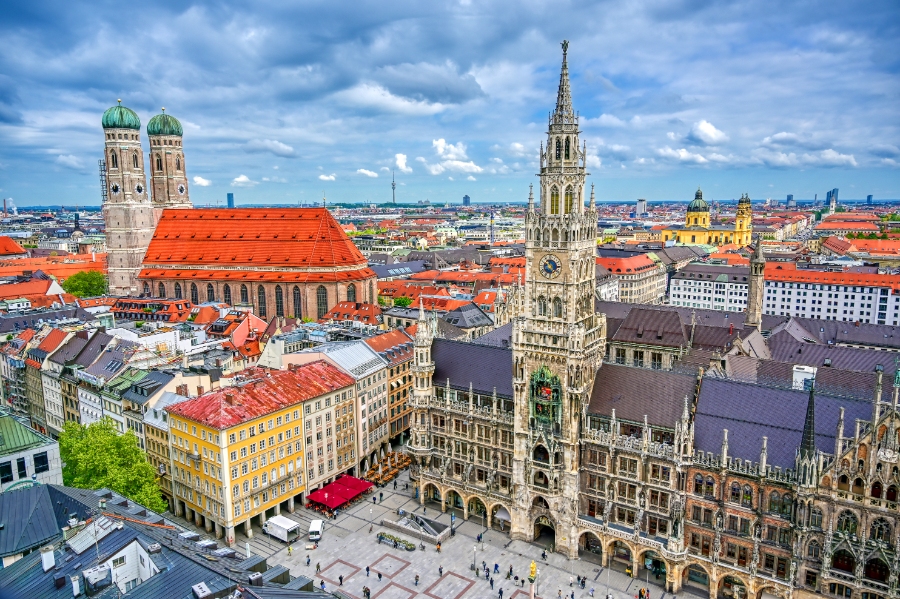
Stepping into Germany for the first time is an exciting adventure filled with historic cities, stunning landscapes, and rich cultural experiences. Whether you’re drawn by fairy-tale castles, world-class museums, or the promise of perfect beer and pretzels, Germany offers first-time visitors an incredible blend of old-world charm and modern sophistication. This comprehensive guide covers everything you need to know to make your first German adventure smooth, memorable, and absolutely magical.
Essential Pre-Trip Planning
Entry Requirements and Documentation

- Passport Validity: Must be valid for at least 3 months beyond your planned departure date
- Visa Requirements: EU/US/UK/Canadian citizens can stay up to 90 days without a visa
- Travel Insurance: Highly recommended and sometimes required for entry
- COVID-19 Updates: Check current health requirements before travel
When to Visit Germany

- Spring (March-May): Mild weather, blooming landscapes, fewer crowds
- Summer (June-August): Peak season with warm weather and festivals
- Fall (September-November): Beautiful foliage, Oktoberfest, harvest season
- Winter (December-February): Christmas markets, winter sports, lower prices
20 Essential Tips for First-Time Visitors
1. Master Basic German Phrases

While many Germans speak English, learning basic phrases shows respect and opens doors. Essential phrases include:
- “Guten Tag” (Good day) – Standard greeting
- “Danke” (Thank you) / “Bitte” (Please/You’re welcome)
- “Entschuldigung” (Excuse me/Sorry)
- “Sprechen Sie Englisch?” (Do you speak English?)
2. Understand the Cash Culture

Germany remains largely a cash-based society, especially for small purchases. Many restaurants, shops, and even some hotels prefer cash over cards.
- Always carry euros in small denominations
- ATMs (Geldautomat) are widely available
- Notify your bank of travel plans to avoid card blocks
3. Respect Punctuality
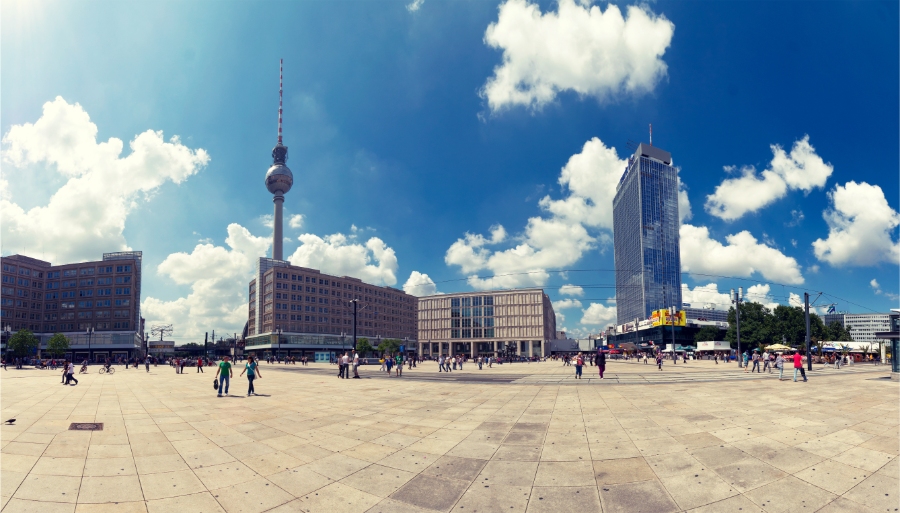
Germans value punctuality highly. Being on time is considered basic courtesy:
- Arrive exactly on time for appointments
- Trains and buses run precisely on schedule
- Restaurant reservations are taken seriously
4. Navigate Public Transportation Like a Pro
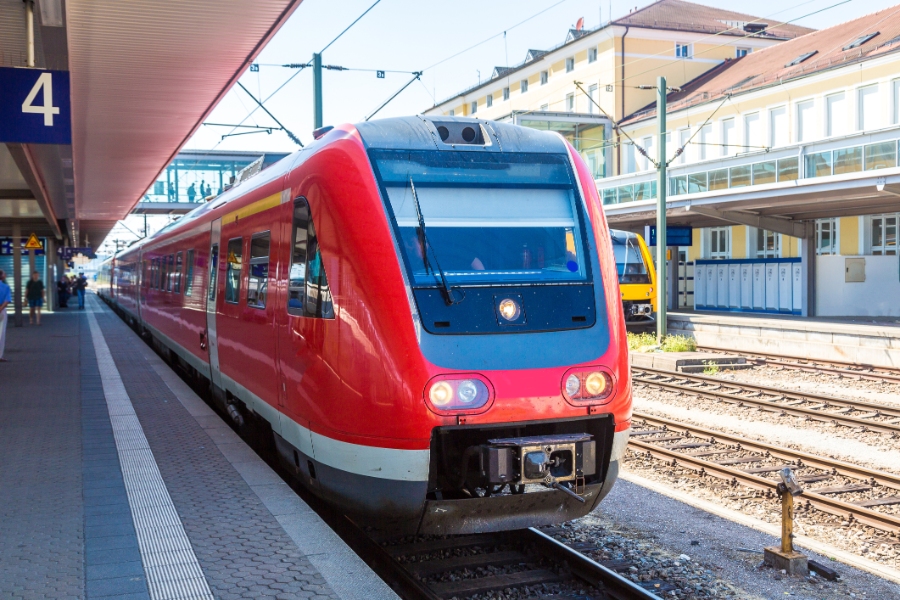
Germany’s public transportation is efficient and comprehensive:
- Purchase tickets before boarding (validate them!)
- Download DB Navigator app for train schedules
- Consider day passes for multiple trips
- Respect quiet zones on trains
5. Embrace Sunday Closures

Most shops close on Sundays, a tradition deeply rooted in German culture:
- Stock up on groceries Saturday
- Gas stations and train stations have limited supplies
- Restaurants and cultural sites remain open
- Use Sundays for museums, parks, and relaxation
6. Master Restaurant Etiquette

German dining culture has specific customs:
- Wait to be seated in restaurants
- Keep hands visible on the table
- Say “Guten Appetit” before eating
- Tipping: Round up or add 5-10%
7. Understand Beer Garden Culture

Beer gardens are quintessentially German experiences:
- Self-service is common – order at the counter
- You can bring your own food (but not drinks)
- Share tables with strangers – it’s part of the experience
- Return your beer steins to designated areas
8. Pack for Variable Weather
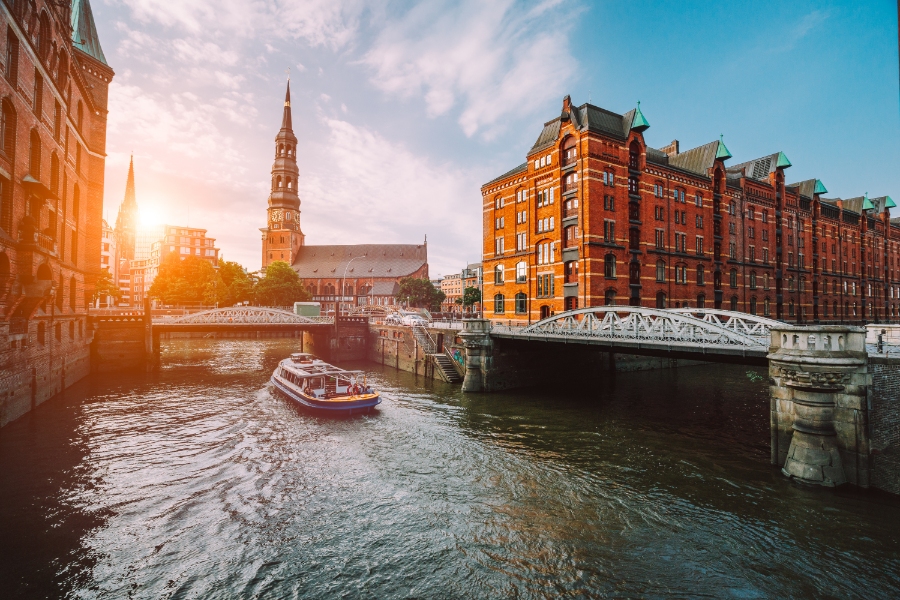
German weather can be unpredictable:
- Layer clothing for temperature changes
- Always carry a light rain jacket
- Comfortable walking shoes are essential
- Dress slightly more formally than in the US
9. Use Proper Recycling
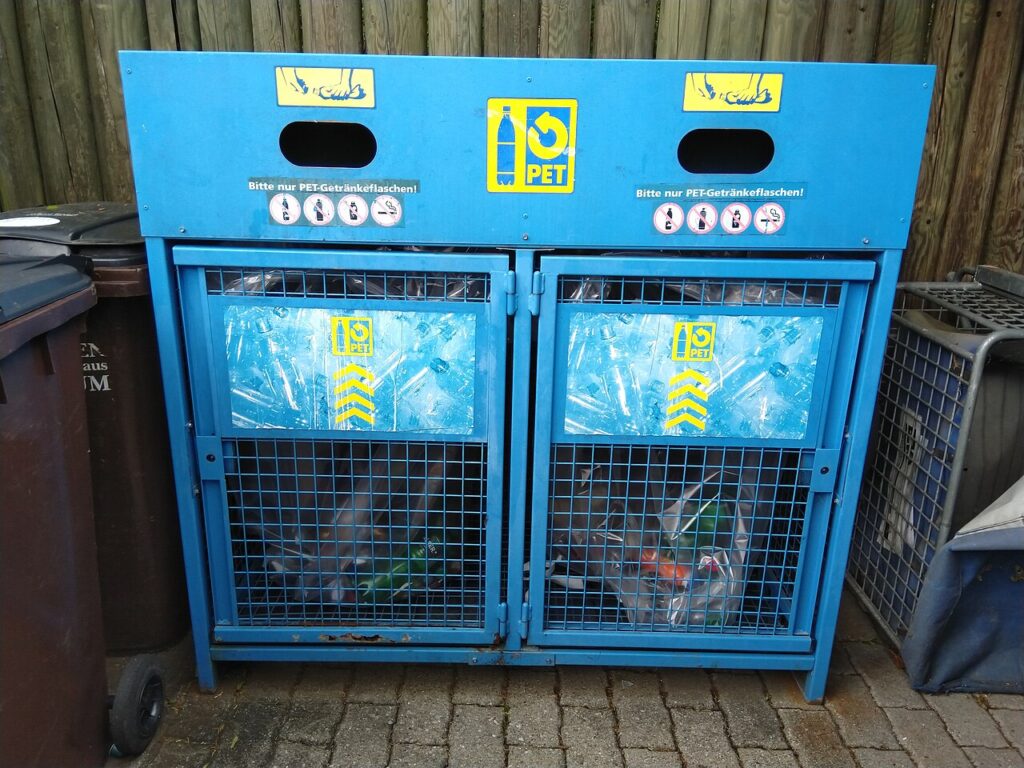
Germans take recycling seriously with complex sorting systems:
- Learn color-coded bin systems
- Return bottles for Pfand (deposit refund)
- Separate glass by color
- Follow local recycling rules carefully
10. Respect Quiet Hours
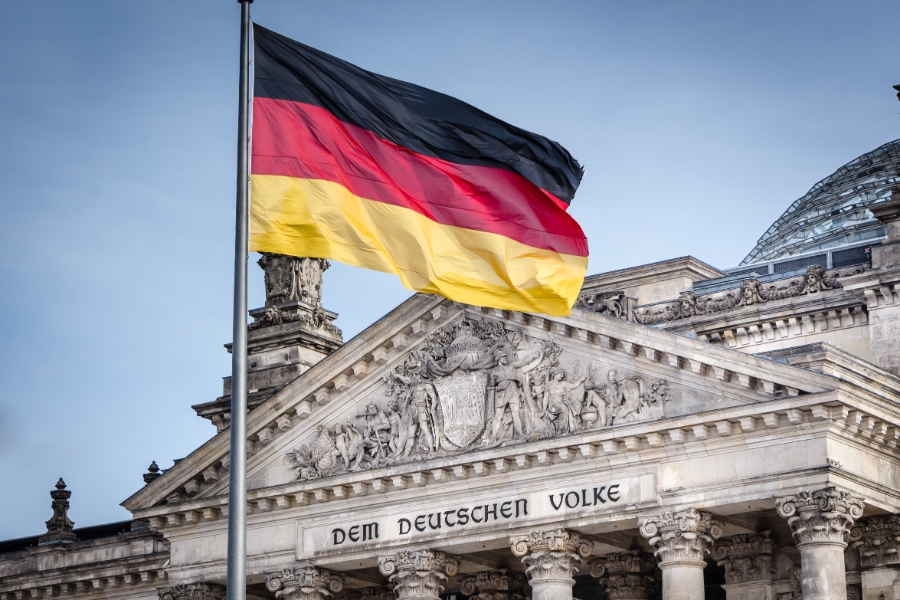
“Ruhezeit” (quiet time) is strictly observed:
- 10 PM – 6 AM on weekdays
- All day Sunday in residential areas
- No loud music, vacuum cleaning, or DIY
- Keep voices down in apartments
11. Navigate German Bureaucracy

Be prepared for thorough processes:
- Keep all receipts and documents
- Forms often require specific formats
- Patience is essential
- Consider things take time
12. Understand Autobahn Rules

If driving, know the highway customs:
- No speed limit doesn’t mean drive recklessly
- Left lane is for passing only
- Never pass on the right
- Watch for speed limit changes
13. Experience Local Markets
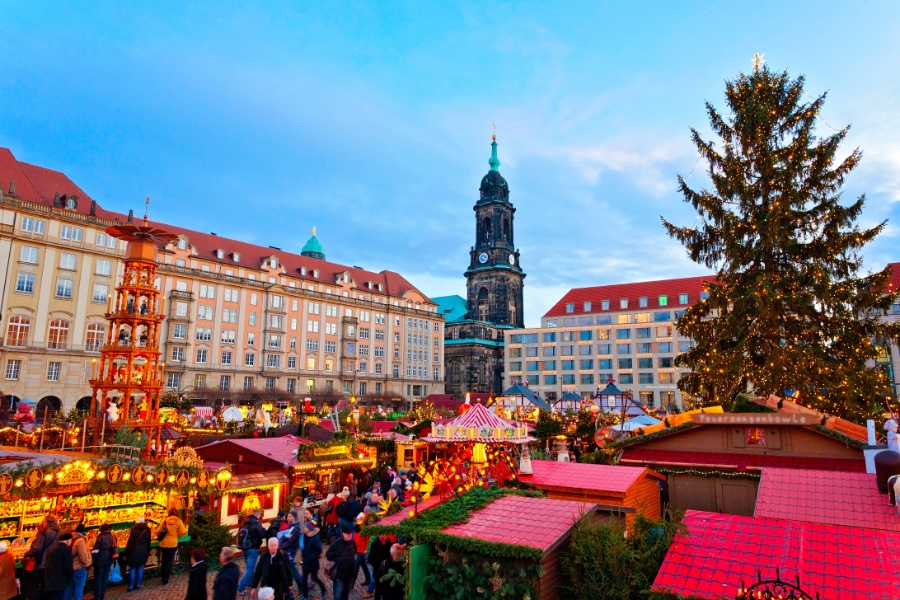
Weekly markets offer authentic experiences:
- Saturday morning farmers’ markets
- Seasonal specialties
- Cash only at most stalls
- Bring reusable bags
14. Use Proper Greetings

Greetings vary by region and time:
- “Guten Morgen” (morning)
- “Guten Tag” (day)
- “Guten Abend” (evening)
- “Grüß Gott” (Bavaria/Austria)
15. Respect Personal Space
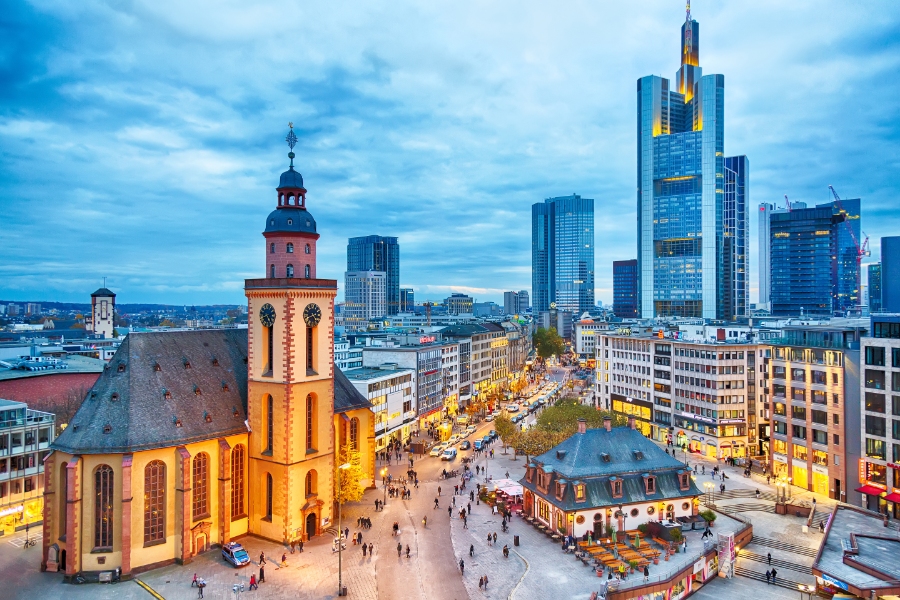
Germans value privacy and personal space:
- Avoid small talk with strangers
- Don’t stare or take photos of people
- Knock before entering offices
- Maintain physical distance
16. Try Regional Specialties

Each region has unique culinary traditions:
- Bavaria: Weißwurst, pretzels, beer
- Berlin: Currywurst, döner kebab
- Hamburg: Fresh fish, Labskaus
- Rhineland: Sauerbraten, Reibekuchen
17. Book Accommodations Wisely
Consider various options:
- City hotels for convenience
- Gasthof/Pension for local charm
- Airbnb for longer stays
- Hostels for budget travel
18. Use Tourist Information Centers

These valuable resources offer:
- Free maps and brochures
- Local event information
- Accommodation help
- Multi-lingual staff
19. Download Essential Apps

Technology makes travel easier:
- DB Navigator (trains)
- Google Translate offline
- City-specific transport apps
- Maps.me for offline navigation
20. Stay Safe and Aware

Germany is very safe, but stay smart:
- Keep valuables secure
- Be aware of pickpockets in tourist areas
- Emergency number: 112
- Carry ID at all times
First-Timer Itinerary Suggestions
Classic 7-Day First-Timer Route

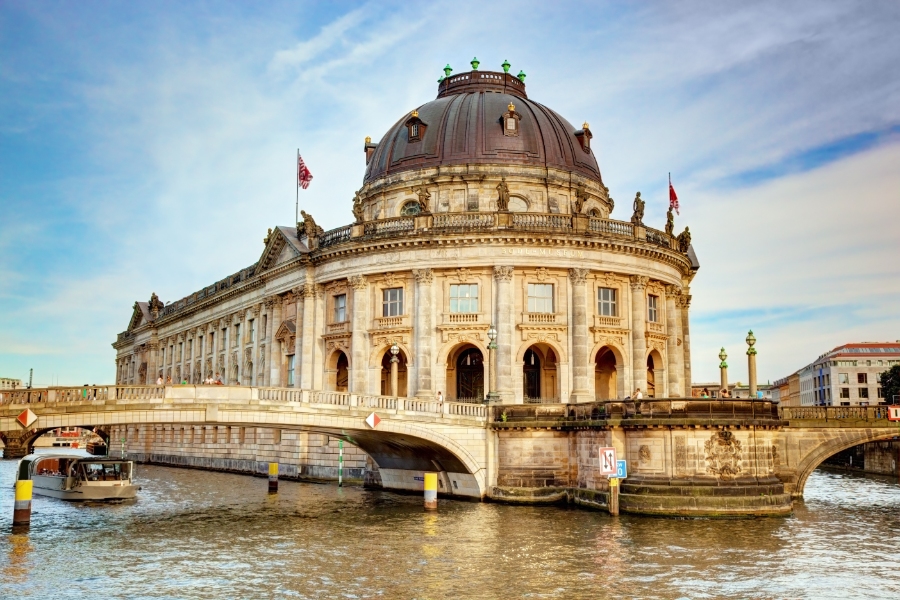
- Days 1-3: Berlin – History, culture, nightlife
- Day 4: Travel day to Munich
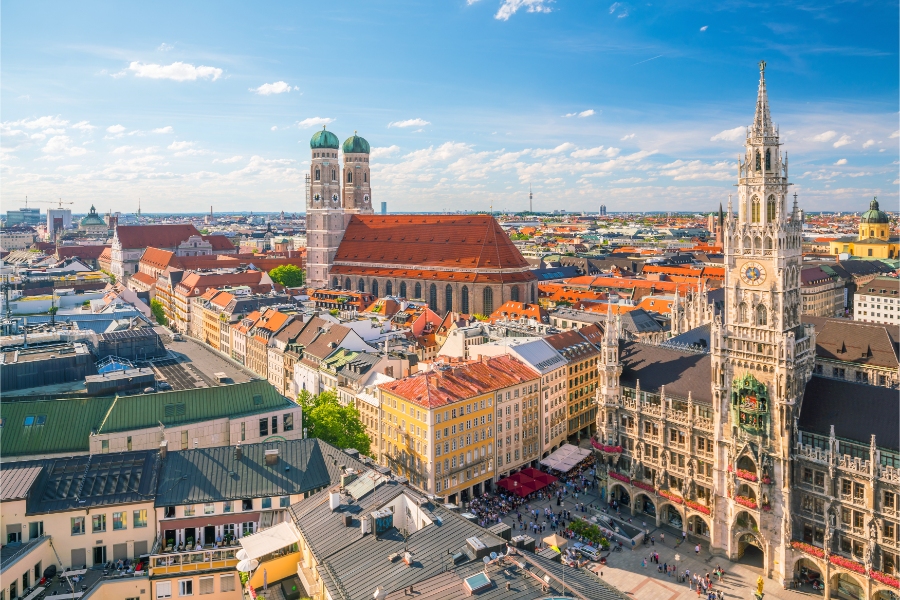
- Days 5-6: Munich – Bavarian culture, day trips
- Day 7: Neuschwanstein Castle day trip
Extended 14-Day Discovery

- Days 1-3: Berlin
- Days 4-5: Dresden and Saxon Switzerland
- Days 6-8: Munich and Bavaria
- Days 9-10: Romantic Road
- Days 11-12: Rhine Valley
- Days 13-14: Cologne and departure
Common First-Timer Mistakes to Avoid

- Not validating train tickets – Results in hefty fines
- Jaywalking – Illegal and frowned upon
- Being loud in public – Germans value quiet public spaces
- Not making reservations – Popular restaurants book up
- Assuming everyone speaks English – Learn basic German phrases
- Shopping on Sunday – Plan ahead for closures
- Inappropriate castle photos – Some areas prohibit photography
Budget Planning for First-Timers
Daily Budget Estimates
- Budget Travel: €50-70 per day
- Mid-Range: €100-150 per day
- Luxury: €200+ per day
Money-Saving Tips
- Book accommodations early
- Use public transportation
- Eat lunch as main meal (cheaper)
- Take advantage of free walking tours
- Buy groceries for some meals
- Look for student/senior discounts
Cultural Insights for Deeper Connections
- Directness is normal – Not rudeness, but honesty
- Environmental consciousness – Respect green initiatives
- Work-life balance – Shops close early, respect it
- Regional pride – Each area has distinct identity
- Quality over quantity – Germans value craftsmanship
Start Your German Adventure

Your first trip to Germany promises to be an unforgettable journey through centuries of history, stunning landscapes, and warm hospitality. Armed with these essential tips and insights, you’re ready to navigate this fascinating country with confidence.
Remember that Germans appreciate visitors who respect their customs and make an effort to understand their culture. Embrace the differences, stay curious, and prepare for an adventure that will likely inspire many return visits. Gute Reise – have a good trip!
Frequently Asked Questions

Do I need a visa to visit Germany as a first-time traveler?
Citizens of the US, UK, Canada, Australia, and most EU countries can visit Germany visa-free for up to 90 days within a 180-day period for tourism. Your passport must be valid for at least 3 months beyond your planned departure date. Check current requirements as they can change.
How much cash should I bring to Germany?
Bring €100-200 in cash for immediate needs upon arrival. Germany remains largely cash-based, especially for small purchases, street vendors, and some restaurants. ATMs are widely available, but notify your bank of travel plans to avoid card blocks. Budget €30-50 daily for cash expenses.
Is Germany safe for first-time solo travelers?
Germany is one of Europe’s safest countries with low crime rates. Solo travel is common and comfortable, especially for women. Use normal travel precautions: stay aware in crowded areas, keep valuables secure, don’t walk alone late at night in unfamiliar areas. Emergency number is 112 for all services.
How far in advance should I book my Germany trip?
Book flights 2-3 months ahead for best prices. Train tickets can be booked up to 6 months early with significant savings. Hotel reservations: 1-2 months for regular times, 3-6 months for peak season or festivals like Oktoberfest. Some attractions and castle tours sell out weeks in advance.
What type of electrical adapter do I need for Germany?
Germany uses Type C and F plugs (European standard) with 230V/50Hz electricity. Bring a universal European adapter. Most modern electronics (phones, laptops, cameras) handle dual voltage automatically, but check your devices. Hair dryers and other high-power appliances may need voltage converters.
Can I drive in Germany with my foreign license?
US, UK, Canadian, and Australian licenses are valid for up to 6 months. An International Driving Permit is recommended and sometimes required by car rental companies. Remember: right-hand drive, different traffic rules, environmental zones in cities, and parts of the Autobahn have no speed limits but driving requires extreme caution.
What’s the most common mistake first-time visitors make?
Not validating train tickets! This results in €60+ fines. Other common mistakes include jaywalking (illegal and heavily fined), being loud in public spaces, not making restaurant reservations, assuming shops are open on Sundays, and not respecting quiet hours in accommodations (10pm-6am).
How should I dress in Germany to fit in with locals?
Germans dress more formally than Americans but less formally than Italians. Avoid athletic wear outside of gyms, flip-flops in cities, shorts in churches, and overly casual clothing in restaurants. Pack layers for unpredictable weather, comfortable walking shoes, and rain gear. Dark colors and quality fabrics are preferred.
What’s the best way to get from German airports to city centers?
Major airports have excellent public transport connections. Frankfurt: S-Bahn trains every 15 minutes (€5, 15 minutes). Munich: S1/S8 to city center (€12, 45 minutes).
Berlin: S-Bahn or Airport Express (€3.60, 30-45 minutes). Pre-purchase tickets online or at airport machines. Taxis are expensive but convenient with luggage.
Should I learn German before my first visit?
Learning basic German phrases enhances your experience and shows respect, but it’s not essential. Focus on greetings, please/thank you, excuse me, numbers, and “Do you speak English?” Download offline translation apps. Germans appreciate effort even if your pronunciation isn’t perfect. English is widely understood in tourist areas and major cities.
Recommended Related Travel & Cultural Insights
- Complete Germany Travel Guide — Practical guide, background, and visitor tips.
- Stolpersteine: A Respectful Guide to Germany’s Memorial Stones — Practical guide, background, and visitor tips.
- Sunday & Quiet Hours in Germany: The Complete Survival Guide — Practical guide, background, and visitor tips.