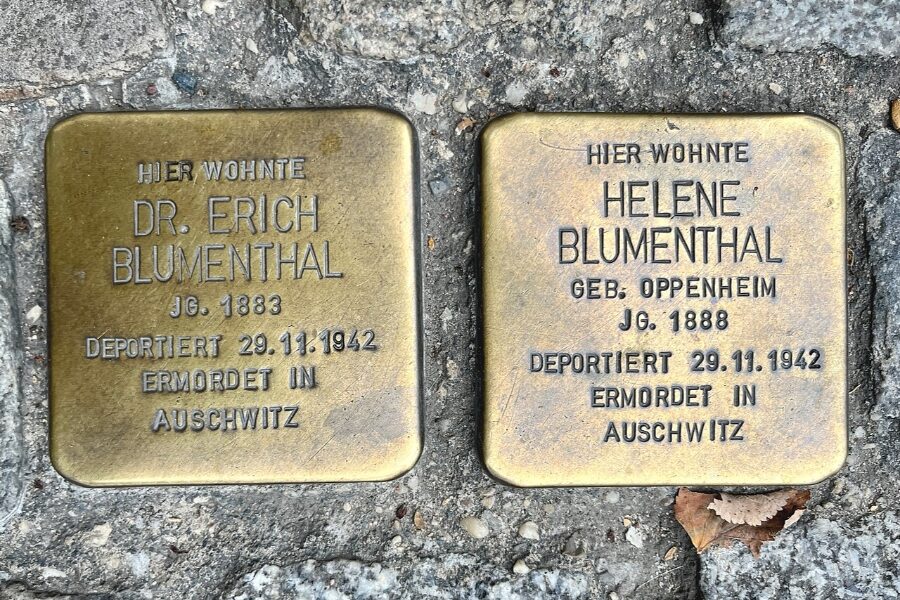
Understanding Stolpersteine
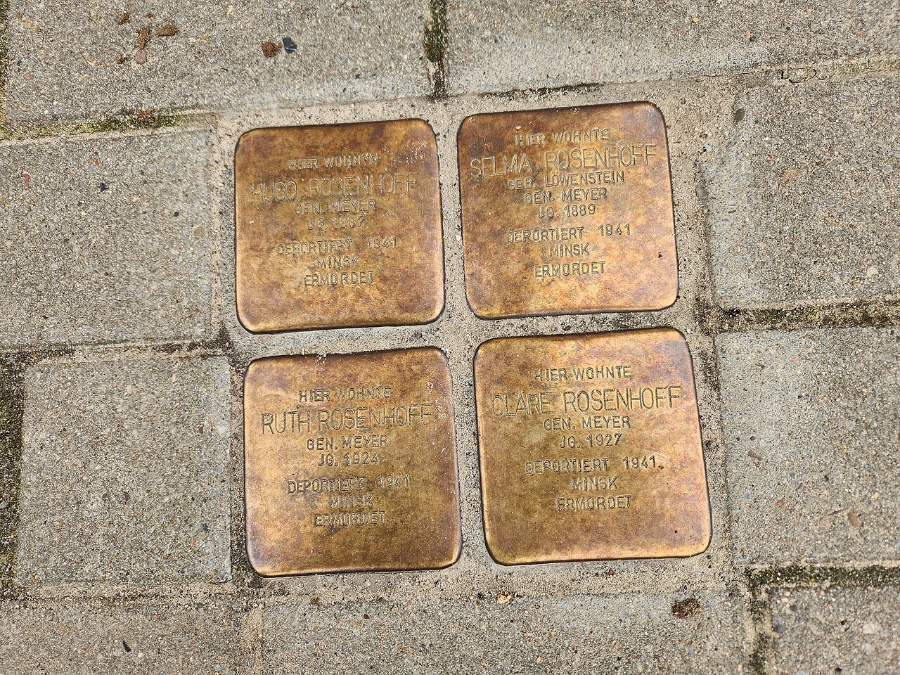
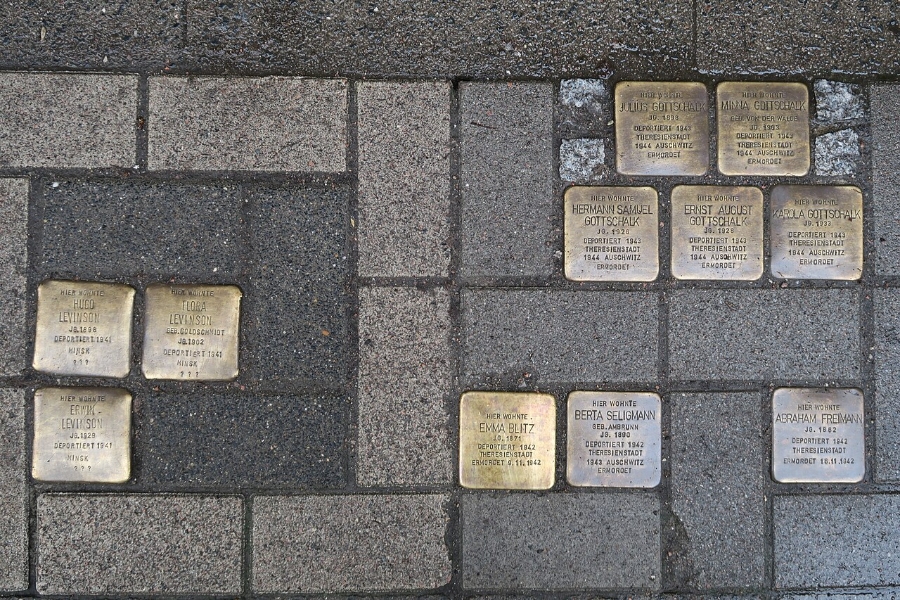
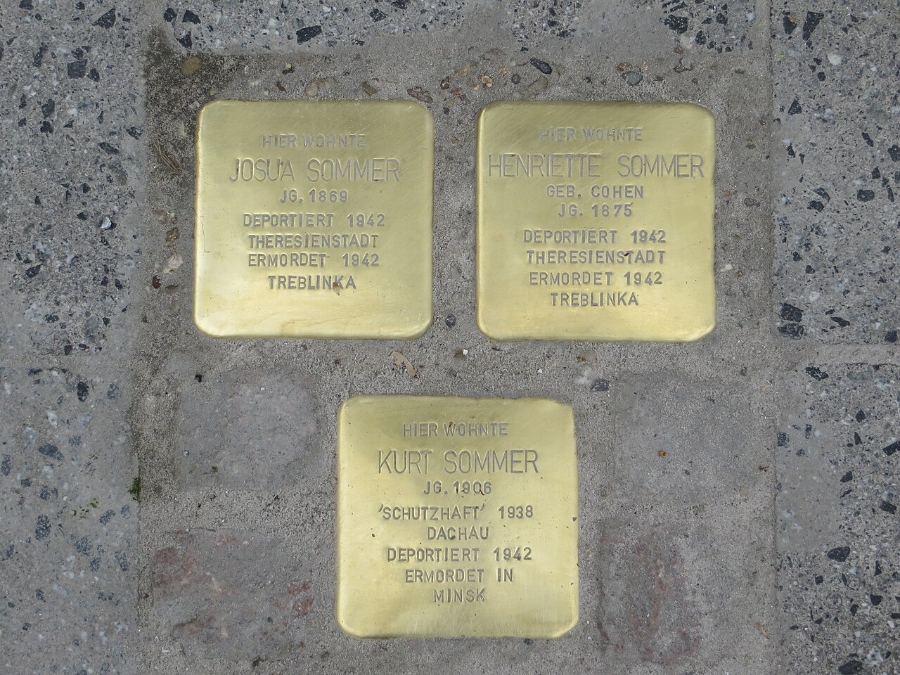
Stolpersteine (literally “stumbling stones”) are small brass memorial plaques embedded in sidewalks throughout Germany and 30 other European countries. Created by artist Gunter Demnig since 1992, each 10cm x 10cm stone commemorates an individual victim of Nazi persecution at their last freely chosen place of residence.
What the Inscriptions Tell Us
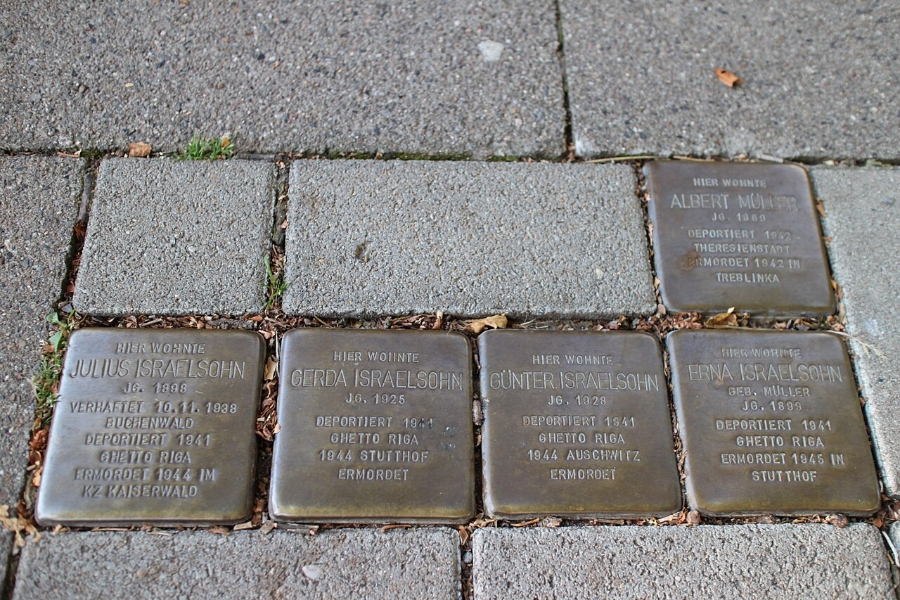
Each stone typically includes: – HIER WOHNTE (Here lived) – The person’s name – Birth year (Geboren/Geb.) – Deportation date and destination – Fate (Ermordet/Murdered, Flucht/Fled, Überlebt/Survived)
The Profound Impact
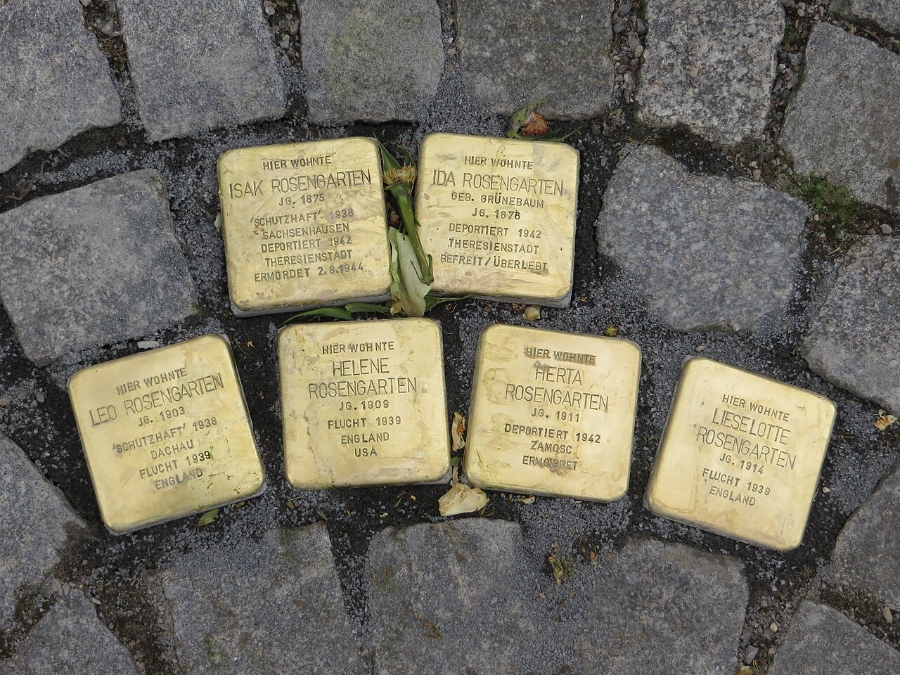
These stones force history into everyday life. You encounter them unexpectedly while walking, creating moments of reflection in ordinary spaces. As Demnig says: “A person is only forgotten when their name is forgotten.”
How to Experience Stolpersteine Respectfully
DO:
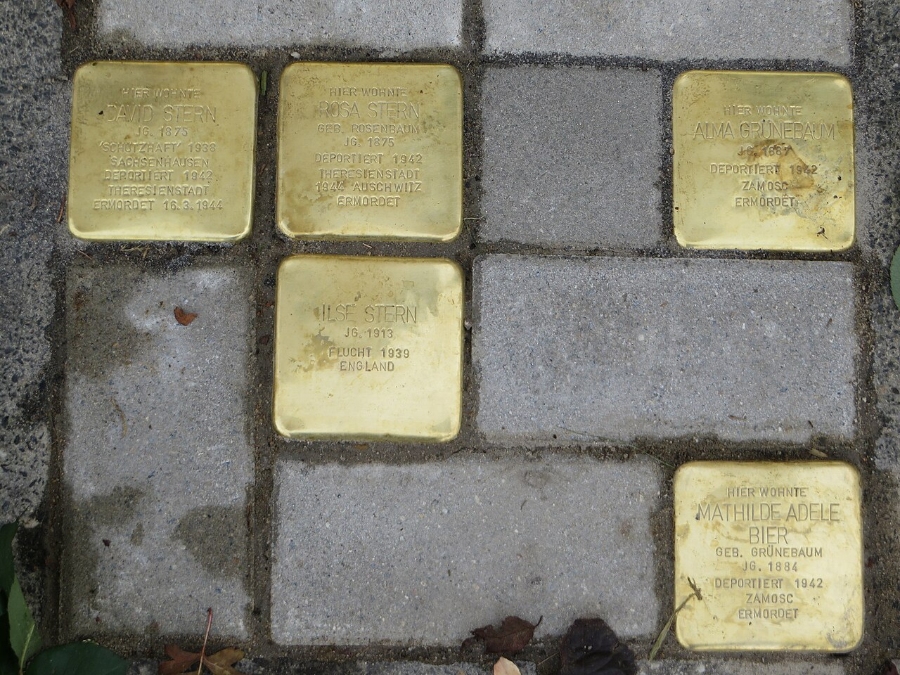
✓ Pause and read the inscription thoughtfully
✓ Clean stones gently if you wish (water and soft cloth)
✓ Leave small tributes like flowers or stones (Jewish tradition)
✓ Research the person later to learn their story
✓ Share respectfully on social media with context ✓ Bring children and explain age-appropriately
DON’T:
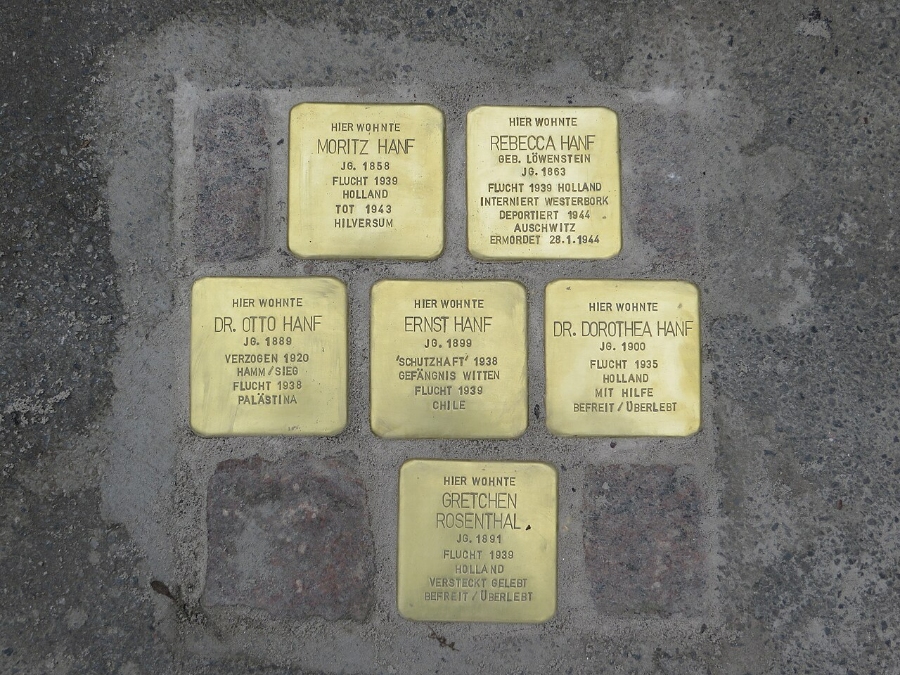
✗ Step on them deliberately (though walking over naturally is fine)
✗ Take selfies in a casual or disrespectful manner
✗ Polish with harsh chemicals (damages the brass)
✗ Remove items left by others
✗ Make loud disturbances near memorial sites
Major Cities: Where to Find Stolpersteine
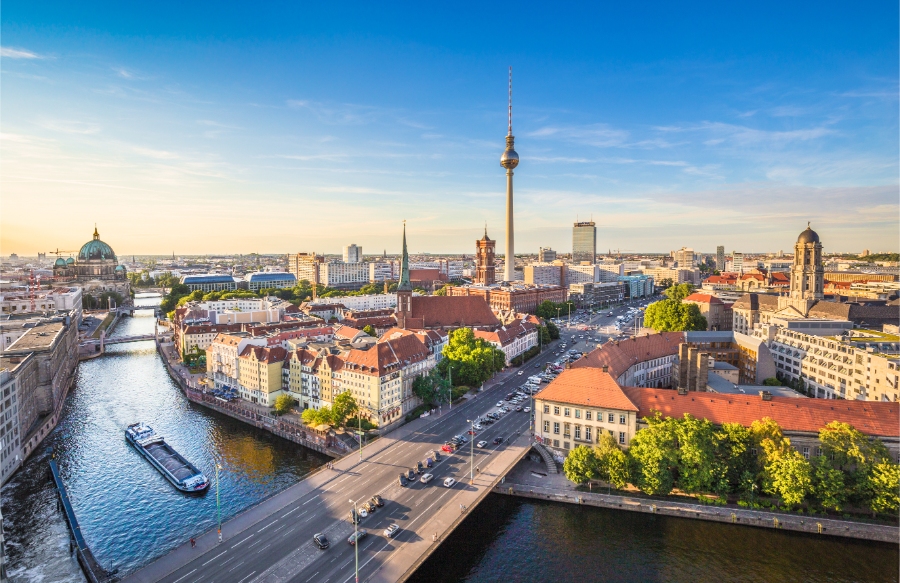
Berlin (Over 10,000 stones)
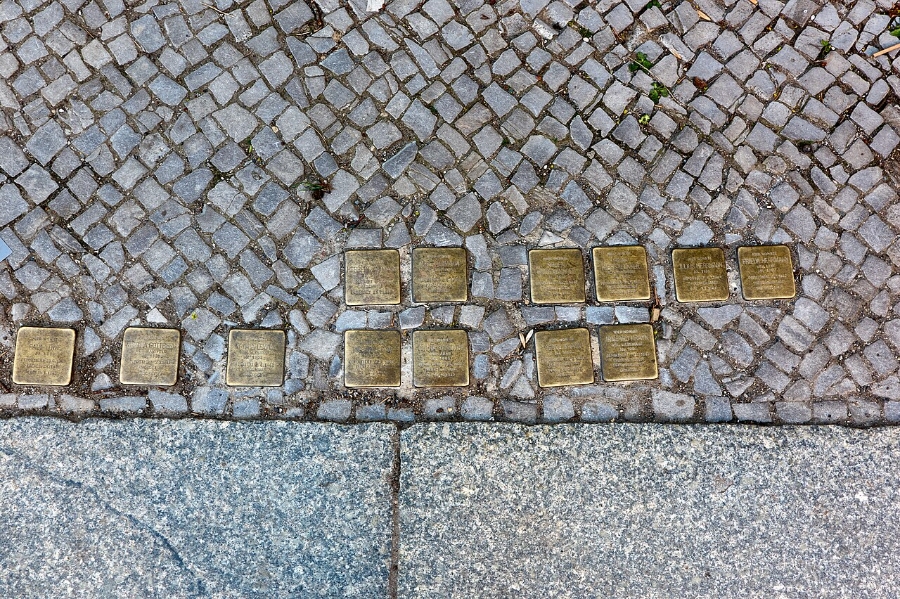
Concentrated Areas: – Schöneberg – Bayerischer Platz area – Prenzlauer Berg – Around Kollwitzplatz – Charlottenburg – Kurfürstendamm vicinity – Mitte – Hackescher Markt area
Notable Locations: – Rosenthaler Straße 39 – Otto Weidt’s Workshop for the Blind – Große Hamburger Straße – Former Jewish quarter
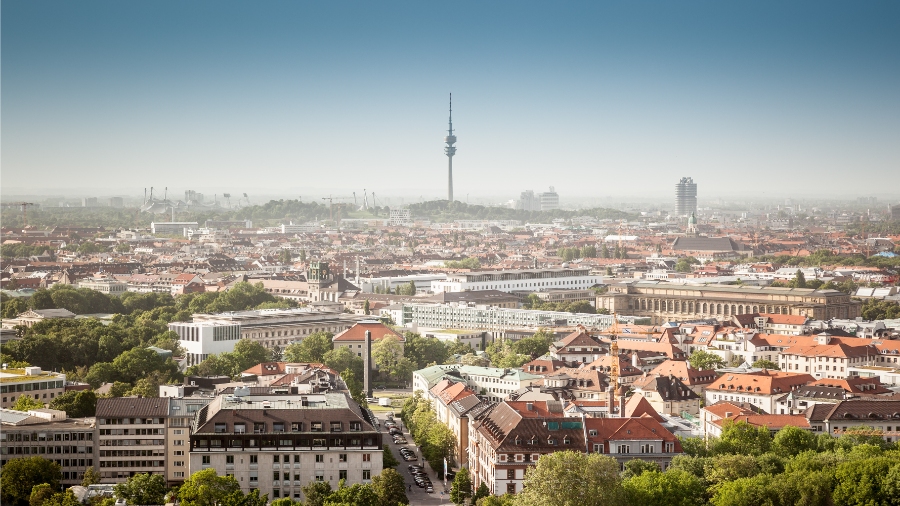
Munich (Over 130 stones)
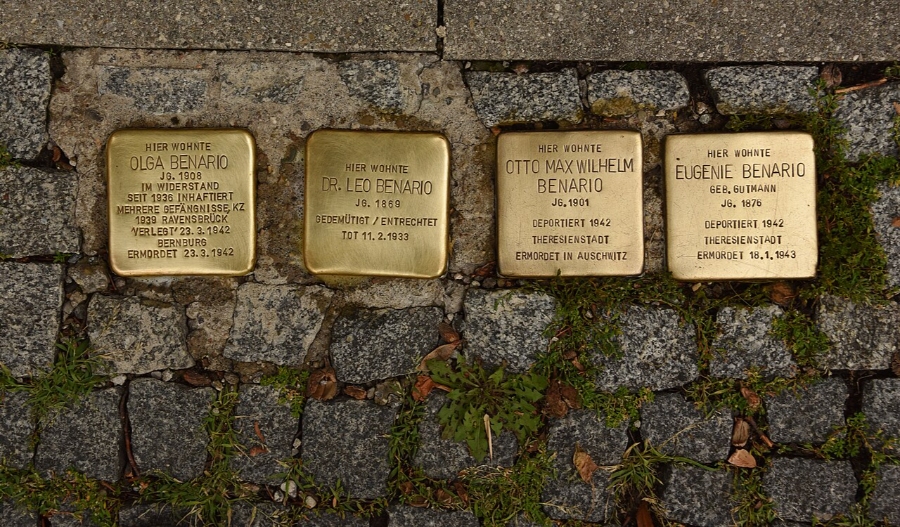
Key Areas: – Maxvorstadt – University quarter – Gärtnerplatz – Former Jewish neighborhood – Lehel – Near Prinzregentenstraße
Note: Munich was initially reluctant; stones only on private property with owner permission.
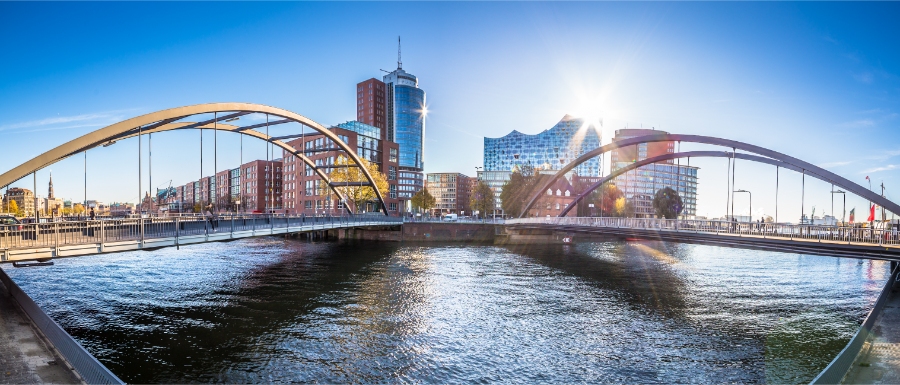
Hamburg (Over 6,000 stones)
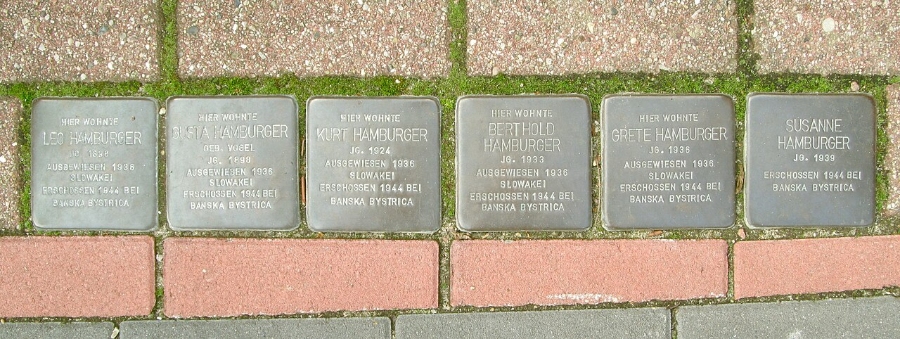
Significant Streets: – Grindelviertel – Former Jewish quarter – Eimsbüttel – Residential areas – Rotherbaum – Near the university
Cologne (Over 2,400 stones)
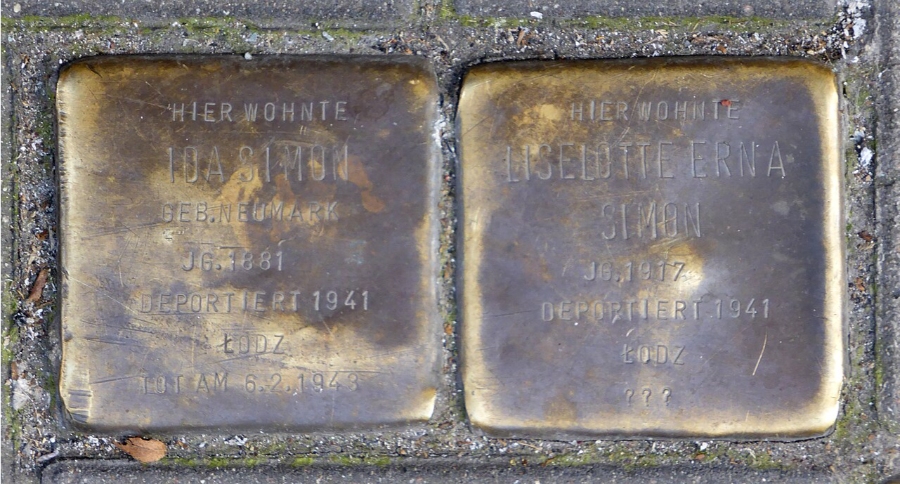
Main Locations: – Belgian Quarter – Aachener Straße – Südstadt – Around Chlodwigplatz – Ehrenfeld – Venloer Straße
Frankfurt (Over 1,500 stones)
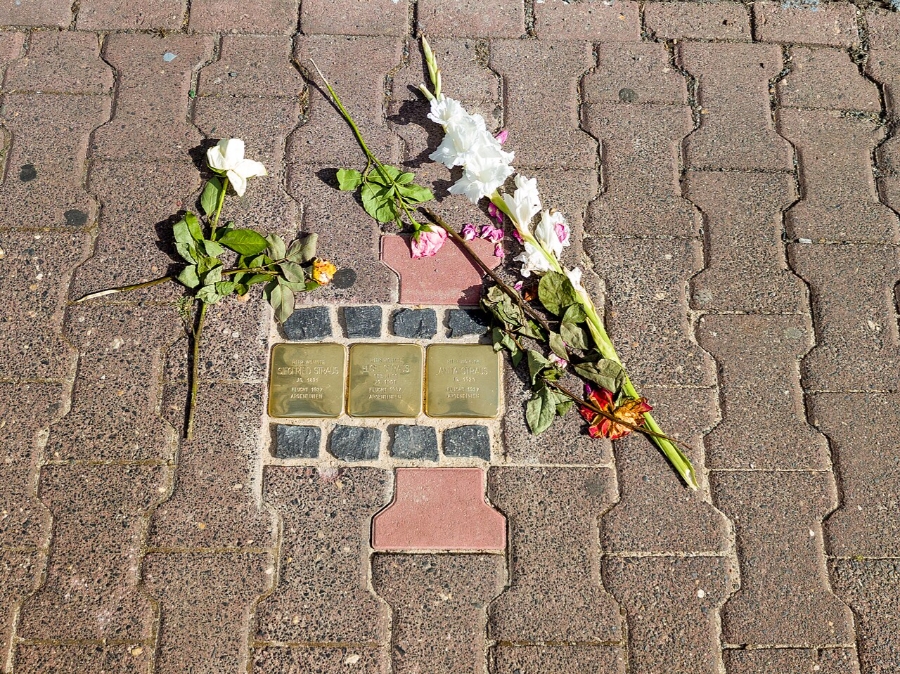
Areas of Focus: – Westend – Former Jewish bourgeois quarter – Ostend – Working-class Jewish area – Nordend – Mixed residential area
Self-Guided Walking Routes
Berlin: Bayerischer Platz Route (2 hours)
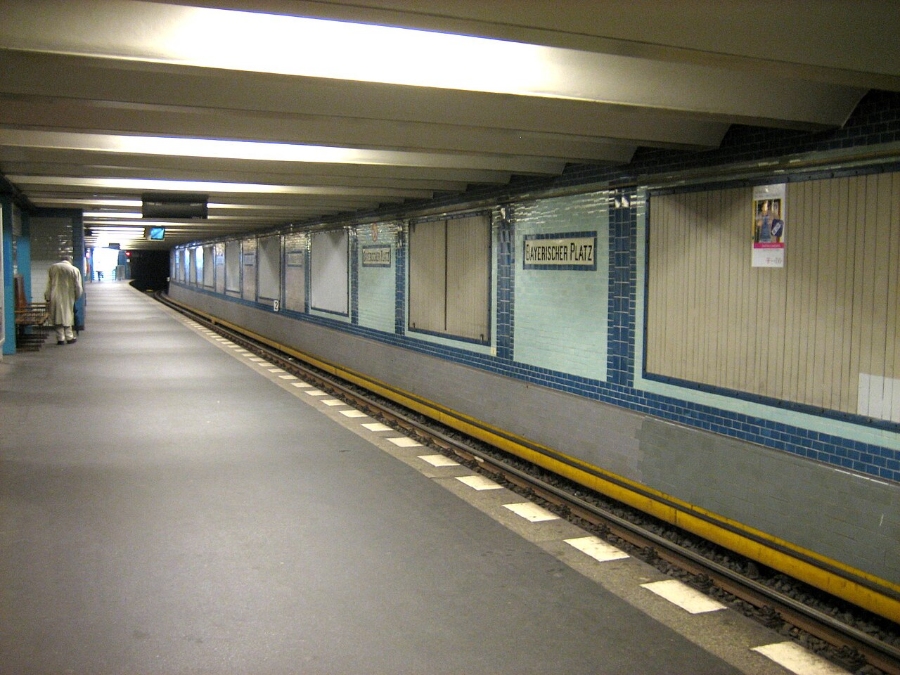
Start: Bayerischer Platz U-Bahn
- Bayerischer Platz – Multiple stones around the square
- Heilbronner Straße – Concentrated grouping
- Haberlandstraße – Family groups
- Barbarossastraße – Individual stories End: Viktoria-Luise-Platz U-Bahn
What makes this special: Signs throughout showing pre-1933 anti-Jewish laws
Hamburg: Grindel Quarter Walk (1.5 hours)
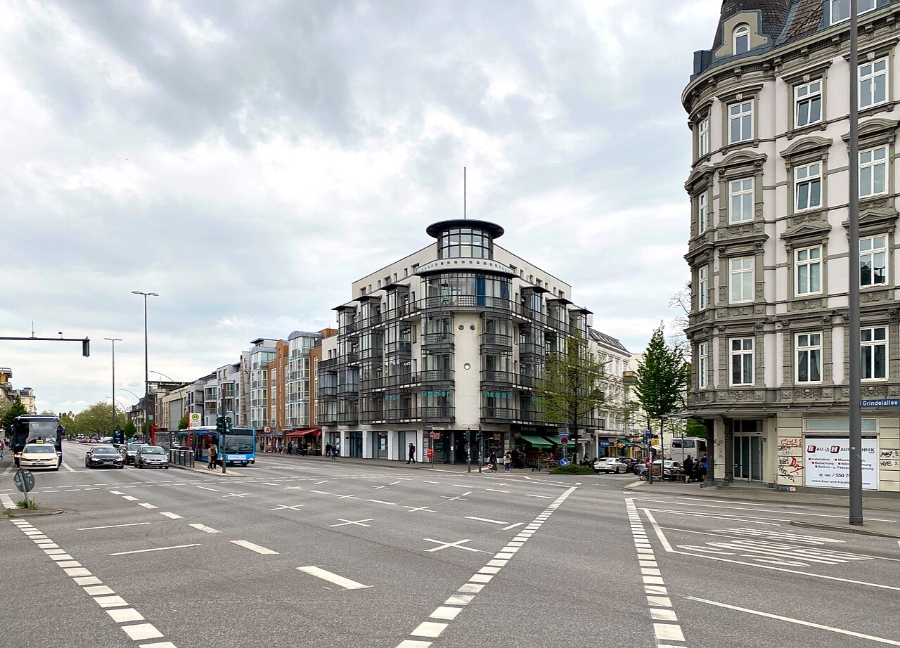
Start: Dammtor Station
- Grindelallee – University professors
- Brahmsallee – Musicians and artists
- Hallerstraße – Families End: Joseph-Carlebach-Platz (former synagogue site)
Cologne: Belgian Quarter (1 hour)
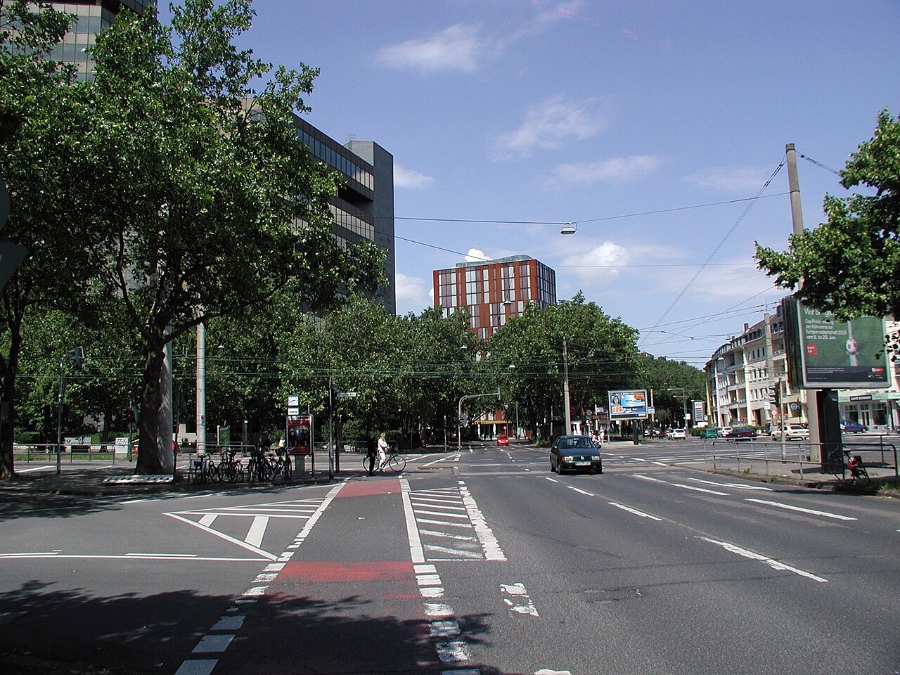
Start: Rudolfplatz
- Aachener Straße – Commercial area victims
- Brüsseler Platz – Residential stones
- Antwerpener Straße – Artist community End: Moltkestrasse U-Bahn
Finding Specific Stones
Digital Resources:
Official Database: – stolpersteine.eu – Partial listings
City-Specific Apps/Sites:
- Berlin: Stolpersteine App Berlin
- Hamburg: stolpersteine-hamburg.de
- Munich: Stolpersteine München
Interactive Maps: – Many cities have Google Maps overlays – OpenStreetMap includes many locations
The Stories Behind the Stones
Understanding the Victims

- Jewish Victims (90%): Business owners, professionals, children, entire families
- Political Prisoners: Communists, Social Democrats, trade unionists
- Roma and Sinti: Targeted for racial persecution
- Jehovah’s Witnesses: Refused military service
- LGBTQ+ Individuals: Persecuted under Paragraph 175
- People with Disabilities: Victims of “euthanasia” programs
- Resistance Fighters: Those who opposed the regime
Reading a Stone: Example
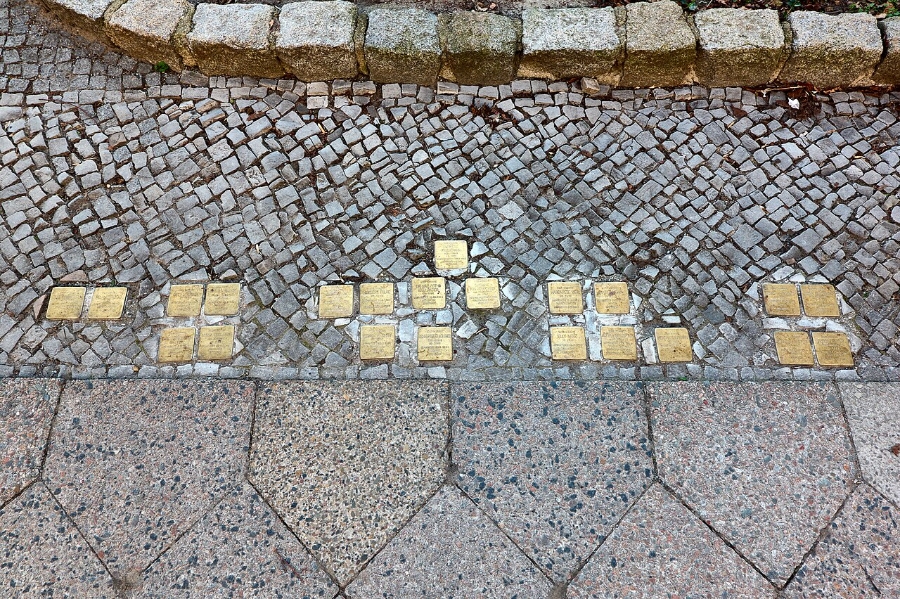
“HIER WOHNTE MARTA LIEBERMANN GEB. MARKWALD JG. 1897 DEPORTIERT 1943 ERMORDET IN AUSCHWITZ “
Translation: “Here lived Marta Liebermann, née Markwald, born 1897, deported 1943, murdered in Auschwitz”
Participating in Maintenance
Annual Cleaning Events
November 9th (Kristallnacht anniversary) – Cities organize cleaning initiatives – Volunteers welcome – Materials usually provided
January 27th (Holocaust Remembrance Day) – Memorial services at stones – Reading of names – Candle lighting
Individual Cleaning
What you need: – Water – Soft cloth or sponge – Gentle brass cleaner (optional) – Small brush for crevices
Process:
- Wet the stone gently
- Wipe with soft cloth
- Dry carefully
- Never use harsh chemicals
Educational Context
For Families with Children
Age-appropriate explanations: – Ages 6-8: “These remember people who lived here long ago” – Ages 9-12: “These honor people hurt because of who they were” – Teens: Full historical context appropriate
Activities: – Count stones on your street – Research one person’s story together – Draw or write about your feelings
School Groups and Tours
Many cities offer: – Guided Stolpersteine tours – Educational workshops – Adoption programs for classes
The Ongoing Project
How New Stones Are Placed
- Research: Family members or researchers propose victims
- Verification: Historical documentation required
- Permission: Property owner and city approval
- Funding: €120 per stone (often crowdfunded)
- Installation: Gunter Demnig personally installs most
- Ceremony: Often includes relatives, neighbors
Getting Involved
– Sponsor a stone: €120 donation – Research victims: Work with local archives – Attend installations: Public events – Join maintenance groups: Regular cleaning
Criticism and Controversy
Munich’s Initial Resistance
– City council banned public property installations until 2018 – Compromise: Only on private property with permission – Alternative memorial plaques on buildings
Some Jewish Perspectives
– Concern about “walking on” victims’ names – Preference for eye-level memorials – Most Jewish organizations support the project
Related Memorials to Visit
Berlin

– Memorial to the Murdered Jews of Europe – Topography of Terror – Track 17 Memorial (Deportation site)
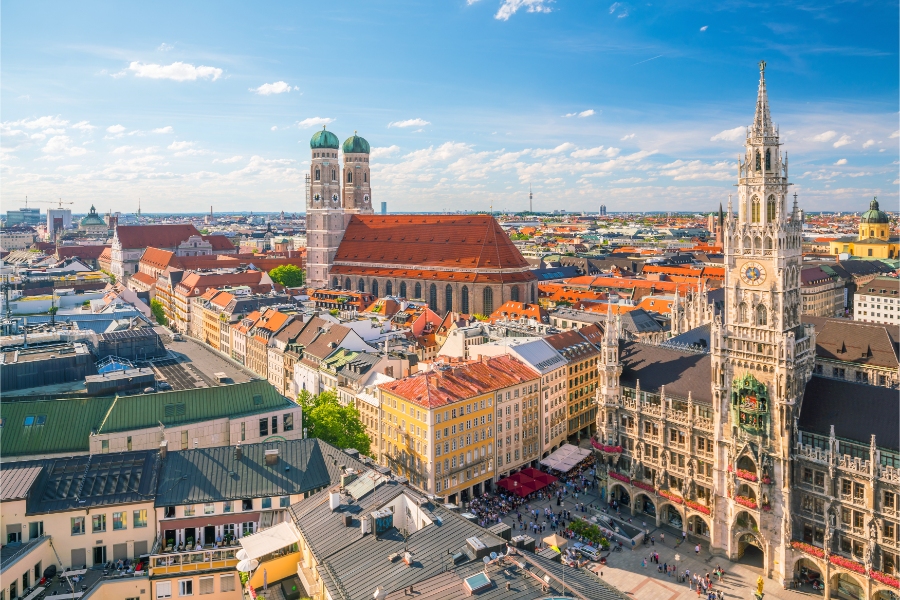
Munich
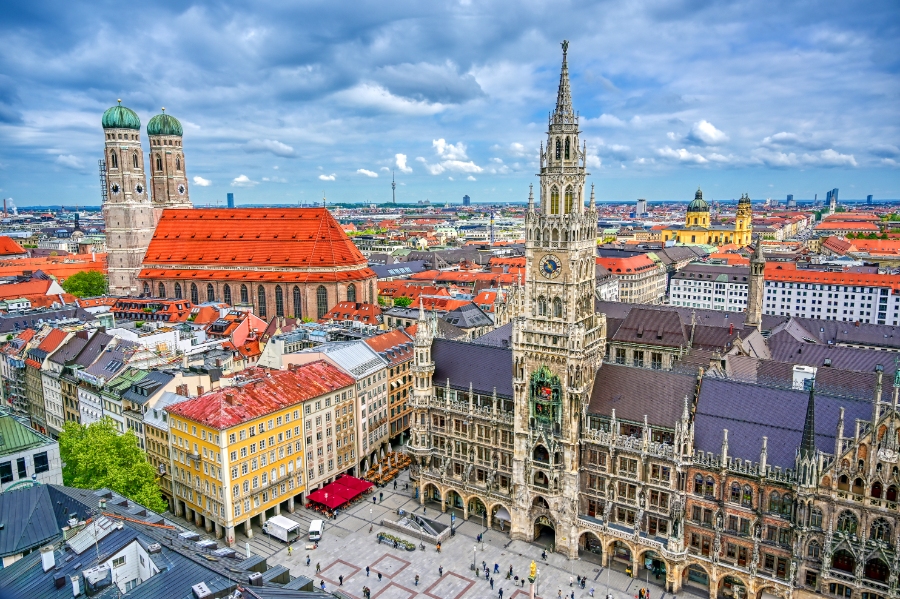
– Munich Documentation Centre – Dachau Concentration Camp (30 min)
Hamburg
– Bullenhuser Damm School Memorial – Neuengamme Concentration Camp
Practical Information
Guided Tours
- Berlin: Multiple daily tours, €10-15
- Hamburg: Weekend tours, free-€12
- Cologne: Monthly tours, donation-based
- Munich: Weekly tours, €8-12
Photography Guidelines
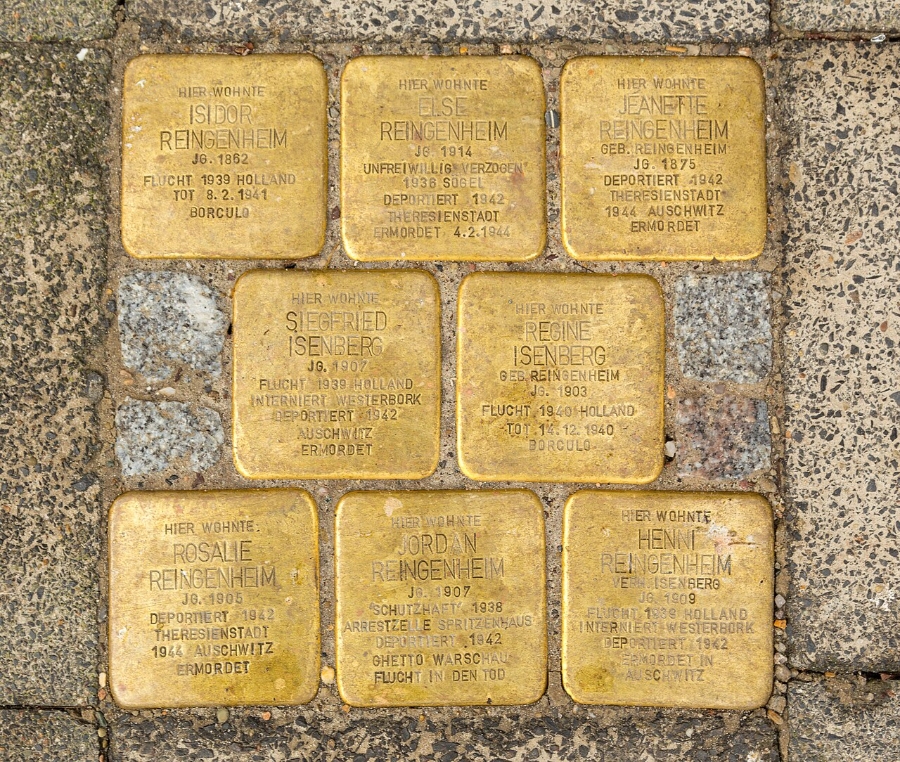
✓ Document stones respectfully
✓ Include context in captions
✓ Share stories, not just images
✗ Avoid artistic shots that diminish meaning
✗ Don’t use filters that alter the memorial
Reflection Questions
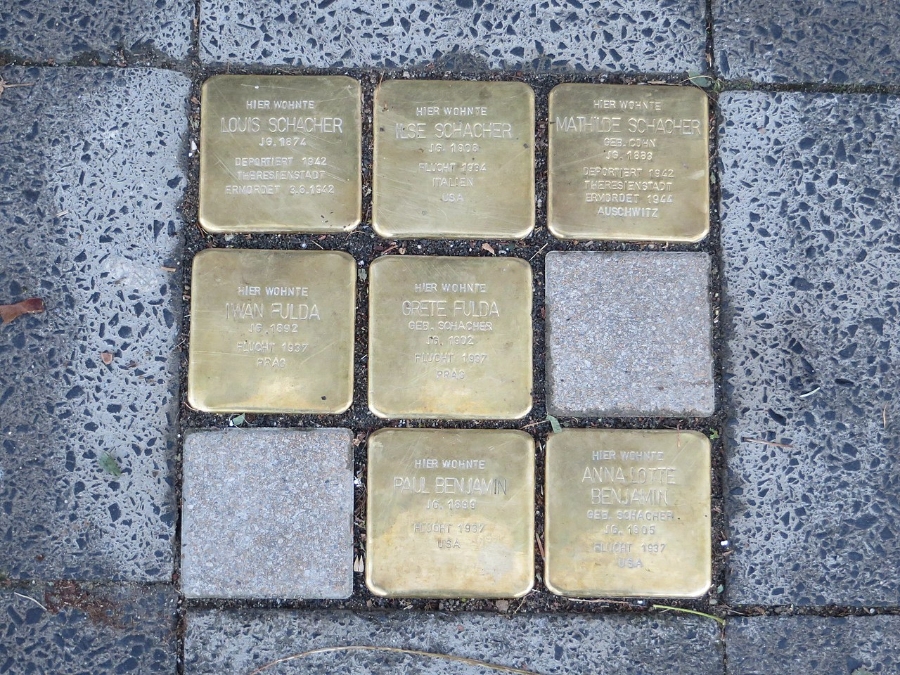
As you walk: – Who were these people beyond their fate? – What was daily life like on this street in the 1930s? – How did neighbors react to disappearances? – What choices did people have? – How do we prevent repetition?
Resources for Learning More
- Books – “Stolpersteine” by Gunter Demnig – “The Past in the Present” by Ulrich Baumann
- Documentaries – “Stolpersteine” (2008) – “Here Lived” (2016)
- Websites – stolpersteine.eu – Official site – Yad Vashem Database – Victim research – Local Jewish museum websites
Final Thoughts
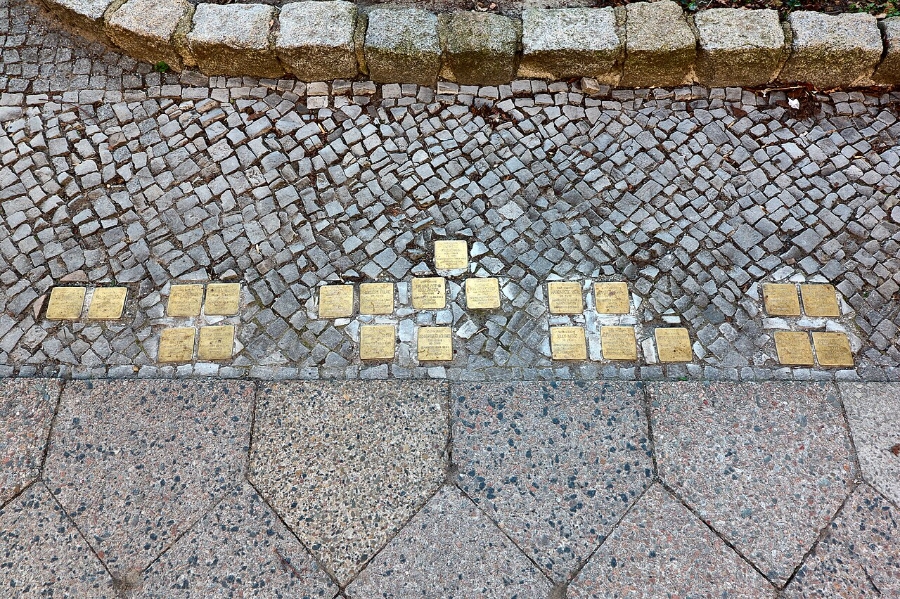
Stolpersteine transform sidewalks into spaces of remembrance. Each stone represents not just a statistic but a neighbor, a friend, a family member. By stopping to read, to remember, and to reflect, we ensure these individuals are never forgotten.
As you explore German cities, let these stones guide you toward a deeper understanding of history’s impact on everyday places and the importance of remembering individual lives lost to hatred and intolerance.
—
”A person is only forgotten when their name is forgotten.” – Gunter Demnig