Sunday in Germany is a legally protected day of rest, so ordinary shops and supermarkets usually close. Restaurants, cafés, museums, emergency pharmacies, petrol stations and some transport-hub shops may open under state law and local rules.
Quiet hours follow a similar pattern: night-time quiet commonly begins at 22:00, but the end time and any midday restrictions depend on the state, municipality, tenancy agreement and house rules.
This article provides practical travel guidance, not legal advice. Check current local rules and the posted opening hours of the specific business or property.
What is open and closed on Sundays in Germany?
| Question | Practical answer |
|---|---|
| Are supermarkets open on Sunday? | Usually no. A small number of qualifying station, airport or automated shops may open. |
| Can restaurants and cafés open? | Yes. Their hours are set under hospitality and local rules, not ordinary retail law. |
| Can bakeries open? | Often for a limited period. The permitted hours differ by state; bakery-cafés may operate under additional hospitality rules. |
| When is night quiet? | Often 22:00–06:00 or 22:00–07:00. Check the city and your accommodation’s house rules. |
| Is there a national midday quiet period? | No. Some municipalities and buildings impose one; others do not. |
| Can I mow a lawn on Sunday? | Not in the residential and other noise-sensitive areas covered by the federal machinery-noise ordinance. |
| Where can I get medicine? | Use the rotating Apotheken-Notdienst. For urgent but non-life-threatening medical help, call 116117; call 112 for emergencies. |
Are shops closed on Sundays in Germany?
Yes, as a general rule. Since the 2006 federalism reform, Germany’s states regulate shop-opening hours. The details differ, but every state protects Sunday and public-holiday rest and keeps normal retail closed unless a specific exemption applies.
Usually closed
- Supermarkets and discount grocers
- Clothing, electronics, book, furniture and homeware shops
- Department stores and shopping centres
- Banks, post offices and government offices, apart from rare site-specific exceptions
- Hair salons and most personal-service businesses
- Most pharmacies outside the rotating emergency service
Common exceptions
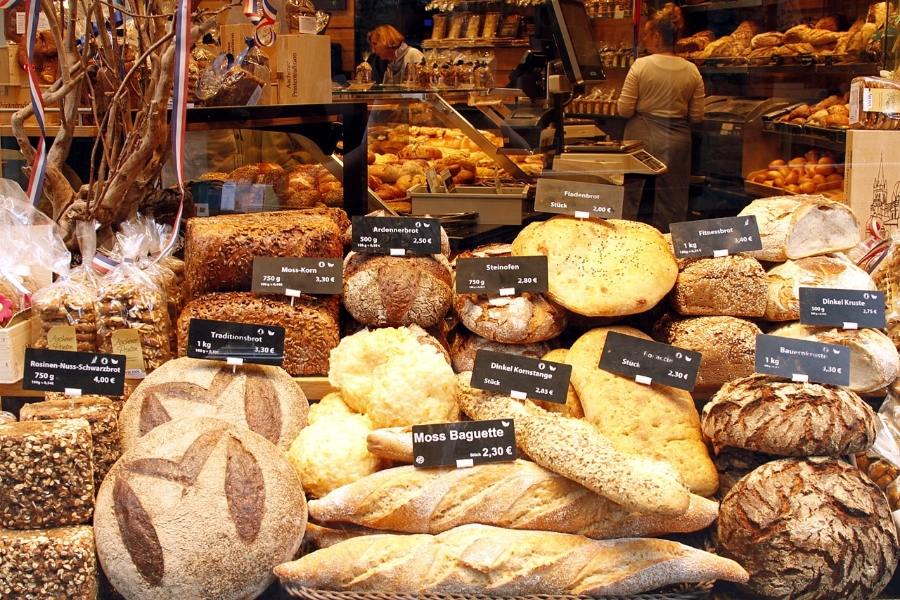
- Restaurants, cafés, bars and hotel dining rooms
- Bakeries during the Sunday window allowed by state law
- Petrol stations selling fuel and a restricted range of travel necessities
- Qualifying shops at railway stations, airports and long-distance bus terminals
- Emergency pharmacies on the local Notdienst rota
- Many museums, galleries, cinemas, theatres and visitor attractions
- Some flower, newspaper, dairy and farm shops during restricted hours
- Shops covered by an officially authorised verkaufsoffener Sonntag
A tourist district is not automatically exempt. Sunday opening normally depends on the type of business, the goods sold, the location or a formally authorised event. Even where opening is legal, a shop is not required to participate.
Bakeries, station shops, airports and petrol stations
Bakeries
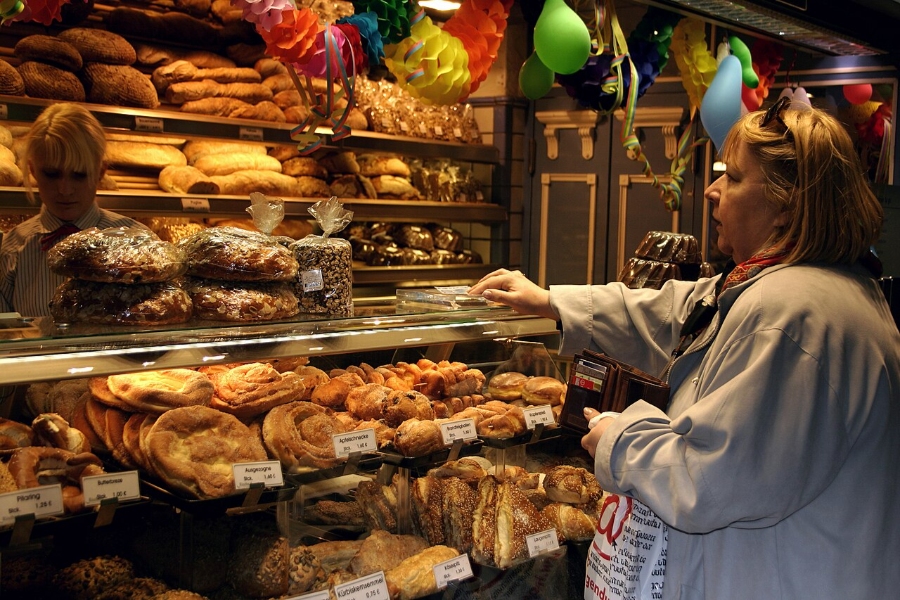
Sunday bakery hours are state-specific. Bavaria, for example, permits the sale of bakery and confectionery goods for up to three hours. North Rhine-Westphalia allows qualifying bakery, flower and newspaper shops to open for up to five hours. Berlin permits certain special-assortment shops, including bakeries, from 07:00 to 16:00.
A bakery with seating may also operate as a café, which can produce longer hospitality hours than the retail counter alone. Check the hours posted at the door rather than assuming every branch follows the same schedule.
Railway stations and airports
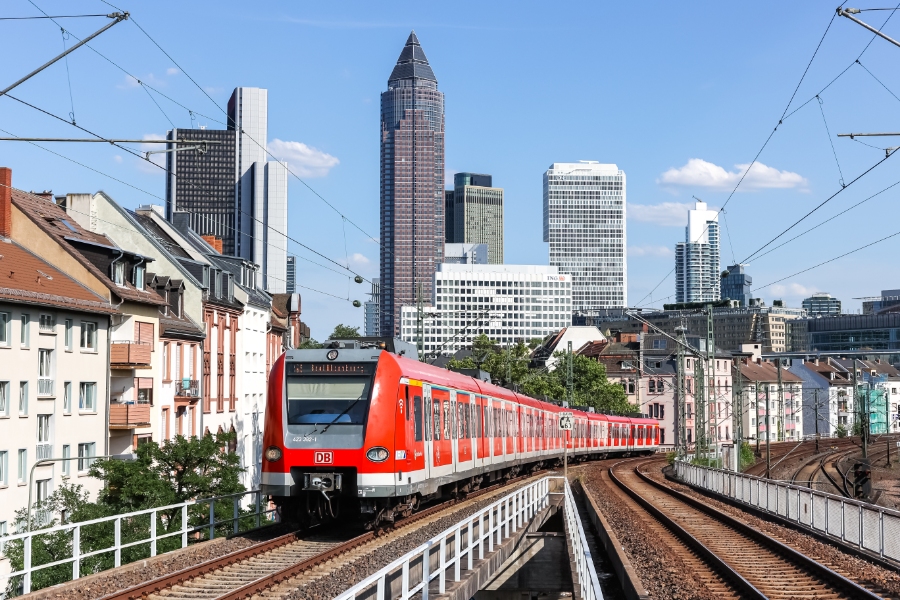
Transport hubs are the most useful Sunday fallback in large cities, but the legal exception is often tied to travel needs. Some locations have grocery-style stores; others offer only convenience food, toiletries, newspapers and travel supplies. Tenant lists and hours change, so confirm the branch before making a special trip.
Petrol stations
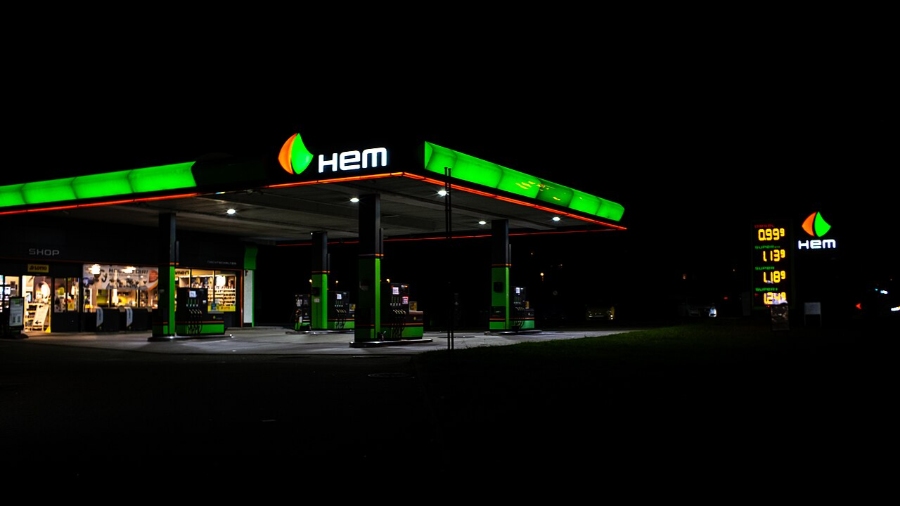
Petrol stations commonly sell drinks, snacks, basic groceries, toiletries and newspapers on Sundays. The selection is limited and prices are usually higher than at a supermarket. They are useful for an overlooked essential, not a full weekly shop.
Kiosks and late shops
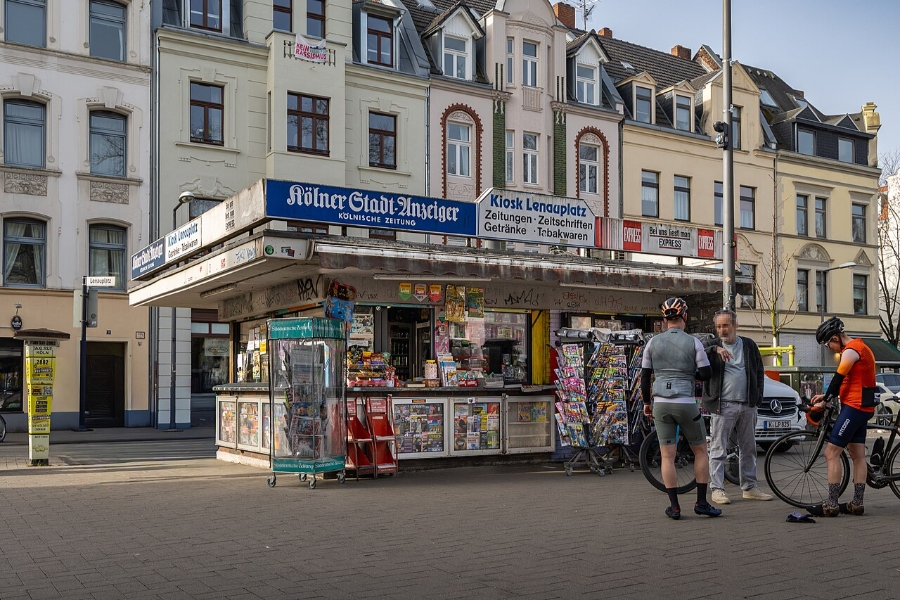
Berlin Spätis, Cologne Büdchen and other kiosks do not receive a blanket exemption simply because they are small or popular. Some qualify through their assortment or another legal category; others must close. Treat Sunday kiosk opening as a local possibility, not a guarantee.
Quiet hours in Germany: what the law actually says
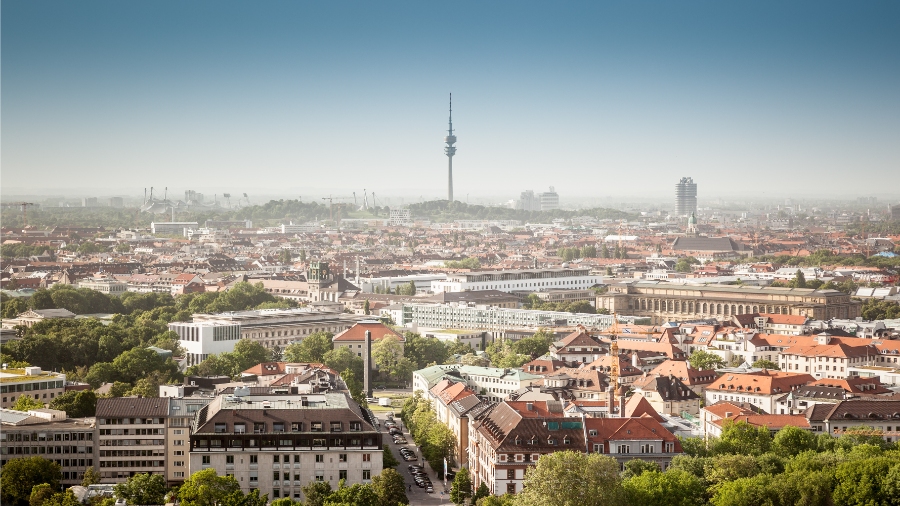
Germany does not have one national household quiet-hours schedule. State laws, municipal ordinances, tenancy terms and house rules overlap. The safest approach is to treat 22:00 as the point when sound should no longer carry into neighbouring rooms or flats, then check whether local night quiet ends at 06:00 or 07:00.
| Type of quiet period | Typical position | What visitors should do |
|---|---|---|
| Nachtruhe (night quiet) | Commonly 22:00–06:00 or 22:00–07:00 | Keep music, calls, gatherings and household noise inside the property and below a level that disturbs neighbours. |
| Sonntagsruhe (Sunday quiet) | Protected throughout Sunday under state law, with the exact wording and exceptions varying | Avoid noisy DIY, amplified sound and work that is publicly noticeable and disruptive. |
| Feiertagsruhe (public-holiday quiet) | Protected throughout the holiday; additional restrictions may apply on designated silent days | Check the state’s holiday law, especially on Good Friday. |
| Mittagsruhe (midday quiet) | No nationwide rule; may be imposed locally or by a building | Read the house rules. Do not assume either that midday quiet exists or that it does not. |
What Zimmerlautstärke means

Zimmerlautstärke means room-level volume. It is an outcome, not one nationwide decibel figure: sound should not unreasonably disturb people in neighbouring rooms or homes. Building construction, bass vibration, open windows, duration and time of day all matter.
Closing the windows does not create permission to make unlimited noise. It simply reduces transmission. A low television may be acceptable while bass-heavy music at the same apparent volume can still travel through walls and floors.
What to avoid after 22:00

- Music, television or speakers that can be heard clearly outside your room or flat
- Balcony, terrace or courtyard gatherings with raised voices
- Drilling, hammering, furniture assembly or other noisy DIY
- Dragging suitcases or furniture through stairwells
- Using outdoor bottle banks or glass-recycling containers where posted hours prohibit it
- Speakerphone calls in hallways, shared kitchens or on balconies
Ordinary living does not stop at 22:00. Showering, using the toilet, walking normally and quiet cooking are not automatically forbidden. There is also no nationwide law that bans washing machines or dishwashers at night or on Sundays. A lease or house rule may restrict their use, and a noisy appliance can still create a valid complaint in a poorly insulated building.
Sunday and public-holiday noise restrictions
Garden and outdoor machinery

Section 7 of Germany’s federal machinery-noise ordinance prohibits listed outdoor equipment throughout Sundays and public holidays in residential and other specified noise-sensitive areas. The rule covers equipment such as lawnmowers, hedge trimmers, shredders and many construction machines. On working days, the same ordinance generally bars listed equipment outdoors from 20:00 to 07:00, with tighter hours for certain particularly noisy machines.
DIY and renovation
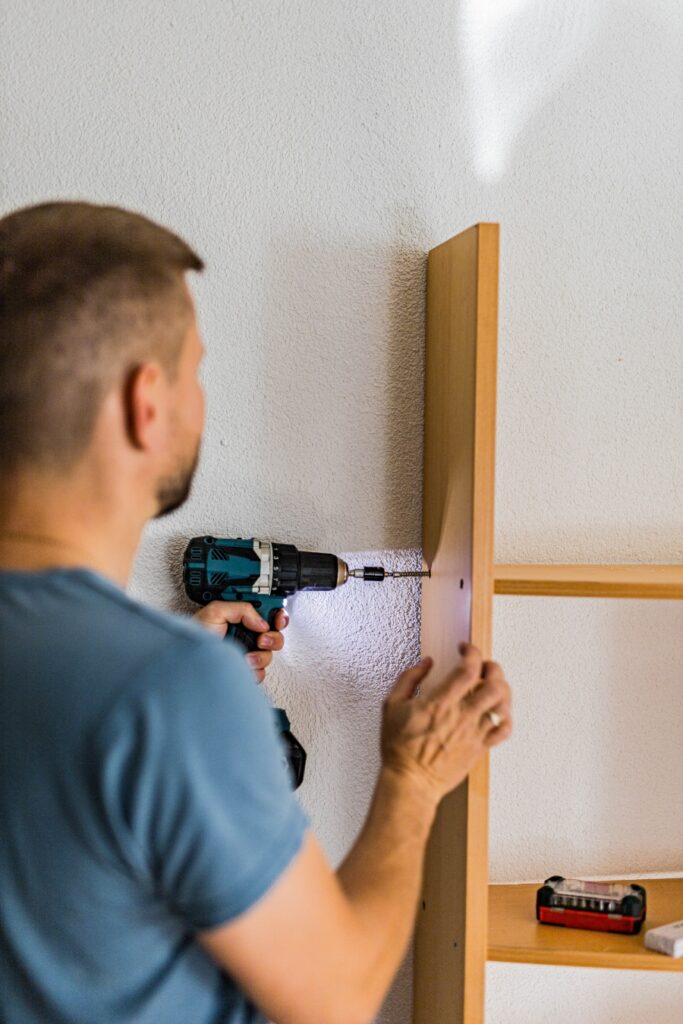
Noisy drilling, demolition, sawing and renovation work is likely to conflict with Sunday-rest rules, local noise law or house rules. Necessary emergency work is treated differently, but routine projects should be scheduled for a permitted weekday period.
Car washing
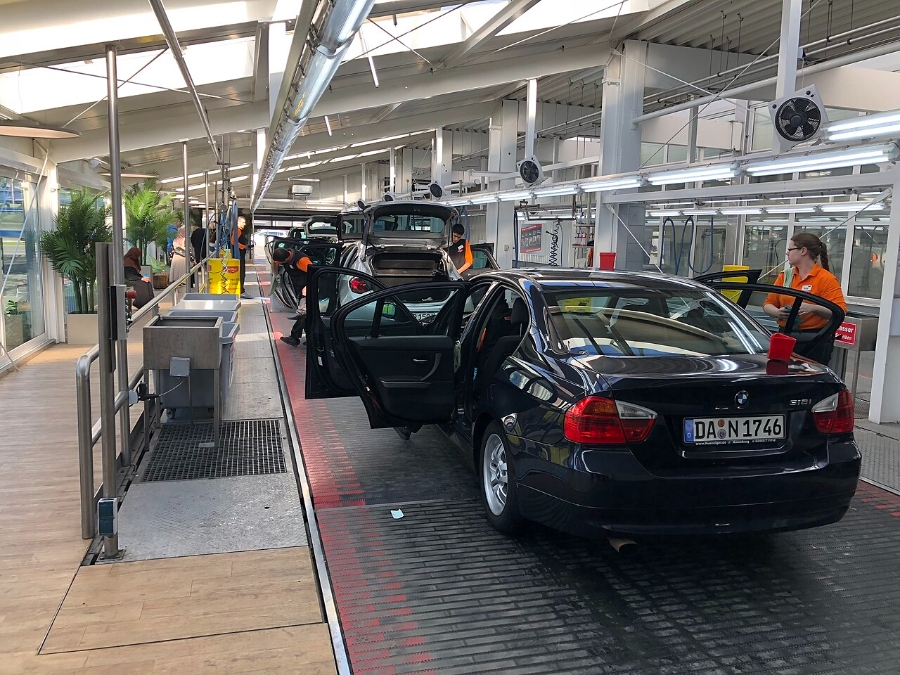
There is no blanket nationwide rule that makes every car wash illegal on Sunday. Municipal holiday, water-protection and wastewater rules decide what is allowed. Approved car washes can open on Sundays in some places; Munich, for example, permits them from 12:00 to 18:00 except on specified holidays. Washing a vehicle on a street, unsealed ground or a surface draining into rainwater systems may be prohibited for environmental reasons regardless of the day.
Children’s noise
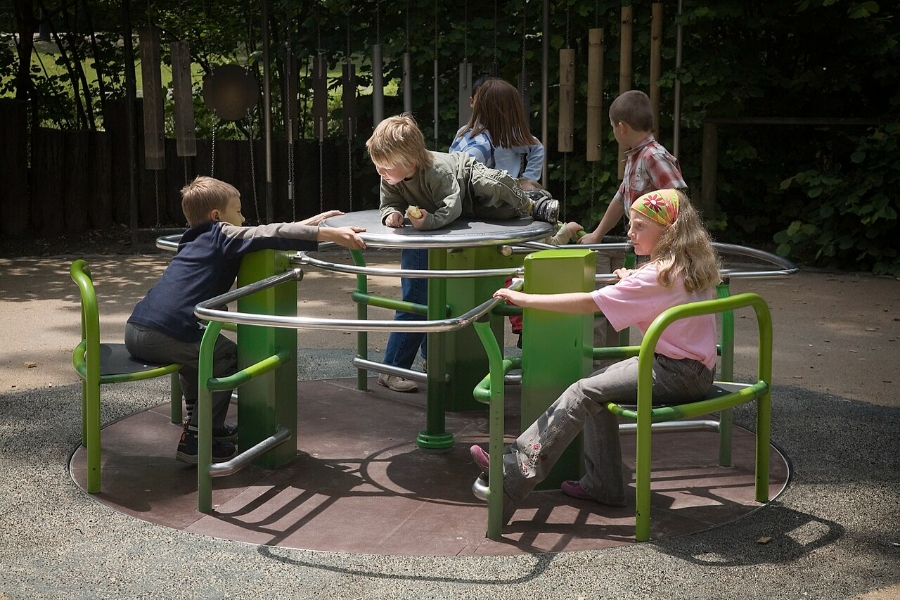
Federal law gives special protection to noise made by children at childcare facilities, playgrounds and similar sites; it is normally not treated as a harmful environmental impact. That rule is narrower than a general exemption for every sound made by a child in a hotel or apartment building. Ordinary child noise receives considerable tolerance, but prolonged disturbance in hallways or during protected hours can still become a property-management issue.
How the rules differ in major cities
Berlin

- Shops may legally open around the clock from Monday to Saturday, although individual businesses set shorter hours.
- Tourist-need shops with the required restricted assortment may open Sundays and holidays from 13:00 to 20:00.
- Qualifying bakery, flower, newspaper and dairy shops may open from 07:00 to 16:00.
- Petrol stations, pharmacies and qualifying shops at passenger stations, airports and coach terminals have separate exemptions.
- Berlin law permits up to eight citywide shopping Sundays plus two additional occasion-based openings per shop. Only formally announced dates count, and participation is optional.
As of 30 August 2026, Berlin’s remaining citywide shopping Sundays for the year are 6 December and 20 December, with permitted hours of 13:00 to 20:00. Individual stores may still remain closed.
Munich and Bavaria
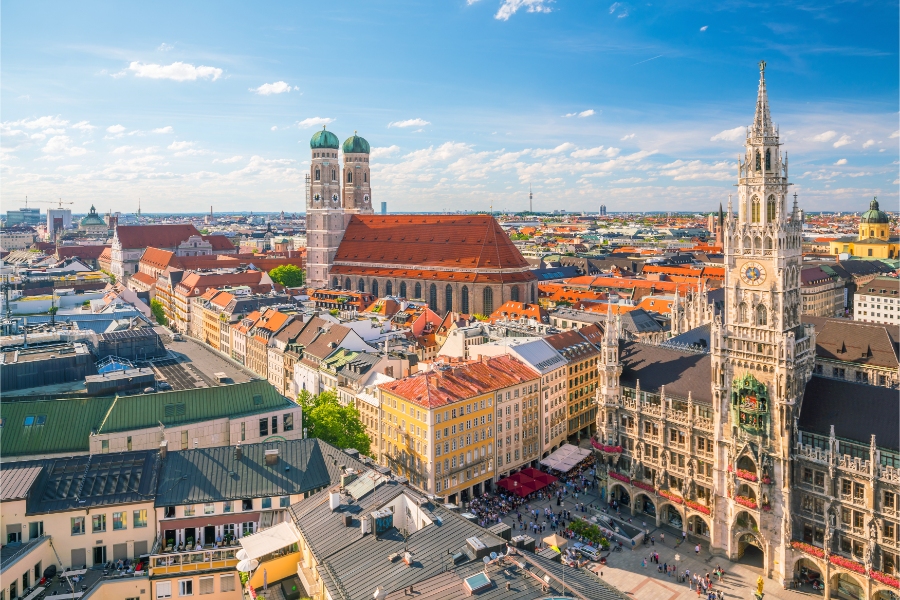
- Bavaria’s state law, in force since 1 August 2025, keeps ordinary shop hours at 06:00–20:00 from Monday to Saturday.
- Normal shops remain closed on Sundays and public holidays unless an exemption applies.
- The new law allows municipalities to authorise limited late-shopping nights and creates narrow rules for unmanned small supermarkets.
- Munich’s 2026 local ordinance permits specified tourism goods in defined Altstadt pedestrian areas on certain Sundays. It does not turn the city centre into a general Sunday shopping zone.
- Bakeries, restaurants, beer gardens, station retailers and airport shops remain the practical Sunday options.
Hamburg
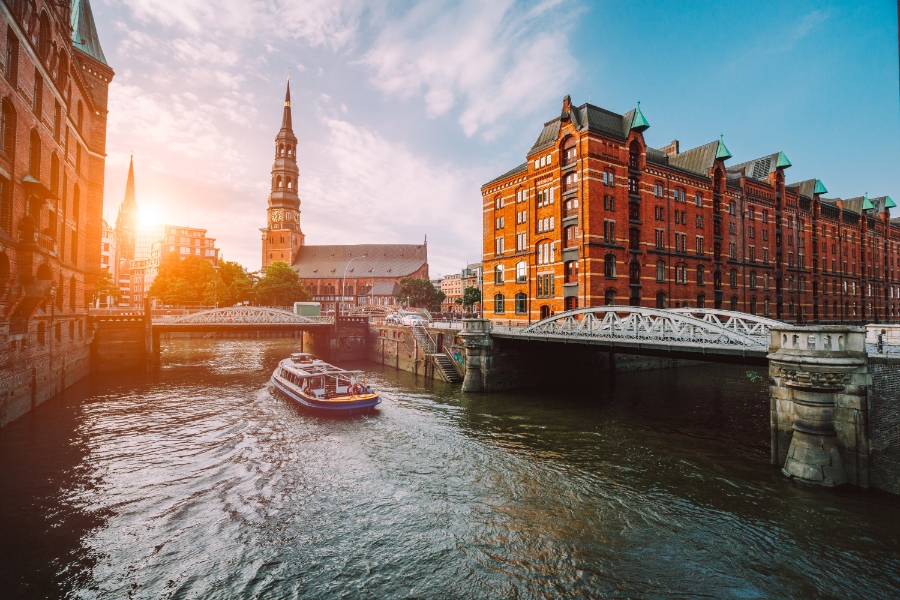
- Ordinary retail may generally open from 06:00 to 24:00 Monday to Saturday.
- Sunday opening remains the exception and is linked to qualifying events and defined areas.
- Hamburg schedules four themed shopping Sundays in 2026, normally from 13:00 to 18:00. The remaining dates after August are 27 September and 8 November.
- Shops at the central station and airport follow separate rules and hours.
Frankfurt
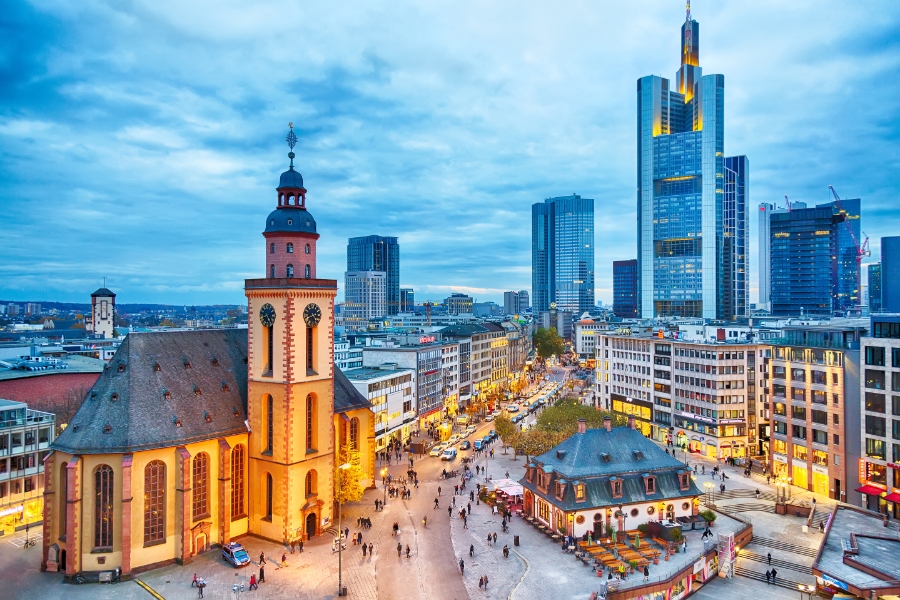
Frankfurt Airport is the city’s broadest Sunday retail area, while Frankfurt Hauptbahnhof has shops serving travellers. The exact assortment and access conditions differ by store. Outside those transport hubs and authorised event zones, ordinary retail closes.
Cologne and North Rhine-Westphalia
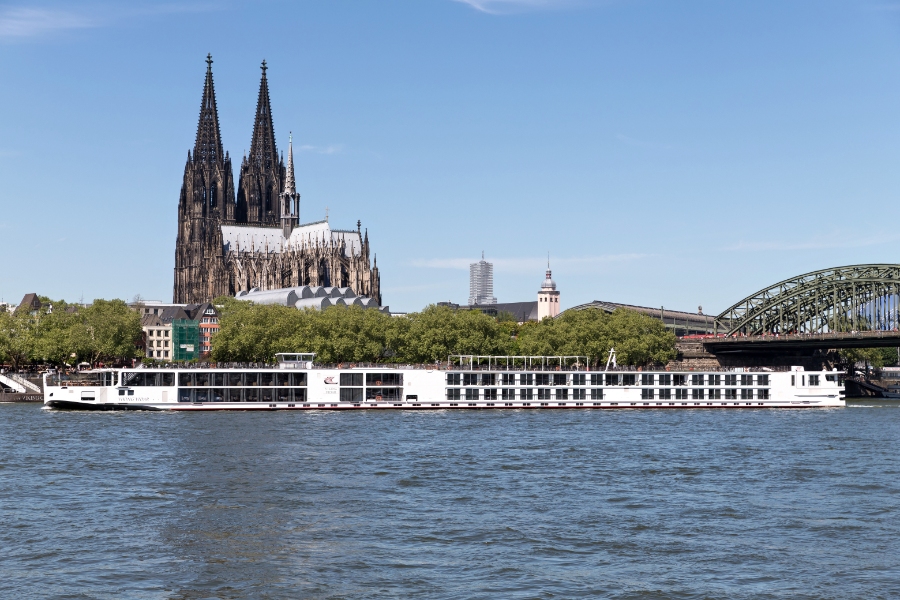
- North Rhine-Westphalia allows unrestricted shop-opening hours on working days, including Saturday, but actual store hours are usually shorter.
- Ordinary Sunday retail is closed. Bakery, flower and newspaper shops may open for a limited period under the state law.
- Municipalities may authorise up to eight non-consecutive Sunday or holiday openings in the public interest, subject to legal conditions.
- Cologne’s Büdchen are useful when open, but each shop’s legal category, assortment and posted hours matter.
Shopping Sundays: verkaufsoffene Sonntage
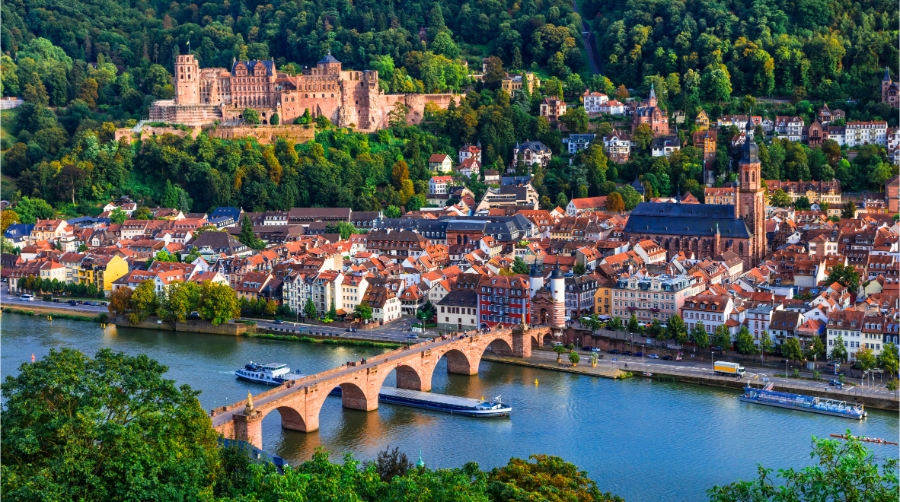
A verkaufsoffener Sonntag is a formally authorised exception, usually connected to a festival, fair, market, cultural event or another public-interest reason. The legal maximum, permitted hours and excluded holidays vary by state.
Do not rely on an old citywide list. Court challenges and administrative changes can cancel or narrow an opening. Check the city’s official website, the local chamber of commerce and the specific shopping centre or store shortly before you travel.
- Search for verkaufsoffener Sonntag plus the city name and year.
- Confirm the named district or event zone; authorisation may not cover the whole city.
- Check the store itself. Legal permission does not require a business to open.
Public holidays in Germany in 2026

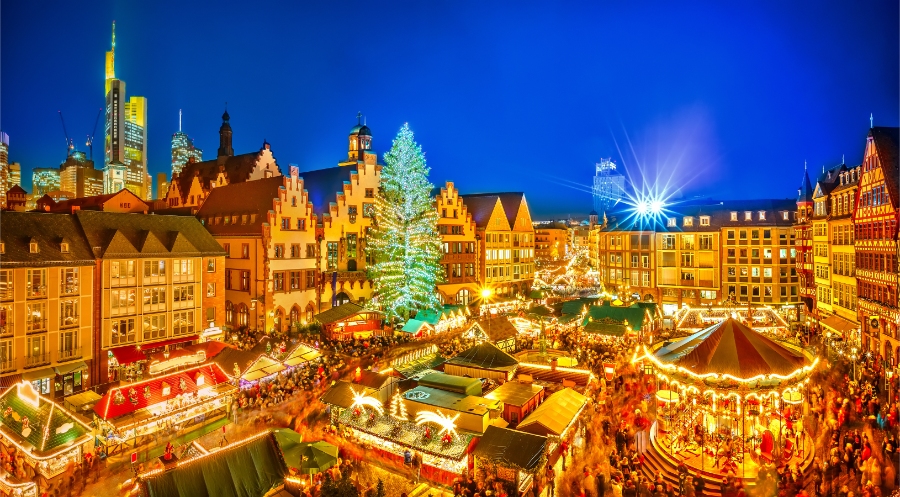
On a public holiday, use the same planning rule as on a Sunday: assume ordinary retail is closed. Some holidays also carry stricter event and entertainment rules under state law.
Nationwide public holidays
| Date | Day | Holiday |
|---|---|---|
| 1 January 2026 | Thursday | New Year’s Day |
| 3 April 2026 | Friday | Good Friday |
| 6 April 2026 | Monday | Easter Monday |
| 1 May 2026 | Friday | Labour Day |
| 14 May 2026 | Thursday | Ascension Day |
| 25 May 2026 | Monday | Whit Monday |
| 3 October 2026 | Saturday | Day of German Unity |
| 25 December 2026 | Friday | Christmas Day |
| 26 December 2026 | Saturday | Boxing Day |
State and local public holidays

| Date | Holiday | Where it applies |
|---|---|---|
| 6 January | Epiphany | Baden-Württemberg, Bavaria and Saxony-Anhalt |
| 8 March | International Women’s Day | Berlin and Mecklenburg-Western Pomerania |
| 4 June | Corpus Christi | Baden-Württemberg, Bavaria, Hesse, North Rhine-Westphalia, Rhineland-Palatinate, Saarland and specified municipalities in Saxony and Thuringia |
| 8 August | Augsburg Peace Festival | City of Augsburg only |
| 15 August | Assumption Day | Saarland and qualifying municipalities in Bavaria |
| 20 September | World Children’s Day | Thuringia |
| 31 October | Reformation Day | Brandenburg, Bremen, Hamburg, Mecklenburg-Western Pomerania, Lower Saxony, Saxony, Saxony-Anhalt, Schleswig-Holstein and Thuringia |
| 1 November | All Saints’ Day | Baden-Württemberg, Bavaria, North Rhine-Westphalia, Rhineland-Palatinate and Saarland |
| 18 November | Day of Prayer and Repentance | Saxony |
Silent holidays
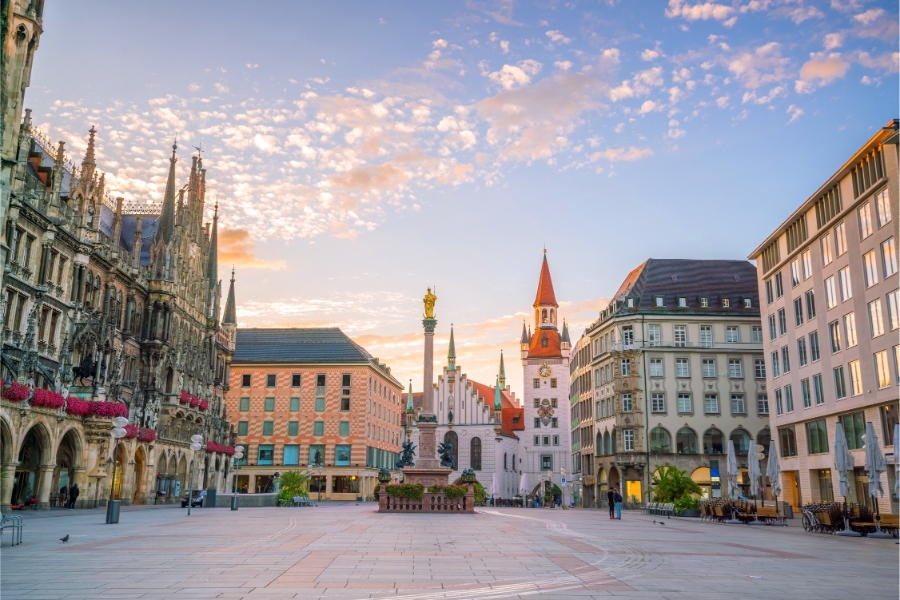
German states designate certain days as stille Feiertage, or silent holidays. Good Friday receives the strongest protection in many states, with limits on dancing, amplified entertainment or public events. The restricted hours and affected activities differ by state, so event-goers should check the local holiday act rather than use a nationwide list.
Christmas Eve and New Year’s Eve are not nationwide public holidays. When they fall on a working day, many shops close early, and state law may impose a specific cut-off. Confirm hours before travelling.
A practical Sunday plan
Buy these by Saturday

- Groceries for Sunday and Monday breakfast
- Prescription medicines and any specific pharmacy items
- Toiletries, baby supplies and specialist dietary products
- Anything needed for an early train, flight or day trip
- A small cash reserve, although card acceptance is now common in many urban businesses
In Bavaria and Saarland, standard retail normally closes at 20:00 on working days. Berlin and North Rhine-Westphalia permit much later trading, but individual supermarkets still choose their own hours. Buying essentials before the final hour avoids unnecessary station or petrol-station prices.
Use Sunday for what is open
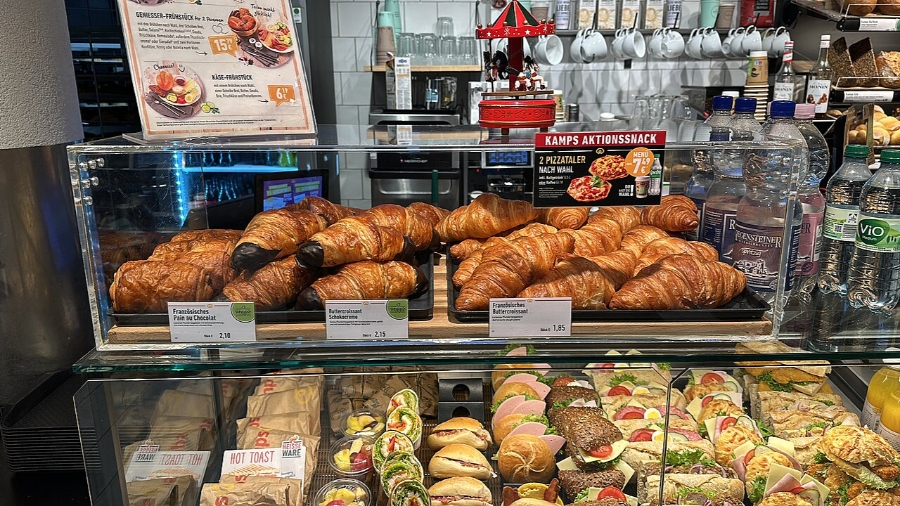
- Start with a bakery breakfast or café brunch, after checking the branch hours.
- Visit museums, parks, churches, memorials, cinemas or seasonal markets.
- Use public transport for a day trip, allowing for Sunday timetables and engineering works.
- Reserve popular restaurants when travelling during a festival, trade fair or holiday weekend.
- Check flea-market dates rather than assuming a market runs every Sunday or in all weather.
Emergency shopping, pharmacies and medical help
| Need | Best option |
|---|---|
| Basic food or toiletries | Petrol station, qualifying station shop, airport shop or an open automated mini-market where local law permits one |
| Urgent medicine | Search the official Aponet Notdienst rota or read the notice posted in a closed pharmacy’s window |
| Urgent, non-life-threatening medical care | Call 116117, the nationwide medical on-call service |
| Life-threatening emergency | Call 112 |
An emergency pharmacy may charge a €2.50 service fee once per visit. The fee can apply from 20:00 to 06:00 on working days and all day on Sundays and public holidays. Stock is limited to what the pharmacy has on hand, so buy routine prescription medicine before the weekend.
Fines, complaints and enforcement
There is no single German fine for breaking quiet hours. The legal basis may be a federal administrative-offence rule, a state immissions law, a municipal ordinance or another specialist regulation. Section 117 of the federal Administrative Offences Act allows a fine of up to €5,000 for unjustified or avoidable noise that significantly disturbs the public or neighbourhood when no other provision applies. State laws can set different ceilings; Berlin’s state immissions law, for example, allows substantially higher maximum fines for specified breaches.
Those figures are legal maximums, not standard tourist penalties. A complaint may lead to a neighbour contacting you, a hotel warning, a visit from the police or the local public-order office, or a formal report. Repeated disturbance is more likely to escalate. Tenants and short-term rental guests may also face action under the house rules or accommodation contract.
Hotel and holiday-rental etiquette after 22:00

| Usually reasonable | Likely to cause complaints |
|---|---|
| Quiet conversation inside the room | Music audible in the corridor or another room |
| Television at low volume | Balcony gatherings and raised voices |
| Showering and normal bathroom use | Dragging luggage through stairwells |
| Walking normally and closing doors gently | Children or adults running in corridors |
| Quiet cooking | Speakerphone calls in shared spaces |
Why Sunday is legally protected

Article 140 of Germany’s Basic Law incorporates Article 139 of the Weimar Constitution, which protects Sundays and state-recognised public holidays as days of rest and spiritual reflection. The protection has religious roots, but modern constitutional decisions also recognise its secular functions: shared rest, family and social life, and protection from an economy that otherwise operates every day.
In its 2009 decision on Berlin’s Advent shopping rules, the Federal Constitutional Court held that Sunday opening must remain an exception and that the day must remain recognisably different from an ordinary working day. That is why broad commercial demand alone is not enough to justify routine Sunday trading.
Common mistakes to avoid
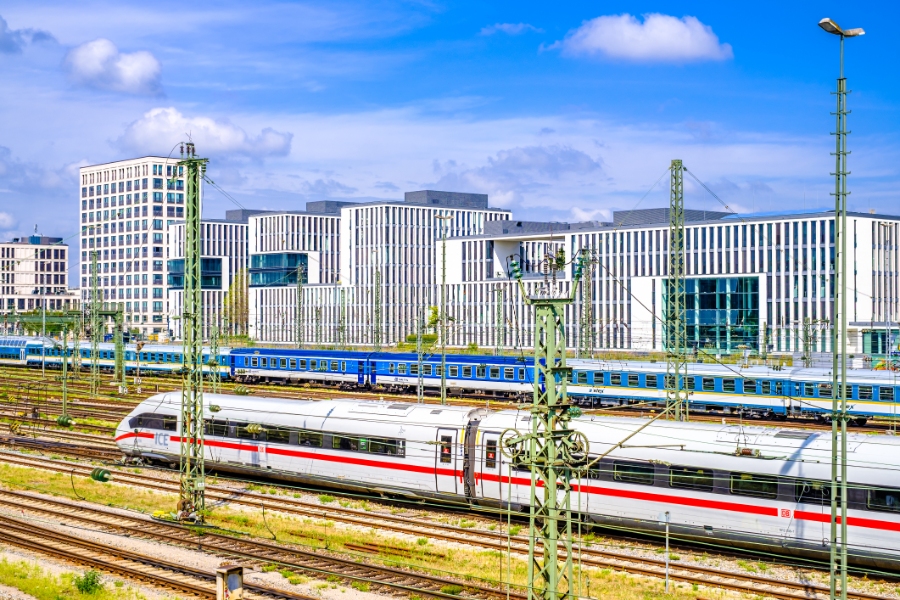
- Assuming every shop in a railway station can sell its full weekday range.
- Believing a tourist district is automatically exempt from Sunday-closing law.
- Leaving food, medicine or baby supplies until Sunday morning.
- Treating 22:00–06:00 as a universal national rule when some places use 22:00–07:00 or add local midday restrictions.
- Assuming all household appliances are legally banned at night or on Sunday. Check the property rules and consider how much noise the appliance transmits.
- Repeating the myth that car washing is forbidden everywhere in Germany on Sunday.
- Relying on an old shopping-Sunday calendar without checking for cancellations or district limits.
Frequently asked questions

Are supermarkets open on Sunday in Germany?
Most are closed. Exceptions may include qualifying stores at major stations or airports, plus narrow categories such as locally authorised automated mini-markets. Check the individual branch before travelling.
Can I buy alcohol on Sunday?
Restaurants, bars, petrol stations and some exempt shops may sell alcohol, subject to licensing, assortment and local rules. A closed supermarket cannot open simply to sell alcohol.
Can I do laundry on Sunday?
There is no nationwide Sunday ban on using a washing machine. Your lease, house rules or communal laundry-room schedule may impose limits, and a machine that causes strong vibration can still disturb neighbours.
Can I vacuum on Sunday?
Normal household activity is not governed by one national ban, but Sunday-rest rules and house rules require consideration. Keep the task brief, avoid protected quiet periods and stop if the sound carries strongly into neighbouring homes.
Do trains and public transport run on Sunday?
Yes. Trains, trams, buses and urban rail services operate, usually on a Sunday timetable. Engineering works and reduced early-morning frequency are common, so check the journey shortly before departure.
What should I do when neighbours complain?
Reduce the noise immediately and keep the conversation calm. In a hotel or rental, follow staff or host instructions. Arguing that the sound is acceptable rarely helps once it is clearly carrying into another space.
The practical rule to remember
Buy essentials by Saturday, assume ordinary retail will close on Sunday, and check the exact opening hours of any exception before travelling. After 22:00, keep sound inside your room or flat. For midday quiet, laundry, communal spaces and local Sunday restrictions, the building rules and municipal website matter more than general travel folklore.
Official sources and further checks
- Basic Law, Article 140, including Article 139 of the Weimar Constitution
- Federal machinery-noise ordinance, Section 7
- Federal Immission Control Act, Section 22, including child-noise provisions
- Administrative Offences Act, Section 117 on unlawful noise
- Berlin shop-opening rules
- Bavarian shop-closing rules
- Hamburg retail opening rules
- North Rhine-Westphalia shop-opening overview
- Deutsche Bundesbank list of German public holidays in 2026
- Official emergency-pharmacy search
- Nationwide medical on-call service