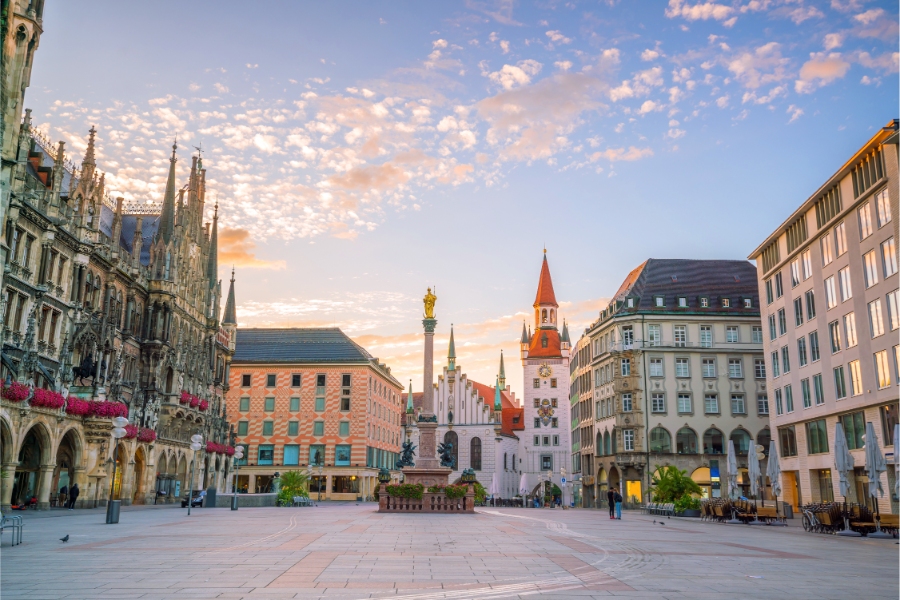
Your Complete Guide to Planning an Unforgettable German Adventure

Planning your first trip to Germany can feel overwhelming – from deciding which cities to visit to navigating transportation, accommodations, and cultural nuances. But with proper planning, Germany offers one of the most rewarding travel experiences in Europe. This comprehensive, step-by-step guide will walk you through every aspect of planning your German adventure, ensuring you’re prepared for an incredible journey through this fascinating country.
Step 1: Determine Your Budget and Trip Duration

Before diving into destinations and activities, establishing your budget is crucial as it influences every aspect of your trip planning.
Budget Breakdown (Per Person, Per Day)
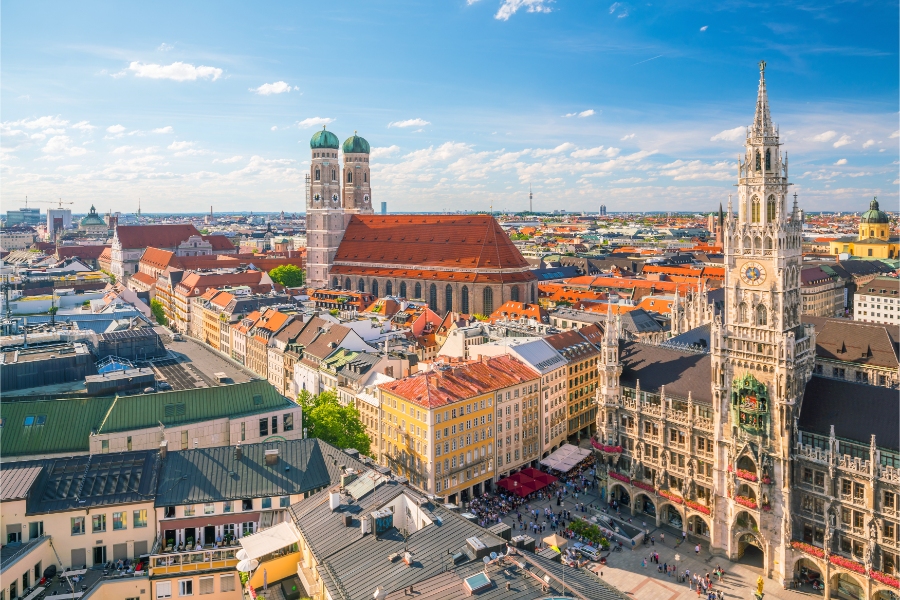
- Budget Travel: €40-60 per day
- Accommodation: €15-25 (hostels, shared rooms)
- Food: €15-25 (supermarkets, street food, casual dining)
- Transportation: €10-15 (public transport, regional trains)
- Activities: €5-10 (free attractions, parks, walking tours)
- Mid-Range Travel: €80-150 per day
- Accommodation: €50-80 (3-star hotels, private rooms)
- Food: €30-50 (restaurants, cafes, local specialties)
- Transportation: €20-30 (ICE trains, taxis when needed)
- Activities: €15-25 (museums, attractions, guided tours)
- Luxury Travel: €200+ per day
- Accommodation: €120+ (4-5 star hotels, boutique properties)
- Food: €60+ (fine dining, wine tastings, gourmet experiences)
- Transportation: €40+ (first-class trains, private transfers)
- Activities: €30+ (private tours, exclusive experiences)
Recommended Trip Duration
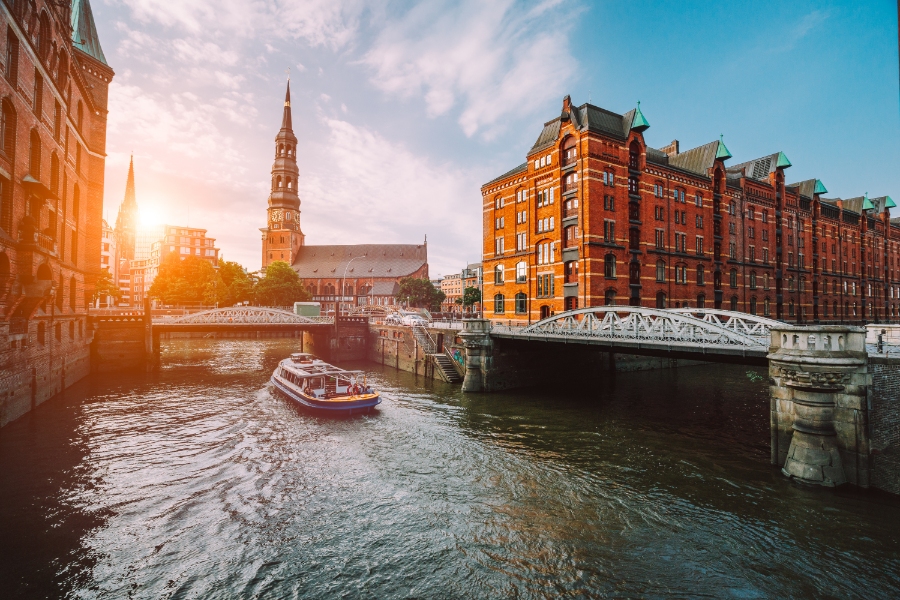
- 5-7 days: Perfect for exploring 1-2 major cities (Berlin + Munich or Hamburg + Cologne)
- 10-14 days: Ideal for seeing major highlights plus some countryside or smaller towns
- 3-4 weeks: Comprehensive exploration including multiple regions and cultural immersion
Step 2: Choose the Best Time to Visit
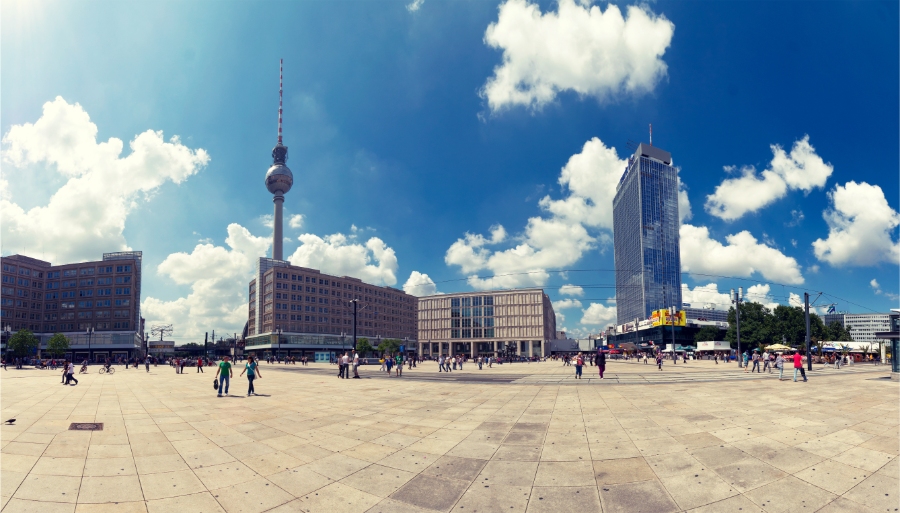
For detailed month-by-month weather and seasonal highlights, check our comprehensive guide to the best time to visit Germany.
Germany’s climate and seasonal attractions significantly impact your travel experience and budget.
Peak Season (June-August)
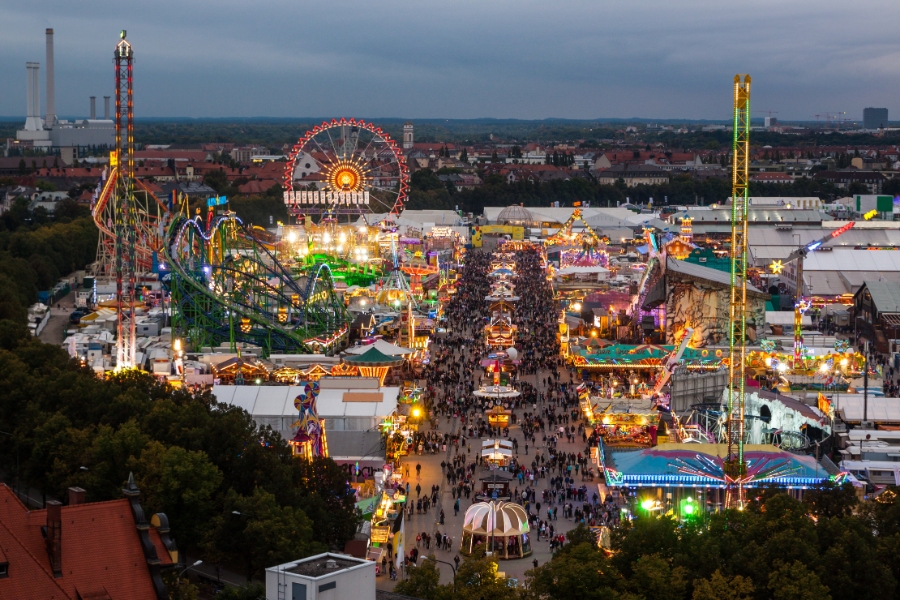
- Pros: Warmest weather, longest days, outdoor festivals, beer gardens in full swing
- Cons: Highest prices, biggest crowds, accommodation books up quickly
- Best for: First-time visitors, families, outdoor activities
Shoulder Season (April-May, September-October)
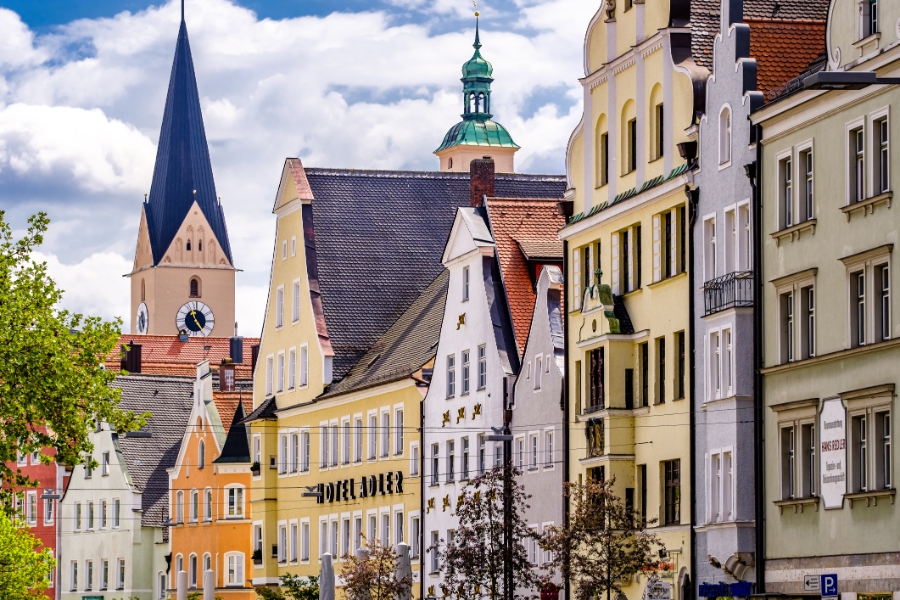
- Pros: Pleasant weather, fewer crowds, moderate prices, beautiful autumn colors
- Cons: Variable weather, some attractions may have reduced hours
- Best for: Budget travelers, photography enthusiasts, cultural experiences
Winter Season (November-March)
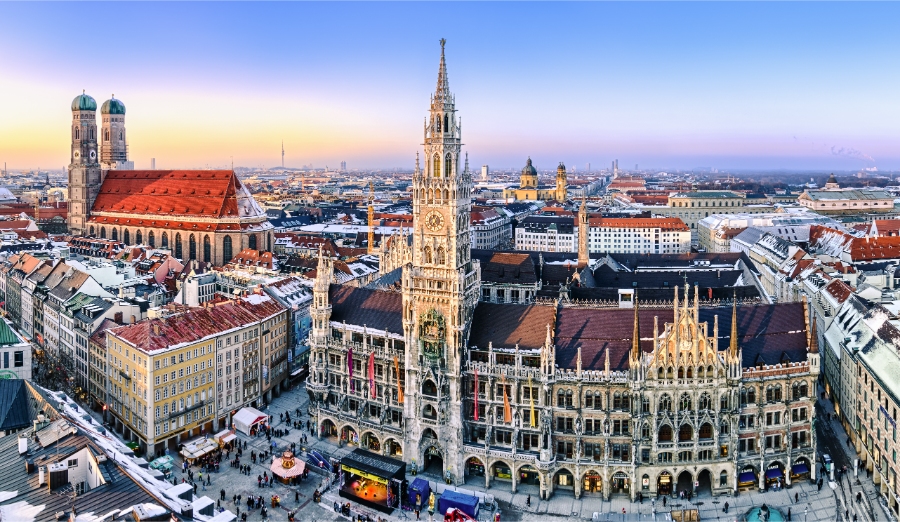
- Pros: Christmas markets, lowest prices, authentic local experience, cozy indoor culture
- Cons: Cold weather, shorter days, some attractions closed
- Best for: Christmas market enthusiasts, budget travelers, cultural immersion
Step 3: Create Your Bucket List and Map It Out
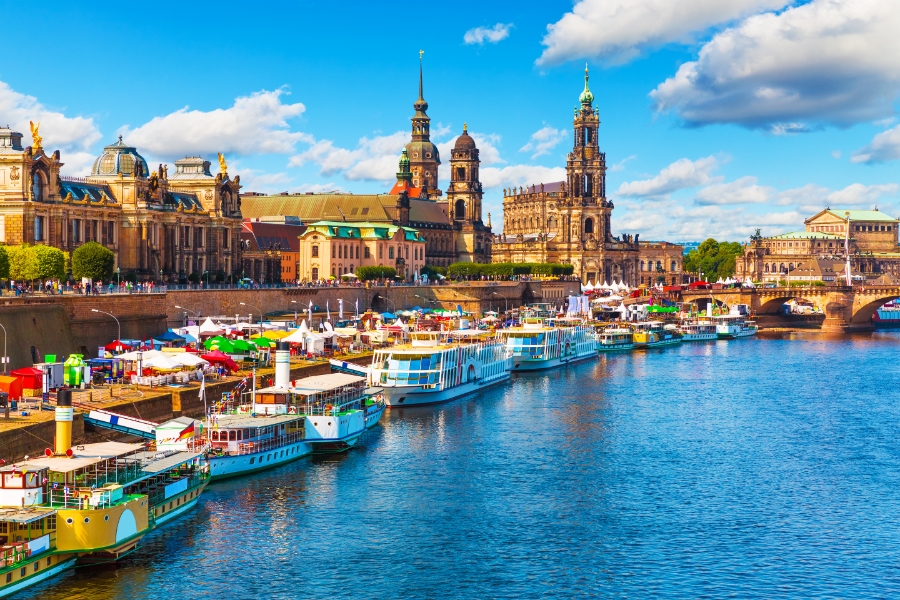
Start by listing everything you want to see and do, then use Google Maps to visualize locations and plan logical routes.
Essential Experiences to Consider
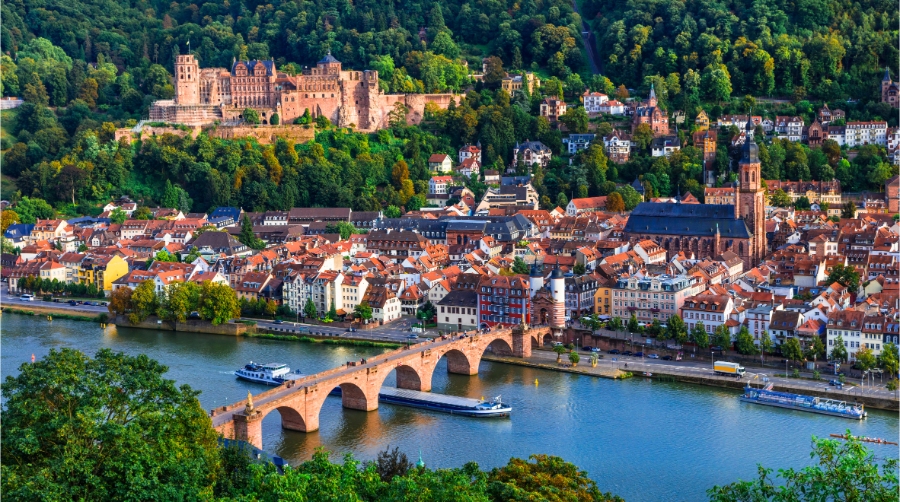
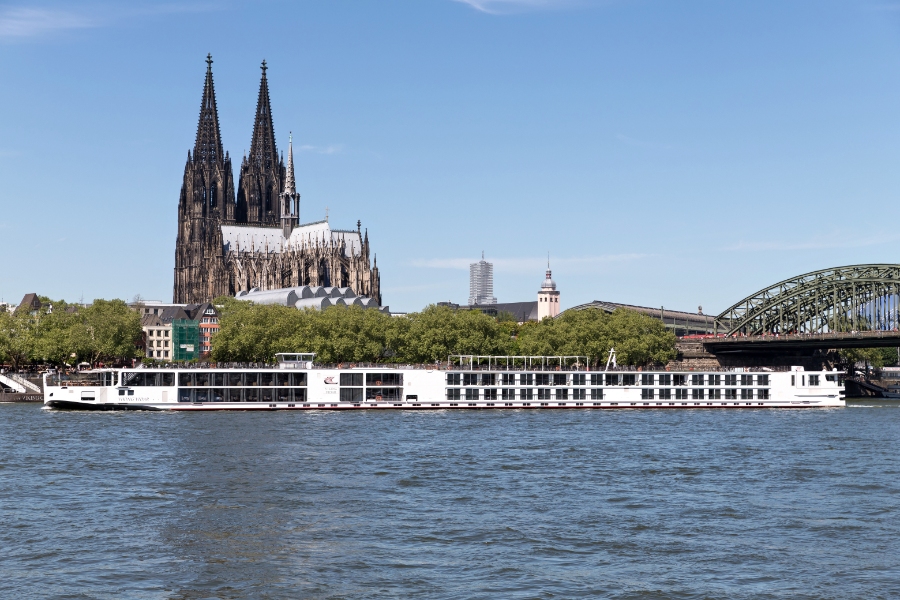
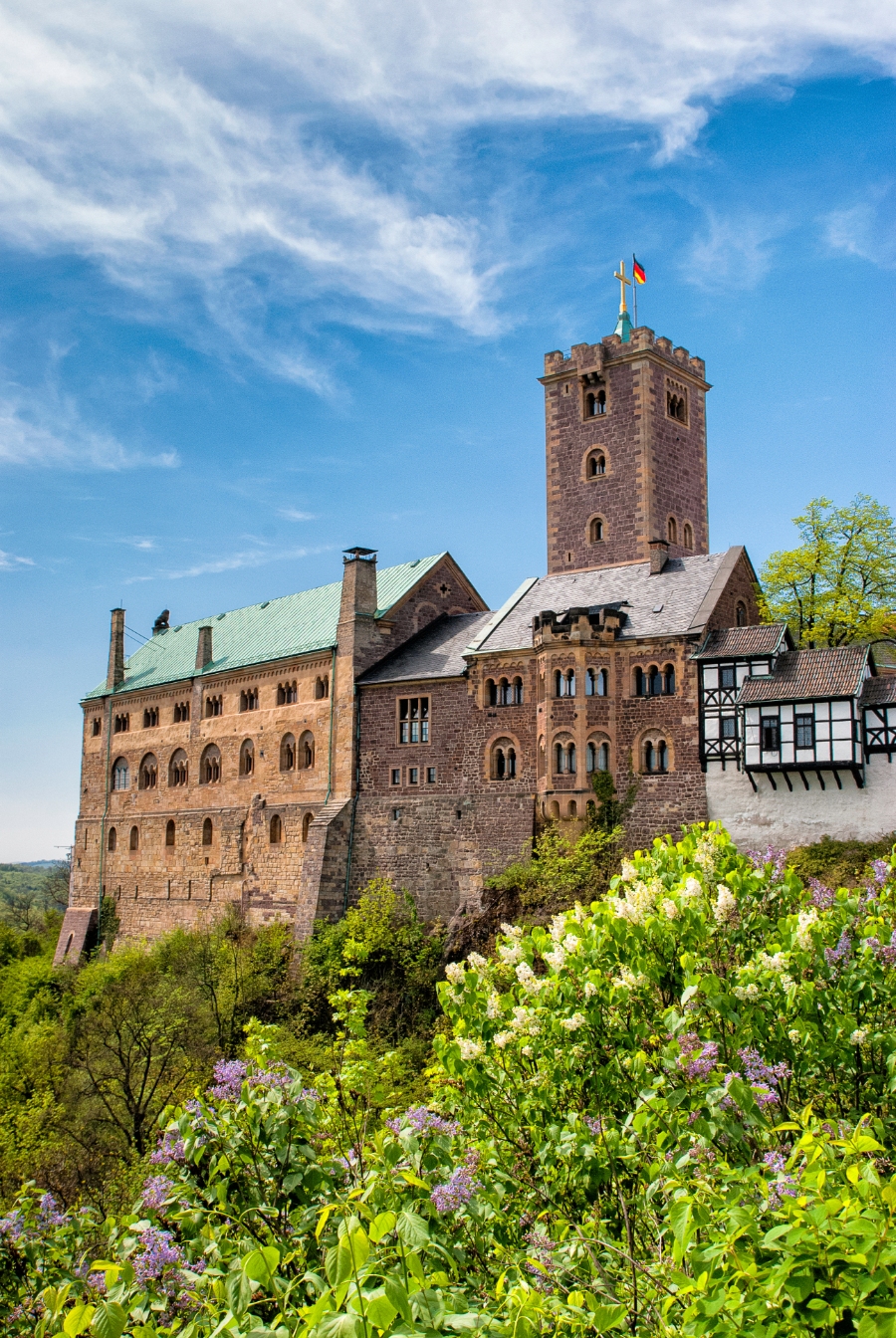
- Historical Sites: Brandenburg Gate, Berlin Wall, Cologne Cathedral, Wartburg Castle
- Cultural Attractions: Museum Island, Neuschwanstein Castle, Oktoberfest, Christmas Markets
- Natural Beauty: Black Forest, Rhine Valley, Bavarian Alps, Baltic Sea coast
- Cities: Berlin, Munich, Hamburg, Cologne, Dresden, Heidelberg
- Unique Experiences: Beer gardens, thermal spas, river cruises, traditional festivals
Mapping Strategy
- Plot all desired destinations on Google Maps
- Group nearby attractions together
- Plan logical routes to minimize travel time
- Consider day trips from major cities
- Allow flexibility for spontaneous discoveries
Step 4: Select Your Destinations
Explore our detailed guides to Germany’s 15 best destinations and top 10 must-do activities to help you choose where to go.
Choose destinations based on your interests, time available, and travel style.
First-Time Visitor Essentials

- Berlin: Capital city with rich history, lively culture, world-class museums
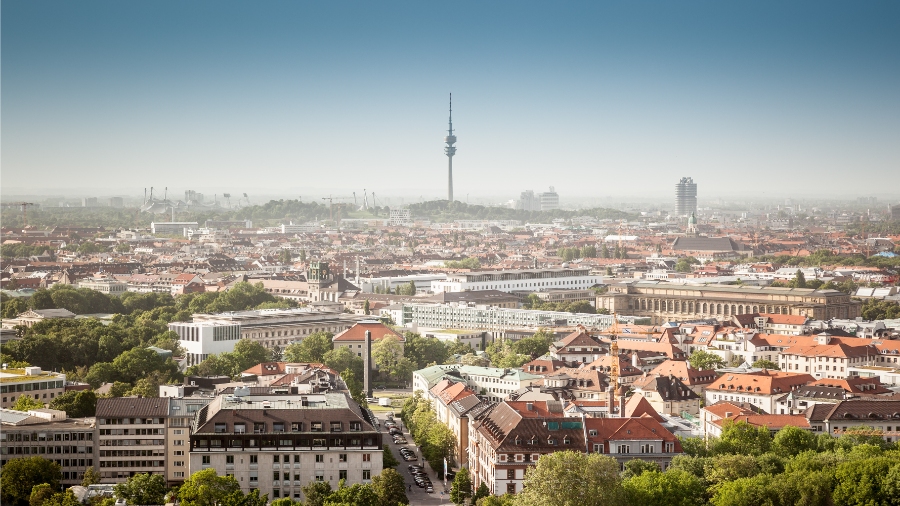
- Munich: Bavarian capital with traditional culture, beer gardens, Alpine access
- Rhine Valley: Scenic river region with castles, vineyards, charming towns
- Romantic Road: Medieval towns, fairy-tale castles, traditional German culture
Regional Specialties
- Bavaria: Oktoberfest, Alpine scenery, traditional culture, Neuschwanstein Castle
- Rhine Region: River cruises, wine tasting, medieval castles, historic cities
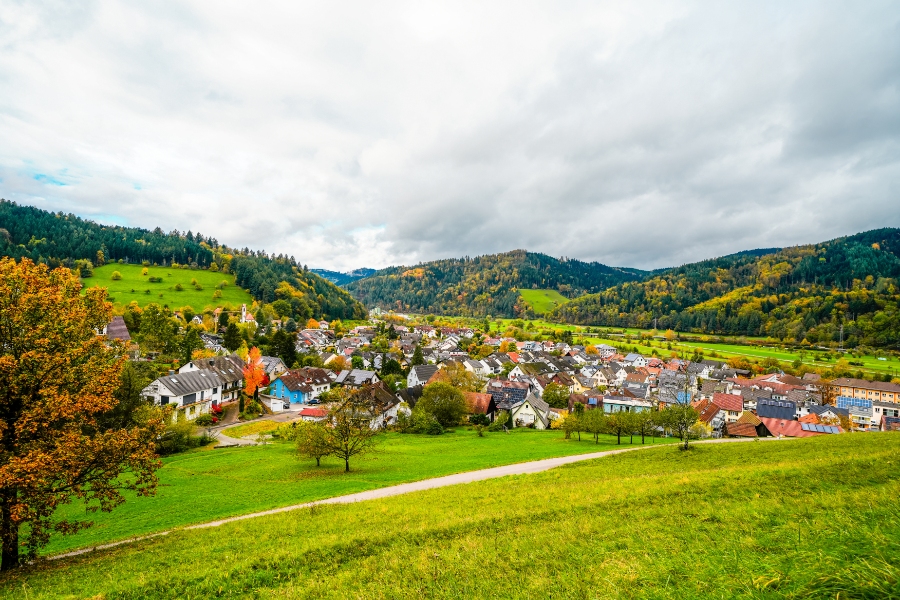
- Black Forest: Hiking trails, spa towns, cuckoo clocks, scenic drives
- Northern Germany: Maritime culture, Hanseatic cities, coastal landscapes
Step 5: Book Your Flights (5-6 Months in Advance)

Early booking typically offers the best prices and flight options for international travel.
Flight Booking Strategy

- Timing: Book 5-6 months ahead for best prices
- Flexibility: Consider flying mid-week for lower fares
- Airports: Frankfurt (FRA) and Munich (MUC) are main hubs; consider Berlin (BER), Hamburg (HAM), or Düsseldorf (DUS)
- Tools: Use Google Flights, Skyscanner, or Momondo for price comparisons
Cost-Saving Tips

- Set price alerts for your preferred routes
- Consider nearby airports for potentially lower fares
- Book directly with airlines for better customer service
- Check for student, senior, or military discounts
Step 6: Plan Your Transportation
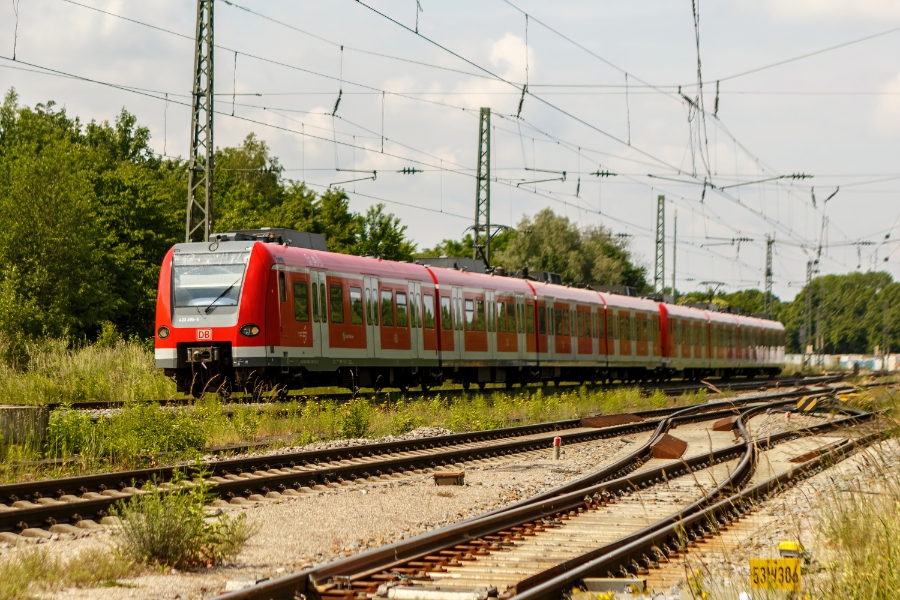
Germany boasts one of Europe’s most efficient transportation systems, making travel between cities seamless.
Train Travel (Recommended)

- Deutsche Bahn (DB): National railway system connecting all major cities
- ICE Trains: High-speed connections between major cities (up to 300 km/h)
- Regional Trains: Slower but cheaper options for shorter distances
- Rail Passes: Consider German Rail Pass for unlimited travel
Public Transportation in Cities

- S-Bahn: Suburban trains connecting city centers with outer areas
- U-Bahn: Underground metro systems in major cities
- Trams and Buses: Comprehensive networks covering all city areas
- Day Passes: Most cost-effective for multiple trips
Car Rental
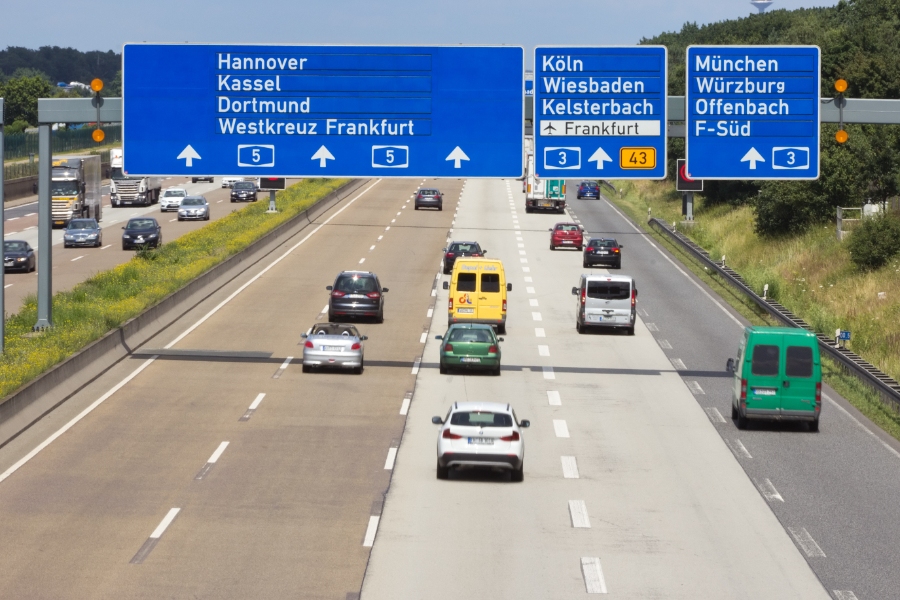
- Best for: Rural areas, Romantic Road, Black Forest, flexible scheduling
- Requirements: Valid driver’s license, credit card, minimum age (usually 21)
- Autobahn Experience: Germany’s famous highway system with no speed limits in some sections
Step 7: Book Your Accommodations

Choose accommodations based on your budget, preferred location, and desired amenities.
Accommodation Types

- Hostels: €15-30 per night, social atmosphere, great for budget travelers
- Guesthouses (Pension): €40-70 per night, local experience, often family-run
- Hotels: €60-200+ per night, consistent quality, professional service
- Vacation Rentals: €50-150+ per night, local experience, kitchen facilities
Booking Tips

- Book early for better prices and availability
- Consider location relative to transportation and attractions
- Read reviews carefully on multiple platforms
- Check cancellation policies for flexibility
Step 8: Research Activities and Attractions

Plan your must-see attractions while leaving room for spontaneous discoveries.
Booking Strategies

- Advance Booking Required: Neuschwanstein Castle, Anne Frank House, major museums during peak season
- City Tourist Cards: Often include public transportation and museum entries
- Free Activities: Walking tours, parks, markets, architectural sightseeing
Cultural Experiences

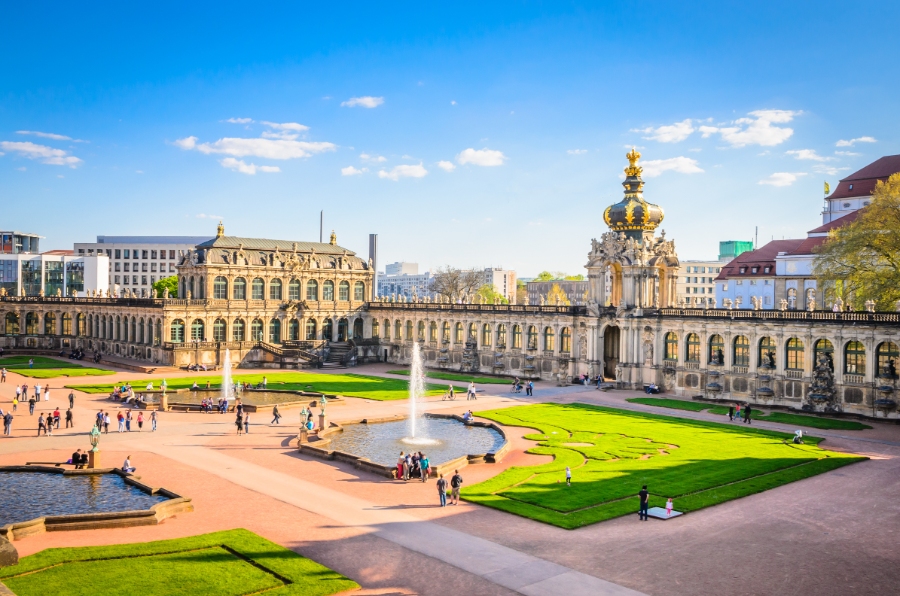
- Museums: Museum Island (Berlin), Zwinger Palace (Dresden), Alte Pinakothek (Munich)
- Festivals: Oktoberfest, Christmas markets, local wine festivals
- Food Culture: Beer gardens, traditional restaurants, food markets
Step 9: Get Travel Insurance
Protect your investment and health with comprehensive travel insurance.
Essential Coverage

- Medical Coverage: Emergency medical treatment and evacuation
- Trip Cancellation: Reimbursement for non-refundable expenses
- Baggage Protection: Coverage for lost, stolen, or delayed luggage
- Travel Delays: Compensation for missed connections and delays
Recommended Providers

- World Nomads (comprehensive coverage for adventurous travelers)
- Allianz Travel (reliable international coverage)
- Travel Guard (comprehensive protection plans)
Step 10: Prepare for Your Journey

Final preparations ensure a smooth and enjoyable travel experience.
Essential Documents

- Passport: Valid for at least 6 months beyond travel dates
- Visa: Not required for US citizens staying under 90 days
- Travel Insurance: Keep copies of policy documents
- Accommodation Confirmations: Print or save digital copies
Money and Banking
- Currency: Euro (€) is the official currency
- Credit Cards: Widely accepted, but cash is still preferred in many places
- ATMs: Widely available, usually the best exchange rates
- Notify Banks: Inform your bank of travel plans to avoid card blocks
Technology and Communication

- Phone Plan: Check international roaming charges or consider local SIM cards
- Apps: Download DB Navigator (trains), Google Translate, city-specific apps
- Adapters: Germany uses Type F plugs (230V)
German Culture and Etiquette

Understanding German culture enhances your travel experience and helps you connect with locals.
Social Norms
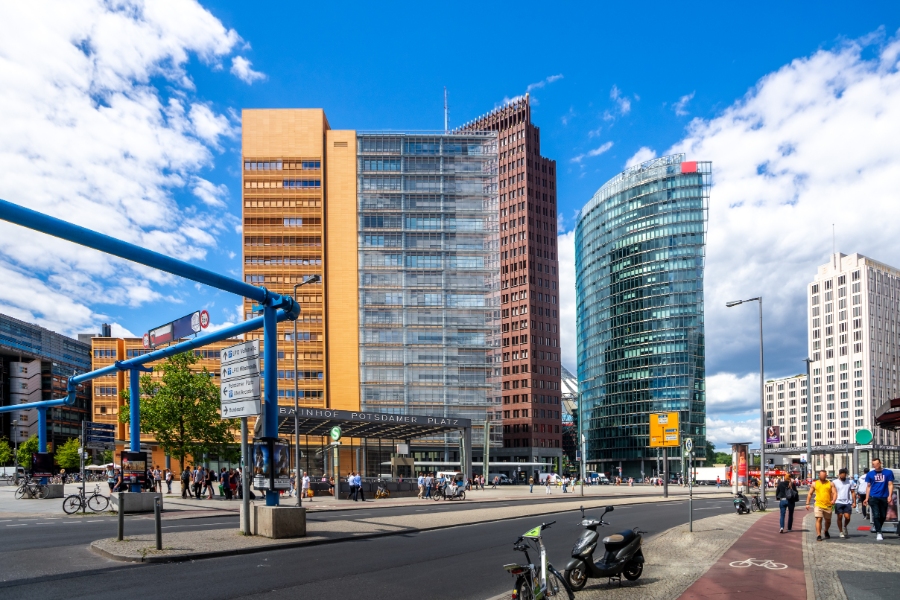
- Punctuality: Germans value timeliness – arrive exactly on time
- Direct Communication: Germans appreciate honest, direct conversation
- Quiet Hours: Respect “Ruhezeit” (quiet time) from 10 PM to 6 AM
- Sunday Closures: Most shops close on Sundays; plan accordingly
Dining Culture

- Tipping: Round up to nearest Euro or add 5-10% for good service
- Water: Tap water is safe but still water costs money in restaurants
- Meal Times: Lunch 12-2 PM, dinner 6-8 PM
- Beer Gardens: Acceptable to bring your own food but buy drinks
Packing Essentials

Pack appropriately for Germany’s variable weather and cultural expectations.
Clothing

- Layers: Weather can change quickly, especially in spring and fall
- Comfortable Shoes: Germans walk a lot, and cities have cobblestone streets
- Rain Gear: Umbrella or lightweight rain jacket
- Dressy Outfit: For nice restaurants, opera, or cultural events
Practical Items

- Power Adapter: Type F plugs for electrical devices
- Medications: Bring prescription medications with original labels
- Cash: Small bills for tips, markets, and small purchases
- Travel Documents: Copies stored separately from originals
Sample Itineraries
7-Day First-Timer Itinerary
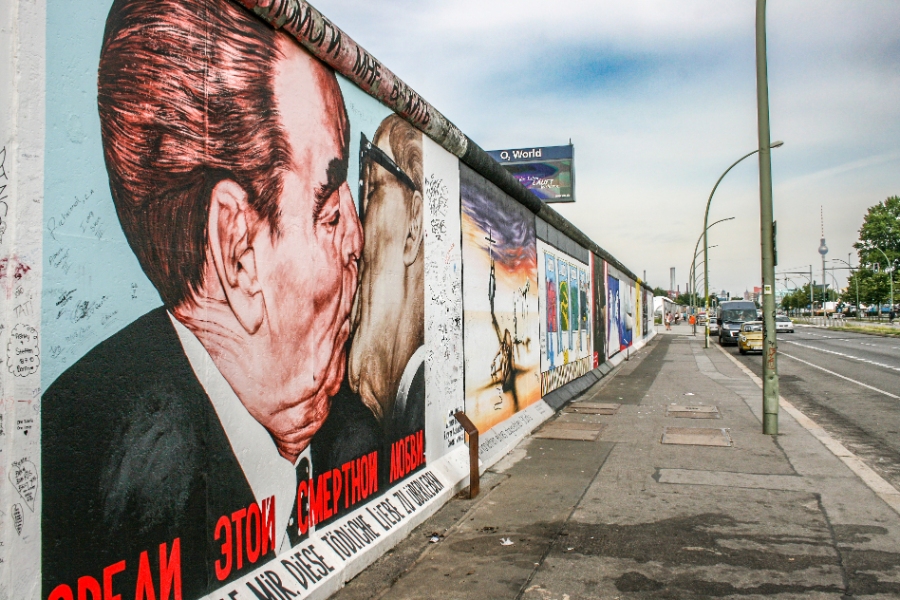
- Days 1-3: Berlin (Brandenburg Gate, Museum Island, East Side Gallery)
- Day 4: Travel to Munich
- Days 5-6: Munich (Marienplatz, Neuschwanstein day trip, beer gardens)
- Day 7: Departure
14-Day Comprehensive Itinerary

- Days 1-4: Berlin and surroundings
- Days 5-7: Dresden and Saxon Switzerland
- Days 8-10: Munich and Bavarian Alps
- Days 11-13: Rhine Valley and Cologne
- Day 14: Departure
Money-Saving Tips

- Travel during shoulder season for lower prices and fewer crowds
- Book accommodations with kitchen facilities to save on dining costs
- Use public transportation instead of taxis
- Take advantage of free activities like walking tours and parks
- Buy groceries at supermarkets for snacks and simple meals
- Consider city tourist cards for bundled savings on attractions
Final Tips for Success

- Learn basic German phrases – locals appreciate the effort
- Stay flexible – some of the best experiences happen spontaneously
- Connect with locals – Germans are helpful and often speak excellent English
- Embrace the culture – try local foods, attend festivals, visit beer gardens
- Keep digital and physical copies of important documents
- Stay informed about local events and potential disruptions
Start Your German Adventure Today
Planning your first trip to Germany might seem daunting, but with this comprehensive guide, you’re well-equipped to create an unforgettable experience. Germany rewards prepared travelers with incredible history, rich culture, stunning landscapes, and warm hospitality.
Remember that perfect planning is less important than being open to new experiences and cultural discoveries. Use this guide as your foundation, but don’t be afraid to deviate from your plans when opportunities arise. The memories you’ll create exploring Germany’s cities, countryside, and culture will last a lifetime.
Start planning your German adventure today – this remarkable country is waiting to exceed your expectations and provide experiences you’ll treasure forever.
Continue Your German Journey

Now that you’ve explored this guide, enhance your German travel planning with these essential resources:
- choosing the perfect season – Determine the best time for your German journey
- 15 essential destinations – Select from Germany’s top places to create your perfect itinerary
- unmissable German experiences – Include these top 10 activities in your travel plans
Each guide provides unique insights to help you create the perfect German adventure. Whether you’re determining the ideal season for your visit, discovering must-see destinations, planning essential activities, or organizing your complete itinerary, our comprehensive resources ensure you’re fully prepared for an unforgettable journey through Germany.
Recommended Related Travel & Cultural Insights
- comprehensive Germany travel guide — Practical guide, background, and visitor tips.
Regional Landmarks, Heritage & Festival Guides
- Wartburg Castle — Complete travel logistics, cultural history, and visitor tips.
- Black Forest National Park — Complete travel logistics, cultural history, and visitor tips.
- Stollen — Complete travel logistics, cultural history, and visitor tips.
- German Beer Purity Law (Reinheitsgebot) — Complete travel logistics, cultural history, and visitor tips.
- Beethovenfest Bonn — Complete travel logistics, cultural history, and visitor tips.
- Rhine in Flames Festival — Complete travel logistics, cultural history, and visitor tips.
- Saxony — Complete travel logistics, cultural history, and visitor tips.
- Hannover Airport — Complete travel logistics, cultural history, and visitor tips.