For most first-time trips, the best time to visit Germany is May, June or September. These months usually provide the best balance of mild to warm weather, long days, open seasonal attractions and manageable crowds. Choose late November through December for Christmas markets, and January through early March for the best chance of reliable ski conditions in the Bavarian Alps.
There is no single best month for every itinerary. July and August suit lakes, coasts and long outdoor days, but they also bring school-holiday demand and possible heat. September is strong for wine regions and hiking, yet Munich becomes expensive during Oktoberfest. Winter can reduce room rates in ordinary city destinations, but Christmas markets, Carnival, ski weeks and trade fairs can reverse that pattern.
Updated August 30, 2026: This guide now uses 1991–2020 climate normals from representative German cities instead of treating one temperature as a national average. It also includes verified 2026 dates for Oktoberfest, the Dürkheimer Wurstmarkt, Berlin Festival of Lights and major Christmas markets.
Weather remains variable, especially in the mountains. Check the local forecast, trail status and event calendar shortly before travel.
What is the best time to visit Germany at a glance?
| Travel priority | Best time | Main trade-off |
|---|---|---|
| Best overall conditions | May, June and September | Public-holiday weekends in spring and major events in September can raise prices |
| City sightseeing | Late April to June; September to mid-October | April and October can change quickly from mild to cold or wet |
| Black Forest hiking and cycling | May to October | Higher routes stay cooler and can be muddy after rain |
| Bavarian Alps hiking | Late June to September | Snow can remain on high routes into summer, and storms can develop quickly |
| Rhine and Moselle wine regions | September to early October | Festival weekends require earlier accommodation bookings |
| Christmas markets | Late November to December 23 or 24 | Friday and Saturday nights are busy and often expensive |
| Skiing and winter sports | January to early March | Snow quality varies by altitude and season |
| Lower-cost city breaks | January, February and early November | Avoid Carnival, ski destinations, trade fairs and the Advent market period |
May or June is the most practical choice for a mixed city-and-countryside trip. September is better for vineyards, harvest events and slightly cooler walking weather. Travelers focused on one event should choose the event first and budget for the higher hotel and transport demand around it.
What is Germany like in each season?
Spring in Germany: March to May

Spring improves steadily rather than arriving on a fixed date. March can still feel wintry, with cold mornings and abrupt weather changes. April brings longer days, blossom season and more outdoor dining, but a warm afternoon can still be followed by a cold, wet day.
May is one of the best months to visit Germany. Representative lowland cities have typical daytime highs around 18–20°C (64–68°F), gardens and parks are fully active, and lower-elevation hiking routes are usually more practical than in early spring. Bonn’s cherry blossoms and the Palatinate’s almond blossoms are weather-dependent, so their exact timing changes each year. Germany’s official tourism site maintains a useful overview of spring destinations and seasonal ideas.
Spring also contains several public holidays and long weekends. Easter, May Day, Ascension Day and Pentecost can tighten hotel and rail availability, even outside the summer season.
Summer in Germany: June to August

June gives travelers long days and warm average temperatures without the full intensity of the July and August holiday period. It works well for city sightseeing, river trips, cycling, beer gardens and lower mountain routes. Outdoor festivals also become a major part of the calendar.
July and August are Germany’s warmest months on average. Typical daytime highs in the representative cities used for this guide are around 23–25°C (73–77°F), but hot spells can push conditions much higher. Summer rain often arrives as showers or thunderstorms rather than steady all-day rain. Check whether an accommodation has air conditioning if sleeping in hot weather is a concern, because it is not universal.
Germany staggers school holidays by federal state, so domestic demand spreads across the summer instead of starting on one national date. Coastal resorts, lakes, family attractions, campsites and Alpine destinations can stay busy for much of July and August. The official school holiday calendar helps identify regional peaks.
Autumn in Germany: September to November
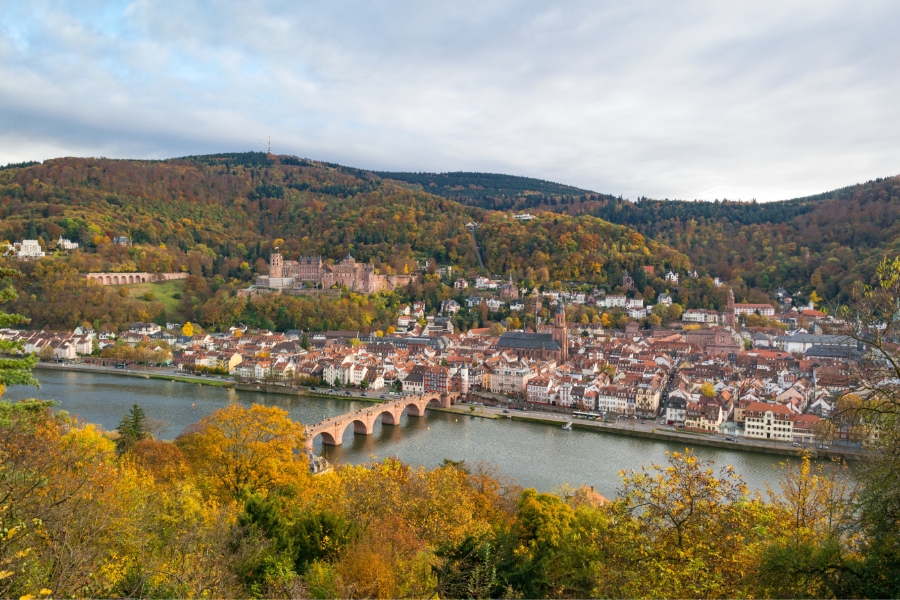
September is one of the easiest months for a varied trip through Germany. Typical daytime highs remain around 19–20°C (66–68°F) in many lowland cities, summer crowds begin to ease in some destinations, and the wine harvest brings activity to the Rhine, Moselle, Nahe, Rheingau and Palatinate.
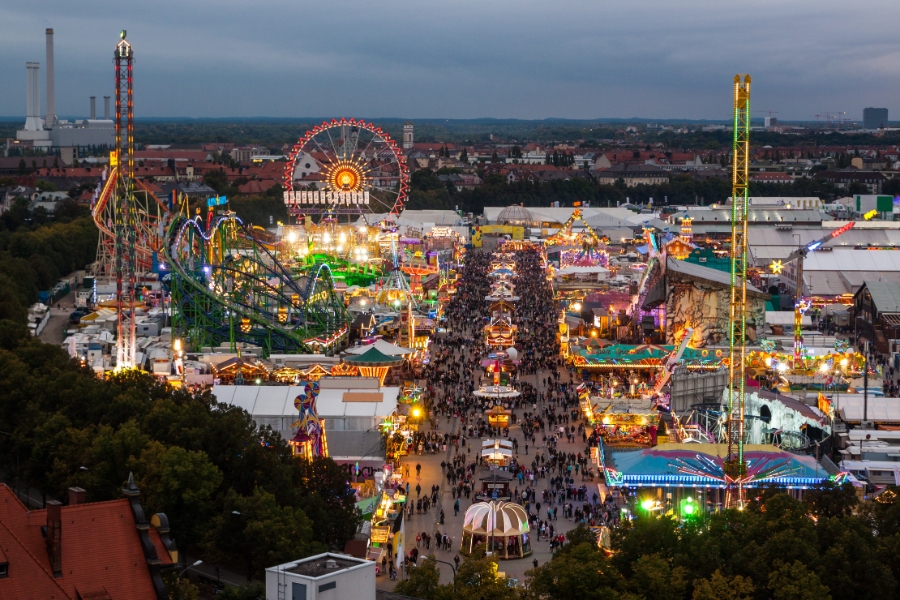
Munich is the major exception to any claim that September is quiet. Oktoberfest creates intense accommodation demand from mid-September into early October. Wine festivals can have the same effect on a smaller scale in towns along the German Wine Route and major river valleys.
October brings autumn color, cooler walking weather and shorter days. It can be a good month for the Black Forest, Saxon Switzerland and city breaks, but foliage timing depends on elevation and weather. By November, daylight is limited and many seasonal attractions reduce their hours. Christmas-market season begins during November, with many major markets opening in the second half of the month.
Winter in Germany: December to February

December is the best time for Christmas markets, seasonal concerts and decorated historic centers. It is not the best month for guaranteed snow. Lowland cities often experience cold rain, grey skies or brief snow that does not settle, while higher parts of Bavaria, the Black Forest, the Harz and the Ore Mountains have better prospects.
January and February generally offer a better chance of usable ski conditions than December, especially at higher Alpine resorts. Snow reliability still varies by altitude and year. City trips can be cheaper during ordinary winter weeks, but Carnival raises demand in Cologne, Düsseldorf and Mainz, and major trade fairs can fill hotels in several business cities.
Expect short daylight hours and some holiday closures. Many Christmas markets end on December 23 or 24, and opening hours for attractions, shops and restaurants may be restricted from December 24 through 26.
Germany weather by month: temperatures and travel conditions
The table below is a planning tool, not a forecast. Germany has a temperate climate with rain possible throughout the year, while altitude, distance from the sea and local topography create substantial regional differences.
| Month | Typical daytime high | Best suited to | Main planning issue |
|---|---|---|---|
| January | 4–6°C (39–43°F) | Museums, quieter city trips and Alpine skiing | Short days; snow is unreliable in lowland cities |
| February | 5–7°C (41–45°F) | Carnival and winter sports | Carnival dates raise demand in western cities |
| March | 9–11°C (48–52°F) | Lower-season city breaks and early spring | Large temperature swings; high trails may remain wintry |
| April | 14–16°C (57–61°F) | Blossoms, city breaks and cycling | Rapid weather changes and Easter demand |
| May | 18–20°C (64–68°F) | Mixed city and countryside itineraries | Public-holiday weekends can be busy |
| June | 21–23°C (70–73°F) | Long outdoor days, festivals and river trips | Thunderstorms and early summer demand |
| July | 23–25°C (73–77°F) | Lakes, coasts, mountains and family trips | School holidays, high demand and possible heat |
| August | 23–25°C (73–77°F) | Swimming, hiking and outdoor events | Busy resorts, storms and hot spells |
| September | 19–20°C (66–68°F) | Wine regions, hiking and city breaks | Munich prices rise around Oktoberfest |
| October | 14–15°C (57–59°F) | Autumn color, museums and city events | Shorter days and more variable weather |
| November | 8–10°C (46–50°F) | Museums and lower-cost pre-Advent trips | Grey conditions and reduced seasonal hours |
| December | 4–7°C (39–45°F) | Christmas markets and seasonal concerts | Weekend demand, holiday closures and no snow guarantee |
When should you visit Germany for specific interests?
Best time for city breaks

Late April through June and September through mid-October work best for city-heavy itineraries. Walking is more comfortable than during winter cold or summer heat, outdoor seating is common, and the days allow time for several neighborhoods without rushing. Berlin, Hamburg and Cologne still work well in winter because museums and indoor attractions operate year-round, but the shorter days limit how much you can cover.
Check trade-fair and event calendars before treating any month as inexpensive. A convention can make an ordinary week in Frankfurt, Hanover, Cologne, Düsseldorf or Munich more costly than a summer weekend.
Best time for hiking and cycling

May through October is the broad season for cycling routes and lower-elevation hiking in places such as the Black Forest, the Moselle Valley and Saxon Switzerland. May and June provide long days and fresh vegetation, while September often brings cooler conditions and fewer family-holiday crowds.
High Alpine routes need a narrower window. Late June through September is the usual planning range, but lingering snow, storm damage or early autumn snowfall can close individual paths. Check local mountain forecasts, cable-car schedules and hut opening dates rather than relying on the calendar alone.
Best time for wine regions and river trips
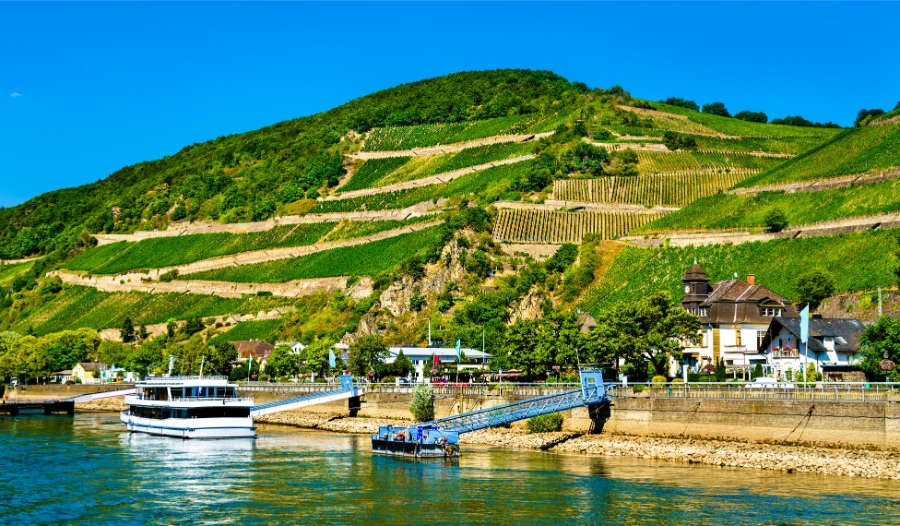
September through early October is the best period for a wine-focused trip. Harvest activity and local festivals give the Rhine, Moselle, Rheingau, Nahe and Palatinate more atmosphere, while daytime temperatures remain practical for vineyard walks. Book festival weekends earlier than ordinary weekdays.
Late spring through early autumn generally provides the widest choice of Rhine and Moselle cruise departures. Timetables vary by operator and section of river, so confirm the actual sailing schedule before building a route around one connection.
Best time for Christmas markets

Plan a Christmas-market trip from late November to December 23. Some markets open in mid-November, while many major historic markets close on December 23 or early on December 24. Weekdays are usually easier than Friday evenings and Saturdays, particularly in Nuremberg, Dresden, Cologne and smaller market towns with limited hotel inventory.
A market trip does not require snow, and lowland Germany may have none. Pack for cold rain and standing outdoors for long periods. Confirm closure dates, especially around Totensonntag and the Christmas holidays.
Best time for skiing and winter sports

January through early March gives the best general chance of usable snow in Germany’s higher ski areas. December can work at altitude, but it is a poor month to choose solely for snow certainty. Lower mountain resorts have shorter and less predictable seasons than the highest Bavarian Alpine areas.
Best time for lower prices
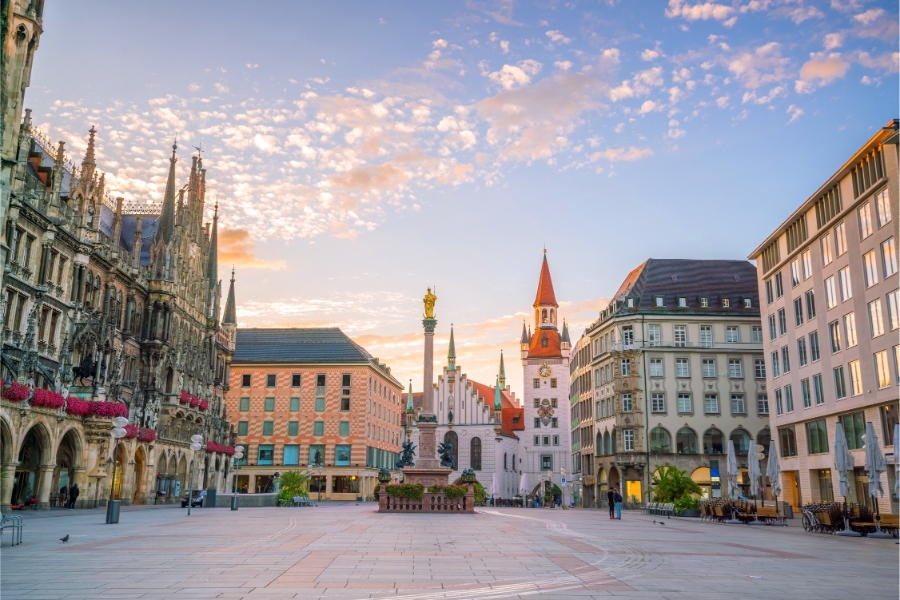
January, February and early November often produce lower city-hotel rates outside event periods. Carnival, ski holidays, trade fairs, football fixtures and major concerts can still make a specific week expensive. Compare the exact dates rather than assuming an entire month is cheap.
Which 2026 events will affect crowds and hotel prices?
The dates below were checked on August 30, 2026. They are useful for trips planned for the rest of 2026, but event organizers can still alter programs, opening hours or access rules.
| Event | Confirmed 2026 dates | Travel impact |
|---|---|---|
| Dürkheimer Wurstmarkt | September 11–15 and September 18–21 | Higher demand in Bad Dürkheim and nearby Palatinate wine towns across two festival weekends |
| Munich Oktoberfest | September 19–October 4 | Major pressure on Munich accommodation and busy regional transport, especially on weekends |
| Berlin Festival of Lights | October 9–18 | Evening crowds around illuminated landmarks and stronger weekend demand in central Berlin |
| Cologne Cathedral Christmas Market | November 16–December 23 | Busy central hotels and public transport, with the strongest pressure on Friday and Saturday nights |
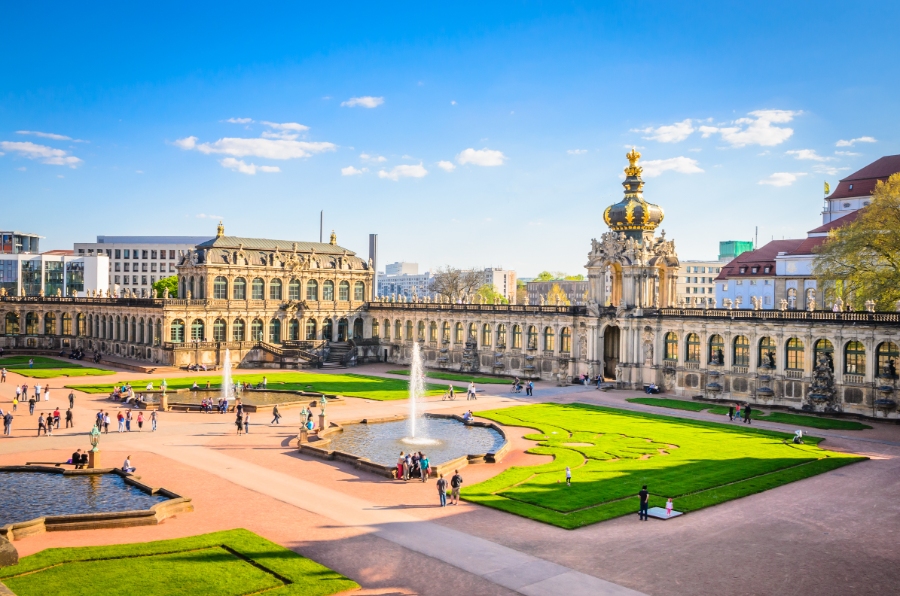
| Dresden Striezelmarkt | November 25–December 24 | Higher demand around the Altmarkt, especially during themed Advent weekends |
| Nuremberg Christkindlesmarkt | November 27–December 24 | Limited central-room availability and heavy weekend foot traffic in the old town |
How does weather differ across Germany?

A national temperature table is only a starting point. Germany is large enough for the same week to produce windy coastal weather, warm Rhine Valley afternoons and snow on high Alpine routes.
| Region | Typical pattern | Planning implication |
|---|---|---|
| North Sea and Baltic coasts | Maritime, windier and often cooler in summer than inland Germany | Carry a windproof rain layer, even on a beach-focused trip |
| Rhine, Moselle and southwest | Milder valleys with a longer growing season and warm summer periods | Spring can arrive earlier, while vineyard areas may be busy during harvest festivals |
| Berlin and eastern lowlands | Greater seasonal swings than the maritime north, with cold spells in winter and hot periods in summer | Check forecasts closely during January, February, July and August |
| Black Forest and central uplands | Temperatures fall and precipitation changes with elevation | A valley forecast may not describe conditions on a ridge or summit |
| Bavarian Alps | Altitude controls temperature, snow cover and trail access | Use local mountain reports and allow a weather-flexible day in the itinerary |
Northern Germany also has longer summer days and shorter winter days than southern Germany. The difference matters most for outdoor itineraries near the June and December solstices.
How far ahead should you book Germany?
Booking lead time depends more on the destination and event than on the season label. A quiet November weekday in Berlin is not comparable with an Oktoberfest weekend in Munich.
- Oktoberfest: Book accommodation as soon as your dates are fixed. Central rooms can become scarce or expensive many months ahead, but suburban locations on S-Bahn and U-Bahn lines can remain practical later.
- Major Christmas markets: Reserve prime Friday and Saturday nights several months ahead. Weekday stays usually offer more choice.
- July and August at the coasts, lakes and Alps: Book several months ahead for small hotels, family rooms, campsites and popular holiday apartments.
- Ordinary spring and autumn city trips: A shorter lead time is usually workable, but check trade fairs, football matches and concerts before relying on last-minute availability.
- Rail travel: Compare long-distance fares once tickets for your dates are released. Regional tickets and the Deutschland-Ticket follow different rules from train-specific saver fares.
Before paying for a non-refundable room, search the city name with your dates and the words trade fair, festival and football. That quick check catches many price spikes that a generic high-season calendar misses.
What should you pack for Germany?
| Season or trip type | Useful items | Why they matter |
|---|---|---|
| Any season | Comfortable walking shoes, compact rain shell and layers | Rain and temperature changes are possible throughout the year |
| Spring | Light insulation, waterproof outer layer and shoes that handle wet streets | Morning, afternoon and evening conditions can differ sharply |
| Summer | Light clothing, sun protection, refillable bottle and a rain layer | Warm days can be interrupted by thunderstorms, and some rooms lack air conditioning |
| Autumn | Warm mid-layer, rain protection and an earlier-start plan for outdoor days | Temperatures and daylight drop quickly from September into November |
| Winter | Insulated coat, gloves, hat and waterproof footwear | Cold rain and slush are common planning concerns in cities |
| Mountain routes | Route-specific footwear, warm layer, water and weather protection | Conditions at elevation can differ sharply from the valley |
Plan the rest of your Germany trip

After choosing your travel window, match the season to the route. Use our guide to the best places to visit in Germany to compare cities, mountain regions and smaller towns. The list of top things to do in Germany helps identify the activities that determine timing, while the practical guide to planning a trip to Germany covers the remaining itinerary decisions.