Munich Airport (ARRAY)
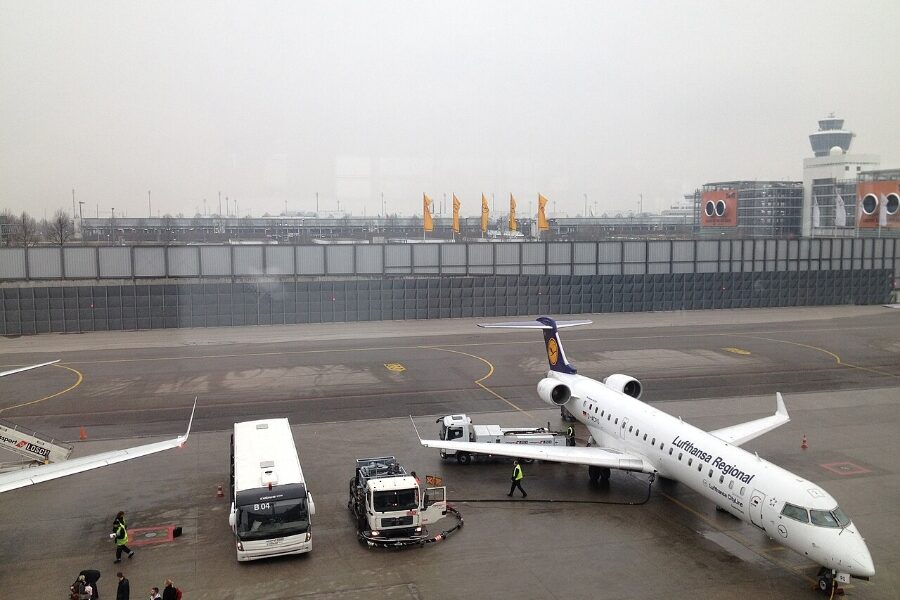
Munich Airport (IATA: MUC, ICAO: EDDM) sits about 28 kilometers (roughly 18 miles) northeast of Munich, near Freising in Upper Bavaria. Its official German name is Flughafen München “Franz Josef Strauß,” and it is Germany’s second-busiest airport after Frankfurt Airport.
Travelers who understand how Terminal 1, Terminal 2, and the Munich Airport Center fit together can plan check-in, transfers, and the trip into the city with far less guesswork. The terminal split is the most useful thing to learn before arriving. It affects which S-Bahn exit to use, how much time a connection needs, and where passport control takes place.
The airport handled 47.9 million passengers in 2019 and continues to expand. The new Terminal 1 Pier opened for regular operations on April 21, 2026, adding 95,000 square meters of non-Schengen capacity for up to six million passengers a year.
Key Takeaways
- MUC serves Munich and Upper Bavaria from a site near Freising, with two terminals linked by the Munich Airport Center.
- Terminal 2 and its satellite handle Lufthansa and Star Alliance traffic, while Terminal 1 hosts most other carriers.
- The S-Bahn lines S1 and S8 connect the airport to Munich Hauptbahnhof in roughly 40 to 45 minutes.
What Is MUC and Where Is It Located?

MUC is the IATA code for Munich Airport, an international airport in Upper Bavaria that serves as the main air gateway to Munich and southern Germany. It sits on an open plain northeast of the city, with motorway access via the A9 and A92.
The Airport’s Name, Codes, and Role in Bavaria

The full German name is Flughafen München “Franz Josef Strauß” (Munich Airport “Franz Josef Strauss”), named after the former Bavarian minister-president. Airlines and booking systems use MUC, while air traffic control uses EDDM.
The airport ranks second in Germany for passenger traffic behind Frankfurt Airport and has ranked among the ten busiest airports in Europe. It serves as Lufthansa’s second German hub and a connecting point for Bavaria, Austria, and Switzerland.
Two runways operate at an elevation of about 1,487 feet. Along with its terminal network, MUC connects to more than 220 non-stop destinations.
How Far Is MUC From Munich City Centre?
The airport lies roughly 28 to 28.5 kilometers northeast of Munich city centre. The site spans several municipalities in the Freising and Erding districts, including Oberding, Hallbergmoos, and Marzling, with Dorfen further east in the same region.
Distance alone doesn’t tell the whole story. Allow 40 to 45 minutes by S-Bahn, and expect a longer journey by road during peak hours.
Who Operates Flughafen München?

Flughafen München GmbH (FMG) operates the airport. The company runs both terminals, the Munich Airport Center, and the wider commercial estate, including hotels such as the ibis Styles Munich Airport, which opened in June 2026.
FMG works closely with Lufthansa through a long-standing joint venture. In March 2026, the two partners signed a new agreement covering terminal infrastructure expansion planning and extending the partnership through 2056.
Environmental design has been part of the site since construction. Drainage systems manage surface water flows and recycle deicing chemicals, while FMG’s operational standards cover runway safety measures such as EMAS-style arrestor systems.
How Are Terminal 1, Terminal 2, and MAC Organized?

Munich Airport uses two terminal complexes joined by a central landside building, so almost every journey through MUC passes through one of three points. Terminal 1 serves a wide mix of airlines, Terminal 2 and its satellite handle Lufthansa and Star Alliance traffic, and the Munich Airport Center (MAC) sits between them with the S-Bahn station underneath.
Which Airlines Usually Use Terminal 1?

Terminal 1 has five modules, labeled A through E, plus Hall F and the new T1 Pier. It handles most airlines outside the Lufthansa group, including many long-haul carriers.
The Terminal 1 Pier opened on April 21, 2026, for non-Schengen traffic. In its first 100 days, about 1.5 million passengers used its arrival and departure areas.
The pier covers 95,000 square meters and adds capacity for up to six million passengers a year. Its gate areas can accommodate wide-body aircraft on international long-haul routes.
How Does the Terminal 2 and Satellite System Work?

Terminal 2 handles Lufthansa and its Star Alliance partners. Its main building contains check-in and the Gates G (Schengen flights) and Gates H (non-Schengen) piers.
The Terminal 2 Satellite opened on April 26, 2016. Passengers can reach it only by an underground automated people mover (PTS) from the main building. There is no landside access to the satellite.
Ten years after opening, the satellite had handled about 93 million passengers and roughly 672,000 flight movements. It accounts for around 30 percent of Terminal 2 takeoffs and landings and 36 percent of its passengers, including Airbus A380 and other wide-body operations.
Connection timing guidance:
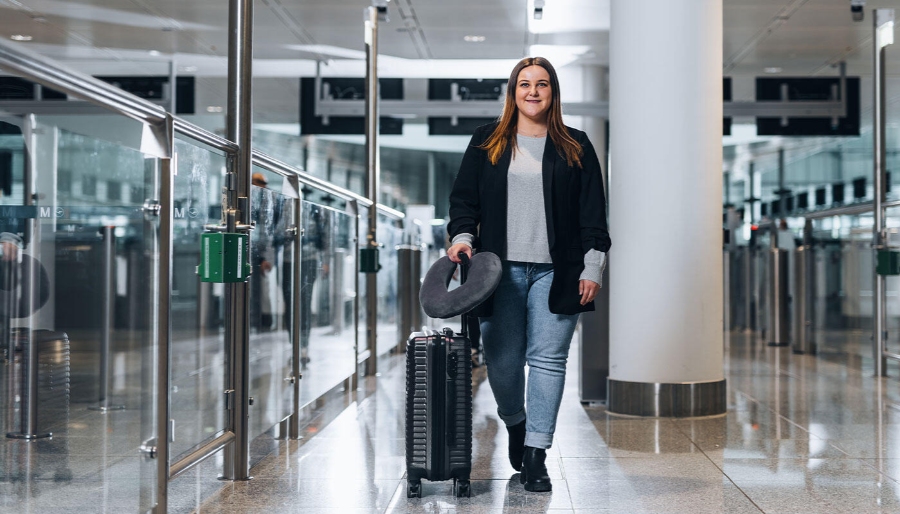
- Within Terminal 2, including satellite Gates K and L: allow at least 45 to 60 minutes
- Between Terminal 1 and Terminal 2, where security or passport control is repeated: allow 75 to 120 minutes
What Is the Munich Airport Center?

The MAC is the landside building between the two terminals, covered by a large tensile roof over the MAC Forum. The S-Bahn station sits beneath it, so every rail passenger passes through.
The MAC holds shops, restaurants, travel services, and event space. Munich Airport describes the terminals and MAC together as a small city, with a medical center, hairdressers, children’s play areas, sleep cabins, and free Wi-Fi.
A shuttle bus links Terminal 1 and Terminal 2 for connecting passengers.
How Do You Use the Airport Map and Find Hall F?
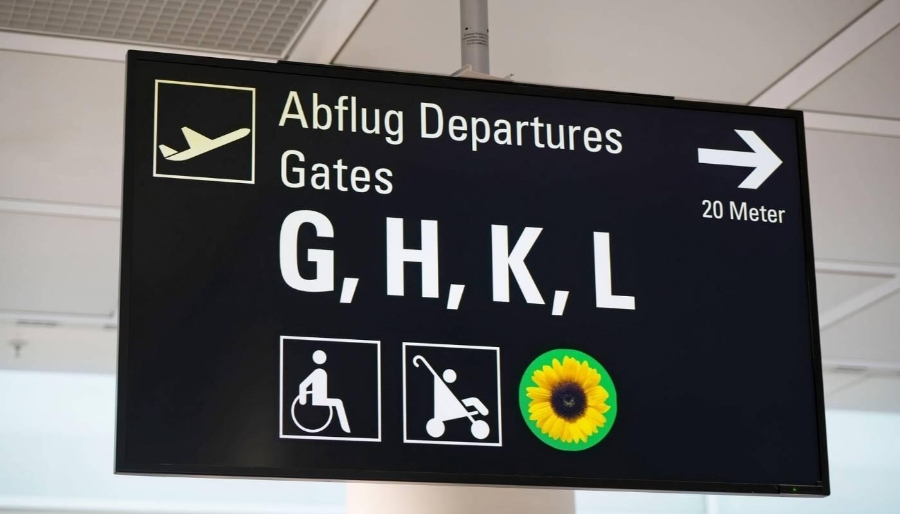
The official Munich Airport map shows terminal modules, gate ranges, and walking routes. Check the departures screens for the module letter, then follow signs to that letter rather than relying on the terminal number alone.
Hall F sits at the eastern end of Terminal 1 and has historically served flights with additional security requirements, including certain carriers with dedicated screening. Departures and arrivals for a given flight can move between modules, so confirm the assignment with the airline on the day of travel.
Which Airlines and Destinations Connect Through MUC?

Around 76 to 79 airlines operate scheduled passenger flights at Munich Airport, serving roughly 224 non-stop destinations in about 68 countries. Lufthansa is by far the largest operator, with close to 6,000 departures in a typical month.
Lufthansa, Star Alliance, and the Terminal 2 Network
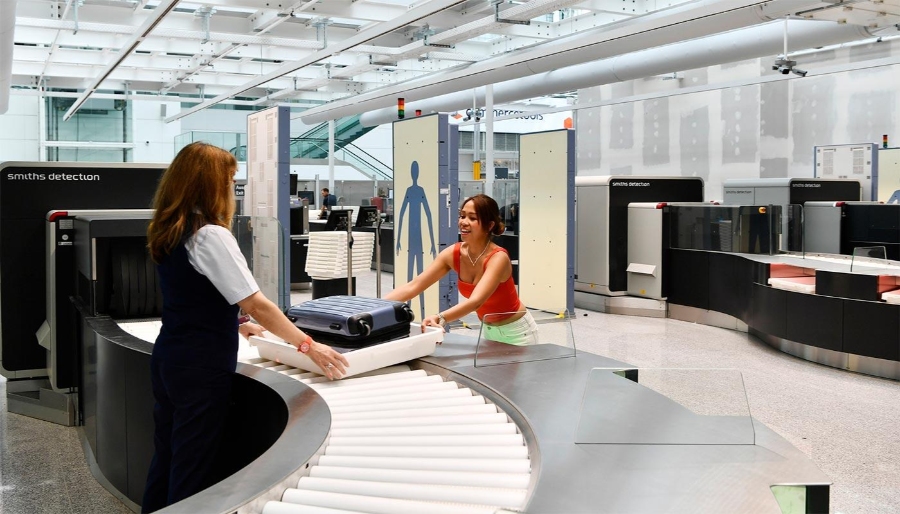
Lufthansa and its regional partner Air Dolomiti anchor Terminal 2, alongside Lufthansa City and the wider Star Alliance group. Star Alliance members using Terminal 2 include ANA, Singapore Airlines, Thai Airways, Air Canada, Austrian Airlines, LOT Polish Airlines, SWISS, TAP Air Portugal, Turkish Airlines, and United Airlines. Luxair also operates through the Lufthansa side of the airport.
The Terminal 2 layout keeps Star Alliance transfers inside one security zone. That’s why connection minimums there are shorter than those for terminal-to-terminal transfers.
Other Major Airlines and Terminal 1 Services

Terminal 1 handles most non-Star Alliance carriers. These include Condor, Eurowings, Eurowings Discover, TUI fly Deutschland, easyJet, Ryanair, and Air Arabia on shorter routes.
Long-haul and Gulf carriers at Terminal 1 include Emirates, Etihad Airways, Qatar Airways, American Airlines, British Airways, and Delta Air Lines. Terminal assignments can change with schedules, so confirm the terminal on the booking or with the airline before travel.
Current Long-Haul and New Route Developments

Air Serbia resumed daily direct flights between Munich and Belgrade, Serbia, on May 22, 2026, after an 18-year gap. The 1.5-hour route uses E195 jets in a two-class layout with 118 seats.
Singapore Airlines increases Munich service from seven to ten weekly flights with the winter schedule at the end of October 2026. It adds evening departures on Mondays, Wednesdays, and Fridays. Growing traffic between Munich and China, including Shanghai, Beijing, and Hong Kong, prompted the airport to expand its Chinese Shopping Assistant service across the airport from April 2026.
The 2026 summer schedule added further international routes and new destinations. Live timetables on the official airport site remain the authoritative source.
How Do You Travel Between MUC and Munich City Centre?
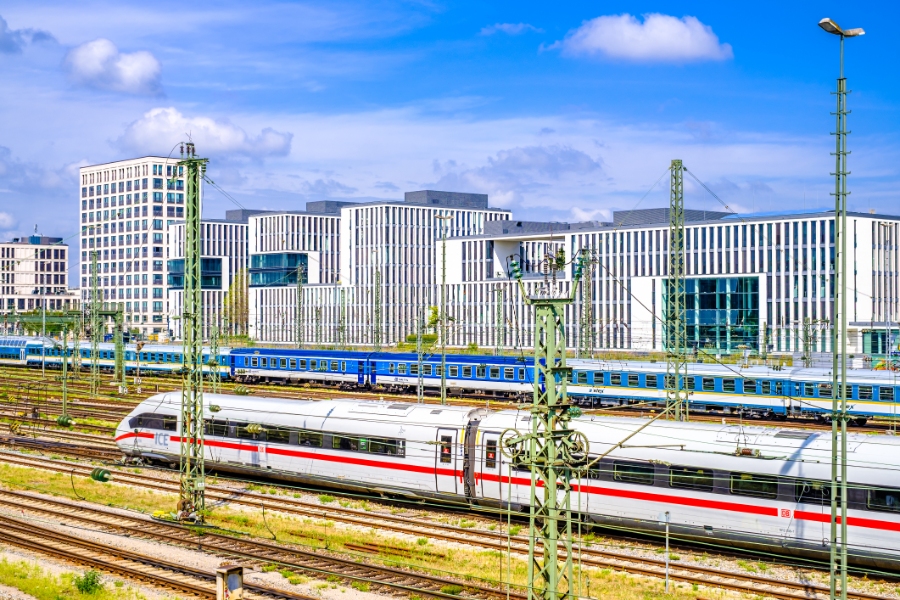
The S-Bahn is the most reliable link, with lines S1 and S8 running directly from the airport station beneath the MAC to central Munich in about 40 to 45 minutes. A coach service and taxis cover the same route, though they differ in time and cost.
S-Bahn S1 and S8 From the Airport to Hauptbahnhof
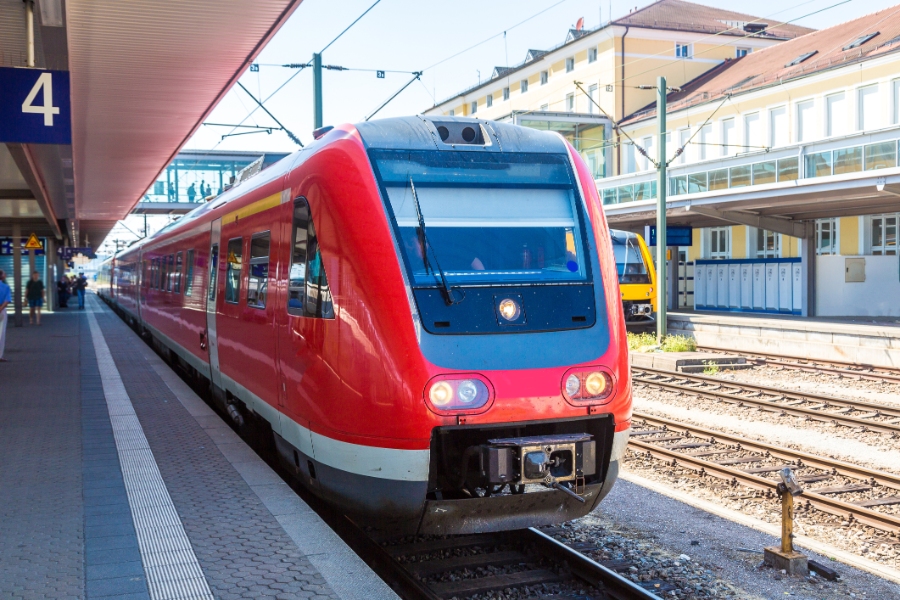
Both lines serve Munich Hauptbahnhof (main train station), usually called Munich Central Station in English. Both also stop at Marienplatz in the historic centre.
- S8 runs east through Ismaning and Daglfing into the city. It is the more direct option for most travelers
- S1 runs west via Neufahrn and splits, so check that the front display shows the airport or your city destination
- Trains run roughly every 10 minutes at peak times, with early-morning and late-evening service
Ticket machines and staffed counters sit in the airport station area. Fares fall under the MVV zone system, and airport journeys sit in the outer zone, so a standard city single ticket doesn’t cover the trip.
When Is the Lufthansa Express Bus a Better Choice?

The Lufthansa Express Bus runs between the airport and central Munich, stopping at Nordfriedhof and Munich Hauptbahnhof. It suits passengers with large luggage, travelers staying in Schwabing near Nordfriedhof, and anyone who prefers a single seat with no platform changes.
The coach is open to all passengers, regardless of airline. Journey times depend on road conditions, so allow extra time during weekday rush hours.
Taxis, Tickets, Fares, and Travel-Time Considerations
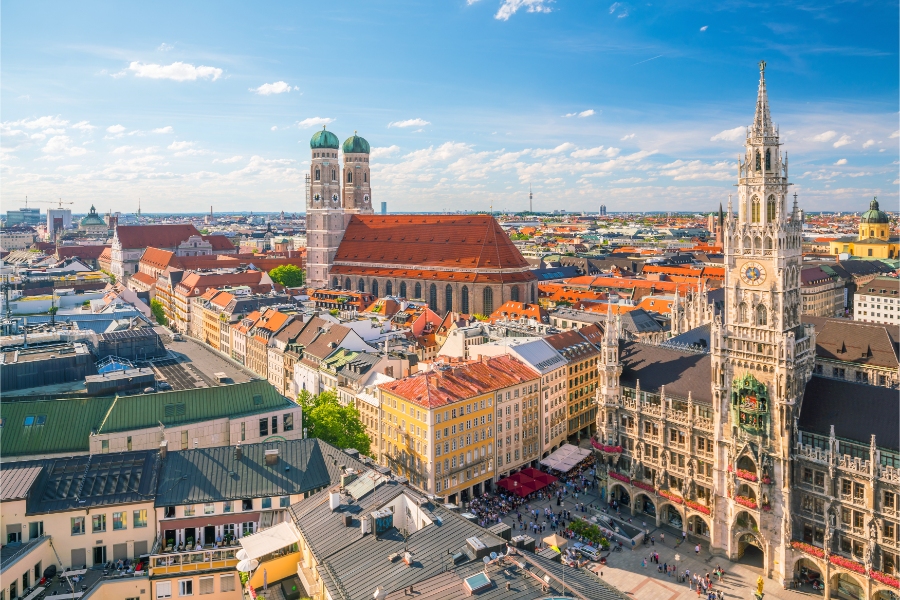
Official taxi ranks operate outside both terminals. Taxis use meters, and the airport trip is one of the longer journeys in the Munich area, so it costs substantially more than the train or coach.
| S-Bahn S1/S8 | Lufthansa Express Bus | Taxi | |
|---|---|---|---|
| Time to Hauptbahnhof | 40–45 min | 45–60 min | 35–60 min |
| Frequency | Every ~10 min | Scheduled departures | On demand |
| Luggage handling | Self-carry, stairs possible | Hold storage | Door to door |
| Traffic exposure | None | Yes | Yes |
Ticket types, fares, charges, and discounts change with the annual MVV tariff and airline coach pricing. Check the current fare table before traveling, and buy the correct zone ticket before boarding an S-Bahn train. If you’re combining the airport with sightseeing, Everything About Germany’s coverage of Munich and the English Garden can help place these transit stops within a wider itinerary.
What Should You Know Before Departures and After Arrivals?

Arrive 2 hours before European departures and 3 hours before intercontinental flights. During peak periods, add another 30 minutes. Terminal facilities, accessibility services, and seasonal events at the MAC Forum also shape the experience on the ground.
Check-In, Security, and Airline-Specific Requirements
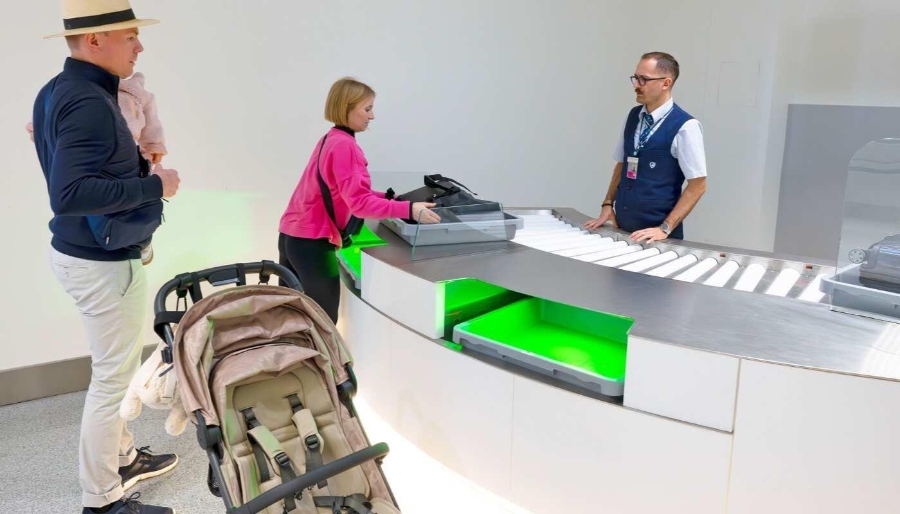
Check-in desks are grouped by terminal module, and Terminal 2 has a separate check-in level from Terminal 1. For most carriers, online check-in and bag-drop counters make the process quicker.
Some airlines require additional screening or use Hall F for security reasons. Baggage rules, document checks, and closing times vary by carrier, so confirm the details with your airline instead of assuming one common standard.
Non-Schengen departures from Terminal 1 now route through the T1 Pier, which adds an extra walk from the check-in modules. Make room for that in your timing.
Shopping, Dining, and Services at MAC and the Terminals

The T1 Pier retail concept, in operation since April 21, 2026, combines international brands with Bavarian products and targets long-haul travelers. It sits alongside dining and service areas in the pier’s gate zones.
Across the terminals and the MAC, travelers will find travel markets, a medical center, sleep cabins, hairdressers, children’s play areas, and free Wi-Fi. Outdoor options include a climbing garden with a beach bar, a Bavarian beer garden, and an adventure playground with a sun terrace.
Munich Airport became the first German airport certified at Level 3 in the ACI Airport Customer Experience Accreditation Program on June 2, 2026.
Accessibility and Time-Sensitive Airport Updates

On August 4, 2026, Munich Airport became the first German airport to reach Level 1 of the Accessibility Enhancement Accreditation program run by ACI World. The airport offers meet-and-assist support, with trained staff accompanying passengers on arrival, before departure, or between connecting flights. Travelers can arrange the service on request.
Seasonal programming takes place in the MAC Forum. Munich Airport’s inaugural Padel Days opened in August 2026 and ran until September 6, 2026, turning the forum into the region’s largest padel arena.
Terminal assignments, opening hours, and event dates can change. Check live arrivals, departures, and service details with the airport and your airline before traveling. If you’re planning a longer route, Everything About Germany’s guides to planning a trip to Germany and other German airports in the region may also help.
Frequently Asked Questions

What is the main airport of Munich?
Munich Airport (MUC / EDDM), officially Flughafen München “Franz Josef Strauß,” is the city’s main international airport. It lies about 28 kilometers northeast of Munich near Freising and is Germany’s second-busiest airport by passenger traffic.
Is two hours enough for a connection at Munich Airport?
Two hours is usually comfortable for transfers within Terminal 2, where 45 to 60 minutes is the practical minimum, including satellite Gates K and L. Transfers between Terminal 1 and Terminal 2 that require another security or passport check need 75 to 120 minutes, so a two-hour connection leaves little room if the inbound flight runs late.
Which terminal does Lufthansa use at Munich Airport?
Lufthansa operates from Munich Airport Terminal 2, along with Air Dolomiti, Lufthansa City, and Star Alliance partners. Some Lufthansa flights leave from the Terminal 2 Satellite, which passengers reach by the underground people mover from the main Terminal 2 building.
How do I get from Munich Airport to Munich Hauptbahnhof?
Take the S-Bahn S1 or S8 from the station beneath the Munich Airport Center; the journey takes about 40 to 45 minutes. The Lufthansa Express Bus also serves Hauptbahnhof via Nordfriedhof, while metered taxis wait outside both terminals.
Why is Munich Airport considered easy to use?
Munich Airport keeps check-in, gates, and the S-Bahn station within one connected complex. The MAC links Terminal 1 and Terminal 2 on the landside, while the Munich Airport map, posted throughout the buildings, labels each module by letter to make navigation easier.
Munich Airport is also the first German airport certified at ACI Level 3 for customer experience and Level 1 for accessibility.