Sylt
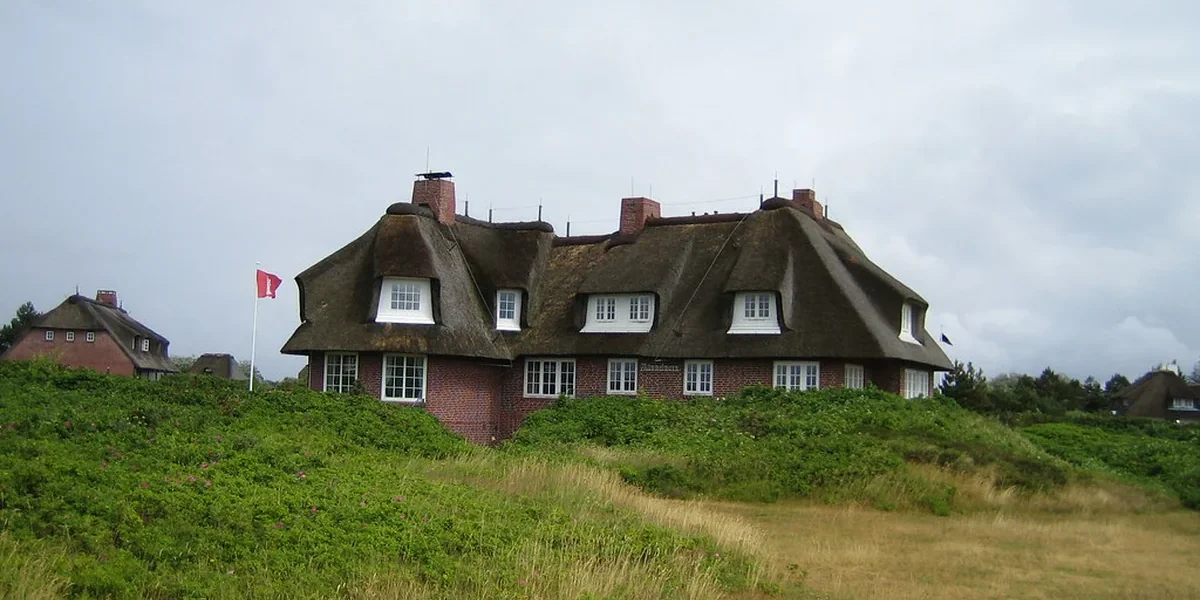
Sylt is Germany’s northernmost island and its most famous coastal retreat, a 38-kilometer sliver of sand, dune, and heather anchored in the North Sea off the Schleswig-Holstein coast, just south of the Danish border. Shaped like a narrow, wind-sculpted question mark, the island has been fought over by the sea for centuries—storm floods have repeatedly reshaped its coastline, and today an ongoing sand-replenishment program pumps millions of cubic meters of sand onto the western beaches each year to hold back erosion. Sylt’s identity is a study in contrasts: fishing villages with reed-thatched Frisian houses sit a few kilometers from Kampen’s designer boutiques and Michelin-starred kitchens, earning the island its nickname “the Hamptons of Germany.” Yet beyond the champagne bars and beach clubs lies genuinely wild terrain—Europe’s largest connected dune landscape, the UNESCO-protected Wadden Sea mudflats, and a North Frisian culture with its own language, cuisine, and centuries-old maritime traditions.
Geography and a Brief History
Sylt sits within the Wadden Sea National Park (Nationalpark Schleswig-Holsteinisches Wattenmeer), a UNESCO World Heritage Site since 2009, though the island itself carries no UNESCO designation. Historically a place of seafarers, whalers, and later, from the 1850s onward, one of Germany’s earliest seaside resorts after the railway causeway (the Hindenburgdamm) connected it to the mainland in 1927. Before the causeway, Sylt was reachable only by boat, which preserved its isolation and its distinct North Frisian dialect, Sölring. The 20th century transformed the island into a retreat for German high society, artists, and politicians, a reputation cemented in towns like Kampen and Westerland.
Top Highlights
- Westerland — Sylt’s main town, with the promenade, casino, shopping streets, and the island’s largest beach access points.
- Kampen — the glamorous village of thatched villas, the Rotes Kliff (Red Cliff), and the legendary Whisky-Meile bar strip.
- List — the northernmost town in Germany, gateway to the Ellenbogen peninsula’s remote dunes and the ferry to Denmark’s Havneby.
- Rotes Kliff — a striking red-brown cliff formation near Kampen, Sylt’s most photographed natural landmark, especially at sunset.
- Wadden Sea mudflats (Wattenmeer) — guided Wattwanderung mudflat walks reveal marine life stranded by the tide; low tide exposes seabed for kilometers.
- Morsum Kliff and Nature Reserve — colorful layered cliffs showcasing 60 million years of geological history.
- Sylt Aquarium and Naturzentrum in List — informative stops for understanding the island’s ecology, good for families or rainy days.
- Hindenburgdamm — the 11-kilometer rail causeway itself is a scenic experience, with trains appearing to float across the tidal flats.
Practical Visitor Information
The island itself is free to enter and explore around the clock, though most municipalities charge a mandatory visitor’s tax (Kurtaxe), typically €3.50–€4.50 per person per day, usually bundled into accommodation costs and granting free bus travel and beach access. Beach chairs (Strandkorb)—an essential Sylt experience—rent for roughly €12–€22 per day depending on the beach and season. Guided Wadden Sea mudflat walks cost around €10–€15 per person and require sturdy footwear and a local guide, since tides can strand walkers dangerously fast.
| Activity | Approx. Cost |
| Visitor’s tax (Kurtaxe) | €3.50–€4.50/day |
| Beach chair rental | €12–€22/day |
| Guided mudflat walk | €10–€15/person |
| Car train (Sylt Shuttle) one-way | €39–€69/vehicle |
| Ferry to Havneby, Denmark | from €10/person |
How to Get There
Sylt has no road bridge; access is via the Hindenburgdamm rail causeway or by air and sea. Deutsche Bahn runs direct regional and long-distance trains (including ICs and some ICEs) to Westerland from Hamburg (about 3 hours) and other major cities—book in advance for the best fares via bahn.de.
Drivers must load their cars onto the Sylt Shuttle car train at Niebüll, a roughly 35-minute crossing running frequently year-round; reservations aren’t required but are recommended in peak summer and holiday weekends. Sylt Airport (GWT) near Westerland offers seasonal flights from cities like Frankfurt, Munich, and Zurich. Once on the island, an efficient bus network (covered by the Kurtaxe in many towns) and extensive cycling paths make a car unnecessary for getting around.
Best Time to Visit
June through September brings the warmest weather and full-swing beach season, though prices and crowds peak in July and August, especially around German school holidays. May and September offer milder crowds, still-pleasant temperatures, and lower accommodation rates—arguably the best value window. Winter is dramatic and moody: storm-watching along the western beaches, empty dunes, and cozy Frisian pubs draw a smaller, dedicated crowd. The island hosts the Sylter Golf Cup, various sailing regattas in summer, and the atmospheric Biikebrennen bonfire festival on February 21st, a centuries-old North Frisian tradition marking the end of winter.
Local Insider Tips
- Skip Westerland’s crowded main beach and head to Hörnum or the Ellenbogen for quieter dunes.
- Try Frisian specialties like Sylter Ölklaben (a spiced fruit bread) and fresh Krabben (North Sea shrimp) at harbor stalls in List rather than tourist-priced restaurants in Kampen.
- Rent a bike—Sylt has over 190 kilometers of cycling paths, the best way to see the island beyond the resort towns.
- Book accommodation and the car shuttle months ahead for July–August; prices roughly double compared to shoulder season.
- Sunset at Rotes Kliff draws crowds—arrive an hour early to claim a good spot or watch from the quieter Uwe Düne dune nearby.
Nearby Excursions
From List, ferries cross to Havneby on the Danish island of Rømø in about 40 minutes, ideal for a day trip combining two North Sea island cultures. Amrum and Föhr, Sylt’s quieter island neighbors, are reachable via connecting ferries from Dagebüll on the mainland and offer a more low-key, less commercialized alternative for comparison. History-minded travelers can also detour to Husum, the “Gray City by the Sea” and birthplace of writer Theodor Storm, on the return journey toward Hamburg.
💡 Visitor Tips & Best Experience
Visit May, June, or September for fewer crowds; book cars trains and hotels well ahead for July-August; explore quieter beaches at Hörnum and Ellenbogen instead of Westerland's main strand.
🚆 How to Get There & Public Transit
Reach via Deutsche Bahn train to Westerland (from Hamburg ~3 hrs), Sylt Shuttle car train from Niebüll (~35 min crossing), Sylt Airport (GWT), or ferry from Havneby, Denmark. Local buses and 190km of cycling paths cover the island.