Rothenburg ob der Tauber
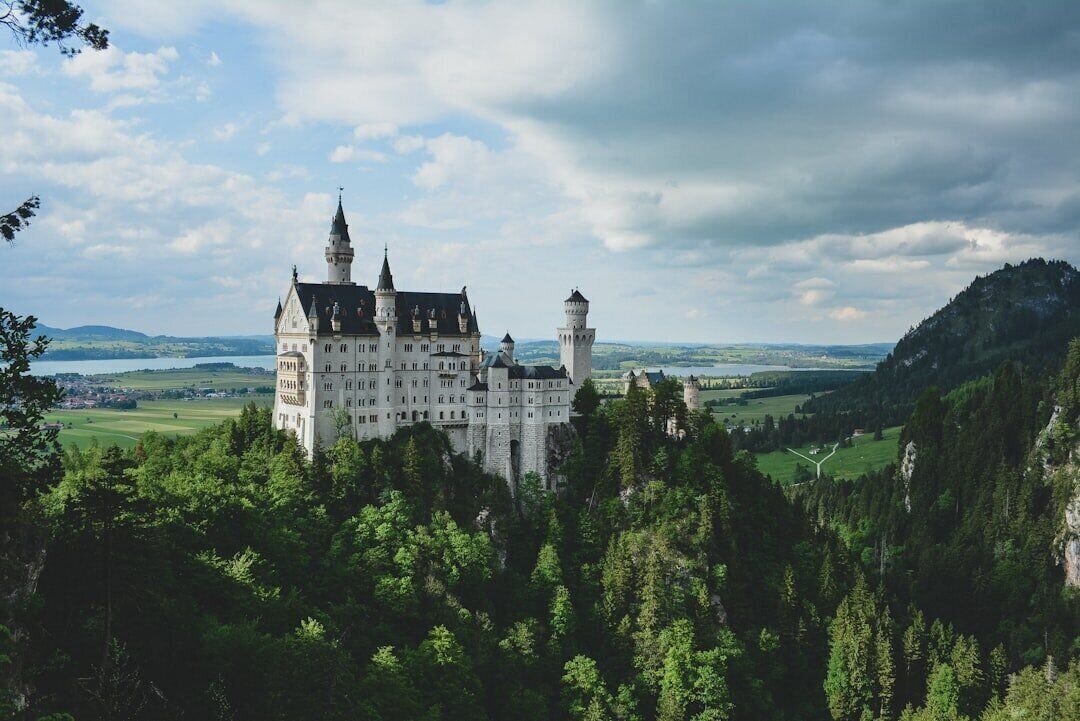
Rothenburg ob der Tauber is the town most people picture when they imagine medieval Germany, and remarkably, it earned that image honestly rather than through reconstruction for tourists. Perched on a plateau above the Tauber River in Franconia (northern Bavaria), the town’s name literally means “Red Fortress above the Tauber,” a reference to the reddish sandstone castle that once crowned the site. Founded around 1170 by the Hohenstaufen dynasty, Rothenburg flourished into a Free Imperial City during the 13th and 14th centuries, growing wealthy on trade routes and expanding its walls twice to accommodate a booming population that once rivaled Munich’s.
Then history did Rothenburg an accidental favor: the Thirty Years’ War and subsequent economic decline froze the town in time. With no money to modernize, Rothenburg’s medieval core survived largely untouched for centuries, while other German cities tore down their walls and rebuilt in newer styles. By the 19th century, Romantic-era painters and poets rediscovered the town, and it became a symbol of the Romantische Straße (Romantic Road) that still draws visitors from around the world. Despite serious bomb damage in March 1945, which destroyed roughly 40% of the Altstadt, careful postwar reconstruction—funded partly by donations from Germans and Americans who cherished the town—restored it to its historic silhouette.
Top Highlights & Architectural Wonders
The town’s crown jewel is its almost completely intact 2.5-kilometer town wall, which you can walk for free, gaining rooftop-level views over red-tiled houses and half-timbered facades. The Marktplatz (Market Square) anchors the town, flanked by the Renaissance Rathaus (Town Hall) with its climbable 60-meter tower and the Ratstrinkstube, whose clock performs the famous Meistertrunk show on the hour, reenacting a legend in which the mayor drank over three liters of wine in one sitting to save the town from destruction during the Thirty Years’ War.
- St. Jakob’s Church (Jakobskirche) — home to Tilman Riemenschneider’s extraordinary carved wooden Altar of the Holy Blood, completed around 1505
- Plönlein — the postcard-perfect fork in the road beneath the Siebersturm and Kobolzeller Tor, arguably the most photographed street corner in Germany
- Burggarten — the peaceful gardens on the site of the original castle, destroyed by an earthquake in 1356
- Medieval Crime and Punishment Museum (Kriminalmuseum) — an eye-opening collection of torture devices and legal history
- Käthe Wohlfahrt’s Christmas Village — a year-round Christmas shop so extensive it’s become a destination in itself
Practical Visitor Information
The town itself is free to explore around the clock, and most churches and squares can be visited without charge. Individual attractions charge modest entry fees:
| Attraction | Price | Hours |
|---|---|---|
| Rathaus Tower | €2.50 | Daily, seasonal hours (closed in poor weather) |
| St. Jakob’s Church | €4 | Mon–Sat 9am–5pm (shorter in winter), Sun afternoons |
| Kriminalmuseum | €9 | Daily 10am–6pm (varies by season) |
| Town Wall Walk | Free | 24/7 |
| Night Watchman Tour | €9 (cash, meet at Markt) | Evenings, seasonal |
How to Get There
Rothenburg sits slightly off Germany’s main rail arteries, so plan your connection carefully. From Frankfurt or Munich, take a DB regional train to Steinach bei Rothenburg, then transfer to the short branch line into Rothenburg’s station, a five-minute walk from the town walls.
Total journey time from Frankfurt is roughly 3 hours; from Munich, about 3 hours as well, both usually with one or two changes. The seasonal Europabus along the Romantic Road also stops here between April and October, a scenic if slower option. Drivers can reach Rothenburg via the A7 (exit Rothenburg ob der Tauber), with several signposted parking lots (P1–P5) just outside the walls—do not attempt to drive into the Altstadt itself, as access is restricted to residents and hotel guests with permits.
Best Time to Visit & Seasonal Events
Rothenburg’s Reiterlesmarkt Christmas market, running from late November through December 23rd, is one of Germany’s oldest and most atmospheric, with the Rathaus and half-timbered houses glowing under strings of lights. This is peak season and also peak crowds—book accommodation months ahead. For a quieter, equally beautiful experience, visit in May or September, when the weather is pleasant and day-trip crowds thin by early evening once the tour buses depart. The Meistertrunk Festival in late May/early June brings historical pageantry and costumed reenactments, while the Reichsstadt-Festtage in early September features a torch-lit parade celebrating the town’s imperial history.
Local Insider Tips
- Arrive before 9:30am or stay past 5pm—most day-trippers arrive by coach between 10am and 4pm, and the town transforms once they leave
- Stay overnight even one night; hotels inside the walls let you experience Rothenburg at dawn and after dark, when it’s genuinely magical and nearly empty
- Skip the crowded main streets for the quieter lanes near Klingentor and the Tauber Valley viewpoints below the walls
- Try Schneeballen (fried pastry dough dusted with sugar) from a bakery rather than the tourist stalls—Diller’s near the Markt is a respected local choice
- The Franconian wine region surrounds Rothenburg; look for a Silvaner or Riesling at a local Weinstube
Nearby Excursions & Day Trips
Rothenburg makes an excellent base for exploring further along the Romantic Road. Dinkelsbühl, another walled medieval town about 40 minutes south, offers a similarly preserved Altstadt with fewer crowds. Würzburg, roughly an hour north by train, pairs beautifully with Rothenburg thanks to its UNESCO-listed Residenz palace and Franconian wine culture. Nuremberg, about 90 minutes away, adds a dose of Imperial and WWII history to round out a Franconia-focused itinerary.
💡 Visitor Tips & Best Experience
Visit before 9:30am or after 5pm to avoid tour bus crowds; stay overnight inside the walls; try Schneeballen from a proper bakery like Diller's; explore quieter lanes near Klingentor
🚆 How to Get There & Public Transit
Rail via Steinach bei Rothenburg transfer (from Frankfurt/Munich, ~3 hours); seasonal Romantic Road Europabus; A7 autobahn with parking lots P1-P5 outside the Altstadt walls
🎟️ Popular Tours & Tickets for Rothenburg ob der Tauber
Compare tickets and guided experiences. Check available dates, what is included, and the provider's cancellation terms before booking.