Karneval and Fasching
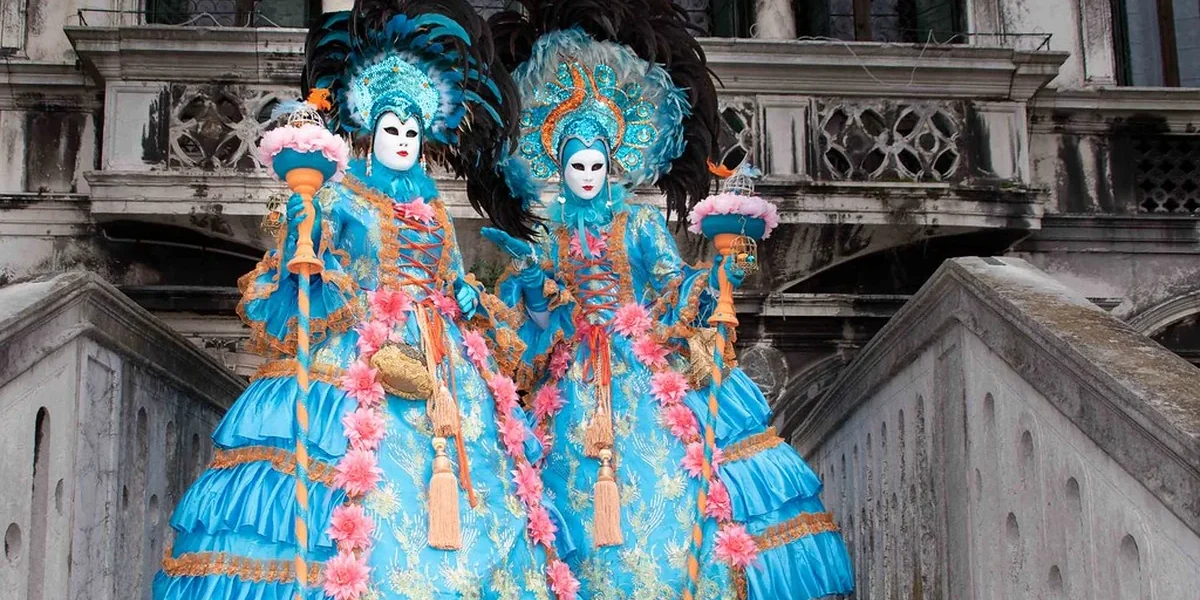
Germany’s carnival season, called the “fifth season,” opens on November 11 at 11:11 a.m. and peaks in the days before Ash Wednesday. Depending on the region, people call it Karneval, Fasching, or Fastnacht, and each name points to its own local customs.
Karneval and Fasching share a pre-Lenten framework, but they remain separate regional traditions with different parades, costumes, greetings, and organizing structures. Learning those differences helps readers choose the celebration that suits them, whether they want satirical floats in Cologne or carved wooden masks in the Black Forest.
The season carries real weight in daily life. In carnival strongholds, schools close, offices empty out, and city centers hand themselves over to costumed crowds for several days.
Key Takeaways
- German carnival runs from November 11 at 11:11 a.m. until Ash Wednesday, with the main events packed into the final week.
- Rhenish Karneval in Cologne, Mainz, and Düsseldorf centers on organized clubs, satirical floats, and street parties.
- Swabian-Alemannic Fastnacht in the southwest relies on guilds, hand-carved wooden masks, and winter-driving figures.
What Do Karneval, Fasching, and Fastnacht Mean?
All three words name the same pre-Lenten festival period, but they belong to different parts of the German-speaking world and bring different customs with them. The name a town uses signals which tradition it follows.
One Pre-Lenten Season
The word Karneval is commonly traced to the Latin carne vale, roughly “farewell to meat,” a reference to the fasting period ahead. It belongs to the same family as Mardi Gras (“Fat Tuesday”) in France and New Orleans.
Fastnacht translates more directly as “fasting night,” meaning the eve of Lent. Fasching comes from a German word for the last drink poured before the fast began.
Several Regional Names
Spellings shift from valley to valley, which is part of what makes the season so hard to summarize.
| Name | Where it is used |
|---|---|
| Karneval | Rhineland, North Rhine-Westphalia |
| Fastnacht / Fassenacht | Mainz, Rhineland-Palatinate, Hesse |
| Fasnet / Fasnacht | Swabia, Baden-Württemberg, German-speaking Switzerland |
| Fasching | Bavaria, Saxony, Austria |
| Fastelovend / Fasteleer | Cologne dialect |
Why the Celebrations End Before Lent
The season ends because Lent, or Fastenzeit, begins on Ash Wednesday (Aschermittwoch). This period of fasting and reflection continues until Easter. Since Easter moves each year, the entire carnival calendar moves with it.
The last full day of celebration is Shrove Tuesday, known regionally as Faschingsdienstag, Karnevalsdienstag, or Veilchendienstag (“Violet Tuesday”). At midnight, the party stops.
When Does Germany’s Carnival Season Take Place?
The season formally opens on November 11 at 11:11 a.m. and closes at midnight before Ash Wednesday, though intense public celebrations fill only about six days. Between November and February, most cities hold indoor events, club meetings, and balls rather than street parties.
November 11 at 11:11 and the Fool’s Number
Eleven is the traditional fool’s number in German carnival culture. That’s why the season begins on the eleventh day of the eleventh month at eleven minutes past eleven. Carnival committees are called Elferrat, an “eleven council.”
In several regions, Epiphany on January 6 marks the point when preparations shift into higher gear and the ball season begins in earnest. Cologne holds a large opening event on November 11 itself, with crowds filling the old town by late morning.
The Final Days From Women’s Carnival to Ash Wednesday
The peak stretch begins on the Thursday before Ash Wednesday, called Weiberfastnacht or Altweiber (“women’s carnival”). Women traditionally cut off men’s neckties, and they symbolically storm city halls.
The days that follow carry their own names:
- Nelkensamstag (“Carnation Saturday”) and Tulpensonntag (“Tulip Sunday”) bring neighborhood and children’s parades.
- Rosenmontag (“Rose Monday”) is the largest day, with the main parades in Cologne, Mainz, and Düsseldorf.
- Shrove Tuesday hosts smaller local processions and closing rituals.
- Aschermittwoch ends everything, often with a fish dinner.
Rosenmontag is not a legal public holiday, but employers in carnival regions widely give their staff the day off.
How Does Rhenish Carnival Work?
Rhenish Karneval is Germany’s most organized form of carnival. It revolves around registered clubs, elected carnival royalty, ticketed sessions, and enormous satirical parades. The tradition dominates the Rhineland in North Rhine-Westphalia and Rhineland-Palatinate.
Cologne, Mainz, and Düsseldorf: The Major Strongholds
Cologne, or Köln, hosts Germany’s largest celebration. The first written record of Kölner Karneval dates to 1341, and the modern organized form took shape in the early nineteenth century.
Mainz built its reputation on sharp political speeches, while Düsseldorf is known for blunt, provocative parade floats. Bonn and Aachen round out the main Rhineland strongholds. The wider North Rhine-Westphalia region also hosts dozens of smaller town parades on the same days.
Visitors who want background before arriving can read the encyclopedia’s coverage of Cologne Karneval alongside its broader German Karneval material.
Parades, Political Satire, and Carnival Organizations
Carnival clubs build the floats, and many of the largest ones mock politicians, public scandals, and current events in deliberately unsubtle papier-mâché. That satirical license remains the tradition’s defining feature.
Indoor events called Sitzungen (seated sessions) follow a fixed structure. Speakers perform from a lectern called the Bütt, dance troupes led by a Tanzmariechen appear between acts, and the Elferrat presides on stage. Cologne elects a prince, a farmer, and a virgin as its carnival trio each year.
On Tuesday night in Cologne, neighborhoods burn a straw figure called the Nubbel, blaming it for the week’s misbehavior. The Kölner Karnevalsmuseum documents these customs year-round.
Alaaf, Helau, and Other Carnival Cries
Carnival cries, or Narrenrufe, are city-specific. Using the wrong one in the wrong place is a running local joke.
- Kölle Alaaf in Cologne
- Helau in Düsseldorf, Mainz, and much of Hesse
- Ahoi in some maritime and southwestern towns
How Do Fasching and Swabian-Alemannic Fastnacht Differ?
Fasching centers on costume balls and party culture, while Swabian-Alemannic Fastnacht revolves around guilds, carved wooden masks, and ritual figures meant to drive out winter. The two look and sound almost nothing alike.
Fasching in Bavaria, Munich, and Eastern Germany
In Bavaria, including Munich, and across Saxony and parts of Hesse and Franconia, Fasching leans toward balls, club events, and dance nights. Munich holds a well-known market dance by the Viktualienmarkt on Shrove Tuesday.
Parades exist, but they’re smaller than the Rhineland’s, and the season’s social center sits indoors. Munich’s festival identity is more strongly tied to Oktoberfest and its beer-hall calendar than to carnival.
Masks, Guilds, and Winter Figures in the Southwest
In Swabia and Baden-Württemberg, schwäbisch-alemannische Fastnacht is run by Narrenzünfte (fools’ guilds). Members inherit or purchase a hand-carved wooden mask and a fixed costume tied to their home town.
The figures are old, standardized, and taken seriously. Witches, wild men, and animal characters parade in silence or with bells rather than throwing candy from floats. Towns such as Rottweil, Villingen, and Konstanz maintain some of the strictest traditions, and outsiders don’t simply join a guild procession.
The regional food culture around these towns, including Spätzle, reflects the same local specificity.
Related Traditions in Switzerland, Austria, and Alsace
Alemannic Fastnacht crosses borders. The Basler Fasnacht in Switzerland begins at 4 a.m. on the Monday after Ash Wednesday, with all city lights switched off. That schedule is unique in the region.
Vorarlberg in western Austria and parts of Alsace in France follow closely related masked traditions. They share figures and mask styles with nearby German towns.
Which Customs Define the Celebration?
Costumes, masked balls, parade floats, brass and marching music, and fried sweets appear in some form almost everywhere, though the details change from city to city. The shared thread is temporary role reversal before Lent.
Costumes, Masquerade Balls, and Role Reversal
In Cologne on Rosenmontag, arriving without a costume makes a person conspicuous. Costume balls and masquerade balls fill the calendar from Epiphany onward, particularly in Bavaria and Austria.
Masks historically let people mix across social ranks and mock authority without consequence. That logic still drives today’s satirical costumes of politicians and celebrities.
Floats, Music, Sweets, and Seasonal Food
Parade crews throw Kamelle (sweets) and small flower bouquets into the crowd from decorated floats. Bands play carnival songs the audience already knows by heart.
Cologne’s repertoire of dialect songs is closely tied to the city’s folk and popular music culture.
Bakeries sell Krapfen or Berliner, deep-fried doughnuts filled with jam, in enormous numbers during the final week. Glühwein stands reappear along cold parade routes.
From the Middle Ages to Modern Local Traditions
Documented German carnival records begin in the Middle Ages, with Cologne’s first written mention dating to 1341. People often link the festival directly to Roman or pre-Christian rites, but historians haven’t firmly established those claims.
The current organized form, with clubs, sessions, and prince-and-princess figures, clearly dates to 1820s Cologne. The northern hemisphere’s other great pre-Lenten festival, Mardi Gras in New Orleans, developed from French rather than German roots, so its structure differs.
Frequently Asked Questions
What is the difference between Karneval, Fasching, and Fastnacht?
Karneval refers to the Rhineland tradition in Cologne, Düsseldorf, and Bonn, built around clubs and satirical parades. Fasching describes the ball-centered celebrations of Bavaria, Munich, Saxony, and Austria.
Fastnacht covers Mainz and the mask-and-guild traditions of Baden-Württemberg. All three end at midnight before Ash Wednesday.
When is Fasching in Germany in 2027?
Fasching in 2027 peaks in early February, since Easter falls on March 28 that year and Ash Wednesday lands on February 10. Weiberfastnacht would fall on February 4, and Rosenmontag on February 8.
Check exact local dates with city event listings, since programming varies by town.
Why does Karneval begin on November 11 at 11:11?
Eleven is the traditional fool’s number in German carnival culture, so the season opens on the eleventh day of the eleventh month at 11:11 a.m. The number also names the Elferrat, the eleven-member council that runs a carnival club.
Between November and January, activity stays low-key in most regions.
Which German cities are best known for Carnival celebrations?
Cologne hosts Germany’s largest carnival, followed by Mainz and Düsseldorf. Bonn and Aachen hold major Rhineland celebrations, while Munich anchors Bavarian Fasching.
Rottweil, Villingen, and Konstanz are centers of Swabian-Alemannic Fastnacht.
What should visitors know before attending a Rosenmontag parade?
Arrive early and expect heavy crowds, along with closed public transit routes near the parade route. Dress warmly, and wear a costume if you’d like to join the festive spirit. Host cities publish parade routes, start times, and street closures each year, but these details change, so check them shortly before traveling.