Cologne Karneval
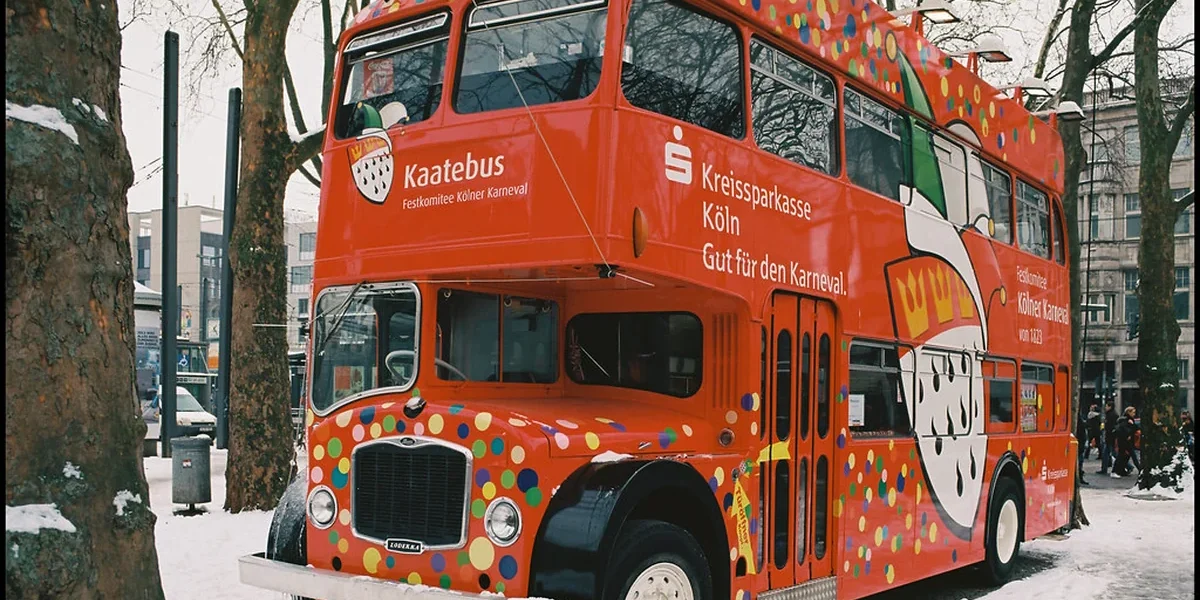
When the clock strikes 11 minutes past 11 on the 11th of November, Cologne loses its collective mind — in the most joyful, organized way imaginable. This is the official opening of the Karneval season, though the real explosion of madness happens months later during the wild days before Ash Wednesday. Cologne Karneval (Kölner Karneval) is not a festival you watch from the sidelines; it’s a citywide institution that reshapes daily life, dissolves social hierarchies for a few days, and turns the entire city into a costumed, singing, schnapps-fueled celebration of chaos and community.
Historical Origins & Founding Lore
Cologne’s carnival traditions trace back to pre-Christian winter festivals and Roman Saturnalia rituals, but the structured celebration most associate with modern Karneval has documented roots in 1823, when the first organized Rosenmontag (Rose Monday) parade was staged by the “Festordnendes Comité” — a group of citizens who wanted to bring order and pageantry to what had become increasingly rowdy street celebrations. Some historians point to earlier medieval carnival mentions dating to 1234, referencing pre-Lenten feasting traditions tied to the Catholic calendar, since Karneval traditionally marks the last indulgence before the fasting period of Lent.
The 19th-century reorganization was as much political as festive — Cologne was under Prussian rule, and carnival became a coded outlet for satire against authority. The tradition of mocking politicians, dressing as soldiers in exaggerated uniforms, and electing a mock “Karneval Trio” (Prince, Peasant, and Virgin — the Dreigestirn) emerged directly from this era of subversive humor disguised as festivity.
Cultural Significance in German Daily Life & Society
Karneval is often called the “fifth season” (die fünfte Jahreszeit) in the Rhineland, standing alongside spring, summer, autumn, and winter as a defining rhythm of the year. In Cologne, it is a genuine social equalizer: bankers, students, market vendors, and politicians all don costumes and greet strangers with the traditional exclamation “Kölle Alaaf!” (Long live Cologne!). Businesses close early on the peak days, schools give holidays, and even city trams run modified schedules to accommodate the crowds.
For many Cologne residents, Karneval is less about religious observance and more about civic identity — a proud, boisterous rejection of Prussian stiffness (a historical rival culture) in favor of Rhenish warmth, humor, and self-deprecation. The festival also carries real economic weight, generating well over €600 million annually for the local economy through costumes, events, hospitality, and tourism.
Regional Variations & Local Twists Across Germany
While Cologne’s Karneval is the largest and most internationally famous, the tradition varies significantly across Germany’s carnival strongholds:
- Düsseldorf — Cologne’s great rival stages its own Rosenmontag parade with a notably sharper satirical edge, featuring giant political caricature floats.
- Mainz — Part of the “Karneval triangle” with Cologne and Düsseldorf, known for its politically pointed “Mainzer Fastnacht” speeches and sessions.
- Southern Germany (Swabian-Alemannic Fastnacht) — In Bavaria and Baden-Württemberg, the celebration is called Fastnacht or Fasnet, featuring carved wooden masks, witch costumes, and much older pagan-rooted rituals distinct from the Rhineland’s parade-and-costume style.
- Bonn — A smaller but proud version, with its own Rosenmontag parade and jester traditions dating to the 19th century.
How It Is Celebrated
Karneval unfolds in distinct phases each year:
| Date/Phase | Event |
|---|---|
| November 11, 11:11 AM | Official season opening on Alter Markt |
| Weiberfastnacht (Women’s Carnival Thursday) | Women symbolically “storm” town halls and cut men’s ties; street parties erupt citywide |
| Karnevalssamstag & Sonntag | Costume parties, neighborhood parades (Geisterzug), pub crawls |
| Rosenmontag (Rose Monday) | The main parade: 12+ km route, over 300 groups, 1.5 million spectators, tons of candy (Kamelle) and flowers thrown from floats |
| Veilchendienstag (Violet Tuesday) | Smaller neighborhood parades and the ceremonial burning of the “Nubbel” straw effigy, symbolically blamed for all Karneval sins |
| Ash Wednesday | Fish dinners mark the start of Lent and the end of festivities |
Costumes range from elaborate historical outfits to simple wigs and face paint; unlike Venice’s masked elegance, Cologne’s Karneval embraces cheerful, often self-mocking absurdity — banana costumes, exaggerated politician masks, and matching group outfits called “Kostümgruppen” are common.
German Vocabulary, Idioms & Etiquette Rules
- Kölle Alaaf! — The traditional Cologne carnival greeting/cheer (never say “Helau,” which is Düsseldorf and Mainz’s rival cheer — a genuine faux pas in Cologne)
- Jecke — A carnival reveler/fool; being called a “Jeck” in Cologne is a badge of honor
- Kamelle — Candy and small gifts thrown from parade floats; catching them is a competitive, joyful sport
- Dreigestirn — The ceremonial “Trio” (Prince, Peasant, Virgin — traditionally all played by men) who reign over the season
- Bützchen — A friendly cheek kiss exchanged freely during Karneval, even among strangers, as a gesture of goodwill
Etiquette tip: accepting a Bützchen or a piece of thrown Kamelle graciously is expected; refusing is seen as unnecessarily stiff. However, excessive drinking-related disorder is genuinely policed — Karneval is joyful chaos, not lawlessness.
Where to Experience the Best in Germany
- Alter Markt & Heumarkt, Cologne — Ground zero for the season opening and street parties
- Rosenmontagszug route — Stake out a spot early along Severinstraße or Hohe Straße for the best parade views
- Kölner Karnevalsmuseum — Learn the history and see historical costumes year-round
- Traditional Kölsch beer houses like Früh am Dom or Peters Brauhaus for pre-parade fuel
- Düsseldorf’s Altstadt — For comparison, experience the rival city’s sharper-edged satire and parade
Book accommodation many months ahead — hotels in Cologne routinely sell out and prices triple during peak Karneval week. Expect city-wide crowds, closed shops on Weiberfastnacht afternoon, and an atmosphere unlike anywhere else in Germany.