Feierabend
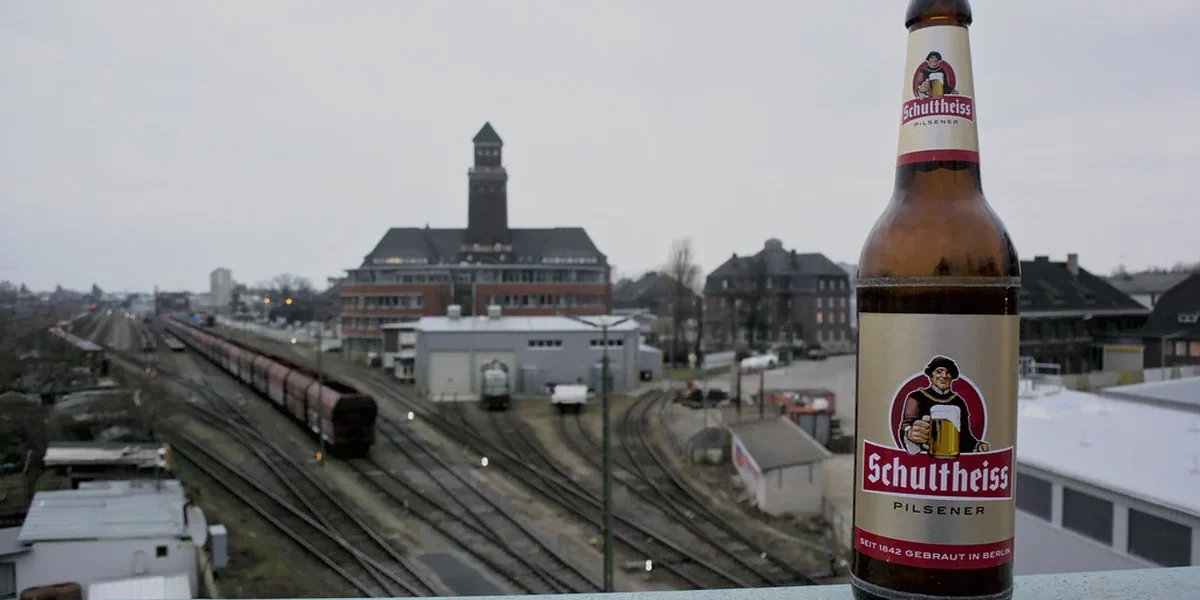
Feierabend is the German word for the end of the workday and the free time that follows. The work-related sense has been documented since the 16th century, and it still shapes how people speak, plan, and switch off across Germany today.
When a German colleague says “Schönen Feierabend,” they are marking a boundary: work has stopped, and personal time has started. The word covers both the moment of clocking off and the hours of rest that follow, right up until bedtime.
That double meaning is why a literal translation of “after work” falls short. Someone can Feierabend machen at 2 p.m. after an early shift, or spend their Feierabend on the couch at 9 p.m. Both uses are correct.
For visitors and new residents, the practical benefit is knowing when to stop sending messages, how to answer the farewell, and what people expect from the evening once work ends.
Key Takeaways
- Feierabend names both the moment work ends and the leisure time that follows it.
- The word grew out of Feierabend as the eve of a holiday, and now applies to any workday, including night and shift schedules.
- Everyday phrases like Schönen Feierabend, Feierabend machen, and nach Feierabend each carry a distinct tone.
When Does the Workday Become Personal Time?
Feierabend begins the moment a person stops working for the day, whatever the clock says. From then on, the same word describes the free hours that follow until sleep.
The term is a masculine noun (der Feierabend), and its two senses, quitting time and time off, sit side by side in normal speech.
The Two Meanings: Quitting Time and Time Off
The first meaning is a point in time. “Ich habe um 16 Uhr Feierabend” means “I finish work at 4 p.m.”
The second meaning is a stretch of time. “Ich verbringe meinen Feierabend im Garten” means “I spend my evening off in the garden.”
German speakers move between the two without confusion, and context usually makes the meaning clear. A question about when points to quitting time; a question about how points to leisure.
Literal Translation, Pronunciation, and Grammar
Broken apart, the word joins Feier (celebration) and Abend (evening), giving the literal reading “celebration evening.” That reading explains the word’s history more than its modern use, since nobody expects a party.
The pronunciation is roughly FIRE-ah-bent, with the stress on the first syllable and a hard t sound at the end. The ei rhymes with the English word “eye.”
| Form | German | English |
|---|---|---|
| Singular | der Feierabend | the end of the workday |
| Genitive | des Feierabends | of the end of the workday |
| Plural | die Feierabende | the evenings off |
Note that Abend (evening) sits inside the word, but the meaning isn’t tied to evening hours. Night workers use it too.
Where Did the Term Come From?
The word started as vīrabent in late Middle High German, meaning the evening before a holy day. Church bells rang to signal that labor had stopped and rest had begun.
Over time, that religious eve became the ordinary end of any working day.
From the Eve of a Public Holiday to the End of Work
In its oldest sense, Feierabend was the eve of a Feiertag (public holiday), when work paused ahead of church observance. Dictionaries still list “the evening before a holiday” as an obsolete meaning.
By the 16th century, the word had shifted toward the everyday workday. Industrialization pushed it further: factory hands and shop employees campaigned for shorter hours, and a fixed Feierabend became something workers argued for by name.
Around 1900, reformers treated free time as fuel for the next day’s labor. Rest and work became two halves of the same cycle, an idea still visible in German working-time law.
How Feier, Feiern, and Feiertag Are Connected
Three related words share the same root and help explain the tone of Feierabend:
- Feier (celebration, party) is the noun at the front of the compound.
- feiern (to celebrate) is the verb, used for birthdays, weddings, and nights out.
- Feiertag (public holiday) keeps the older sense of a protected day of rest, still shielded under German law.
Polish borrowed the concept as fajrant, used the same way to mean knocking off work. Older German usage also allowed feiern to mean stopping work, which is where the “celebration” in Feierabend originally came from.
How Do Germans Use It in Everyday Conversation?
Feierabend appears in a handful of fixed phrases with different tones, from a friendly goodbye to a firm refusal. Getting the tone right matters more than perfect grammar, since the same word can wish someone a pleasant evening or close a discussion.
Schönen Feierabend: The Standard Workplace Farewell
Schönen Feierabend! translates as “have a nice end of the workday” and works as the standard goodbye to colleagues, shop staff, and neighbors leaving for the day. It is warm, polite, and completely routine.
The natural reply is Danke, dir auch! (“Thanks, you too”) with people you address informally, or Danke, Ihnen auch! in formal settings. Saying nothing back can sound slightly cold.
A shorter form, Schönen Abend (“nice evening”), works for anyone, including people who aren’t coming from work.
Feierabend Machen, Haben, and Nach Feierabend
Three constructions cover most situations:
- Feierabend machen means to knock off, to stop working. “Ich mache jetzt Feierabend.”
- Feierabend haben describes the state of being done for the day. “Sie hat schon Feierabend.”
- nach Feierabend means “after work” as a time marker. “Wir treffen uns nach Feierabend.”
Adding pünktlich (“on time”) to the first phrase, as in pünktlich Feierabend machen, signals leaving exactly when the shift ends. Many people see that as normal behavior rather than clock-watching.
When Jetzt Ist Feierabend Means Enough
Jetzt ist Feierabend! moves the word outside the workplace entirely. Said sharply, it means “that’s enough” or “we’re done here,” and parents use it with children as often as managers use it with staff.
The tone is firm and closes the subject. At work, it can signal that a colleague has no intention of answering messages after hours, an expectation that varies by employer and industry.
What Does It Reveal About Work and Leisure in Germany?
Feierabend works as a social signal that a person is off the clock and no longer expected to respond. That expectation is a cultural tendency backed by working-time law, not a guarantee.
It also looks different in a hospital, a startup, and a family bakery.
The Boundary Between Availability and Time Off
German working-time rules set daily limits and mandatory rest periods between shifts, giving the cultural habit some legal footing. Many employers try to avoid evening emails, though practice varies widely.
Research from Germany’s Federal Institute for Occupational Safety and Health found that when work time bleeds into private life through overtime or unusual hours, satisfaction with work-life balance drops. Surveys have also shown full-time German employees working an average of five hours a week beyond their contracted hours, so the ideal and reality don’t always match.
The related concept of ruhezeit/” rel=”noopener” target=”_blank”>Ruhezeit, the protected quiet period, extends similar thinking to noise and neighborly conduct.
Shift Work, Part-Time Schedules, and Nontraditional Hours
Feierabend attaches to the end of a Schicht (shift), whatever hour that falls. A nurse finishing a night shift at 6 a.m. has Feierabend in the morning, and the greeting still applies.
Part-time employees, freelancers, and parents on reduced hours use the word the same way. Feierabendarbeit describes work done after the main job has ended, a second occupation squeezed into the free hours.
From Feierabendverkehr to the Wochenende
Feierabendverkehr is the German word for rush-hour traffic, literally “after-work traffic,” and it clusters between roughly 4 p.m. and 6:30 p.m. in cities like Munich, Frankfurt am Main, and Stuttgart.
The same logic scales up to the Wochenende (weekend). Sunday carries additional protection as a day of rest, with most shops closed, which reshapes how visitors plan their travel days.
A little planning around Sonntag and Sunday closing culture saves a wasted afternoon.
How Do People Mark the End of the Day?
Most people mark Feierabend with a small transition ritual: changing clothes, taking a walk, having a drink, or enjoying some quiet before anything else happens. The best-known version is the Feierabendbier, but the pattern behind it is the switch out of work mode, and it takes many forms.
The Meaning of a Feierabendbier
A Feierabendbier is the beer that marks the end of the workday, whether you drink it alone at home or with colleagues on a terrace. The point is the punctuation, not the alcohol. Feierabendkaffee or a Feierabendlauf (end-of-day run) can fill the same role.
In Munich and Cologne, people often enjoy that drink outdoors. The beer-garden habit, covered in more depth in the guide to German beer traditions, turns a solo ritual into a social one during the warmer months.
Quiet Evenings, Social Plans, and Personal Routines
A typical Feierabend starts with small physical signals: changing into comfortable clothes, opening a window, and putting the laptop away. Researchers who study detachment say these habits help the mind register that work has stopped.
Evenings divide roughly between quiet time at home and social plans. Household errands, sports clubs, choir practice, and dinner with friends all count.
The sense of ease people seek maps closely onto German Gemütlichkeit. Weekday leisure also feeds directly into travel patterns, since evening events, museum late openings, and market visits are built around a workforce that leaves at a predictable hour.
Related Compounds and Less Common Uses
German builds compounds freely, so Feierabend can attach to almost any activity: Feierabendspiel (end-of-day game), Feierabendrunde (after-work round of drinks), and Feierabendmarkt (evening market).
One older term sits apart. A Feierabendheim was a residential home for older people in the former East Germany, using Feierabend in the sense of a working life that has ended.
The word also appears in the phrase Feierabend haben when applied to objects, as in a machine that has stopped working, though that use remains colloquial. Readers exploring everyday customs alongside destinations and festivals will find similar entries throughout Everything About Germany’s culture section.
Frequently Asked Questions
What does Feierabend mean in English?
Feierabend means both the end of the workday and the free time that follows until bedtime. English has no single equivalent, so translations range from “quitting time” to “after work,” depending on the sense intended. The literal reading, “celebration evening,” reflects the word’s origin in the eve of a holiday.
Why do Germans say “Schönen Feierabend”?
It functions as a standard workplace farewell, wishing someone a pleasant end to the working day. Colleagues, shop staff, and building neighbors all use it.
The expected reply is Danke, dir auch! or the formal Danke, Ihnen auch! The phrase also signals that the speaker is now off the clock.
Can Feierabend be used when it is not evening?
Yes. Feierabend attaches to the end of a shift, so a worker finishing at 6 a.m. or 2 p.m. has Feierabend at that hour. The Abend (evening) inside the word reflects its history, not a requirement about the time of day.
What is the difference between Feierabend and Freizeit?
Feierabend refers specifically to free time on a working day, starting the moment work stops. Freizeit is the broader word for leisure time in general, covering weekends, holidays, and any hours not spent working. A retired person has Freizeit but no Feierabend.
How do you pronounce Feierabend?
It sounds roughly like FIRE-ah-bent, with the stress on the first syllable. The ei rhymes with “eye,” while the middle er softens to a short “ah.” The final d sounds like a t.