Ruhezeit (Quiet Hours)
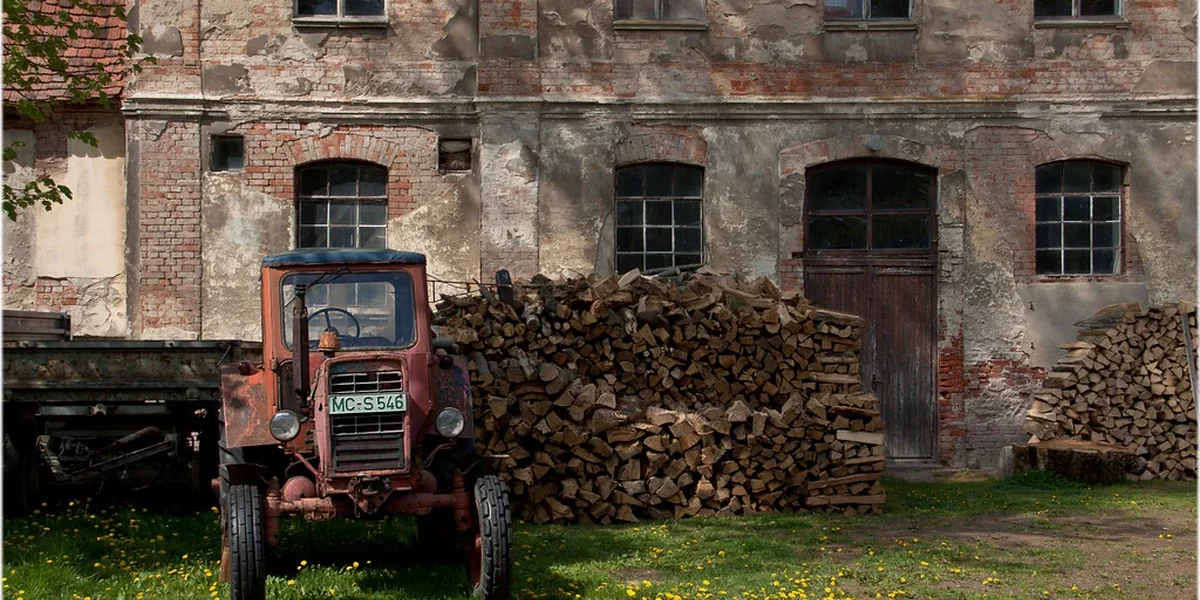
Few unwritten rules govern daily life in Germany as strictly as Ruhezeit — the “quiet hours” during which noise must be kept to a minimum in residential buildings and neighborhoods. For newcomers, discovering that vacuuming on a Sunday afternoon can prompt a knock from an irritated neighbor (or even a call to the police) is often a rite of passage. Far from being a quaint eccentricity, Ruhezeit is a legally recognized and socially enforced pillar of German communal living, reflecting a deep cultural belief that shared space demands shared respect.
Historical Origins & Founding Lore
Ruhezeit’s roots stretch back to the rapid urbanization of German cities in the late 19th and early 20th centuries. As families crowded into multi-story Mietshäuser (rental apartment buildings) during the industrial boom, close quarters made noise a constant source of friction. By around 1900, municipal ordinances and landlord house rules (Hausordnung) began formalizing designated quiet periods to prevent disputes between tenants stacked atop one another.
Over the 20th century, these informal building rules evolved into a patchwork of state and municipal noise-protection laws (Landes-Immissionsschutzgesetze), reinforced by federal regulations on Sunday and holiday rest (Sonn- und Feiertagsruhe), which trace back to constitutional protections for religious and communal rest dating to the Weimar era. What began as pragmatic conflict-avoidance between tenants became codified into a broader philosophy: that public and private tranquility is a collective right, not merely a personal preference.
Cultural Significance in German Daily Life & Society
Ruhezeit embodies core German values: Ordnung (order), Rücksicht (consideration), and a strong boundary between public and private life. It signals that individual freedom ends where it disturbs the collective peace — a principle Germans apply rigorously, sometimes to the bewilderment of visitors from more noise-tolerant cultures.
The custom is taken seriously enough to have real legal teeth. Persistent noise violations can lead to formal warnings from landlords, fines from local authorities, or even grounds for lease termination in extreme cases. Neighbors are generally expected to self-police through polite (or not-so-polite) reminders before escalating to official complaints, and the Hausordnung posted in most apartment stairwells spells out exact hours to avoid any ambiguity.
Regional Variations & Local Twists Across Germany
While the concept is nationwide, exact hours and enforcement vary by state (Bundesland) and municipality:
- Bavaria: Known for particularly strict enforcement, especially around Mittagsruhe (midday quiet, roughly 13:00–15:00), still widely observed in smaller towns.
- Berlin: More relaxed in nightlife districts, but residential courtyards (Hinterhöfe) enforce quiet hours firmly due to acoustic echo between buildings.
- North Rhine-Westphalia: Larger cities like Cologne and Düsseldorf tend to be more lenient on Sunday quiet, given denser urban entertainment culture.
- Rural areas: Sunday Ruhezeit is often observed almost universally, including bans on mowing lawns or using loud machinery, reinforcing village-level communal norms.
How Ruhezeit Is Practiced
Most Hausordnung documents specify the following standard windows, though exact times can vary slightly by building or city ordinance:
| Period | Typical Hours | Restrictions |
|---|---|---|
| Nachtruhe (Night Quiet) | 22:00 – 06:00/07:00 | No loud music, showers/laundry discouraged, quiet footsteps |
| Mittagsruhe (Midday Quiet) | 13:00 – 15:00 (mainly Bavaria/rural areas) | No lawnmowers, drilling, or loud activity |
| Sonntagsruhe (Sunday Quiet) | All day Sunday & public holidays | No vacuuming, DIY, construction, car washing, or lawn work |
During these hours, activities like drilling, mowing lawns, running washing machines/dryers, and playing loud music are generally off-limits. Even flushing certain toilets loudly late at night has sparked genuine legal disputes in Germany — a testament to how granularly this norm is taken.
German Vocabulary, Idioms & Etiquette Rules
- Ruhezeit — quiet time/hours
- Nachtruhe — night rest
- Mittagsruhe — midday rest
- Sonntagsruhe — Sunday rest
- Hausordnung — house rules, usually posted in stairwells
- Lärmbelästigung — noise disturbance/nuisance (a legal term used in complaints)
- Ruhestörung — disturbance of the peace
Etiquette tip: if you must run a noisy appliance outside Ruhezeit hours, doing so is fine — but always err on the side of caution around 22:00 and all-day Sunday. If a neighbor politely mentions your noise, a friendly apology (not defensiveness) is the expected and socially rewarded response.
Where to Experience (and Respect) Ruhezeit in Germany
Ruhezeit isn’t a tourist attraction, but understanding it is essential for anyone renting an Airbnb or apartment in Germany. Its effects are most visible in:
- Munich & Bavarian towns: Strict Sunday and midday quiet, especially in traditional apartment blocks.
- Berlin’s Altbau courtyards: A crash course in acoustic etiquette due to shared inner courtyards.
- Small towns along the Romantic Road or Black Forest villages: Sunday quiet is almost sacred, with shops closed and streets notably calm.
- University cities like Heidelberg or Tübingen: Student housing often has particularly enforced Nachtruhe due to dense shared living.
Whether you’re a long-term resident or a short-stay visitor, respecting Ruhezeit is one of the fastest ways to earn goodwill from German neighbors — and avoid an awkward knock on the door.