Christkindlmärkte Tradition
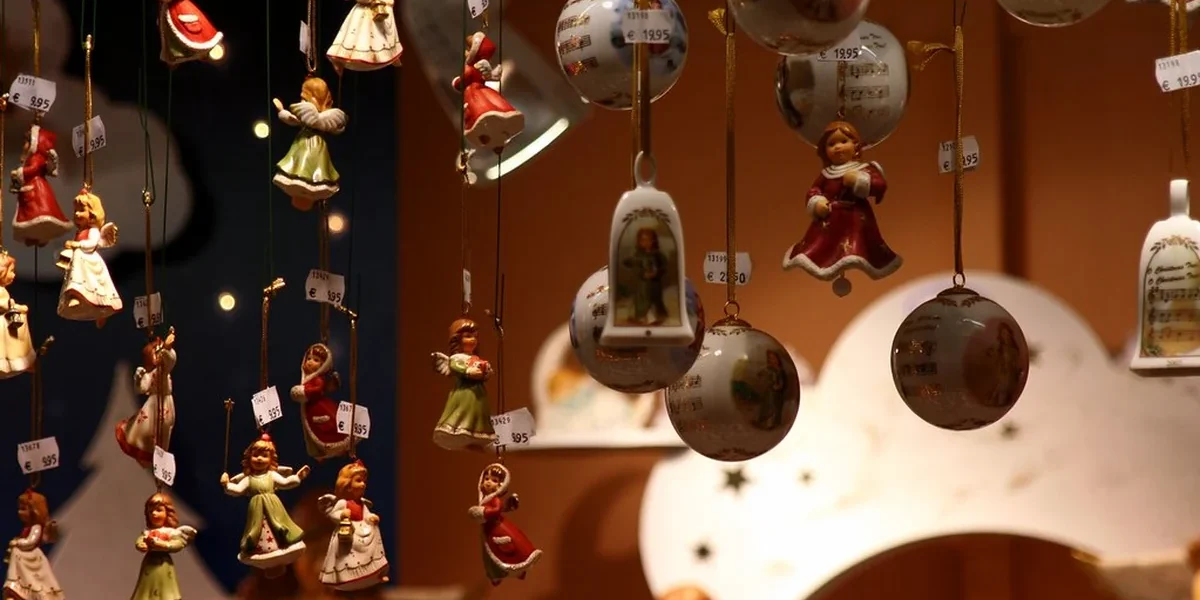
When the first Advent candle flickers alight and the scent of Glühwein drifts across a medieval square, Germany quietly performs one of its oldest civic rituals: the opening of the Christkindlmarkt. These markets are not seasonal decoration draped over a city — they are the city, transformed for four weeks into a working model of medieval commerce, craft, and community that predates the modern Christmas holiday as we know it by centuries.
Historical Origins & Founding Lore
The Christkindlmarkt traces back to late-medieval winter markets that allowed townspeople to stock up on meat, warm clothing, and firewood before the deep cold set in. The earliest documented ancestor is Vienna’s “Dezembermarkt,” mentioned in 1298, but the German tradition proper is usually anchored to Dresden‘s Striezelmarkt, first recorded in 1434, making it the oldest continuously documented Christmas market in Germany. Bautzen and Frankfurt followed shortly after, with Frankfurt’s market referenced as early as 1393.
The name “Christkindlmarkt” itself — most associated with Nuremberg’s world-famous market — links to the Protestant Reformation. Martin Luther, seeking to shift gift-giving away from the Catholic veneration of Saint Nicholas, promoted the idea of the “Christkind” (Christ Child) as the bringer of gifts. Markets that had once been purely practical trading events for winter goods and toys gradually absorbed this symbolism, and by the 17th and 18th centuries they had become explicitly tied to Advent and the anticipation of Christmas itself.
Cultural Significance in German Daily Life & Society
For modern Germans, the Christkindlmarkt is less about shopping than about ritual pause. Colleagues schedule after-work Glühwein meetups (“Wir treffen uns am Weihnachtsmarkt”) as a normal part of the December social calendar, alongside family outings and school trips to watch traditional Krippenspiel (nativity plays) or brass ensembles performing chorales from the town hall balcony.
Economically, the markets matter too: small producers of Glühwein, Lebkuchen, hand-carved ornaments, and Erzgebirge wooden figures depend on this six-week window for a significant share of annual revenue. Municipalities treat their market’s reputation as civic pride — Nuremberg, Dresden, and Cologne compete, informally, for the title of Germany’s best.
Regional Variations & Local Twists Across Germany
- Nuremberg (Christkindlesmarkt): Opens with a prologue recited by a local girl or young woman chosen as the “Christkind” from Nuremberg’s balcony — the most theatrical opening in Germany.
- Dresden (Striezelmarkt): Named after the Striezel, an early form of Stollen; features a giant Christmas pyramid (Weihnachtspyramide) as its centerpiece.
- Cologne: Spread across seven distinct markets, including one at the cathedral square lit by thousands of ornaments, and a specifically LGBTQ+-themed market at Heumarkt.
- Munich: Marienplatz hosts a classic Bavarian-style market with a nativity scene exhibit and handcrafted toys; Munich also runs a medieval-themed market at Wittelsbacherplatz with mulled mead instead of wine.
- Stuttgart: One of the largest and oldest (dating to 1692), known for its elaborately decorated market stalls, each individually designed.
- Rothenburg ob der Tauber: The Reiterlesmarkt, set inside a walled medieval town, feels frozen in the 15th century year-round, amplified further at Christmas.
How It Is Practiced & Celebrated
Markets typically open on the first day of Advent (the fourth Sunday before Christmas) and run through December 22–23, with a few, like Nuremberg’s, closing on Christmas Eve. Daily hours run roughly 10:00–21:00, extending on weekends. Visitors buy a Glühwein in a branded souvenir mug (Pfand deposit usually €3–5, refundable or keepable as a keepsake), then wander stalls selling Lebkuchen, Bratwurst, Reibekuchen, roasted almonds (gebrannte Mandeln), and handcrafted goods such as Erzgebirge Räuchermännchen (smoking figures) and glass ornaments from Lauscha.
| Item | Typical Price (2024/25) |
|---|---|
| Glühwein (mug + deposit) | €4–6 (+€3–5 Pfand) |
| Bratwurst im Brötchen | €4–6 |
| Lebkuchenherz | €6–10 |
| Handmade wooden ornament | €8–35 |
| Reibekuchen (potato pancakes) | €5–7 |
German Vocabulary, Idioms & Etiquette Rules
- Glühwein — mulled wine, the market’s social lubricant.
- Pfand — the refundable deposit on mugs; always ask “Kann ich den Pfand zurückgeben?” to get your coins back.
- Stand — market stall; “Weihnachtsmarktbummel” — a leisurely stroll through the market, a beloved pastime in itself.
- Etiquette: Return glasses if you don’t want them, queue politely at food stalls, and avoid rushing vendors during payment — cash is still preferred at many smaller stalls, though card acceptance has grown since 2023.
Where to Experience the Best in Germany
For sheer historical weight and atmosphere, Nuremberg’s Christkindlesmarkt on the Hauptmarkt remains the benchmark. Dresden’s Striezelmarkt offers the deepest craft heritage, especially for Erzgebirge woodwork. Cologne rewards those who want variety across several distinct markets within walking distance. For something quieter and more intimate, Rothenburg ob der Tauber and Esslingen’s medieval market deliver a step-back-in-time experience away from the largest crowds. Berlin’s Gendarmenmarkt market, framed by the Konzerthaus and twin cathedrals, remains the most photogenic urban setting in the country.