As of August 2026, plan on roughly €65–95 per person per day for budget travel in Germany outside major event dates, excluding the cost of reaching the country. That assumes a hostel dorm, supermarket and casual food, public or regional transport, and mostly free attractions. A private room, faster intercity trains, and regular restaurant meals usually move the budget closer to €120–180 per person per day.
Updated August 30, 2026: This guide now reflects the €63 Deutschland-Ticket, current regional rail options, the end of Berlin’s Museum Sunday program, and Hamburg’s October 2026 Elbphilharmonie Plaza price change.
The old €40–60 daily target was removed because it is no longer a dependable Germany-wide budget. Discontinued tickets and risky shortcuts, including blanket wild-camping and dumpster-diving advice, were also removed.
How much does budget travel in Germany cost?
A workable Germany travel budget depends mainly on accommodation and the number of long-distance journeys. Food and city transport are easier to control, while hostel rates can double during festivals, trade fairs, school holidays, and last-minute weekends.
| Budget item | Tight daily range | More flexible range | What changes the price |
|---|---|---|---|
| Accommodation | €25–45 | €45–80 | Dorm size, city, event dates, booking lead time, and whether breakfast or linen is included |
| Food and non-alcoholic drinks | €18–28 | €30–50 | Self-catering versus restaurants, coffee stops, and alcohol |
| Local and intercity transport | €5–20 | €20–45 | Walking days, rail distance, ticket type, and group size |
| Attractions | €0–12 | €15–35 | Free sights versus museums, tours, castles, and cable cars |
| Daily buffer | €5–10 | €10–20 | City tax, laundry, luggage storage, booking fees, and small emergencies |
The low end is realistic only when the bed is already affordable. If the cheapest acceptable room is €70, no combination of supermarket meals and free parks will restore a €65 daily total. Price accommodation first, then build transport and food around it.
Three useful daily budget levels
- €65–85: Dorm bed, supermarket breakfast, one inexpensive hot meal, walking or limited transit, and free sights.
- €85–115: Better-located dorm, more public transport, one paid attraction, and a mix of casual meals and groceries.
- €120–180: A share of a private double room, regular restaurant meals, and faster trains. Solo private-room travelers may spend more.
These figures do not include flights, shopping, nightlife, Oktoberfest, Christmas-market weekends, or premium excursions such as mountain cable cars. Add those separately instead of hiding them inside an unrealistically low daily average.
Which German transport ticket saves the most money?
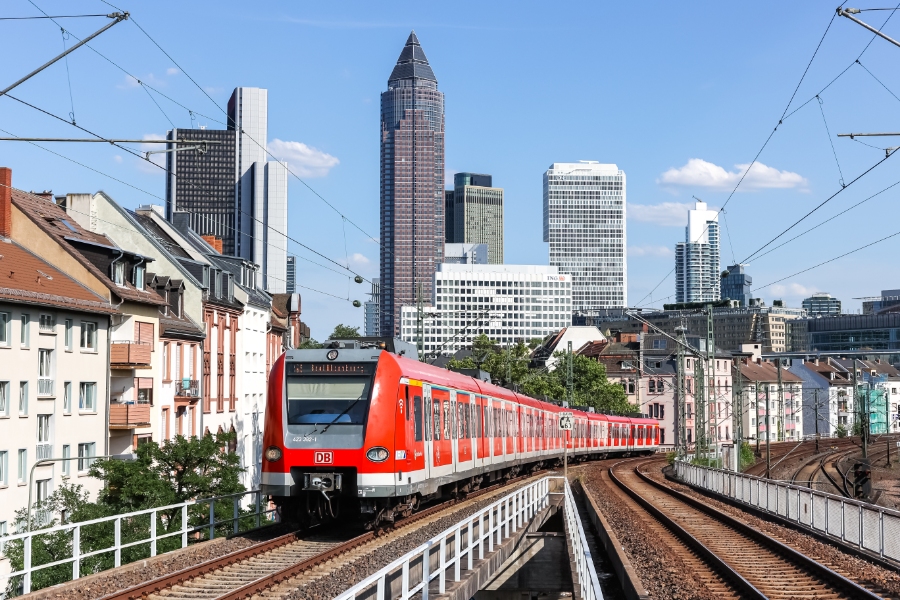
No German rail ticket is cheapest for every trip. The right choice depends on train type, group size, travel time, and how many days you will use local transport.
| Ticket or option | 2026 price | Best use | Main limitation |
|---|---|---|---|
| Deutschland-Ticket | €63 per month | Frequent buses, trams, U-Bahn, S-Bahn, and regional trains across Germany | Subscription product; generally not valid on ICE, IC, EC, FlixTrain, or tourist railways |
| Länder-Ticket | From €25 | One-day regional travel within a federal state, especially for small groups | Rules and prices vary; weekday validity often starts at 09:00 |
| Day Ticket for Germany | €51 for one person; €99 for five | One long day using regional trains across state borders | Regional services only; slower than ICE or IC routes |
| DB saver fare | DB lists Saver Fare offers from €21.99, with lower limited promotions at times | Fast ICE, IC, or EC journeys booked ahead | Usually tied to selected long-distance trains and less flexible than a full fare |
| City day or group ticket | Varies by transport network | Several rides in one city during the network’s stated validity window | May be poor value on a walkable day |
| Long-distance coach or ride-share | Route-dependent | Trips where rail fares are high or the coach is direct | Longer journeys, traffic risk, luggage rules, and less flexibility |
When the Deutschland-Ticket is worth buying
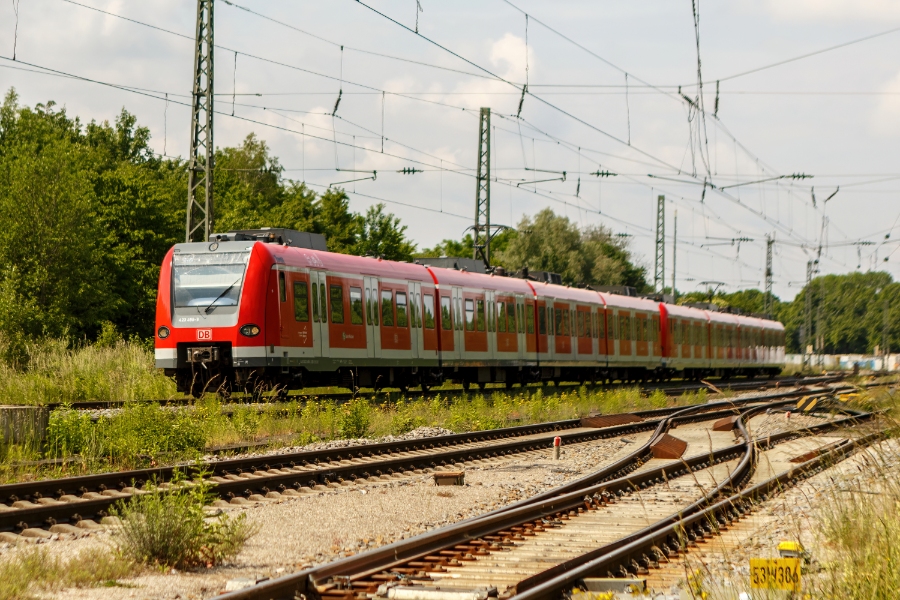
The Deutschland-Ticket can pay for itself when your combined city and regional fares would exceed €63 in the same month. It is especially useful for a slow trip with several regional day trips. It is less useful for a short itinerary built around two or three ICE journeys.
Check the provider’s cancellation terms before purchase. The Deutschland-Ticket is a recurring subscription, not a one-time tourist pass, and a ticket bought from one transport provider may have different account and cancellation procedures from another.
How to compare rail options without guessing
- Search the journey in DB Navigator with all train types enabled.
- Run the same search with local transport only.
- Compare the faster fare with the regional travel time and any day-ticket or group-ticket price.
- Add local transport at both ends if it is not included.
- Read the cancellation and train-binding rules before paying.
Do not assume every paper ticket needs validation or that every app ticket is automatically valid. Follow the instruction printed on the ticket or shown in the app. A fine costs far more than the minute needed to check.
How to find cheaper accommodation in Germany
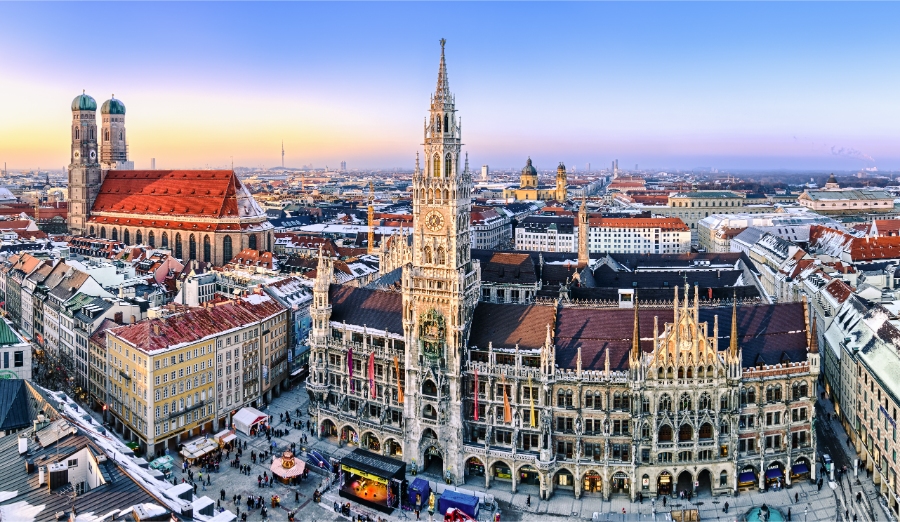
Accommodation is usually the largest expense, so a €10 saving on the bed matters more than saving €1 on lunch. Hostel dorms commonly fall around €25–50 per night in major cities, with Munich, event weekends, and late bookings often landing above that range.
Book for total value, not the lowest headline rate
- Check whether linen, towels, breakfast, lockers, and city tax are included.
- Price the journey from the property to the sights. A cheaper bed is not cheaper if it requires two extra paid transport zones every day.
- Look for a guest kitchen, refrigerator, or at least a kettle if you plan to self-cater.
- Compare Sunday through Thursday with Friday and Saturday. The difference can be substantial.
- Check the city’s event calendar before committing to non-refundable dates.
DJH hostels have a membership rule
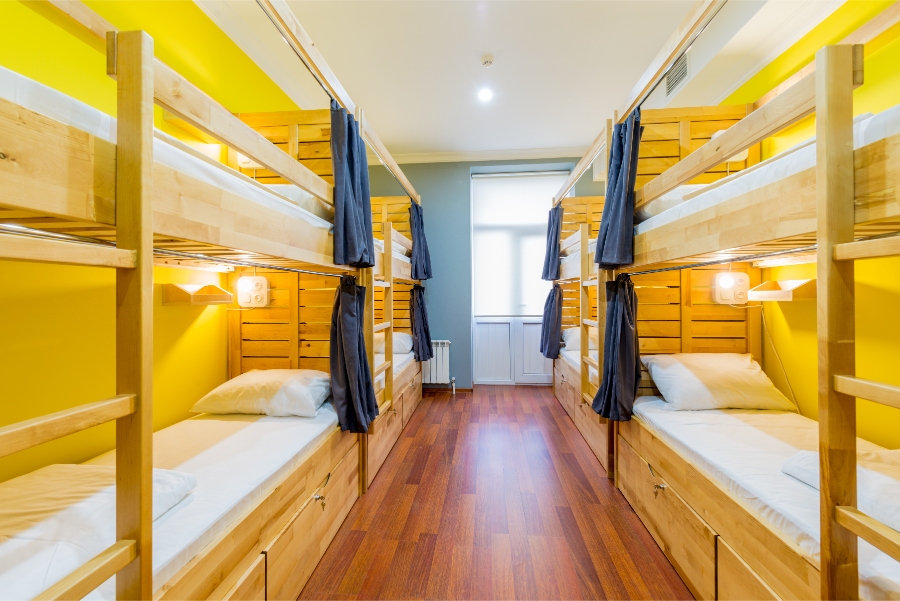
Germany’s DJH youth hostels are not limited to teenagers, and many have family or private rooms. Membership is normally required. Foreign visitors without a card from their national youth hostel association can usually arrange temporary guest access or welcome stamps, so include that cost when comparing a DJH rate with an independent hostel.
Camping is not a free-for-all
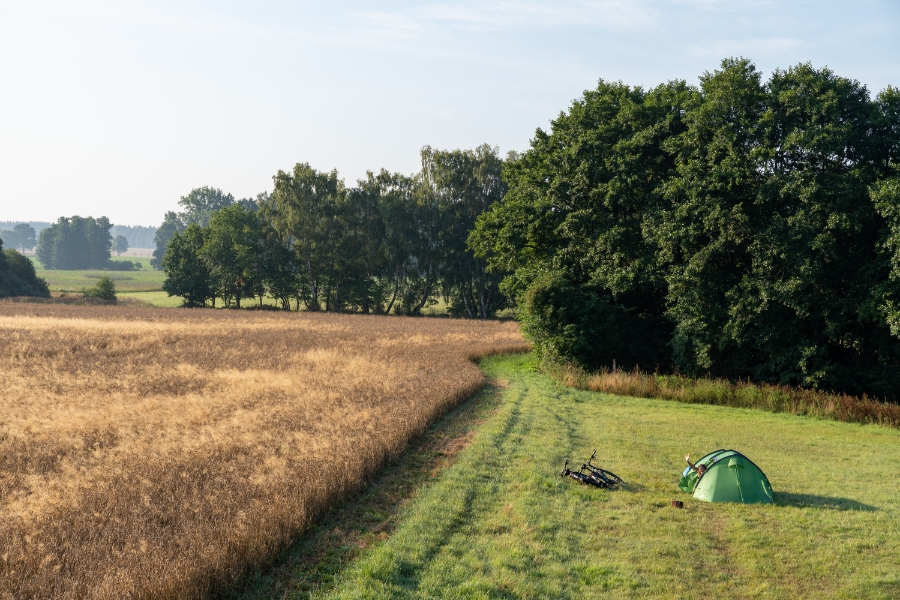
Do not treat wild camping as a standard budget option. Wild camping is generally prohibited in Germany, particularly in national parks and other protected areas. Use licensed campsites, obtain clear landowner permission where local rules allow it, or reserve one of the official trekking camps in the Black Forest.
Hospitality exchanges and house-sitting can reduce room costs, but neither is guaranteed or entirely free once membership fees, transport, and responsibilities are counted. Keep a paid backup rather than building a fixed itinerary around an unconfirmed stay.
How to eat cheaply in Germany without living on snacks

A realistic low-cost food budget is about €18–28 per day when you combine groceries with one inexpensive prepared meal. Trying to eat three restaurant meals a day will quickly double that figure.
| Meal option | Useful planning range | Best use |
|---|---|---|
| Supermarket breakfast or picnic | €3–8 | Bread, yogurt, fruit, cheese, salad, or a ready-made meal |
| Bakery breakfast or light lunch | €3–7 | Rolls, pretzels, pastries, and sandwiches |
| Imbiss meal | €6–11 | Döner, falafel, currywurst, noodles, or another quick hot meal |
| Lunch special | €10–16 | A sit-down meal at a lower price than the evening menu |
| Casual restaurant main | €14–25 | A planned meal rather than the default three times a day |
Use supermarkets strategically
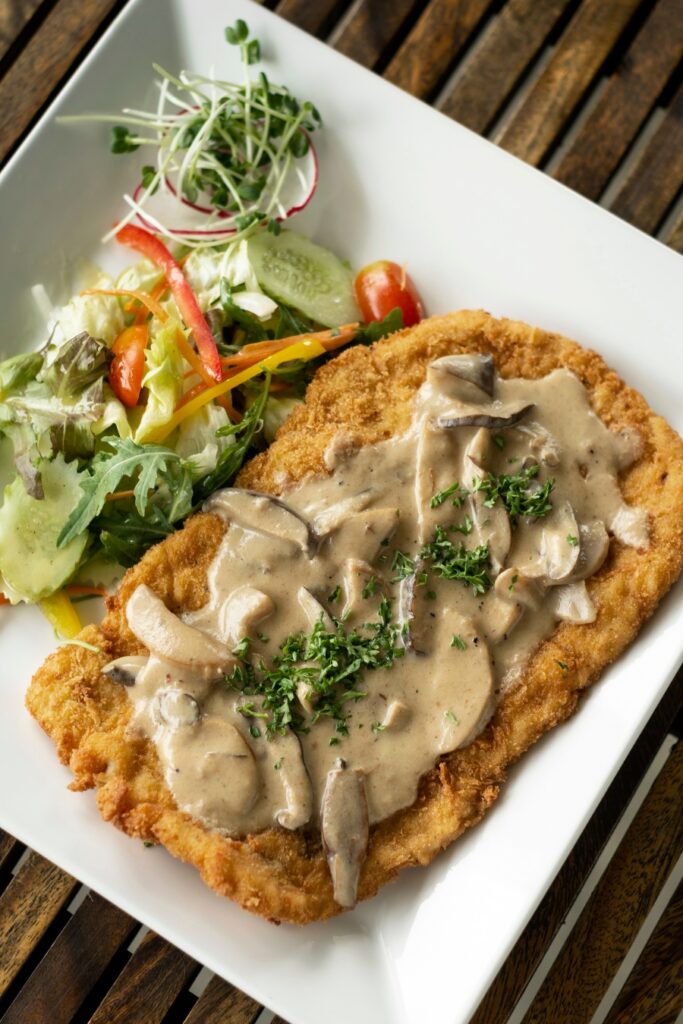
Aldi, Lidl, Penny, and Netto are useful for low-cost basics. REWE, EDEKA, and many larger stores often have broader prepared-food sections, but prices may be higher. Buy breakfast, fruit, and one portable meal at the same time instead of making repeated convenience-store stops.
Most ordinary supermarkets close on Sundays, although rules and exceptions vary. Shops in major stations and airports may open, but they are rarely the cheapest option. Buy Sunday breakfast and picnic supplies on Saturday.
Drink tap water and understand Pfand

Germany’s Federal Environment Agency says tap water can be consumed without hesitation in almost all cases. Carry a refillable bottle, and let water that has stood in old pipes run until it becomes noticeably cooler.
Many drinks include a refundable Pfand deposit. Reusable bottles usually carry an 8- or 15-cent deposit, while eligible single-use bottles and cans carry 25 cents. Return them to an appropriate retailer and keep the receipt from the return machine until the amount has been deducted at the checkout. German consumer centers explain the return rules.
Which activities in Germany are genuinely free?
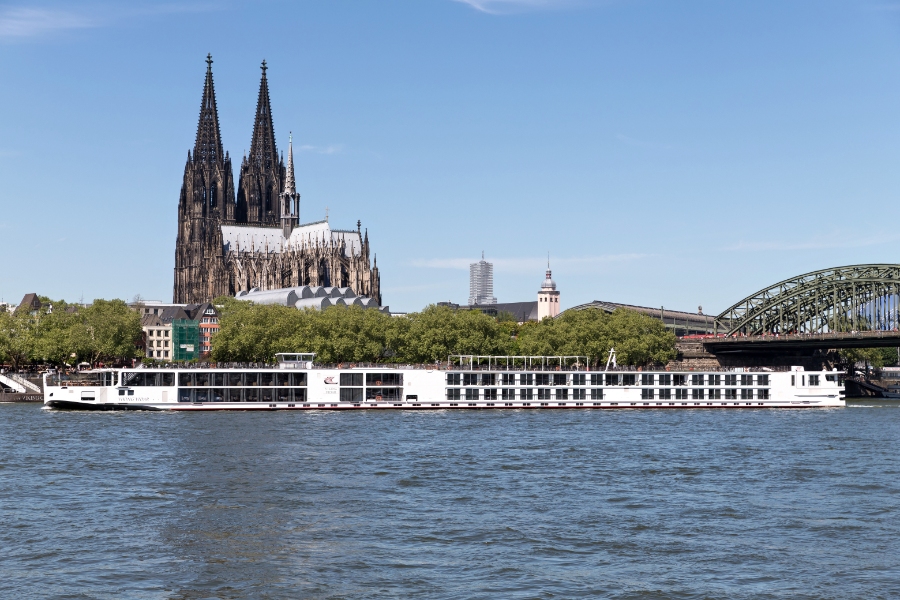
Germany has plenty of free public space, but many attractions described online as free are actually tip-based, free only on selected dates, or free only in one section. Check the official attraction page rather than relying on an old list.
- Historic centers, public squares, riverfronts, city parks, and most ordinary hiking trails
- Outdoor memorials, public art, and sections of former fortifications or city walls
- Many churches during general opening hours, although towers, treasuries, crypts, and concerts may charge
- Markets and festivals where entry is free, even though food and activities cost extra
- Self-guided walks using official city maps, tourism apps, or museum audio material
A so-called free walking tour is normally tip-based. Treat the tip as part of the day’s budget rather than pretending the activity costs nothing.
Museum discounts require current checks
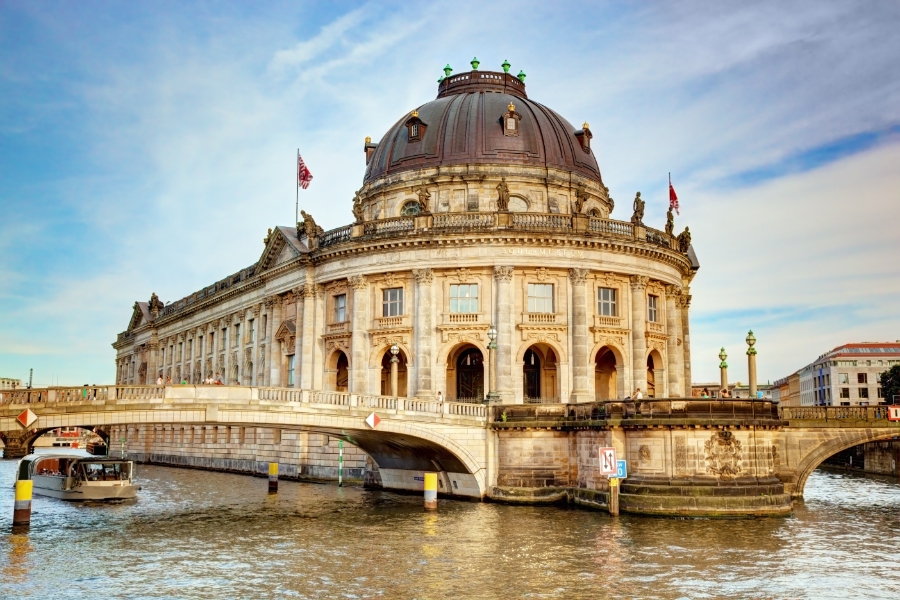
Free days, evening discounts, student rates, and combined passes vary by institution. December 1, 2024 was the final date of Berlin’s citywide Museum Sunday program, so old advice promising free first-Sunday admission is wrong. Check the Museumsportal Berlin notice and each museum’s own ticket page.
Use a city card only after doing the arithmetic
Add the transport ticket you would otherwise buy to the admission prices of the attractions you will definitely visit. Buy the city card only when that total exceeds the card price. Discounts on attractions you had no intention of visiting are not savings.
Budget tips for Berlin, Munich, Hamburg, Dresden, and Leipzig
Berlin

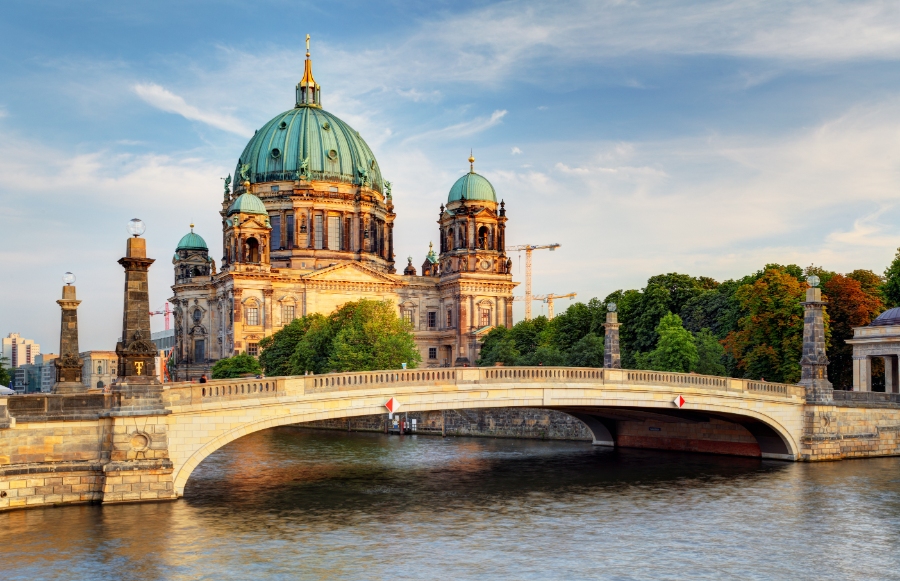
Berlin works well for budget travelers because several major historical sites are outdoors. Link Brandenburg Gate, Tiergarten, the Memorial to the Murdered Jews of Europe, and the government quarter into one walking day. The Reichstag dome and roof terrace are free, but advance registration is required.
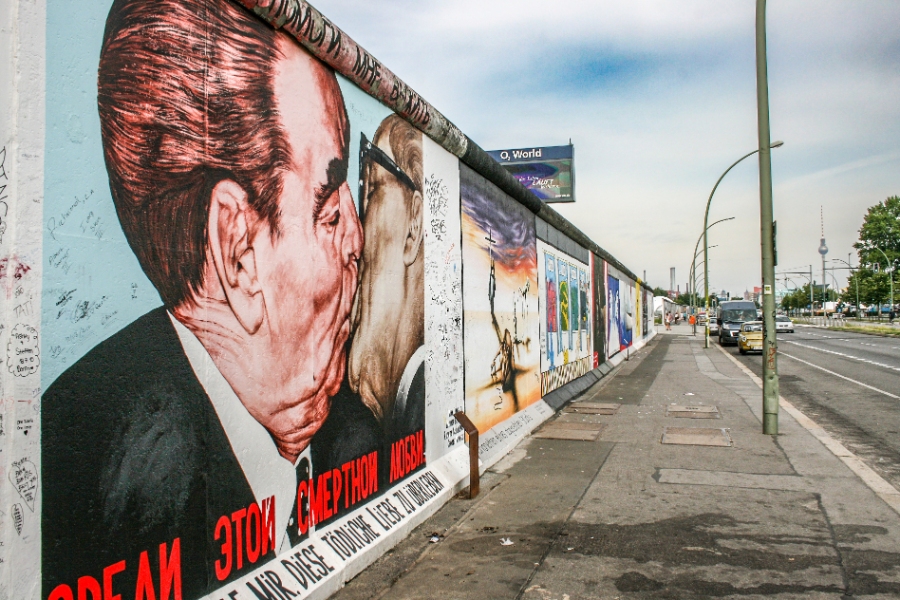
The East Side Gallery and Tempelhofer Feld can anchor separate low-cost days. Do not build the itinerary around Berlin Museum Sunday; the program has ended. Check trade fairs, the Berlin Marathon, major concerts, and New Year’s Eve before booking accommodation.
Munich
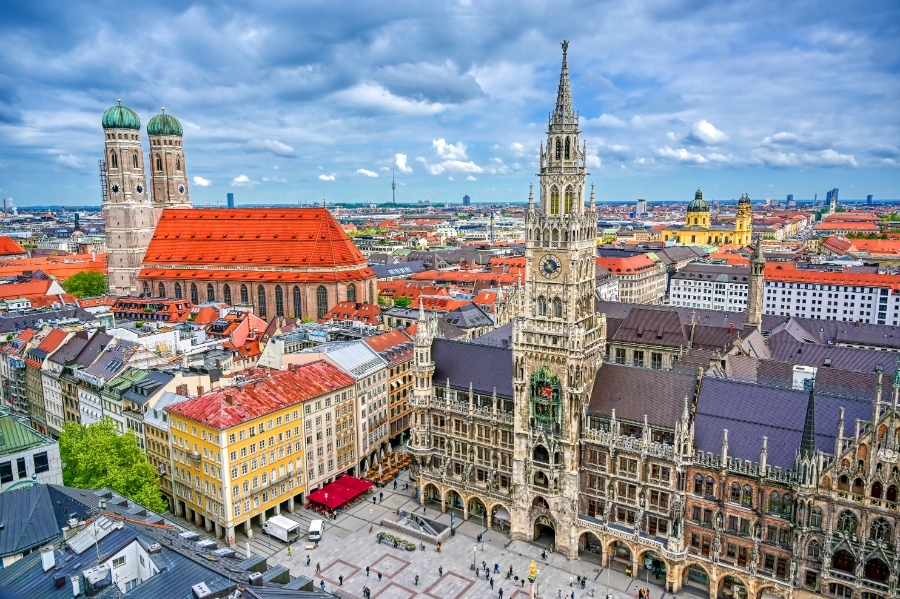
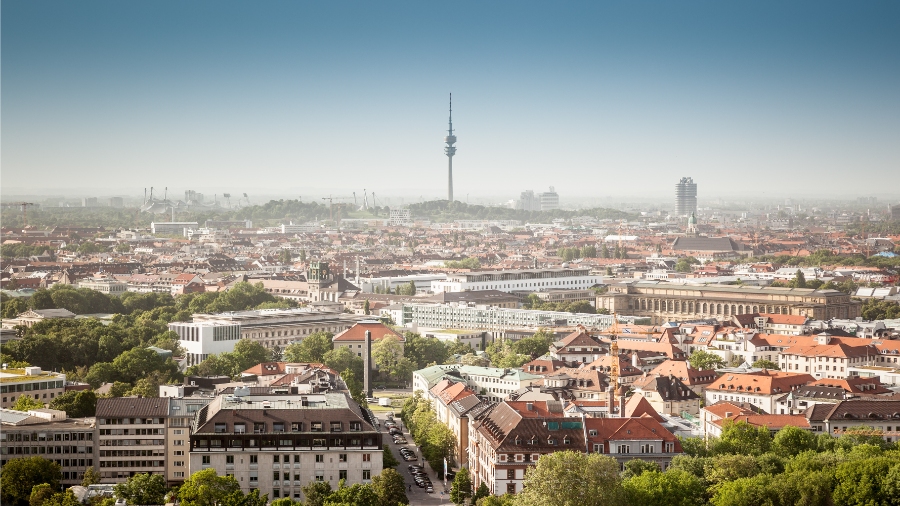
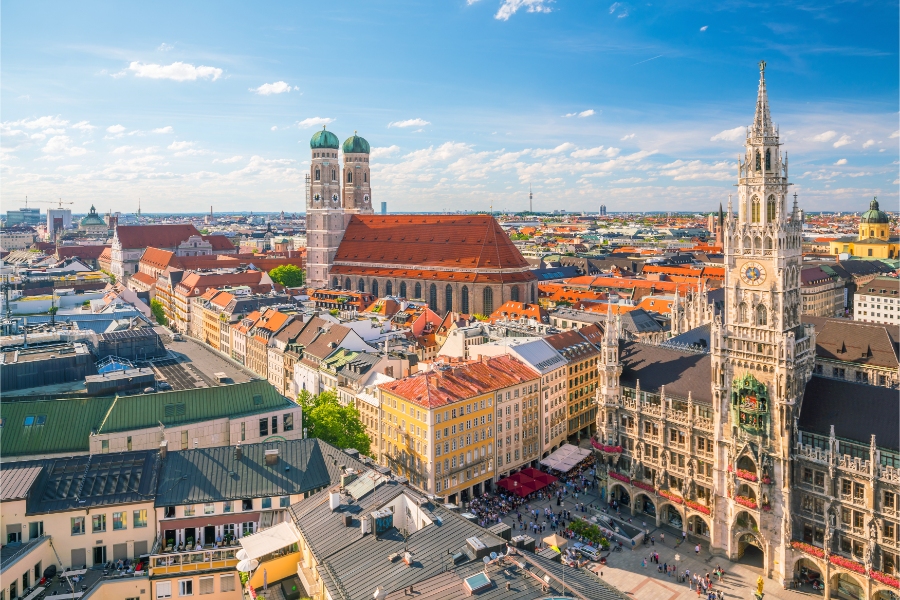
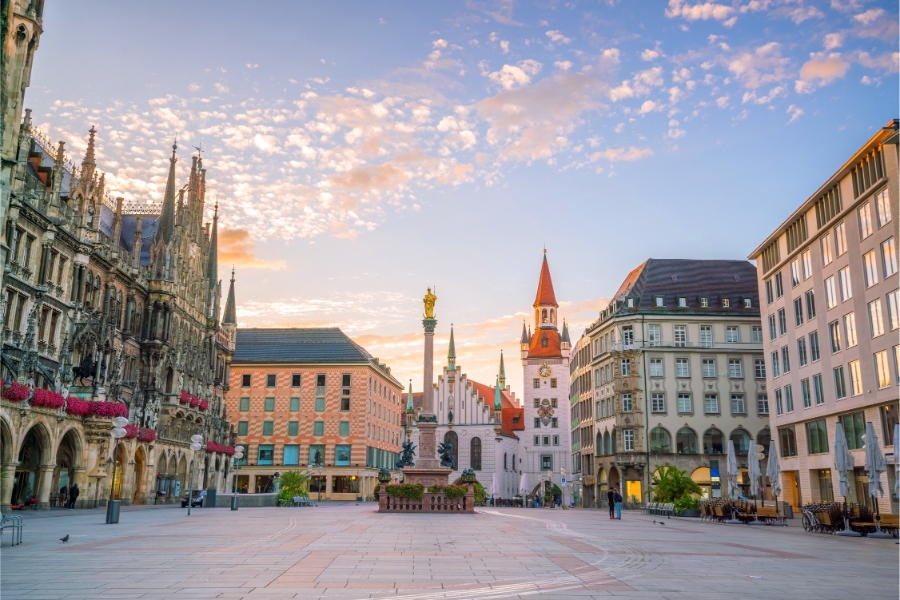
Munich is one of the harder German cities to do cheaply because accommodation is expensive and event demand is intense. Stay near an S-Bahn or U-Bahn station outside the Altstadt rather than paying a premium for the central blocks. The English Garden, the Isar riverbanks, old-town streets, and several churches provide a full free day.
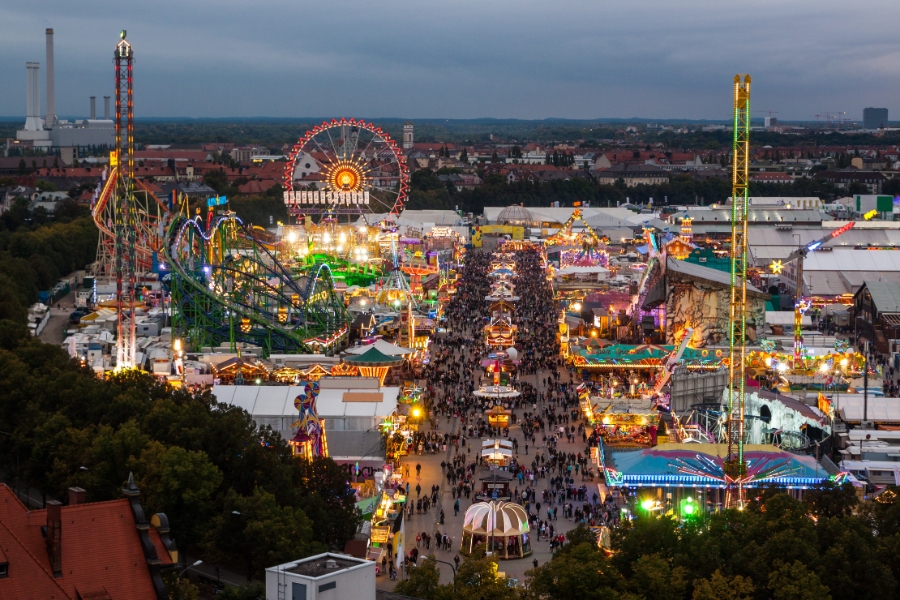
For a regional day trip, compare the Bayern-Ticket with individual fares, especially for two or more travelers. Avoid Oktoberfest dates unless the festival is the purpose of the trip; saving a few euros on food will not offset inflated room prices.
Hamburg
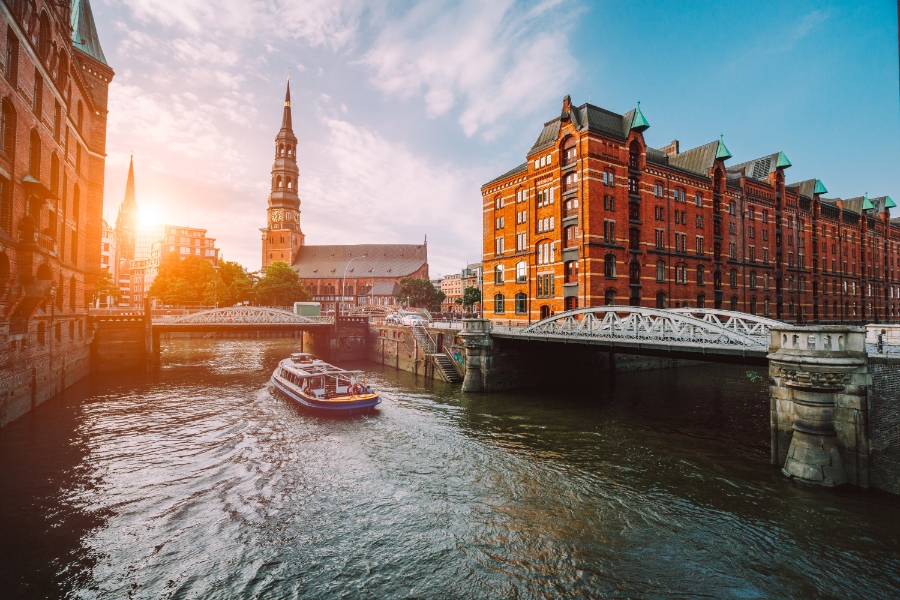
Hamburg’s harbor edge, Speicherstadt, Landungsbrücken, and many waterfront walks cost nothing. The Elbphilharmonie Plaza needs a current price check: spontaneous visits remain free through October 4, 2026 when capacity is available, while a pre-booked timed ticket costs €3. From October 5, 2026, admission becomes €5, with a €3 concession rate.
If you already have an HVV public-transport ticket, check which regular harbor ferries it covers before paying for a separate sightseeing cruise. A transit ferry is transport, not a narrated tour, but it can still provide a useful harbor view.
Dresden and Leipzig
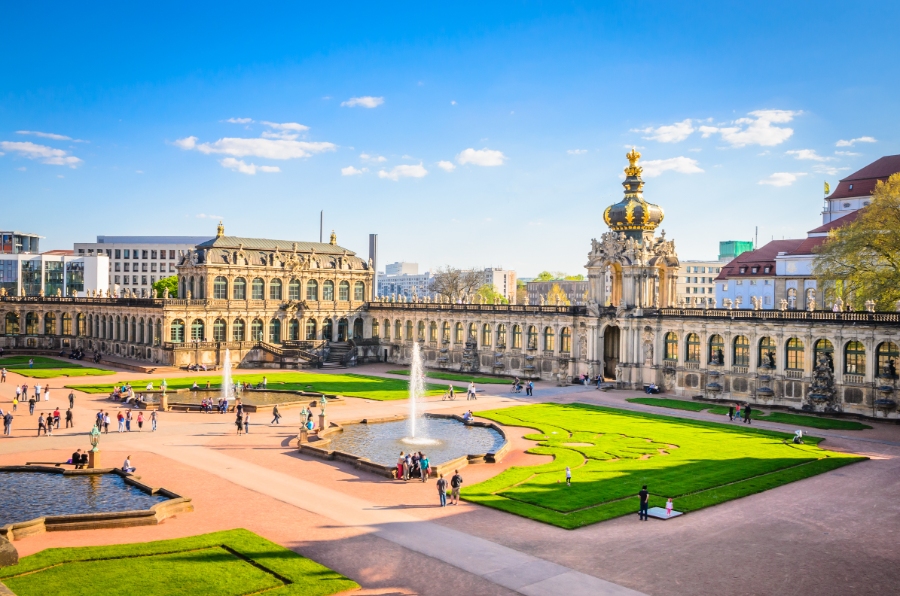
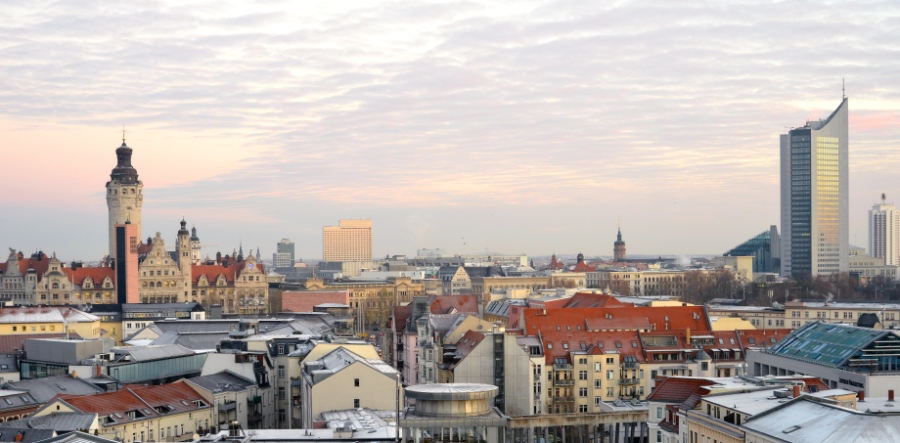
Dresden and Leipzig fit well into the same budget route and often provide more accommodation choice than Munich on ordinary dates. Dresden’s old town and Elbe paths support a low-cost city day, while Saxon Switzerland can provide a hiking day if transport and weather are planned in advance. Leipzig’s center, Clara-Zetkin Park, canals, and neighborhoods are easy to combine on foot or by public transport.
Do not assume either city is always cheap. Festivals, football fixtures, conferences, and school holidays can raise room rates quickly.
When is Germany cheapest to visit?
April to May and late September to October often offer the best balance of room availability, daylight, and moderate weather. January through March can be cheaper in many cities, but the trade-off is shorter daylight and colder conditions.
- Usually easier on the budget: ordinary weekdays, shoulder-season dates, and stays booked well before a major event.
- Often expensive: Christmas-market weekends, New Year’s Eve, Carnival destinations, school holidays, large trade fairs, major football matches, and city marathons.
- Munich warning: room prices around Oktoberfest can bear little resemblance to normal Munich rates.
- Summer warning: campsites, hostels, and rail promotions sell out earlier, particularly on popular routes and weekends.
Search the exact dates, not the month in general. A quiet June weekday may be cheaper than an April trade-fair weekend.
A realistic seven-day Germany budget itinerary
Berlin, Dresden, and Leipzig form a practical seven-day route because travel times are manageable and each city has enough free material for a full day. A disciplined backpacker should plan roughly €500–750 for seven days, excluding international travel, with the final total driven by room rates and the choice between regional and fast trains.
| Day | Base | Low-cost plan |
|---|---|---|
| 1 | Berlin | Brandenburg Gate, Tiergarten, government quarter, and a pre-booked Reichstag dome visit |
| 2 | Berlin | East Side Gallery, riverside walk, and neighborhoods reached with a day ticket only if needed |
| 3 | Berlin | Choose one paid museum or tour; keep the rest of the day free |
| 4 | Dresden | Travel to Dresden, walk the old town, and follow the Elbe |
| 5 | Dresden | Hike in Saxon Switzerland or use the day for a museum and free city sights |
| 6 | Leipzig | Travel to Leipzig, walk the center, and visit Clara-Zetkin Park |
| 7 | Leipzig | Explore local neighborhoods and depart, or add one final paid attraction |
For a 14-day trip, use four bases rather than seven. Berlin, Dresden, Leipzig, and Hamburg make a workable northern and eastern route. At the same spending level, allow about €1,000–1,550 before international transport, then add any expensive event dates or premium excursions separately.
Common Germany budget mistakes
- Assuming the Deutschland-Ticket covers ICE, IC, or EC trains
- Using an old article that still recommends a discontinued rail ticket
- Booking Munich during Oktoberfest without checking normal-date alternatives
- Treating a tip-based walking tour as a zero-cost activity
- Relying on Berlin’s abolished Museum Sunday program
- Arriving on Sunday with no food and then shopping at an expensive station store
- Choosing a remote room without calculating the extra transit cost and travel time
- Moving city every night and paying for constant transport and luggage storage
- Assuming wild camping is legal because the land looks unused
- Ignoring property taxes, linen charges, lockers, and booking fees until checkout
The simplest way to keep a Germany trip affordable
- Choose no more than three bases for one week or four bases for two weeks.
- Price accommodation on the exact dates before choosing the route.
- Compare long-distance saver fares with regional tickets and the Deutschland-Ticket.
- Set a food rule, such as one restaurant meal and one grocery meal per day.
- Reserve one paid attraction every one or two days and fill the rest with free sights.
- Keep a 10% buffer for price changes, city taxes, laundry, and transport mistakes.
The trip becomes much easier to control once the bed and the intercity transport are fixed. Those two decisions determine whether the daily target is realistic; the smaller savings work only after that.
Frequently asked questions about budget travel in Germany
How much money do I need per day for budget travel in Germany?
As of August 2026, a realistic backpacker budget is about €65–95 per person per day outside major event dates. That usually covers a hostel dorm, low-cost food, public or regional transport, and mostly free attractions; a private room and more restaurant meals usually raise the budget to €120–180 per person.
What is the cheapest way to travel between German cities?
There is no single cheapest option. Compare an advance DB saver fare for ICE or IC trains with regional tickets, the €63 Deutschland-Ticket, long-distance coaches, and ride-sharing; the best choice depends on route, booking date, group size, and how much time you have.
Is the Deutschland-Ticket worth it for tourists?
The Deutschland-Ticket can be good value when you will use local and regional transport frequently during the same calendar month. It costs €63 per month in 2026, is sold as a subscription, and generally does not cover ICE, IC, EC, or other long-distance services.
Which German cities are easier to visit on a tight budget?
Leipzig, Dresden, Bremen, and smaller university cities often have more manageable accommodation than Munich on comparable dates, but events can reverse the difference. Compare the exact nights you need before choosing a city, because the room rate usually matters more than small differences in food prices.
Are hostels in Germany clean and safe?
Many German hostels are professionally run and provide lockers, staffed reception, and private rooms, but standards vary by property. Check recent reviews, locker size, reception hours, linen charges, and whether a DJH membership or temporary guest card is required before booking.
Can I wild camp for free in Germany?
Do not assume wild camping is permitted in Germany. It is generally prohibited, especially in protected areas; use a licensed campsite, obtain landowner permission where local rules allow it, or reserve an official trekking camp.
How can I eat cheaply in Germany?
Use discount supermarkets for breakfast and picnic food, bakeries for simple meals, and local Imbiss counters for lunch. Shop before Sunday, carry a refillable bottle, and return Pfand bottles and cans so the refundable deposit does not become an extra cost.
What is the best time to visit Germany on a budget?
April to May and late September to October often balance lower room rates with workable weather, provided you avoid major festivals and trade fairs. January to March can be cheaper in many cities, although Carnival and large exhibitions can raise selected dates. At other times of year, Christmas-market weekends and Munich’s Oktoberfest period can push prices sharply higher.