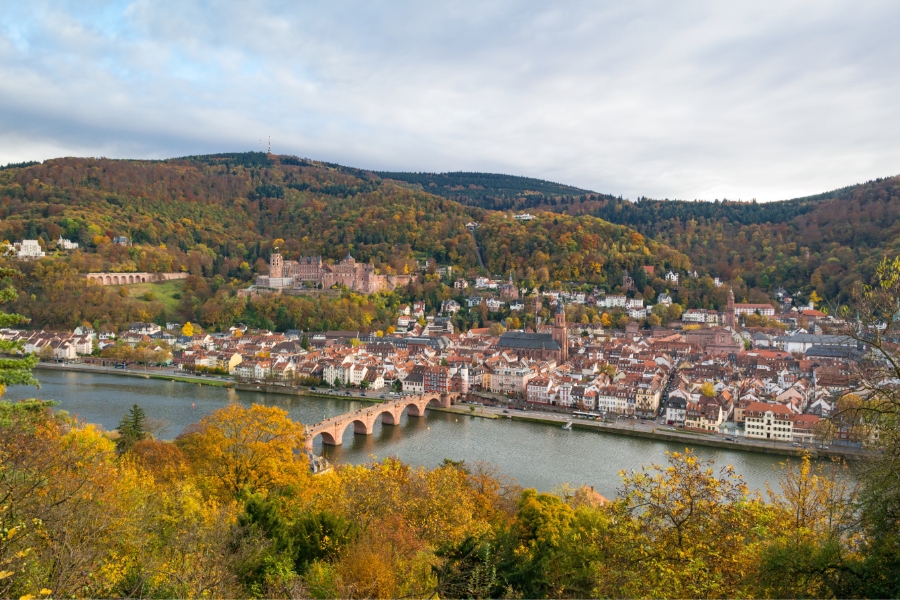
The German Castle Road (Burgenstraße) stretches over 1,200 kilometers from Mannheim to Prague, connecting more than 90 castles, palaces, and ruins. This scenic route showcases a millennium of European history through some of the continent’s most spectacular fortresses and residences.
Route Overview
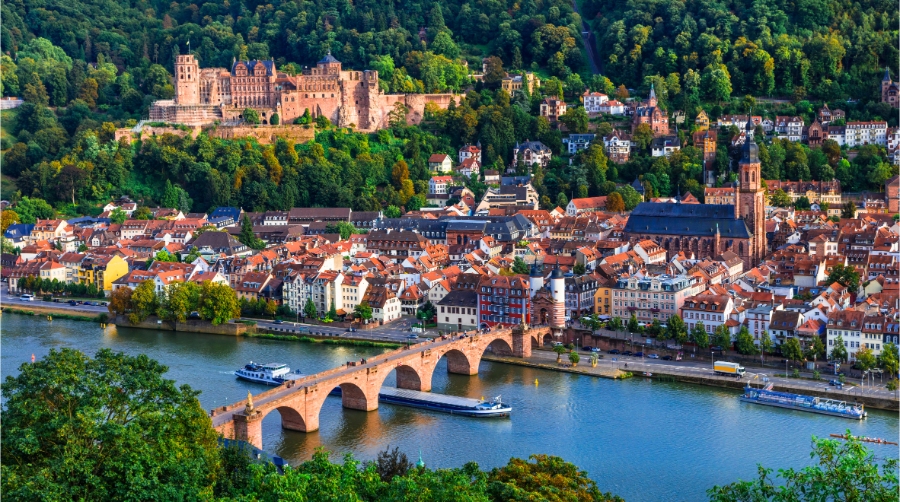
The Castle Road winds through Baden-Württemberg, Bavaria, and into the Czech Republic, following ancient trade routes and river valleys. The journey can be divided into distinct sections, each offering unique architectural and historical experiences.
Western Section: Mannheim to Heilbronn
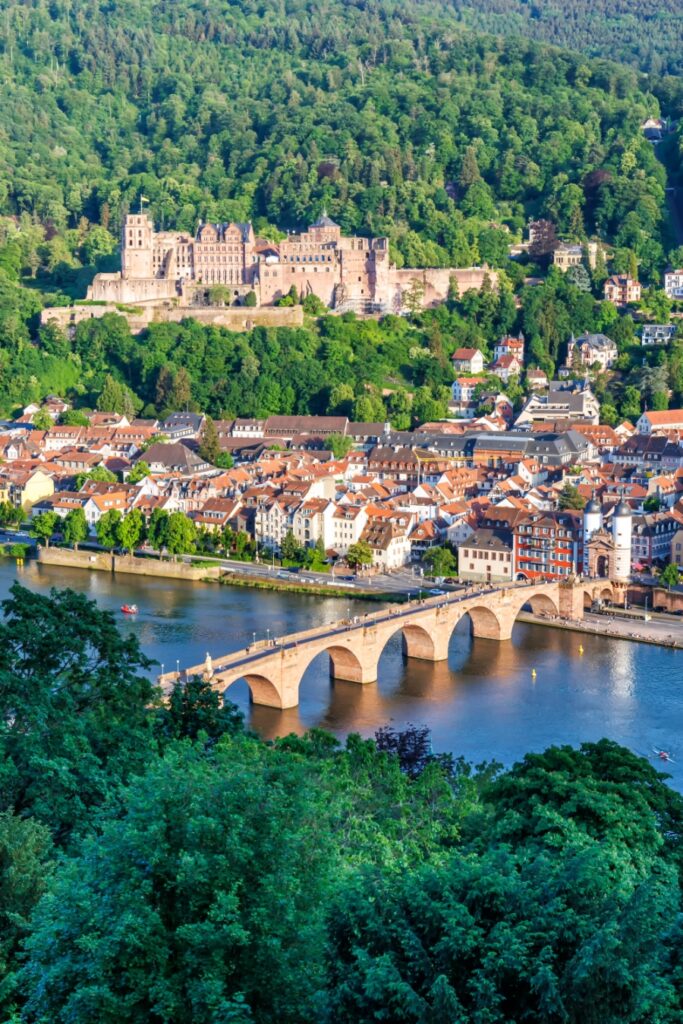
Heidelberg Castle

The route’s most famous stop, Heidelberg Castle combines Gothic and Renaissance architecture in a romantic ruin overlooking the Neckar River. The castle’s Great Barrel, holding 220,000 liters of wine, and the gardens once called “the eighth wonder of the world” make this an essential visit.
🏰Heidelberg Castle Guided Tours & Fast-Track Access Top Rated Tour Lines for Heidelberg Castle and the funicular railway can stretch over an hour during peak seasons. Book a top-rated Heidelberg Castle and Old Town Walking Tour with an expert guide, including admission and funicular tickets.
Book Heidelberg Castle Tour on Viator → Rothenburg Night Watchman Tour → *Affiliate notice: We may earn a commission from tours booked through these links at no extra cost to you.
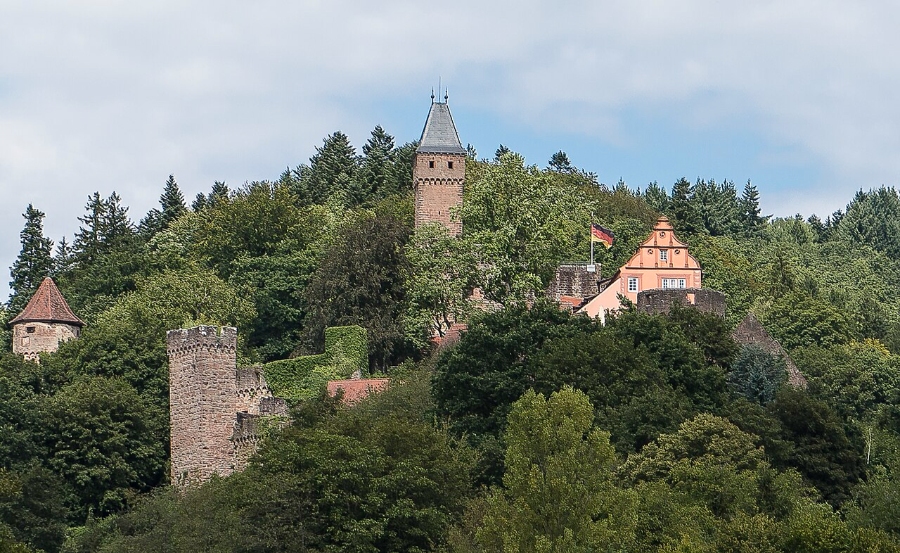
Hirschhorn Castle
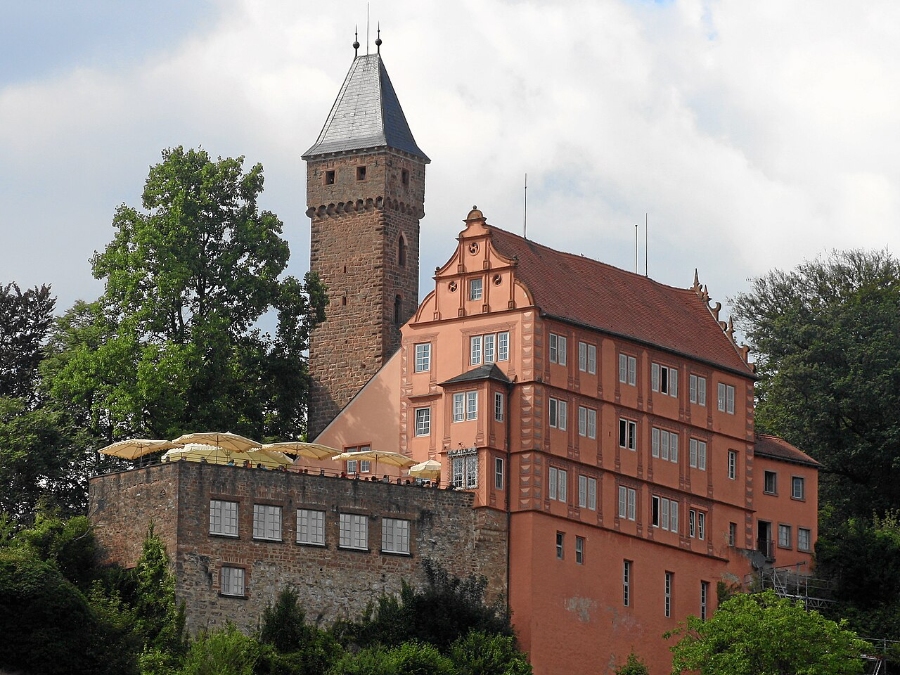
Known as the “Pearl of the Neckar Valley,” this medieval castle hotel offers overnight stays in authentic knight’s chambers with panoramic river views.
Central Section: Heilbronn to Rothenburg
Guttenberg Castle
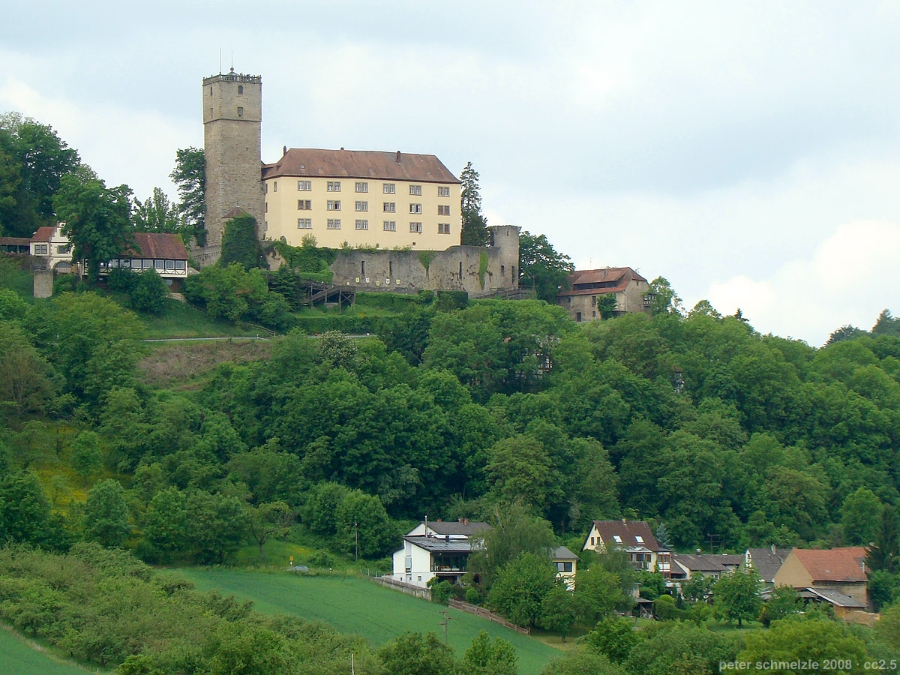
Home to the German Raptor Research Center, visitors can experience medieval falconry demonstrations while exploring one of Germany’s oldest preserved castles, inhabited by the same family for over 500 years.
Weikersheim Palace
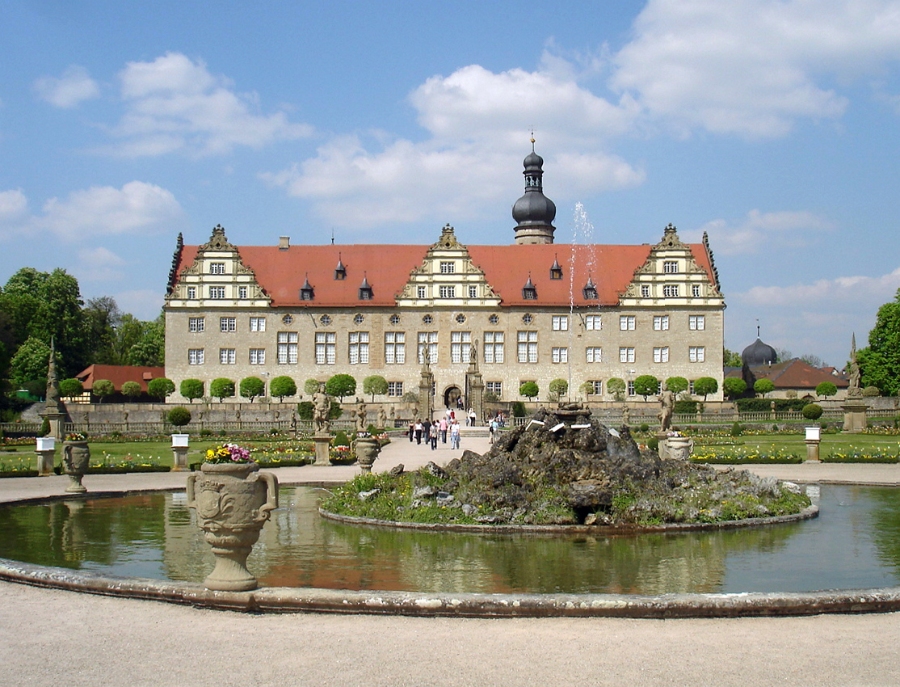
A perfectly preserved Renaissance palace with magnificent baroque gardens featuring over 50 statues and an orangery that hosts classical concerts.
Eastern Section: Rothenburg to Nuremberg
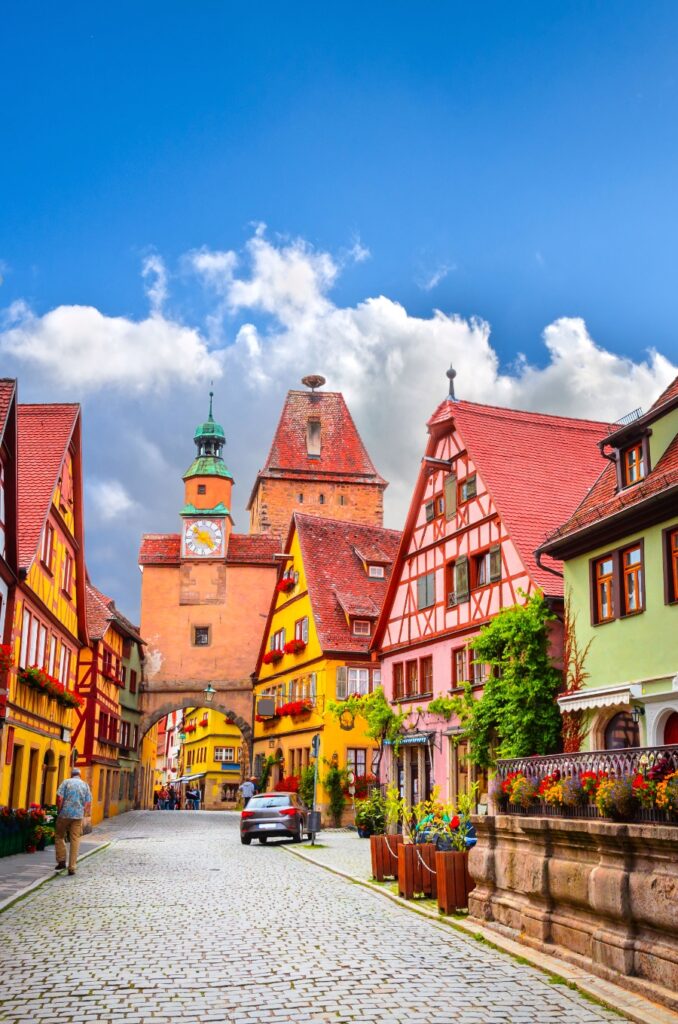
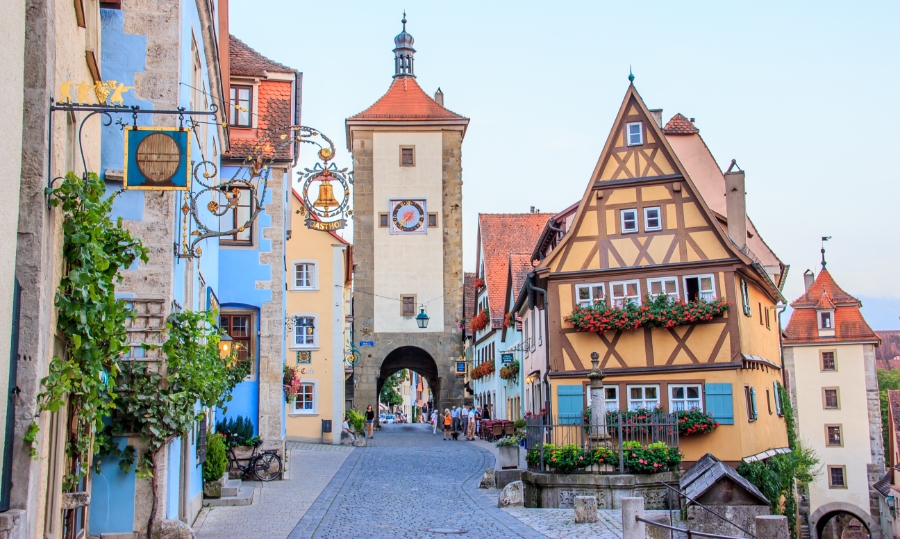
Rothenburg ob der Tauber
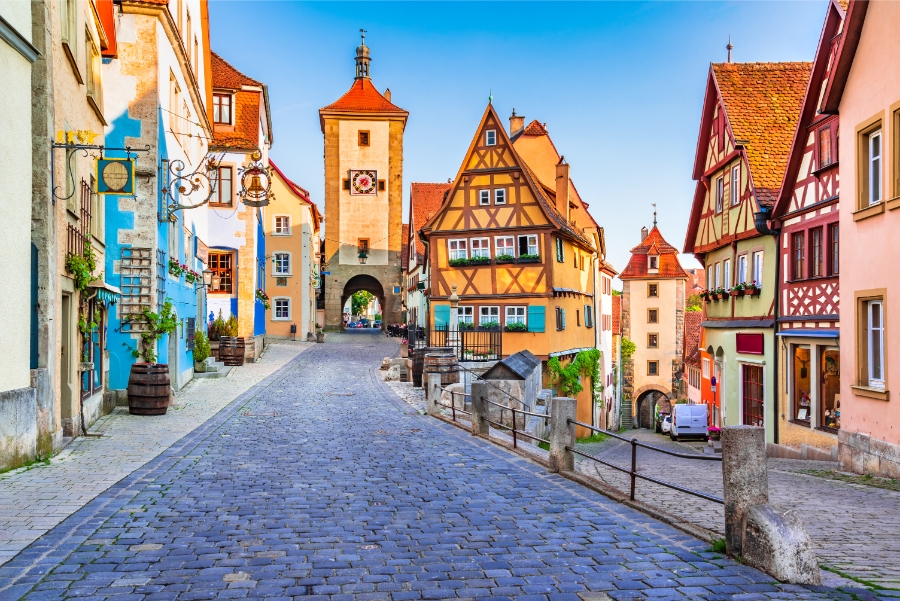
While technically a walled city rather than a castle, Rothenburg‘s complete medieval fortifications and towers make it an unmissable stop. Walk the entire city wall and climb the towers for spectacular views.
Colmberg Castle
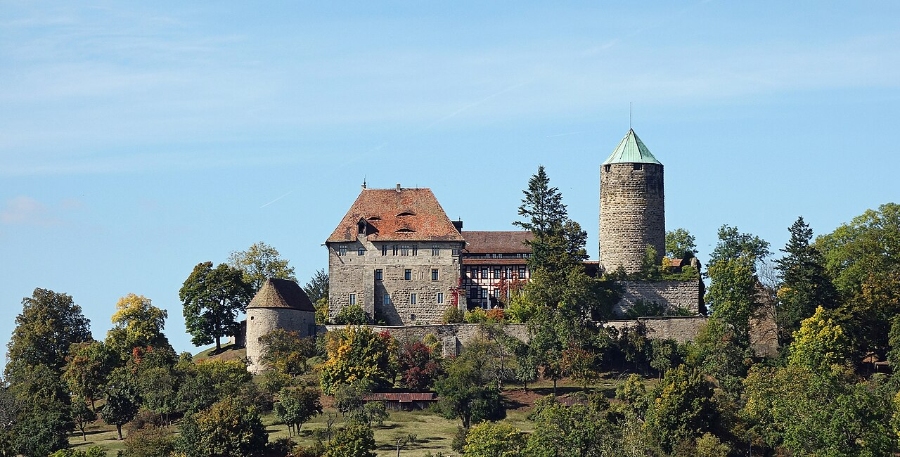
Now a hotel, this 1,000-year-old hilltop fortress offers medieval banquets and one of the route’s most authentic castle experiences.
Bavarian Highlights: Nuremberg to Bayreuth
Nuremberg Imperial Castle
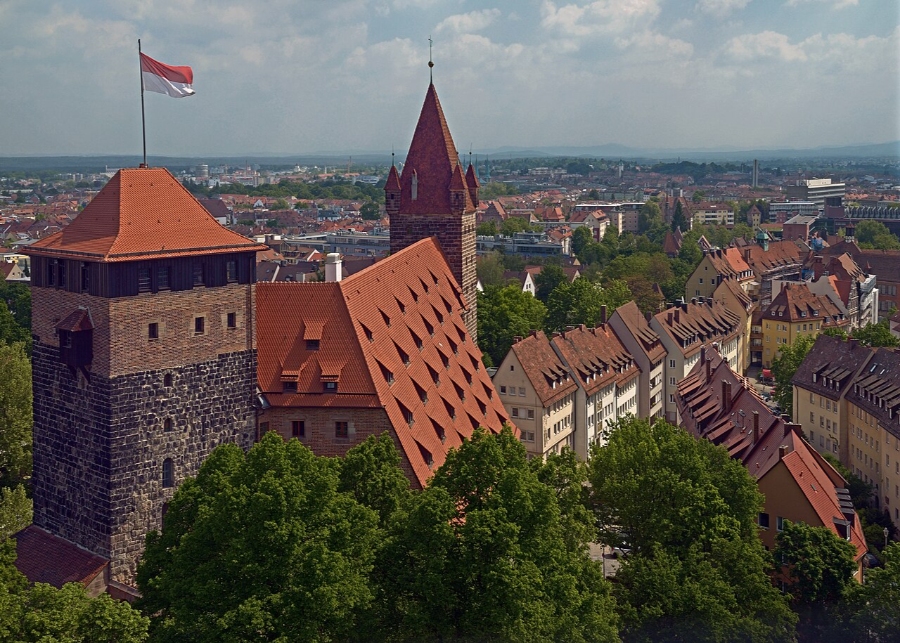
One of Europe’s most important imperial palaces, the castle complex includes the Deep Well, Sinwell Tower, and Imperial Chapel, offering insights into the Holy Roman Empire.
Rabenstein Castle
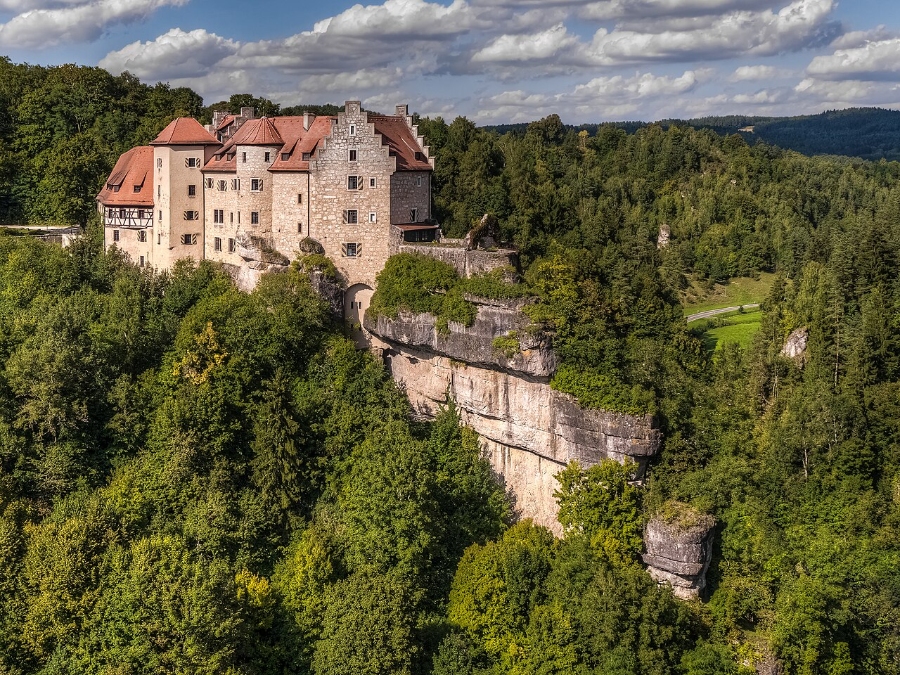
A hidden gem featuring a spectacular falconry center and medieval festival grounds, plus a unique cave system beneath the castle.
Planning Your Castle Road Journey
Transportation Options
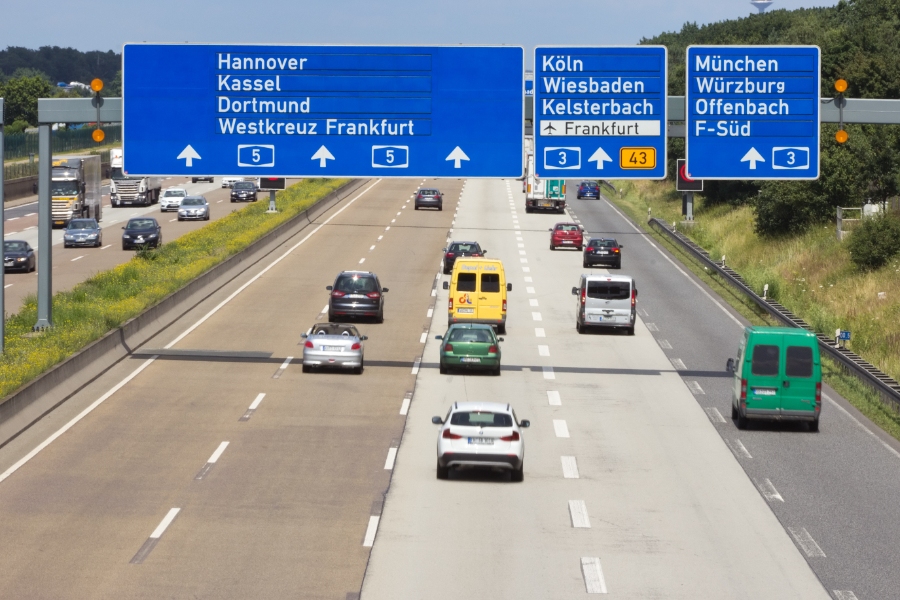
🚗Renting a Car for the German Castle Road Recommended Partner Driving is the best way to explore the Burgenstraße at your own pace, especially for secluded hillside fortresses not reachable by rail. We recommend renting with Sixt (headquartered in Munich) for modern German vehicles (BMW, Audi, Mercedes) and convenient pick-up at Frankfurt, Stuttgart, or Nuremberg airports.
Book Rental Car on Sixt → Compare Car Rental Rates → Affiliate notice: We may earn a commission from bookings made through these partner links at no additional cost to you. By Car: The most flexible option, allowing stops at smaller castles By Train: Major cities are well-connected; combine with local buses By Bicycle: Popular with cyclists; plan 10-14 days for the full route *Guided Tours: Available from major cities, focusing on highlights
Best Time to Visit
April to October offers the best weather and opening hours. Many castles have reduced hours or close entirely in winter. Summer brings festivals and outdoor events but also crowds.
Accommodation
Stay in castle hotels for an authentic experience: – Hirschhorn Castle Hotel – Colmberg Castle Hotel – Burg Hornberg – Schlosshotel Steinburg
Practical Tips
- Castle Card: Purchase regional castle cards for discounts
- Opening Hours: Check ahead; many close Mondays
- Guided Tours: Often the only way to see castle interiors
- Comfortable Shoes: Castle visits involve lots of stairs
- Photography: Some castles restrict indoor photography
Beyond the Main Route
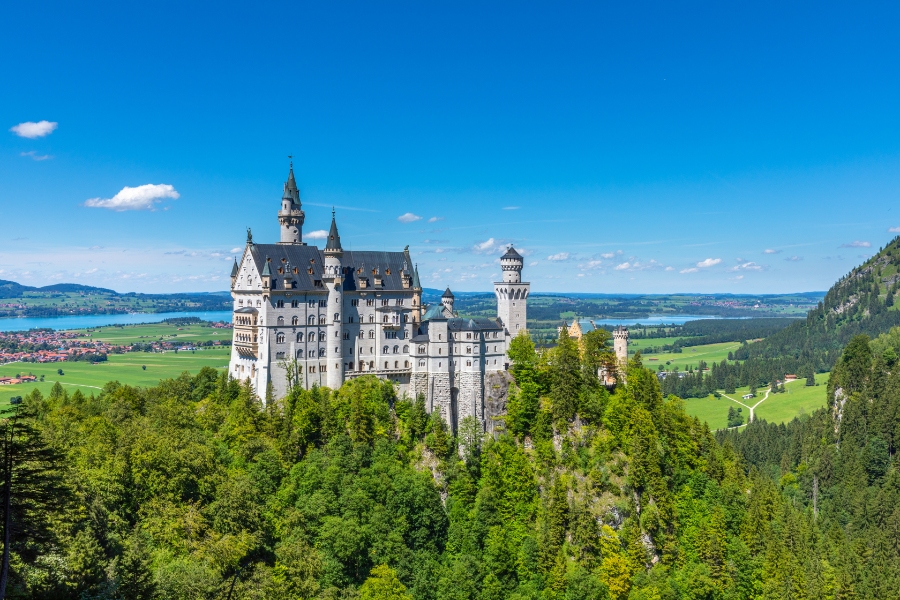
Detours to nearby castles enhance the journey: – Neuschwanstein: Bavaria‘s fairy-tale castle (2-hour detour) – Hohenzollern: Dramatic hilltop fortress (1-hour detour) – Lichtenstein: “Fairy-tale castle of Württemberg”
Cultural Experiences

Many castles offer special programs: – Medieval banquets and knight tournaments – Classical concerts in palace halls – Falconry demonstrations – Historical reenactments – Christmas markets in castle courtyards
Sample Itineraries

5-Day Highlights Tour Day 1: Heidelberg Castle and Old Town Day 2: Hirschhorn and Guttenberg Castles Day 3: Weikersheim Palace and Rothenburg Day 4: Nuremberg Imperial Castle Day 5: Bayreuth and Hermitage Palace
10-Day Complete Journey Add smaller castles, museums, and cultural sites for a comprehensive experience of Germany’s castle heritage.
The Castle Road offers more than architectural wonders – it’s a journey through the heart of European history, from medieval fortresses to baroque splendor, set against some of Germany’s most beautiful landscapes.
Frequently Asked Questions
How long does it take to drive the complete German Castle Road?
The full German Castle Road spans 1,200 kilometers and takes 7-10 days to complete at a leisurely pace, allowing time to explore castles, towns, and attractions. Most visitors focus on highlights in 4-5 days, covering the section from Heidelberg to Nuremberg which includes the most famous castles.
Do I need to book castle tours in advance?
Yes, especially during peak season (April-October) and weekends. Popular castles like Heidelberg and Nuremberg fill up quickly. Book online or call ahead, particularly for English-language tours. Many castles offer self-guided options if group tours are full.
Can you stay overnight in German castles?
Absolutely! Several castles along the route operate as hotels, including Hirschhorn Castle, Colmberg Castle, and Burg Hornberg. These authentic castle hotels offer medieval ambiance with modern amenities, though they’re pricier than regular hotels. Book well in advance for unique experiences.
What’s the best way to travel the Castle Road without a car?
Combine trains and buses for public transport access. Major cities like Heidelberg, Würzburg, and Nuremberg are well-connected by train. Local buses serve smaller castle towns, though schedules may be limited. Consider guided bus tours or cycling the route for an eco-friendly alternative.
Are German castles wheelchair accessible?
Accessibility varies greatly among castles. Many historic castles have limited wheelchair access due to stairs and uneven surfaces. Modern visitor centers and some grounds are accessible. Contact castles directly about accessibility options, and consider newer palaces like Weikersheim for better access.
What’s the difference between a castle and a palace on the route?
Castles (Burgen) were built for defense with thick walls and strategic positions, while palaces (Schlösser) were designed for comfort and display of wealth. The route includes both – defensive medieval castles and elegant Renaissance/Baroque palaces built for royal residences.
How much does it cost to visit castles in Germany?
Individual castle entrance fees range from €5-15 for adults, with guided tours costing €8-20. Many regions offer castle passes (Burgenkarten) providing discounts for multiple visits. Budget €100-150 for castle admissions during a week-long Castle Road trip.
Are castle restaurants and cafes expensive?
Castle dining tends to be premium-priced due to unique locations and historic settings. Expect to pay €15-25 for main courses at castle restaurants. Pack picnics for budget-friendly options, as many castles have beautiful grounds perfect for outdoor dining with scenic views.
When do German castles close for winter?
Many castles reduce hours or close entirely November-March. Some remain open with limited access to indoor areas only. Check individual castle websites for winter schedules. Spring through fall offers the best experience with full access and pleasant weather for exploring grounds.
Can children enjoy the German Castle Road?
Yes! Children love fairy-tale castles, especially with knight tournaments, medieval festivals, and interactive exhibits. Many castles offer special children’s tours, treasure hunts, and hands-on activities. The route’s fairy-tale atmosphere captivates young imaginations, making it excellent for family travel.
Recommended Local Attractions, Events & Cultural Guides
- Romantic Road Classic Car Rally — Comprehensive visitor guide, logistics, and insider recommendations.