Gartenzwerg (Garden Gnome)
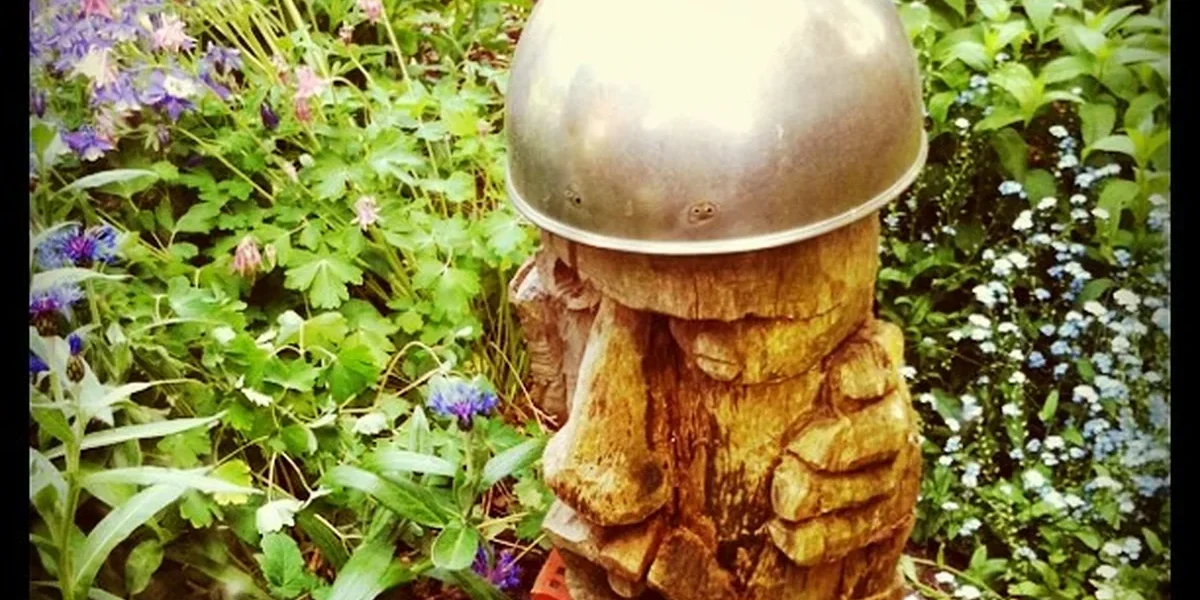
Few objects provoke as much affection and eye-rolling in equal measure as the Gartenzwerg, the pointy-hatted garden gnome that has stood sentinel in German front yards for over 150 years. Dismissed by design purists as the height of kitsch and celebrated by everyone else as a beloved piece of folk whimsy, the garden gnome occupies a strange and wonderful place in German cultural identity — equal parts ironic mascot, genuine tradition, and export phenomenon that conquered lawns from Britain to the United States.
Historical Origins & Founding Lore
The Gartenzwerg’s roots reach back to Renaissance Italy, where wealthy families installed grotesque stone dwarf figures, known as “gobbi,” in their gardens for amusement and superstition. The idea migrated north into German-speaking lands during the 17th and 18th centuries, where dwarfs and gnomes already held a firm place in Germanic folklore as subterranean guardians of mines, treasures, and the earth itself — figures immortalized later by the Brothers Grimm.
The terracotta garden gnome as we know it today, however, is a distinctly 19th-century Thuringian invention. Around 1872, the town of Gräfenroda in Thuringia became the epicenter of gnome manufacturing, with figures like Philipp Griebel producing hand-molded clay gnomes intended as protective figures for gardens and farms — the idea being that gnomes worked the soil at night while humans slept, and a statue would encourage them to bring good fortune. Griebel’s workshop, founded in 1874, still exists today and is considered the spiritual home of the modern Gartenzwerg.
By the late 1800s, gnome production had become a serious Thuringian industry, and the figures were exported across Europe. A pivotal (if apocryphal) moment in gnome lore came when the British aristocrat Sir Charles Isham imported 21 terracotta gnomes from Germany in 1847 for his estate at Lamport Hall — one of which, “Lampy,” survives today and is insured for over one million pounds, making it arguably the world’s most valuable garden gnome.
Cultural Significance in German Daily Life & Society
In Germany, the Gartenzwerg is a loaded cultural symbol. To some, particularly older generations and rural homeowners, it represents Gemütlichkeit — the cozy, unpretentious comfort of a well-tended Schrebergarten (allotment garden) or suburban front yard. To others, especially urban and younger Germans, the gnome is shorthand for provincial kitsch, petit-bourgeois conformity, and the stereotype of the overly ordered German garden with its trimmed hedges and rule-bound Kleingartenverein (allotment association).
This tension has made the gnome a favorite target of satire and subversion. Since the 1990s, a small but persistent movement of “gnome liberators” (Gartenzwergbefreier) has staged mock rescues of gnomes from gardens, releasing them into forests on the grounds that they are “enslaved” garden ornaments — a tongue-in-cheek protest that occasionally makes national news. Meanwhile, artists and designers have reclaimed the gnome ironically, producing punk gnomes, gnomes giving obscene gestures, and gnomes dressed as celebrities, turning a symbol of conformity into one of rebellious kitsch-chic.
Regional Variations & Local Twists Across Germany
- Thuringia: The undisputed birthplace and continuing center of traditional handcrafted, hand-painted ceramic gnomes, especially around Gräfenroda and Gehren.
- Bavaria: Gnomes here often appear alongside Alpine motifs — wearing lederhosen, holding beer steins, or accompanying garden dwarfs dressed as woodcutters and hunters.
- Saxony and the Erzgebirge: Overlaps with the region’s famous wood-carving tradition, producing wooden gnome figures alongside the terracotta classics, often sold at Christmas markets.
- Northern Germany: Gnomes are frequently paired with maritime themes — sailor gnomes, fisherman gnomes, and lighthouse-keeper gnomes reflecting coastal culture.
How Garden Gnomes Are Made
Traditional Gartenzwerge are still produced using techniques largely unchanged since the 19th century: liquid clay is poured into plaster molds, left to set into a hollow terracotta shell, removed, dried, kiln-fired at high temperatures, and then hand-painted in vivid reds, blues, and greens. A single high-quality handmade gnome can take several days to complete and involves multiple firing and painting stages. Mass-produced modern gnomes, by contrast, are typically injection-molded from polyresin or plastic in factories across Europe and Asia, selling for a fraction of the price of artisanal pieces.
| Gnome Type | Material | Typical Price |
|---|---|---|
| Handcrafted Thuringian ceramic gnome | Terracotta, hand-painted | €40–€200+ |
| Standard garden center gnome | Polyresin | €10–€40 |
| Mass-market plastic gnome | Plastic | €3–€15 |
| Antique/collectible gnome | Terracotta (vintage) | €100–€1,000+ |
German Vocabulary, Idioms & Etiquette
- Gartenzwerg — literally “garden dwarf,” the standard term.
- Gartenzwergbefreiung — “garden gnome liberation,” the mock-activist practice of stealing and “freeing” gnomes.
- Spießer — a colloquial, mildly mocking term for a conformist, small-minded person, often associated stereotypically with gnome ownership.
- Etiquette tip: Gifting someone a garden gnome can be read as an affectionate joke or a subtle jab at their taste — context and humor matter enormously.
- Never assume gnome ownership signals lack of sophistication; many Germans display them with full ironic self-awareness.
Where to Experience the Best Garden Gnome Culture
- Gräfenroda & Gehren, Thuringia: The historic heartland of gnome manufacturing, with workshops and small museums dedicated to the craft.
- Griebel Manufaktur, Gräfenroda: A working family business dating to 1874, still producing handmade ceramic gnomes using traditional molds.
- Gnome World (Gnomeland), Trassenheide, Usedom: A quirky theme park on the Baltic coast entirely dedicated to garden gnomes, with thousands of figures on display.
- Kleingartenanlagen (allotment gardens): Wander any German allotment colony on a weekend and you’ll spot gnomes in their natural habitat, often alongside gnome-themed decorations.
- Christmas markets nationwide: Especially in Saxony and Thuringia, seasonal stalls sell both traditional and novelty gnome figures as souvenirs.
Whether viewed as folk art, ironic decor, or unapologetic kitsch, the Gartenzwerg endures as one of Germany’s most exported and instantly recognizable cultural icons — a small ceramic figure carrying an outsized share of national character, humor, and self-parody.