Kiel Week
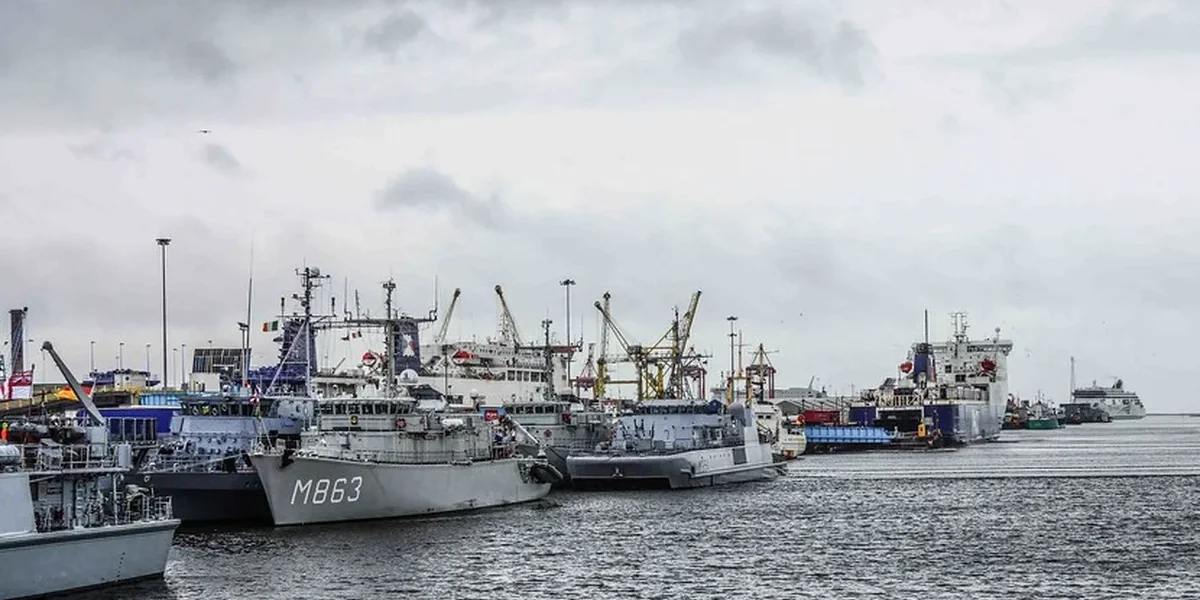
Every June, the Baltic port city of Kiel throws open its harbor to the largest sailing event on Earth. Kiel Week (Kieler Woche) transforms the Landeshauptstadt of Schleswig-Holstein into a nine-day spectacle where Olympic-class regattas share the waterfront with beer gardens, live music stages, and a fireworks-lit opening parade of tall ships. Roughly three million visitors and thousands of sailors from over 50 nations descend on the Kieler Förde each year, making this equal parts world-class sporting championship and enormous public festival — free to attend and unmistakably northern German in character.
History & Cultural Meaning
Kiel Week traces its roots to 1882, when a small group of local sailing enthusiasts organized informal races on the Förde. By 1894, Kaiser Wilhelm II — an avid yachtsman himself — had taken personal interest, using the regatta to showcase Germany’s growing naval and maritime ambitions. Kiel’s deep, sheltered fjord made it a natural choice for both the Imperial Navy and international sailing competitions, and the event quickly grew into a fixture of European high society, drawing royalty and diplomats alongside sportsmen.
The event was suspended during both World Wars but revived quickly afterward, evolving from an elite regatta into the democratized, all-welcome festival it is today. Kiel served as the sailing venue for the 1936 and 1972 Olympic Games, cementing its status as Germany’s maritime capital. Modern Kiel Week retains that Olympic pedigree — many competitors use it as pre-Games preparation — while adding a distinctly egalitarian, open-air festival culture that reflects Schleswig-Holstein‘s laid-back coastal identity.
Schedule & Annual Calendar Format
Kiel Week runs annually for nine days, always beginning on the Saturday before the third full week of June and concluding the following Sunday. The 2024 edition ran from June 22 to June 30. Expect the 2025 dates to fall in a nearly identical late-June window.
| Day | Typical Highlight |
|---|---|
| Saturday (opening) | Windjammer parade, opening ceremony at the harbor |
| Sunday–Friday | Daily regattas offshore, live stages, market stalls, Kiellinie festivities |
| Wednesday | Firework display over the Förde |
| Final Sunday | Closing regatta results, last concerts, windjammer departure |
Program Highlights & Must-See Traditions
- Windjammerparade: Historic tall ships and sail training vessels parade out of Kiel Fjord on opening Saturday — one of the most photographed moments of the festival.
- International regattas: Over 4,000 sailors compete across Olympic and traditional classes in Kiel’s outer fjord, viewable from public ferries and the shoreline promenade (Kiellinie).
- Kiellinie festival mile: A roughly 5 km waterfront stretch lined with food stalls, craft markets, and stages hosting rock, folk, and shanty music.
- Kieler-Woche fireworks: A mid-week pyrotechnic show over the harbor, best viewed from Falckenstein beach or a harbor cruise.
- Global Village & international pavilions: Cultural tents from partner nations offering food, crafts, and performances.
Tickets, Admission & Booking Advice
The overwhelming majority of Kiel Week — including the Kiellinie festival zone, markets, and shoreline regatta viewing — is completely free and open to the public. A few premium experiences require booking:
- Harbor cruises & regatta boat tours: €15–€35 per person; book in advance via local operators like Adler-Schiffe or Förde Reederei Seetouristik.
- Concert stages: Most are free; select headline acts on the main stage may require timed entry or VIP tickets (€20–€60).
- Accommodation: Not the event itself, but book hotels 3–6 months ahead — rooms sell out and prices roughly double during Kiel Week.
Travel, Public Transit & Accommodation Logistics
Kiel is roughly 90 minutes by train from Hamburg (regular Deutsche Bahn regional and IC services), making a day trip entirely feasible. Kiel Hauptbahnhof sits a 10-minute walk from the Kiellinie. During the festival, local transit operator KVG adds extra bus and ferry (“Fördeschifffahrt”) departures connecting festival zones — a day pass costs around €7–€9 and is worth it, as parking near the harbor is scarce and expensive.
For accommodation, central Kiel hotels fill quickly; consider staying in nearby Laboe, Schilksee, or Eckernförde and commuting via the harbor ferries, which double as scenic regatta-viewing platforms.
Insider Survival Tips & Practical Etiquette
- Arrive early (before 11am) on weekends — the Kiellinie gets packed and shoreside viewing spots for regattas fill fast.
- Bring cash — many food stalls and smaller vendors don’t accept cards.
- Pack a light rain jacket regardless of forecast; Baltic weather shifts quickly.
- Use the passenger ferries (Fördedampfer) as a cheap, scenic alternative to bus traffic between festival zones.
- Wednesday fireworks night draws the biggest crowds of the whole week — plan transit home in advance.
Local Food & Drink Traditions
Kiel Week’s food culture leans heavily maritime and northern German. Look for Kieler Sprotten (smoked sprats) sold fresh from stalls along the Kiellinie, along with Fischbrötchen (herring or matjes rolls) from harbor vendors — the definitive Kiel Week snack. Wash it down with a Flensburger Pilsener or a glass of regional cider. International food pavilions in the Global Village add variety, and the aroma of grilled bratwurst and Currywurst is a near-constant companion along the festival mile.