East Frisian Tea Culture
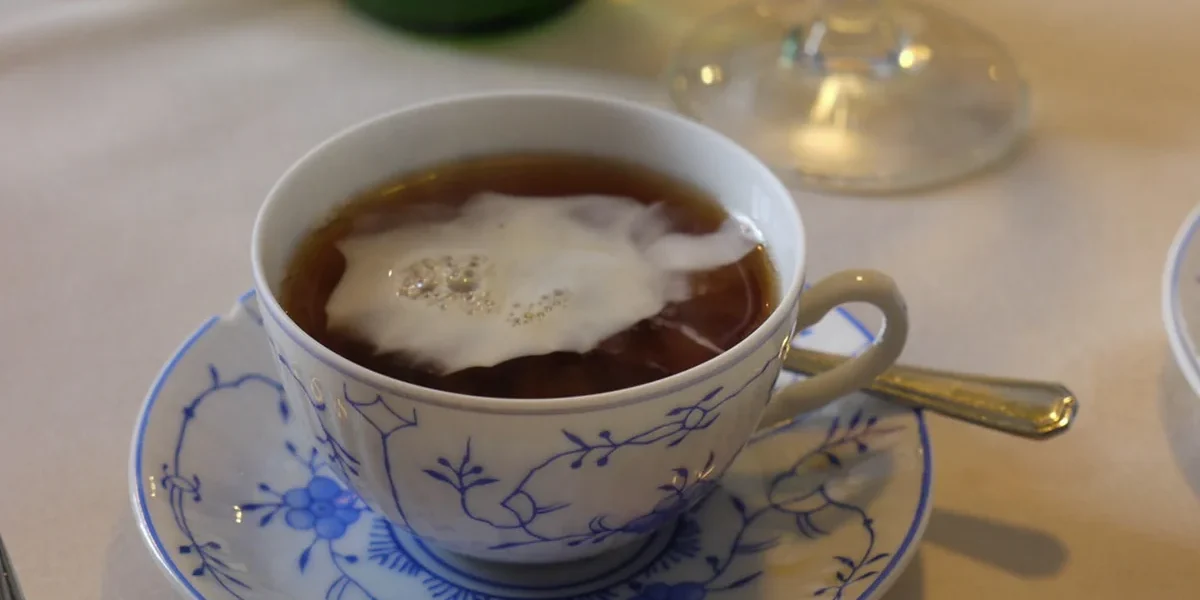
In the flat, wind-swept landscape of East Frisia (Ostfriesland), tucked into Germany’s northwestern corner along the North Sea coast, tea is not a beverage — it is a ritual, a social institution, and arguably a point of regional pride sharper than any football rivalry. East Frisians drink more tea per capita than anyone else in the world, including the British, consuming roughly 300 liters per person annually. In 2016, UNESCO added the East Frisian tea ceremony to Germany’s national inventory of Intangible Cultural Heritage, cementing what locals already knew: this is not just a drink, it’s a way of life.
Historical Origins & Founding Lore
Tea arrived in East Frisia around 1610 via Dutch traders, but it remained a luxury good for the wealthy for nearly a century. The turning point came around 1700, when East Frisia’s position as a hub for Dutch East India Company trade routes made tea more accessible and, crucially, more affordable than coffee or beer. Unlike much of Germany, where coffee eventually won out, East Frisians embraced tea as their everyday drink, and by the 18th century it had become embedded in daily rhythms across all social classes — a rare case of a luxury import becoming a working-class staple.
The region’s damp, cold climate likely reinforced tea’s popularity — a hot, strong brew suited the maritime weather far better than delicate refreshments. Local lore holds that East Frisian sailors and merchants, exposed early to tea culture through trade with Amsterdam and London, brought back not just the leaves but the entire ceremonial framework of brewing, serving, and savoring tea slowly.
Cultural Significance in German Daily Life & Society
For East Frisians, tea time (Teetied in the local Plattdeutsch dialect) is a structured social event, typically observed at least three times a day — mid-morning, afternoon, and evening. The afternoon session, usually around 3 pm, is the most significant, often bringing families and neighbors together. Refusing an offered cup of tea is considered mildly impolite; the ritual is as much about connection as caffeine.
The ceremony’s emphasis on patience and slowness stands in quiet contrast to Germany’s reputation for efficiency. You don’t rush East Frisian tea — you let the sugar crackle, watch the cream bloom, and let conversation unfold over several refills.
How It Is Made & Practiced
The ceremony follows a precise, unhurried sequence:
- A piece of Kluntje (white rock candy sugar) is placed in the bottom of a special porcelain cup, traditionally from the Bavarian town of Rastal or East Frisian potteries.
- Strong black tea — usually an East Frisian blend of Assam, Ceylon, and sometimes Darjeeling — is poured directly over the Kluntje, which crackles audibly as it dissolves.
- A dollop of slightly soured heavy cream (Sahne) is added with a special spoon called a Rohmlepel, poured gently along the rim so it sinks and rises back up, forming a cloud-like shape known as a Wulkje (“little cloud”).
- Crucially, the tea is never stirred. Each sip changes character as the layers of cream, tea, and sugar mix naturally in the mouth — bitter, sweet, and creamy in shifting proportions.
- Guests typically drink three cups, and the host will keep refilling until the guest signals they are finished by placing the spoon in the cup, rim up.
Regional Variations Across Germany
While East Frisia (centered on towns like Leer, Norden, and Aurich) remains the undisputed heartland, variations exist:
- Leer — home to Bünting Teemuseum and considered the unofficial tea capital, with the highest concentration of specialty tea shops per capita in Germany.
- Norden — known for its historic tea houses and the annual East Frisian Tea Festival (Ostfriesische Teetage), usually held in June.
- Emden — favors slightly stronger blends given its maritime trading history.
- Beyond East Frisia, the tradition has been adopted in a lighter form across northern Germany, though without the same ceremonial rigor or Kluntje ritual.
Vocabulary, Idioms & Etiquette
| Term | Meaning |
|---|---|
| Kluntje | Rock sugar candy used instead of stirred sugar |
| Wulkje | The cream cloud formed when Sahne is poured in |
| Teetied | Plattdeutsch for “tea time” |
| Rohmlepel | Special cream spoon |
| Teetante | Colloquial nickname for an enthusiastic tea hostess |
Etiquette rule of thumb: never stir your tea, always accept at least one cup when offered, and place your spoon in the cup when you’ve had enough — otherwise the host will keep refilling indefinitely, which is considered a compliment, not an imposition.
Where to Experience the Best in Germany
- Bünting Teemuseum, Leer — an immersive museum inside a historic villa tracing 300 years of tea trade; entry around €7.50, open Tuesday–Sunday.
- Teestübchen tea houses in Norden and Aurich — intimate, traditional settings for the full ceremony, typically €4–6 per serving with pastries.
- Ostfriesische Teetage (East Frisian Tea Days) — annual festival in Norden each June featuring tastings, ceremonies, and regional producers.
- Tee Gschwendner and local roasters in Emden and Leer for purchasing authentic East Frisian tea blends and Kluntje to bring home.
Visiting during autumn or winter amplifies the experience — nothing suits a foggy North Sea afternoon quite like a cup of properly brewed East Frisian tea, cream cloud rising slowly to the surface.