Gemütlichkeit
Gemütlichkeit is the German word that native speakers insist has no true translation, and they are right to insist. It reaches beyond “coziness” or “comfort” into a state of warmth, belonging, and unhurried contentment that can describe a candlelit living room, a beer garden table shared with strangers, or a Christmas market stall glowing against the December cold. To understand Gemütlichkeit is to understand something essential about how Germans structure their private and social lives.
Historical Origins & Founding Lore
The word traces back to “Gemüt,” an older German term referring to the mind, spirit, or emotional disposition of a person. By the 17th century, “gemütlich” had emerged as an adjective describing an environment or temperament that soothed the Gemüt — one that felt safe, familiar, and free of conflict. Its cultural weight solidified during the Biedermeier period of the early-to-mid 19th century, when middle-class German and Austrian families, retreating from political upheaval and censorship after the Napoleonic Wars, turned inward toward domestic life. Parlors filled with soft furnishings, family gatherings, and quiet evenings became a refuge, and Gemütlichkeit became the aesthetic and emotional ideal of that retreat. The concept later expanded outward from the home to public spaces: taverns, guesthouses, and beer halls that could replicate that same feeling of shelter and togetherness.
Cultural Significance in German Daily Life & Society
Gemütlichkeit is not simply decor — it is a social contract. A gemütlich gathering implies that everyone present is relaxed, unhurried, and free from tension or performance. Germans will judge a restaurant, a living room, or even a business meeting by whether it achieves this quality. It explains the German preference for dimmed, warm lighting over harsh overhead bulbs (Germans often find American-style bright kitchens sterile and unwelcoming), the ritual of lighting candles even for a Tuesday dinner, and the cultural insistence on real conversation over background noise or screens. Gemütlichkeit also underpins the German approach to leisure: the unhurried Kaffee und Kuchen (coffee and cake) tradition on Sunday afternoons, the long, communal tables of the beer garden, and the seasonal rituals of Christmas markets and winter Glühwein stands all exist to manufacture this feeling deliberately.
Regional Variations & Local Twists Across Germany
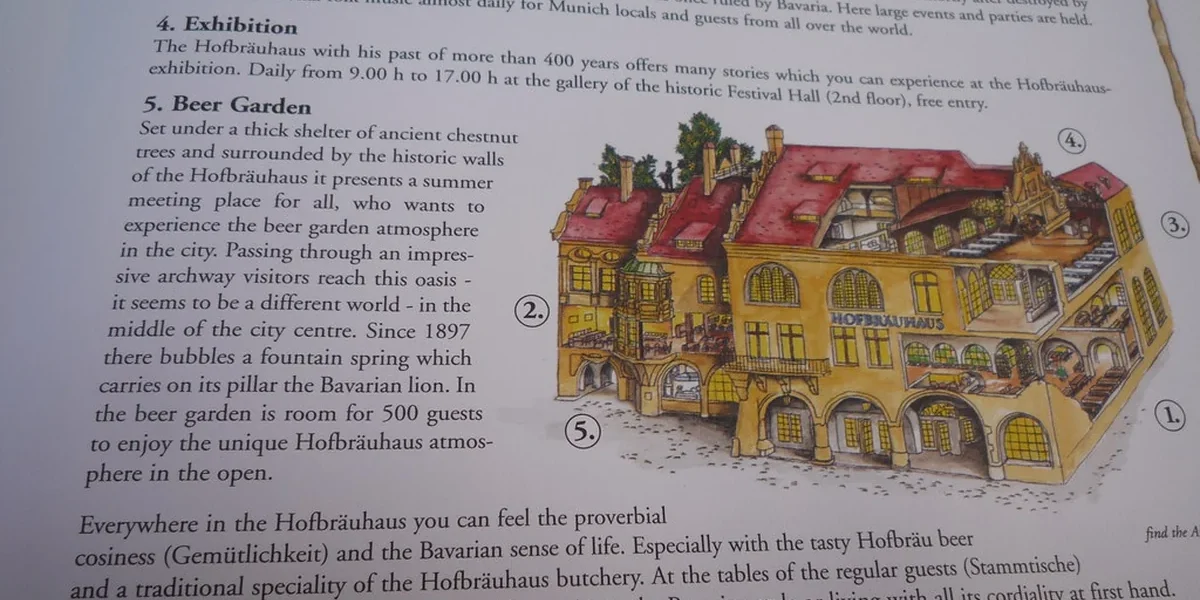
- Bavaria: Gemütlichkeit here is loud and communal — think Hofbräuhaus-style beer halls, oompah music, and shared benches with strangers who become drinking companions within minutes.
- Rhineland (Cologne, Düsseldorf): A more sociable, humor-driven version, expressed in cramped Brauhaus pubs serving Kölsch or Altbier in small glasses that keep the rounds — and conversation — flowing.
- Northern Germany (Hamburg, Lübeck): A quieter, maritime Gemütlichkeit built around wood-paneled pubs, tea culture, and the concept of “Hygge”-adjacent hearth-and-harbor comfort during long winters.
- Alpine Bavaria & Austria border regions: Mountain hut (Almhütte) coziness, with wood stoves, thick blankets, and hearty food after a day outdoors.
- Eastern Germany: A more understated, family-centered domestic version, often tied to preserved traditions of home baking and slower Sunday rituals.
How It Is Practiced & Cultivated
Gemütlichkeit is actively constructed, not accidental. Common practices include:
- Warm, low, indirect lighting rather than bright overhead lights
- Candles (Kerzen) used liberally, even outside the holiday season
- Communal seating — Stammtisch tables reserved for regulars, long shared beer garden benches
- Slow, phone-free conversation over food or drink
- Seasonal rituals: Glühwein at Christmas markets, Federweißer in autumn, first spring Biergarten visits
- Textiles: wool blankets, cushions, wood paneling, and natural materials over cold, minimalist surfaces
- Hosting etiquette — offering guests slippers (Hausschuhe) and refusing to let a glass sit empty
German Vocabulary, Idioms & Etiquette
| German | Meaning |
|---|---|
| gemütlich | cozy, pleasant, unhurried (adjective form) |
| Gemütlichkeit | the noun/state of coziness and warmth |
| Es sich gemütlich machen | “to make oneself comfortable” — said to guests |
| Stammtisch | a regulars’ table in a pub, central to social Gemütlichkeit |
| Hygge (Danish, often compared) | similar but distinct — more minimalist than the German version |
Etiquette note: interrupting a gemütlich moment — checking phones loudly, rushing a meal, or being overly formal — is considered a minor social faux pas. Guests are expected to relax visibly, accept refills, and linger rather than leave promptly after eating.
Where to Experience the Best Gemütlichkeit in Germany
- Hofbräuhaus München, Munich — the archetypal loud, communal Bavarian beer hall experience
- Früh am Dom, Cologne — classic Rhineland Brauhaus atmosphere with Kölsch served at your table
- Nuremberg Christmas Market (Christkindlesmarkt) — late November through December 24, the definitive Glühwein-and-lights winter Gemütlichkeit
- Black Forest guesthouses (Gasthöfe) around Triberg and Titisee — wood interiors, fireplaces, and hearty regional food
- Any Berlin Kneipe in Kreuzberg or Prenzlauer Berg — dim lighting, candle-topped tables, late-night conversation
- Alpine mountain huts (Almhütten) in the Bavarian and Austrian Alps, reachable via hiking trails from Garmisch-Partenkirchen
Wherever it’s found, Gemütlichkeit rewards patience over efficiency. Order slowly, stay longer than planned, and let the warmth of the room — literal and social — do the rest.