Leipzig Bach Festival
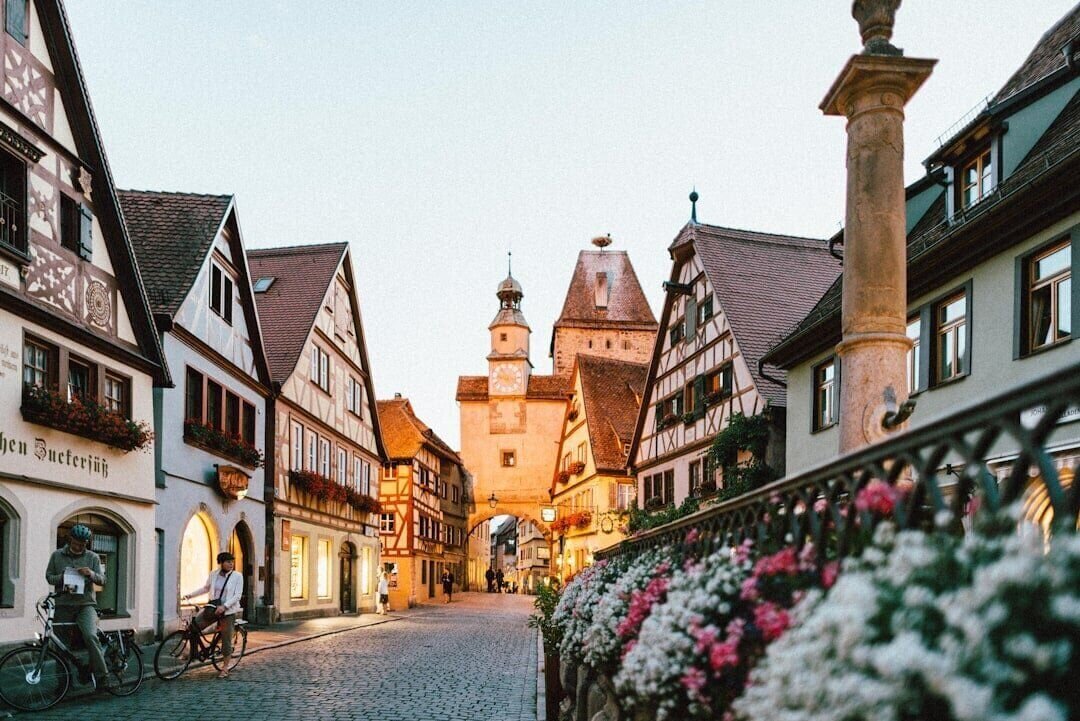
For ten days each June, Leipzig becomes the epicenter of the classical music world as thousands of Bach devotees descend on the city where Johann Sebastian Bach composed, taught, and directed music for the last 27 years of his life. The Leipzig Bach Festival (Bachfest Leipzig) is not a nostalgic reenactment—it’s a living, breathing celebration of one of history’s greatest composers, performed in the very churches, halls, and streets that shaped his work.
History & Cultural Meaning
Bach served as Thomaskantor (cantor of St. Thomas Church) from 1723 until his death in 1750, producing an astonishing volume of cantatas, passions, and instrumental works during his Leipzig tenure. The festival traces its roots back to 1904, when the New Bach Society first organized commemorative concerts, though the modern annual format took shape in the postwar decades and has grown into one of the world’s most respected Bach celebrations.
What makes Leipzig’s festival distinct from Bach celebrations elsewhere is authenticity of place. The St.
Thomas Boys Choir (Thomanerchor), which Bach himself directed, still performs regularly at St. Thomas Church, continuing an unbroken choral tradition dating back over 800 years. Attending a performance here isn’t just hearing Bach’s music—it’s hearing it in the acoustic space and institutional lineage he built himself.
Schedule & Annual Calendar Format
The Bachfest runs annually in mid-June, typically spanning 10 days with over 100 events. The 2025 edition runs from June 12 to June 21, themed around a specific artistic focus each year (past themes have included “Frei” and international guest ensembles). Each edition also features an “Open” concept, with free outdoor and open-air concerts throughout the city center alongside ticketed flagship performances.
| Time of Day | Typical Programming |
|---|---|
| Morning (9:00–12:00) | Chamber music, lectures, church motets |
| Afternoon (13:00–17:00) | Organ recitals, open-air concerts on Marktplatz |
| Evening (18:00–22:00) | Orchestral performances, cantatas, opera-style productions |
Program Highlights & Must-See Traditions
- Motet at St. Thomas Church: A Friday evening tradition performed by the Thomanerchor—check ahead, as some performances are free with no ticket required, first-come seating.
- Bach’s Grave Ceremony: A quiet, moving moment at Bach’s final resting place inside St. Thomas Church, marked with wreaths and reflection during festival week.
- Gewandhausorchester Performances: Leipzig’s world-renowned orchestra performs major Bach works, often the Mass in B Minor or St. Matthew Passion in alternating years, at the Gewandhaus concert hall.
- Bachfest Opening Concert: Held at St. Thomas Church or the Gewandhaus, typically featuring internationally acclaimed soloists and ensembles.
- Bach Museum Special Exhibitions: Located directly opposite St. Thomas Church, the museum runs festival-timed exhibits on Bach’s manuscripts and instruments.
- Bach on the Marktplatz: Free open-air concerts on the historic market square, popular with families and casual visitors.
Tickets, Admission & Booking Advice
Ticket prices vary widely by venue and prestige of performer. Expect to pay roughly €15–€25 for chamber concerts, €30–€75 for major orchestral and choral works at the Gewandhaus, and free admission for most outdoor and open-air events. The St. Thomas Church motets are often free but fill quickly—arrive at least 30–45 minutes early.
Tickets go on sale in January via the official Bachfest Leipzig website and sell out for headline events (particularly the St. Matthew Passion and Mass in B Minor performances) within weeks. Booking 4–6 months in advance is strongly recommended for marquee concerts; last-minute tickets are realistic only for smaller chamber programs.
Travel, Public Transit & Accommodation Logistics
Leipzig/Halle Airport connects to major European hubs, but most visitors arrive via Deutsche Bahn—Leipzig Hauptbahnhof is one of Europe’s largest terminus stations, with direct ICE connections from Berlin (about 1h15), Frankfurt (around 3h), and Munich (around 3h30). The historic center, where nearly all festival venues are located, is entirely walkable from the station in 10–15 minutes.
Leipzig’s tram network (LVB) covers the city efficiently if you’re staying outside the center; a single ticket costs around €3.20, and a day pass runs about €7.90. Book accommodation early—hotels near the Altstadt and Augustusplatz fill up months ahead during festival week, and prices rise noticeably compared to off-season rates.
Insider Survival Tips & Practical Etiquette
- Dress smartly but not formally for church concerts—German audiences lean toward understated elegance rather than black-tie.
- Arrive early for free events; Germans queue efficiently but seats disappear fast for popular motets.
- Applause etiquette in churches is more restrained than concert halls—follow the lead of locals rather than clapping between movements.
- Combine festival visits with the Bach Museum and St. Thomas Church tower, both offering context that deepens appreciation of evening performances.
- Free festival programs and schedules are available in English at the Bachfest information office near the Marktplatz.
Local Food & Drink Traditions
Leipzig’s culinary identity pairs well with a festival dedicated to Baroque refinement. Try Leipziger Allerlei, a traditional vegetable medley dish dating to the 19th century, or stop at Auerbachs Keller, the historic restaurant immortalized in Goethe’s Faust, for a hearty regional meal before an evening concert. For something lighter between performances, Leipziger Lerche—a shortcrust pastry filled with marzipan and jam—makes a fitting sweet tribute to the city’s culinary history. Café am Markt and the surrounding Marktplatz cafés are ideal for a coffee break between afternoon and evening programs, and many venues host small wine and sekt receptions after premiere performances.
Whether you’re a lifelong Bach scholar or simply curious about Baroque music’s roots, the Leipzig Bach Festival offers a rare chance to experience masterworks exactly where they were born—inside the churches, halls, and streets that shaped them.