Rock am Ring
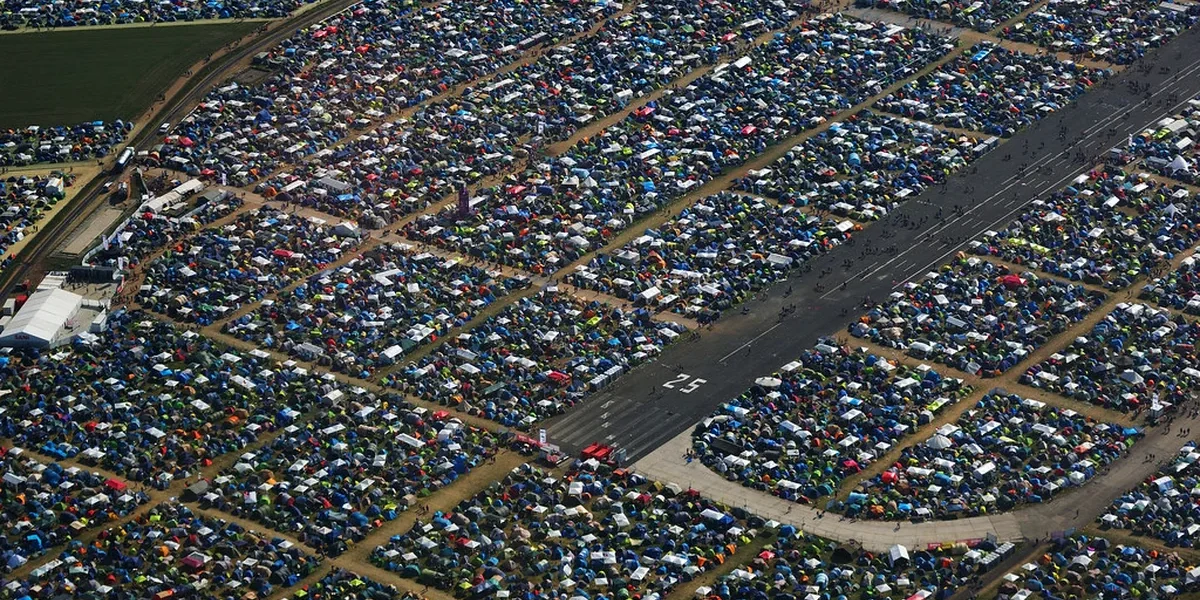
Every June, the volcanic hills of the Eifel region shake to a different kind of rumble as Rock am Ring takes over the legendary Nürburgring motorsport complex. Since 1985, this festival has grown from a modest one-day rock gathering into one of continental Europe’s largest and loudest music events, drawing upwards of 85,000 fans daily to a temporary city built around one of Germany’s most storied racetracks. If you’re planning to experience German rock and metal culture at its rawest, this is where you start.
History & Cultural Meaning
Rock am Ring launched in 1985 as a response to Germany’s growing appetite for large-scale rock spectacles, modeled loosely on the UK’s Monsters of Rock circuit. Early lineups leaned heavily on hard rock and NWOBHM-adjacent acts, but by the 1990s and 2000s the festival had broadened into a broad church of metal, punk, alternative, and mainstream rock, hosting era-defining sets from Metallica, Rammstein, Foo Fighters, and Slipknot. For decades it ran as a twin event with Rock im Park in Nuremberg, sharing lineups across the same weekend—a uniquely German logistical feat that let bands play both festivals back to back.
Culturally, Rock am Ring occupies a similar place in the German psyche as Glastonbury does in Britain: a rite of passage for teenagers, a pilgrimage for lifelong metalheads, and a reliable barometer of where rock music is heading. The Nürburgring setting adds an extra layer—fans camp in the shadow of a track that has hosted Formula 1 legends, giving the whole weekend a peculiar mix of petrol-head heritage and mosh-pit chaos.
Schedule & Annual Calendar Format
Rock am Ring runs annually across the first or second weekend of June, structured as a three-day event from Friday to Sunday. Gates typically open Thursday afternoon for early campers.
| Day | Typical Activity |
| Thursday | Campsite gates open, early arrivals settle in |
| Friday | Main stages open, first headliners perform |
| Saturday | Full-day programming across all stages, peak attendance |
| Sunday | Closing headliner sets, festival wraps by late evening |
Daily music generally runs from early afternoon (around 12:00–13:00) until close to midnight, with four to five stages running concurrently, including the Main Stage, Alternative Stage, and smaller discovery-focused platforms for emerging bands.
Program Highlights & Must-See Traditions
- Headliner slots on the Main Stage each night—historically home to acts like Rammstein, Foo Fighters, Green Day, and System of a Down
- The Alternative Stage, favored by fans seeking punk, indie, and heavier underground acts away from the mainstage crowds
- Circle pits and crowd surfing during metal and hardcore sets—expect physical, high-energy crowds near the front
- The campground atmosphere itself, often considered as much a part of the experience as the music, with impromptu parties and communal grilling
- Silent Disco and smaller side stages for those needing a break from the heavier sets
Tickets, Admission & Booking Advice
Tickets go on sale months in advance, often selling out well before the lineup is fully announced—proof of the festival’s loyal following. As of recent years, pricing has looked roughly like this:
| Ticket Type | Approximate Price |
| 3-Day Festival + Camping Ticket | €239–€269 |
| Day Ticket (Friday/Saturday/Sunday) | €99–€129 |
| VIP/Premium Camping Upgrade | €50–€150 extra |
| Parking Pass | €30–€40 |
Book directly through the official Rock am Ring website or authorized partners like Eventim. Avoid third-party resellers—counterfeit tickets have been an issue in past years. Early-bird tickets (released shortly after the previous year’s festival ends) offer the best value.
Travel, Public Transit & Accommodation Logistics
The Nürburgring sits in the Eifel region, roughly 90 minutes from Cologne and Frankfurt by car. Options include:
- By car: Most practical option; dedicated festival parking is available but fills quickly—arrive early Thursday if possible
- By train: Special shuttle buses run from Koblenz, Mayen, and Adenau train stations to the festival grounds during the event weekend
- Organized shuttle packages: Many ticket bundles include return coach transport from major German cities
- Camping: Included with most tickets; arrive Thursday for the best pitch locations near amenities
- Hotels: Limited near the circuit—most attendees camp on-site; nearby towns like Adenau and Nürburg book out fast, so reserve months ahead if avoiding camping
Insider Survival Tips & Practical Etiquette
- Pack proper rain gear—the Eifel region is notoriously unpredictable, and mud is a Rock am Ring rite of passage
- Bring earplugs; stage volumes are intense and multi-day exposure adds up
- Reusable cup deposit system (Pfand) applies at all drink stands—keep your cup or lose the deposit
- Respect mosh pit etiquette: help others up if they fall, don’t push into pits you don’t want to be part of
- Cash and card both work at most vendors, but small amounts of cash help at smaller stalls
- Charge power banks fully—charging stations are limited and queues form fast
Local Food & Drink Traditions
Festival food leans heavily German-practical: Bratwurst and Currywurst stands are everywhere, alongside Flammkuchen, loaded fries, and increasingly diverse international options like falafel wraps and noodle boxes. Beer—naturally—is the drink of choice, with regional brews like Bitburger (brewed nearby) heavily featured. Expect standard festival pricing of roughly €4–€6 per beer and €7–€10 for most food items. Many campers bring their own grills for late-night cookouts, which has become as much a tradition as the music itself—just check current-year rules on open flames, as regulations can shift due to fire risk.